



Welcome to the ALX show your premier source for DFW real estate data and insights. Let's get to it.
Hello and welcome back to another episode of the A LX Show. Joining me again today is Josh and Patrick. Thank you for being on the show. Uh, this has been a pretty crazy week. So Tuesday I was up at about five o'clock in the morning and making some coffee, and then tornado sirens started going off and I'm like, oh, no, I should probably check the weather. And it turns out there actually was a tornado. It, thankfully it didn't.
Come near my house, but I, I, I think it was a little bit south of us. Um, but Patrick, you went out to a property that you guys own and were inspecting some damage shingles on the ground. I mean, you guys had some, some real, uh, damage and effects from an actual tornado on the ground. And I think this is an important place to start with this conversation because when you're a real estate investor. You're an entrepreneur, you are a go-getter.
You are on the ground doing some really hard stuff that they don't tell you about in business school. And I think it's really important to share some of these stories of like, Hey, if you want to get into this game, this is, this is hard. This is not for the faint of heart. And so, uh, Patrick, I, I'd love to hear like, what was your experience on Tuesday? As a real estate investor and a tornado blew through and you had to do some cleanup, uh, there's project management involved in that.
You know, Christian's been out there doing a great job. So tell us a little bit about your experience this week.
Yeah. So, um, at, at one of our properties this week, uh, the tornado, which, um, it wasn't a wildly powerful one, but you know, and powerful enough to rip a roof off, roof off the building, and it just ripped, ripped a roof, ripped a roof off of. one of the buildings at our properties, uh, like just completely the whole thing. not just shingles like you can see down to the floor
Wow.
And it flew on to, you know, residence cars and smashed those. And, so I thought Tuesday was gonna be a, a nice normal day and record this with y'all and that, and got a phone call and it was like, Hey, this just happened. um, I, I, it is, um, you've got, when you get a phone call like that and you've got, I don't know, like 60 seconds to like, feel sorry for yourself, that
Yeah.
luck happened to you. then you realize, man, I kind of got to like just put my big boy pants on and go figure it out. You know,
Yeah.
no time to waste. You gotta jump in and, you know, go see what's going on. And so, I mean, thankfully the management. Company we work with, they were the ball immediately. But I went out there and, got, you know, a truly something like that had not happened to us on a big scale like that, that required immediate like intervention. And it was, um, you know, a, a crash court. I think we're experienced. We've operated properties for a long time now and have got a big portfolio of 'em. And
Mm-hmm.
ourselves experienced, but it was still. You know, a, a crash course and stuff that I had not really walked through before you hear other people talk about it. But, um, it was a learning and a lot of stuff that I hadn't thought through. And I mean, like you think of the obvious things as like, well, we've gotta get the roof back on, and you want to make sure that no one, that everyone's safe and that no one's hurt, uh, and all that.
But, um, you get there and you realize that the, that whole process is way more involved. There's a lot more that goes on than just like, we'll get, you know, a roof route and bid it. We will, um, get the tenants somewhere and, make sure that they're, you know, set up for however long it takes, transfer 'em to a new unit or whatever. Like, those are the obvious things. Like what you don't think about is like the fire marshal's gonna come out.
They're gonna say, Hey, we're not sure anymore if this, if the entire building, this affected three units. Um, where the roof blew off, but the building that it hit has 36 units. And so, uh, the fire marshal was like, Hey, until we can get a structural engineer and an electrician to sign off saying that this building is safe for everyone to inhabit and that there's no, you know, potential fire risk from any electrical damage, like you need to have everybody out. so
Wow.
like, what? So now what are we doing? You've gotta communicate that message to all of the tenants. And so the property manager's got a line of like 50 people out the door asking questions and what's going on, and um, and you gotta gotta take it all in stride and be thinking about, okay, what's the next step? What's like, what can I do now to move us forward And just do that, you know, 225 times. Um, and hope that you end the day, you know, in a better place than when you were.
And so, I mean, that's what it was really. I feel like I'm going on a long time, but it was, um, the, when, when you wonder why cleanups and disaster recovery and all that seems to go a lot slower than you would expect it to. Um, when you really go through it, you realize, man, there's all these hoops to jump through that you would've never. Pondered yourself you realize like how that stuff takes so much longer than you would've thought.
I love that story because I've been writing and thinking a lot about this lately. I mean, so you have a, a background in banking and finance and you, you, you know, you're a spreadsheet. Guru looking at all the analysis and data points and all this kind of stuff, and, and I'm presuming when you, you know, go through business school. I got an MBA in finance. I went through business school two and a half years doing spreadsheets and things. Nobody, not one class mentioned things like this.
There was no line item for like, I don't know, stuff happens, you know, like I, I never had that. And so I'm realizing that as a business owner, there's so many of these tiny little details that actually are like 70% of what you do. It's just kind of taking in these kind of things that happen throughout the day. And so this is a perfect example that it's like you wanna be a real estate investor and you're thinking about, you know. The curve.
I don't wanna say libor curve's, not LIOR anymore, but, you know, you're thinking about all these like spreadsheets and doing projections and cash flows and cap rates and all this, but what you don't think about is a tornado blowing up one of your buildings and just destroying your entire week, essentially. And that's a, that's a major, you know, fire that you gotta go handle.
So, um, yeah, I love this story and I think it's really important for, for investors, business owners to be thinking about.
Yeah, I mean, um, you, you can get on LinkedIn and post about how bad your luck is or whatever, or you can just jump in and fix it and. I, there's, if you're going to commit to taking on the risk of owning property, like it's just part of the game and you've gotta, when something unexpected happens, just, gotta get in and figure out how to, fix it. And so y'all mentioned Christian, but thankfully that our team has built out the way it is and everyone's got strengths to help in times like this.
But, he's got a contact for every. Capital improvement that you would ever need.
I love that.
within 30 seconds, he's got a structural engineer that he knows and trusts out there, and he's bidding down initial, costs that we thought was gonna be, and he's getting second opinions and third opinions. And, so it was neat to see the response and, I'm, thankful that, we, out of a bad circumstance I. A, a lot of learning, a lot of growth, and a, lot of good reaction from our side.
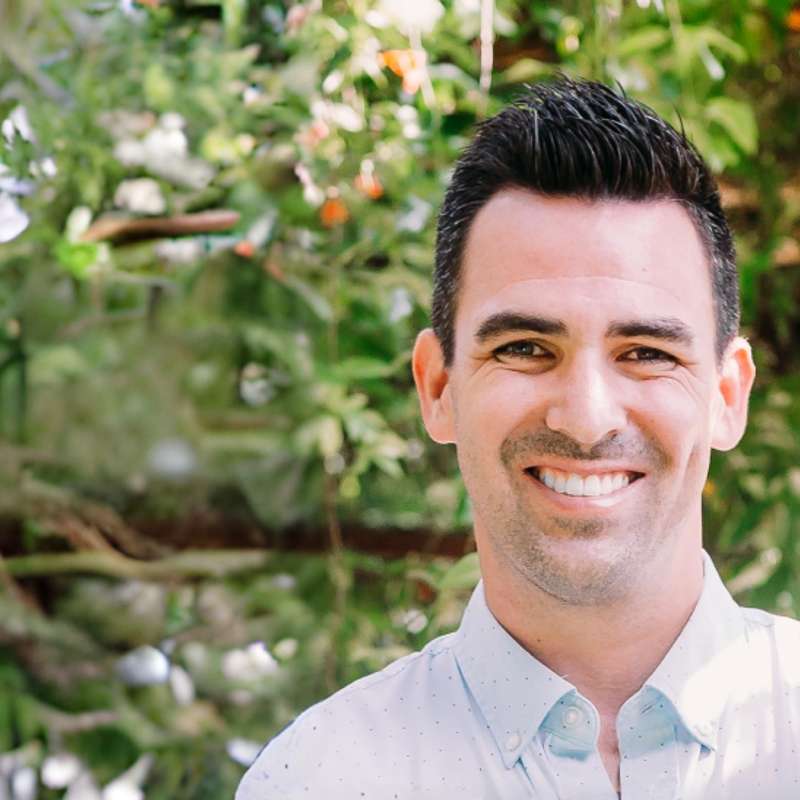 Josh Alexander
You know, and I think that's key, right? It it's a biblical principle. I mean, growth and development come at hard times, and it's almost, you guys tell me, I, I don't know how often you go through a really easy season or a great stretch and you grew as a person.
Amen.
Josh AlexanderI can't think of one. Um, and not to say that those aren't wonderful, like Right, those, you go, you kind of go from, from the difficult to the, to the coming outta that to maybe a, a stretch of, of some peace and, and, joy and just. You know, maybe settling. But if we, you know, want to go where we, where we hope to go, and quite frankly where we pray to go, then we should expect challenging circumstances. 'cause that's the only way we're gonna develop the character to take us there.
And there's no other real way. I mean, you can read books, you can have a mentor, um, and those are, those are amazing things, right? I'm not saying like other people's experience, I've heard this said before, is sometimes the best experience, 'cause it keeps you from some of the pain, but there's no substitute for actually going through things yourself as hard as they may be. And that, and that's not to belittle tough things and challenging things.
They're, they can be incredibly painful, but I think if we keep 'em in the right light. And we handle them, uh, with an expectation that we're not alone. And that there, there couldn't, can be like joy and, and peace and, and something great at the end of it. And, and not only that, once you get through it, that you can experience those things, but you are better as a person for it. And you can take that with you as well. Then you have a different perspective. Doesn't make it easy.
Doesn't make it fun. Um, but you know, if you've got that faith foundation that, okay, like we gotta get up, we gotta go like, no, you don't want to, I don't wanna deal with this, but we gotta deal with this. And there's only one way. And there, and that way is through and you just gotta keep going through. I.
Yep. Yeah. Amen.
is totally right. If you, I you, you think about, um, work stuff. Totally. But like, even in our marriages, and I'm sure y'all feel the same way, the times that my wife and I have grown the closest together is walking through difficulty. Um, and you know, it, um. and that creates proven character. So,
Yeah, and those things are related. I mean, you can go through a hard time in business, you know, whether it's, you know, self-inflicted, whether it's markets, whether it's a tornado, things totally outta your control. And it puts pressure on being a parent, being a husband, being, you know, all these kind of things. Uh, I mean, I'm going through a really difficult season right now. I have a toddler, I have a baby on the way.
My wife and I got into argument last night about me putting the meat in the freezer when she needed it to cook dinner, and we were under a time crunch and, but it's, it's like this one little thing just kind of snaps because of all this pressure that you might feel, you know?
And it's just, and God is, is, is in this, like, I I, we, we had a, our small group last night from church and we were talking about like, God feels so near in these times of suffering and pain and trials because he's growing you to, to Josh's point, you know, but it. That doesn't make it easier, you know, he's not removing that pain. It's like that saying, people say like, oh, well God will never give you more than he can handle. And it's like he gives me more than I can handle all the time.
You know? That's the point.
that's,
Josh Alexanderthe thing is, he doesn't want us to go through it alone. Right. He, he doesn't, he gives us more than we can handle because he's trying to teach us to rely on him. Uh, it, it, it's always more than we can handle. Always. 'cause it's designed by that 'cause we're not supposed to do it alone. And, and, and I think in my time too often, I try to, I try to carry as much as I can myself and it just causes anxiety, it causes stress, it causes problems at home. And it doesn't have to be that way.
And I'm not saying that it's easy to just stop and recognize. Hey, get this up, or, Hey, I like, I, I need to be still and try to think and, and process and hear. It's not easy to do that, especially when you're getting the phone calls about, you know, Hey, we need to act now. Um, but to the best of our ability, try to, to, to give, to, to give it away. And that mean, and that doesn't mean not work hard and work with excellence, but I'm talking about the stress and the anxiety and the worry.
If we can give that away and trust that ultimately the outcome doesn't rely on us, and thank goodness that that's true. Then at least we can go through those difficulties. We can go through those hard times knowing that, hey, we're, we're gonna get through. Not by my strength, but by his. And, um, and it's just a different perspective. It's what allows you to get up and go. It's what allows you to, to run when all you feel like is just lumbering, right?
Be because you're, you're, you're doing it in anticipation of something good or or anticipation that he's, he's going to provide, he's gonna be there with you. He's, he's gonna walk you through it. Um. That being said, it's a decision that you've gotta make constantly, and it's something that, uh, doesn't come, doesn't come easy when, when you feel like you know, the, the, the world's on your shoulders.
But it doesn't, I guess what we're saying is it doesn't have to feel that way, but you just gotta get to a point where, you know, you understand how to, how to give it up, how to, how to give that to him and still. Work to the best of your ability and with excellence. I think that's more of a men. I think it's more of an emotional and a mental thing. God, I don't think we're called just to sit it out. Hey, I'm gonna do this. Like, you don't see that anywhere, right?
It's not like, Hey, you don't, you don't have a role here. So you absolutely have a role here. Like you activate your faith by taking those steps to get it done. But it's the pressure and the anxiety that you can let go of and trusting that the outcome's gonna be okay.
If, if anybody listening wants to start a business school that has this as to the core curriculum in, in addition to investment banking and m and a and whatever, I would love to. To talk about that. 'cause this is what I'm finding as a, as an owner, is this is the stuff that really matters, like the cashflow projections and, you know, doing, you know, kinda your pricing, things like that. Like you can figure some of that out. You can figure out your processes and stuff like that.
But this internal stuff is really, really hard and it's actually the most important things in running a business. I think it's, it's been my experience.
Yeah. Not to go on longer, but um. What Josh is saying just made me think, um, the, that you, it still requires action on our part. Um, it struck me, I was reading in Exodus the other day when, um, Moses went to Pharaoh the first time before any plagues, anything, and he, um, went to him and said, Hey, uh, let my people go. Um, God told me to, to, uh, take him out to the wilderness and Pharaoh was like, no. And Moses went back and was like, God, I did my best. I, I really tried here.
was like before anything had even happened to him, he was just ready to throw in the towel and God didn't respond like, now watch what I'm gonna do. It was like, Hey, there's still work to be done here. You've gotta get back up the next day and go back again and get back up again. And I'm working through it all too, and I'm unfolding something that, that you can't see yet. you're playing a P, you're participating in it. You're not just watching me do it. You are actively do every single day.
I'm gonna do this for 10 plagues that are gonna last a long time and you're gonna feel like you're not making any progress. And then you're gonna wake up and there's gonna be dry water in the middle of the ocean. Um. um, you know, it's the same mentality that we want to have every day. We get up just.
Josh AlexanderHey, I want to, I wanna tie this, or maybe cl close it with a really great quote from Calvin Coolidge. You guys may have heard this before. Um, nothing in the world can take the place of persistence. Talent will not, nothing is more common than unsuccessful men with talent. Genius will not, unrewarded genius is almost a proverb. Education will not. The world is full of educated derelicts. Persistence and determination alone are omnipotent. And that's what we're talking about, right?
It's just, it's just keep showing up, keep and, and not just showing up, like just showing up, not doing anything. Keep showing up, doing what you know to do as best as you can. Show up. Just keep showing up, keep going. Um, and a lot of times that's what separates people that are successful and those that aren't, it's not talent. I mean, like, like the quote says, it's so right.
I mean, we're surrounded by talented, uh, great people that just weren't persistent, weren't determined to see it all the way through. And, and oftentimes it's the ones that maybe aren't as smart or aren't as talented or aren't as gifted, but just keep showing up that are the most successful. Yeah, I'm not claiming to be.
I'm not that smart.
Josh AlexanderNo, I mean, but Right. It's just, I I hear you. I'm the same way. I'm just, that's why when, when we're dealing through tough times, it's like, you know, relying on that. Just keep showing up, keep showing up, keep working, uh, and just keep moving. And some days it's easier than others, but just keep doing it.
I've been reading Proverbs to get this kind of stuff down into my bones and, uh, earlier this week I, I came across 1632 and it says, better to be patient than powerful. Better to have self-control than to conquer a city.
Josh AlexanderHmm
thinking about your intelligence, your power, your talents, all these kind of things like, and, and, and much of the Bible, and especially in Proverbs says like, that doesn't matter. That stuff does not matter. Self-control, patience, persistence, hard work. That's the stuff that matters.
Josh Alexandermm-hmm.
I love that. That's a great quote. Okay, so speaking of things that are completely out of our control, um, there is a lot of market turmoil this week. Been very up and down, uh, largely due to, um, uh, trade policy and things like that that are coming outta the, the Trump administration. So we were talking briefly just before we started, uh, recording about what we're seeing in the markets and, um, there's been a lot of.
You know, talk or maybe blistering or positioning or negotiation about tariffs and with different countries and different industries and things like that. Uh, but Josh, you had this great point of, uh, how that is a part of, seems to be part of a much larger plan with a very specific goal, very specific outcome pointed at treasuries and how important that is related to real estate. And so you guys have even seen some benefits of some of this kind of turmoil, uh, even just this week.
So Josh, could you recap a little bit about what we talked about, because I thought it was so great. Um, it's just this perspective of. What, what is happening? And more importantly, what, why do you see this happening? Like, what is all the, all this turmoil that we're seeing in the news related to what, what do you, what do you see as like a larger plan that might be out there?
Josh AlexanderI think the Trump administration is. Primarily focused on the treasury yields and Besan has made it very clear that they really wanna work on getting that 10 year treasury yield down. So they're not as focused on the stock market, they're not as focused on the Fed funds rate. And, that's really important because those treasury yields, right? that's how much the government's gonna have to pay to service their debt. That's also the benchmark rate.
For a lot of private sector borrowing, including mortgages, including commercial real estate, some of the, some really key important sectors really rely on that 10 year being in a good place because then that, opens up options. We can start to refi, we can start to transact. Um, so my thoughts are like, looking at it, I, it doesn't appear to me that the Trump administration is as concerned.
With the stock market right now, um, the stock market's had an amazing run over the last few years, so I think if it comes in a little bit, it might, some people would argue that's probably healthier for it to, for it to move down. Just, just some, um, from where it is. Because, because I mean, it's, it's so, it, it's been so hot and so it is moved so high in such a short period of time. And one, one area that we're seeing the Trump administration really focus on is Doge, right?
Everyone's familiar with Doge. Everyone, everyone's keeping up with what Doge is doing, but they're eliminating a lot of. Government jobs and government contracts. And those government contracts affect, um, a lot of people as well. All these, all these companies that rely so heavily on government work and government contracts are, are likely going to have to let people go as well.
So it seems pretty clear to me that, and, and Trump's said this before, we've heard and we've heard, uh, people with his administration say this, that they're okay with a little bit of pain. Right. They think that we're gonna have to go through a little bit of pain in order to reset, in order to get inflation down, in order to get these treasury yields down so that we can ultimately have a better foundation moving forward.
Um, and like we discussed, I mean, when we're seeing, like we see all this volatility, we see like the, the tariffs, like how much and when and what are the exceptions? Um, a lot we, and you know, something that we talked about that a lot of people don't is. How much revenue are these tariffs gonna bring in? I mean, that's something to consider, right? The more revenue that comes in that's gonna offset what the government needs to borrow. So that, that's important.
I mean, there's a lot more to that. It's, it's a holistic view and they've got a lot of things going. But our view of what, what we're seeing is we think there, there, there, obviously intentionally going after government spending. They want, they wanna be more efficient as, as a government. They want government to get smaller.
Hopefully these people that are being let go from the government or government contractors, uh, will be able to find jobs and, and, and start producing quickly in the private sector. And I think that the administration is doing, hopefully they're deregulating to make, to kind of spur the private sector so that they can start hiring, um, and ultimately be more productive and better for the economy. So that, that's the way that I see it.
Uh, we're, anytime we see the 10 year move down, you know, we're celebrating you, you, the one concern, right, is that it moves down too quickly because it's reacting to a potential recession and then people are lose, or, or too many people are losing their jobs too, uh, too quickly. And that ultimately affects, you know, all kinds of things, consumer spending and, and for us who, uh, rent out apartments, you know, that, that could be worrisome because we, we wanna make sure that, uh.
Are, it's important for us that, that tenants are able to afford the rent. So it, it, I, we don't think, I, I don't think that we're, we're getting into, uh, that's a, a major concern. I don't like that. I, I think we are, obviously it, the economy is slowing down. I mean, look at the GDP, um, forecast for the first quarter, it was negative. So I mean, it's slowing down. It's slowing down quickly. But I think that it's all in pursuit of a better foundation and a better way forward.
I think it, we're gonna see a little bit of a blip, um, but then it's gonna be, uh, stabilized. And if all goes well, no one knows the future, but hopefully it starts to, starts to, to go up at a really, um, in a really healthy way from there. So yeah, the, the tenure moving down is, is good for us. I mean, it's everybody in commercial real estate. Every, you, you saw that the, the, the mortgage numbers that came out early this week.
All of a sudden people are trying to refi like crazy because the mortgage rate came down. So, I mean, the Trump administration knows that they've got there, there's a, there's a lot of government debt that's gotta be refinanced. They've gotta get the housing market moving and they know there's a lot of commercial property that's up for refinance. So I, I like what they're doing. I, I, I think they've got a good plan here.
It's just a matter of like, time will tell, you know how successful it's gonna be.
Yeah, it seems to be a, a, a classic supply side playbook where you start to try to spur on the, the supply in, in a bunch of different industries by deregulating and trying to cut spending things like that. Um, but it mixed in with a little protectionism or, or mercantilism, which a lot of economists don't like because it ultimately will hurt consumers and hopefully it doesn't hurt them too bad, to your point.
Um, and there's some signs of maybe some of that, maybe some of that pain, like you're talking about. The, the, uh, headline on the front page of the Wall Street Journal this morning. This is Friday morning, 10 45. It says that US added 150 thou, 151,000 jobs last month, slightly below expectations. The jobless rate ticked up to 4.1%, 10,000 government jobs lost. And so there's a little bit of this, you know, kind of pain and uncertainty. Markets are down.
Investors are kind of pulling back and reassessing the sentiment of how things are gonna kind of play out with the Trump administration, you know, and how they're working on markets. But. Taking a longer view in the way that you guys feel from a, a, a real estate perspective, especially in North Texas, um, it could potentially help and do some good things in the real estate, uh, market. And so you guys are seeing some of that.
So Patrick, you had mentioned that there might be even some, some benefits that are coming outta this even this week. Um, so tell us a little bit about that. Maybe what, what you guys are seeing on the ground.
Yeah, I mean, my gosh, in the immediate short term, we've got, a property that we're working on refinancing right now. We've been working on it for the last month or so, and, we're, thankfully we're in a great position at that property where we're gonna be able to, take some cash out when we re refinance it. but this movement in rates Over the last, two weeks has, will result in us getting even more than we had thought we were going to be able to get out, which is, just really great.
if you're set up to hold a property for another five years, then name of the game is having, cash that makes operation, easier. And there's gonna be a lot of short term benefit for those who can capitalize on it quickly, I suspect, like Josh was saying, you'll start to see that in mortgages too. that activity should, mortgages probably drop what, half a point in the last three weeks. that's, a, big number on your budget. I think that's all, good news.
I love that. So the outlook is good, even though there's a little bit of turmoil, a little bit of pain, a little bit of tornadoes, things look good.
If I just to share an observation, the more that I try and listen to, um, people talk about trade and tariffs and the impact, the more that I'm convinced that, like I, I don't think anyone really has a clue. About what's gonna happen, like we
Interesting. Yeah.
since World War ii. it's really the, the United States decided to prop up free trade around the world. And we have been the ones that have set that in motion. And so since then, every No economist, no, uh, wall Street, trader or investment Banker or Warren Buffet, none of them have lived through. A period without free trade.
Right.
And, uh, there's tons of theory on it and like everyone can read and absorb that, but I, people are kind of just clueless in trying to figure out beyond the basic narrative of what everyone thinks will happen, of what is really gonna happen. And, um, I mean, turns out that this whole idea of free trade isn't entirely free anyway. I mean, it's free for countries. Trading into here, but not free with us exporting into other countries. Um, and I don't even think people realize that.
I think people assume free trade was free, uh, on both sides. And, uh, but you know, we, this is a, a bigger conversation and for better or worse kind of what's happening, big picture in the United States, but we've supported that ecosystem worldwide for so long. And I, I, the. Tone in the, of the conversation seems to be shifting to, we've done that and I don't think we're getting, we don't feel like we're getting the benefit of it anymore.
Um, and so now we're gonna start to pull back and I mean, we will see what happens over time with that, but, uh, there's a, a big shift happening right now and I don't think anyone really understands the full effects of it yet.
I love that perspective because if you spend a lot of time reading the Wall Street Journal, the Economist, you're on LinkedIn, it seems there that. Views are so narrow and focused and it's what's happening in this quarter, last quarter, maybe the last five years, maybe the last 10 years, maybe a few decades. But to your point, and this kind of wraps into our, our first topic, what I love about theology is you have a broader. Picture I think of, of at least history.
So you mentioned, you know, Egypt, ancient Egypt 3000 years ago. There's a lot that's been happening in the last few thousand years. And so some of these things that we're thinking about and talking about and what's affecting markets, it's this very, very narrow window. An experiment almost in the grand scheme of human history, there is so much more that's been happening. There's other things that have been tried, you know, other ways to view things.
And I think that's a great point about trade is there's a lot of different ways that you can do trade. And we're exiting maybe an era of something that we tried for the last 50, 60 years. And, uh, and, and maybe that's okay. Maybe there are benefits that will come out of that, you know, nobody knows. And that's, that's your point. Nobody really knows. This is kind of confusing. Um, okay. Well, uh, guys, thank you so much for, for running us through that. I know this is a little bit, uh, uh.
The conversation was in a bunch of different places, but to me it seems all related on the point that we don't know the future. We don't know tomorrow. Literally this afternoon, something could blow up and we have no idea. And it's important for us as investors and owners, uh, being in real estate and trying to predict a future. That's what we get paid to do, and that's very hard. So wait on the Lord, he'll provide.
Josh AlexanderAmen.
Yeah, man.
Amen. All right. Well thanks guys. We will see you next Tuesday for another recording. We'll see you then. Have a great weekend.