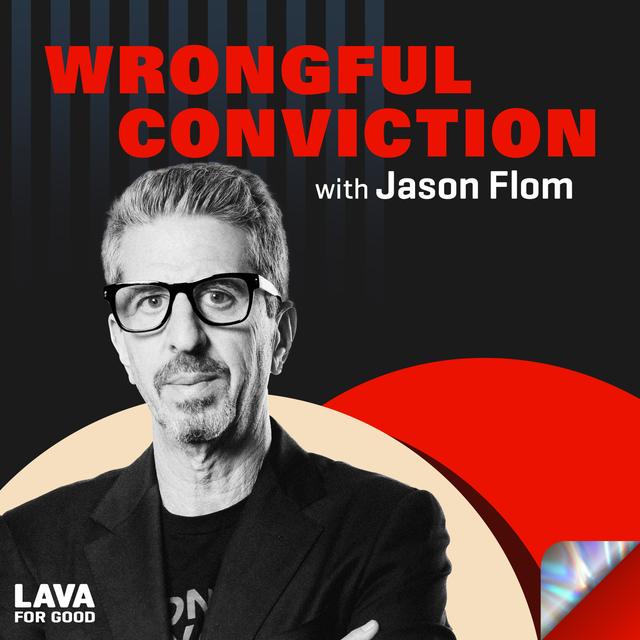



In the late eighties and early nineties, the crack epidemic was in full swing in many parts of the country, including Lorain, Ohio, where Sunset Boulevard was known as the place to buy and smoke crack without being hassled by the authorities. The infamously corrupt Lorraine Police Department had a relationship with a drug dealer, addict and notorious informant named William Avery Senior, who ran the scene on Sunset Boulevard and he didn't appreciate New Yorkers encroaching on his turf.
On August eighth, nineteen ninety one, the bodies of Marsha Blakeley and Floyd Epps were discovered separately. The tire marks on their heads were at least in part, to blame for their deaths. After the cases went cold, two thousand dollars reward drew the attention of William Avery Senior, who brought in his teenage son to falsely accuse four men
from New York, including Al Cleveland. The fact that al Cleveland was in New York at the time of the murder and that Avery Junior recanted his statement at the first of the four trials did not stop prosecutor Jonathan Rosenbaum from going ahead with all four of these sham trials. The Ohio criminal legal system continuously ignored William Avery Junior's recantations for twenty five long years, leaving parole as Al Cleveland's only avenue for relief. This is Wrongful Conviction with
Jason Flamm. Welcome back to Wrongful Conviction with Jason Flamm. That's me, and today you're going to hear a story that defies description. I'm going to first of all, introduce first Jennifer Passion urge around. It's been on the show before as the deputy director of the Ohio Innocence Project. Jennifer, Welcome back to Wrongful Conviction.
Thank you, it's good to be back.
And Al Cleveland. I'm just going to say this. Al has lived about seven or eight lifetimes so far, and he survived twenty five years in prison for a gruesome double murder that happened in Ohio while he was in Queens, New York. That's just the beginning. So without further ado, Al Cleveland, I'm so happy you're here. I'm sorry you have to be here, but I'm happier here.
Hey, I'm here. Man I'm with Jason plump. You got to realize, Jason, like, I'm fresh home, like I've just been home maybe five months, and I sat on the rack visualizing this. So here we are. Man, I'm excited, I'm pumped up, and thank you for doing this. Thank you for doing this.
I don't even know what to say. That means. That means more to me than you could even know. And so al going back to the beginning, you grew up such a fascinating story. You were a hip hop artist, and not only that, but you were very close friends with ll cool J back in Hollis Queens. Tell us about that.
Yeah, so he grew up right around the corner from me. So we were always in the basement, you know, making mixtapes and making songs, and like I seen his assent from the basement to you know, a national stage. You know, used to go with him on tour, like if he was in any of the surrounding states, we would get in the vent and go wherever he was and get backstage passes and you know, just have tons of fun. It was just tons of fun seeing that rise.
Yeah, you witnessed literally the birth of a legend. And here's your dear friend. I mean that rumor has it that you actually painted his room.
I mean so crazy, I did, I did, I did, and he owes me thirty bucks still for it.
Oh my god, with interest. That's incredible. In his nineteen ninety eight book I Make My Own Rules, ll actually shouts you out and credits your artwork actually as an early inspiration of his. So that's one. Okay, that's just one.
You ain't heard nothing yet. Stick with us, Okay. So another childhood friend of yours is Damon John, and this I think highlights how crazy and random all this shit is because I think it's fair to say you all had the same potential, but the system grabbed you and those guys went on to become success stories while you were being held captained by the state for a crime you didn't commit. And for those of you who don't know,
Damon John is the founder and CEO of Fubu. So tell us about Damon just quickly and how you come to know him in the beginning.
Oh man, me and Damon we went to the same Catholic school together in our neighborhood, from maybe second or third grade all the way up. We go on adventures, bike rides, camping with my dad. That was my guy. I wrote a book about it, actually a little children's book, What Don't you Do?
I feel like you? Okay, but we're going to get into that later. So to set the stage, we're back in the eighties and early nineties. The crack epidemic was in full swing, and you were now going back and forth to Northeast Ohio. Right, it seems so random. Why would a kid from Queen's end up in Loreno, Ohio.
All Right, So since I'm talking to you, Flam and you got experience in the music business, I want to just go back a little bit to help you and help everybody understand. So late eighties, my sister gets killed by some skinheads in Detroit, and it was a big thing. My mom was protesting, but me, I internalized this thing and just kind of like went into my art and at the time I was doing graffiti and you know art on that level, trying to get into galleries and
trying to make my way, but it wasn't happening. So I started promoting parties, doing shows, ran into a guy who had a studio. We started going to the studio. I found out Hey, I got some talent, I can rap, I can do this, I seen ll do it. Let me take this route. So we started going to the studio and making songs, and we started forming a vision of what we wanted to do. But the problem was Jason.
Back then, you know, you had to get records pressed up, you had to get a song mastered, you had to go through all these steps, and I didn't have the money for that. At every stage, we kept finding ourselves broke. So ninety ninety one, a friend of mine gets in touch with me. He had left New York to go to Ohio with a few other dudes, and they were into the drug scene, low level, but he was incarcerated and he asked me to help him with the bond money. At the time, I didn't have it. I only had
my rent money. So he enticed me a little more and told me he would double my money. Just come on out, give him a few days, and he would have the money back for me. And at the time I wanted to explore the music scene out here. I said, you know what the heck man, and I did it. I sent him the money came out here. That's how I wound up out here. He took me to a project. You know, he's showing me how he does his thing. You know, gave me the little package to hold. Police comes,
they chase him, arrest him. I have the little thing I dished, a little thing. I wound up meeting some guys. Went to a guy's house who wound up being the guy who wound up setting us up. But I went to his house. He asked me if I had anything, and I'm like, I kind of do. He asked me about from New York. Do I know my code defending. I'm like, yeah, I know him. Yeah. He's like, if you got something, I can sell it. So I went and retrieved this stuff. You start breaking it down with him.
I didn't even know the prices were haggling, and he takes what he buys from me, goes right out into the street and he's stopping cars like he's a traffic controller, is selling his thing. And maybe an hour and a half later, the whole little bag of stuff I had was it was gone. I had about twenty two hundred dollars in my pocket. For the next thirty to forty days, I just went on a mission to get my startup capital. So I mean, I know it was wrong, but that was I had a vision. I had a vision, Jason.
And I can't leave out the fact that when you look at the history of hip hop music, there's so many artists, legendary artists who grew up the same way you did, some of them from the same area you came from. And he ended up in the crack game because that was the option that was available at the time, like you said, to get startup capital or whatever it may be. And just by fate, they didn't get arrested. And many people know the names, I mean, because these
people are they're not secretive about it. When I had Meek Bill on the podcast and I asked him this question how many people he met in prison that were as talented as he is, and he said he couldn't even count. How many.
You know, I've met so many guys in there, Jason, who the visionaries. You know, they're the bread winners and their families. And I just want to make it clear. I just want to make sure I share this message that if you do have a dream, if you do have a vision, try to find out how to do a business plan, try to find out how to go to a bank or ask people family members to invest in your dream instead of taking that route and putting yourself at risk to come to the penitentiary because it's
full of guys with dreams that fall through. So I just wanted to share that.
No, I'm glad you did. And Jennifer, I want to talk about the Lorraine Police Department because of course Loraine, Ohio was where I was spending his time in those days, and they were known for sexual abuse and brutality, which is sadly a problem that exists to this day. So many different police departments around this country. Can you paint a picture of what was going on back then and there and what was the deal with their unsavory relationship with this shady character William Avery sor.
Yeah, there was a huge crack problem. Similar to lots of other areas in the country. The police had people like William Avery Senior, who, at least according to Avery, could kind of do some favors as a CI and then be left alone and do whatever you wanted. So there seemed to be sort of this unofficial arrangement between the cops and some of the people there. So it seemed to me that when folks from New York came
in and started sort of messing with that system. It did not go over well with either the residents or the police.
You had just gotten involved in this business, so to speak. Al were you aware of what the Lorraine police department was up to?
No, I wasn't. Actually I found out years later through our investigation that one I'm a co defendent, was the one who invited me out here. He was kind of like a target. We actually found a picture with him with a bullseye in their police files like here, I am just waltz right into Lorraine.
I had no idea you were sitting duck. Let's face it. And as part of the story centers around a guy named William Avery Senior, who was a prolific paid informant at the time, and he received special treatment as informants
do in exchange for his help. He lived on Sunset Boulevard in Lorain, Ohio with his son, William Avery Junior, who he had introduced to crack when the kid was just fourteen years old, and this had become this sort of neighborhood spot where people would come to smoke crack, and the police looked the other way of course, because he was helping them out while lying for them on cases as well as maybe providing accurate information once in a while, have no idea. And then there was Marsha Blakeley.
Well, Marsha Blakely was the murder victim, and she was a young woman who was addicted to crack and other drugs and was known on the streets for churning tricks, selling stolen goods to feed her addiction. She was just a user who, for reasons that I still don't quite understand, ended up brutally murdered in this whole situation.
Yeah, so she and a guy named Floyd Epps turned up dead and this is, you know, one of the most brutal crimes I've ever heard of. On August eighth, nineteen eighty one, at nine eighteen in the morning, Marsha Blakeley's body was discovered in an alley behind the West Coast Shopping Center in the rain. She had twenty five stab wounds, fractured ribs, a broken neck, a slit throat,
and torture wounds on her neck and head. And if that wasn't enough, her head had been run over by a car twice now earlier that same day at one twenty five am, Floyd Epps's body was found nearby and his head had also been run over by a car. So this is bizarre because police believed that the murders
were related. Anyone would, of course, I mean, you don't hear stories too often people being the heads run over by cars, thankfully, But no arrests were made in the Epps killing, and no arrests have been made to this date, which is the whole separate problem. But when nothing was happening with these cases, the cops offered a two thousand
dollars reward for information. So now we go all the way to over a month later, September tenth, William Avery said he had information and they told him that the reward would only be given to someone with first hand knowledge.
Yeah, so William Avery sor takes his son, William Avery Junior in the next day to meet with the cops to say what you know, he knew about the crime. But his story as it was told that day does not match up to what he eventually said in the trials.
And in addition, it was just a bizarre meeting where you know, the cops are interviewing William Avery Junior about supposedly witnessing this urter, and yet his father sat in on the entire interview and said like, yeah, I'm here to remind him of the things that he forgot, which just raised all kinds of red flags. But yet that's that's what they went with.
So when Avery Sor and j went to the police, Junior implicated four individuals and the death of Marsha Blakely. That four men were Lenworth Edwards, Benson Davis, John Edwards, and Alfred Cleveland, men that he claimed were drug dealers from New York.
Now.
Avery Junior went on to say that he owed you Al money and in order to pay off the debt. Avery Junior claimed that Al took him to Epps's apartment where Marcia Blakely was, and that Al told him to assault her. Avery Junior claimed to refuse because he knew Marshall Blakeley. So, according to this crazy tale from Avery Junior, the three other men assaulted her for twenty minutes while
he and Al watched. Avery continued on that he went back to his apartment after the assault, but said that Al came by after and told him, quote, we took care of the junkie. We knocked her off.
And thanks just started rolling from there. Although they never really found any other evidence at all implicating these guys.
But they can't find something that doesn't exist because they weren't absolute. So we aren't even been fucking ohio, right, what tell us where you were during this week and how we know that that's really true?
All right? So, yeah, I was on probation at the time. I didn't realize when I was going to trial. I wasn't sure because it was like four years later that that was the day that I went to my probation officer, but I knew. I went back to New York to see my probation officer and I was in New York with Damon John, who had a van business at the time. I went to buy a TV and I needed him
to come bring the TV to my house. And this is all, you know, the seventh, the eighth, when these people were killed, and when I was going to trial, I had to receipt for this TV. You know, we got those times. You know, he came to trial and prosecuted try to dog him out like he was some young punk. You know, he tried to discredit him and it was crazy.
I mean, the state acknowledged that he had seen the probation officer in New York on August seventh, but they just said, well, he must have decided he was going to either drive or fly to Ohio to come and commit this brutal murder against this woman. He didn't even know. But it was just the word of one person, that was it.
So four people were victims of this compromise to say the least paid informant and it was a two thousand dollars award, and then they paid him again.
Yeah, he got the two thousand dollars reward for coming forward initially, which was interesting because the award was listed for anyone would get it, leading to an arrest. They arrest Lynworth Edwards, one of the co defendants, so he
gets the two thousand dollars. They then schedule a deposition of William Avery Junior claiming that his life is in danger or something, and he gets paid again, and then he ends up getting paid more so at the end of the bowl saga, he ended up getting paid around five thousand dollars for his testimony.
Right we're talking nineteen ninety one dollars is a lot more money than it is today.
Yeah, absolutely, to someone who was a crack addict who you know, on the stand said he never really had a job, so this was his income.
So Avery Junior changed and recanted his story multiple times after the initial interrogation, but his claims anyway were enough and the authorities were happy to use them to convict four men. Avery Junior was supposed to testify in the first trial because guys were tried separately, Right, Lynworth Edwards was the first trial.
Yes, so at Lynworth Edward's first trial, this was the first of the four to be tried. Yeah, William Avery Junior basically demanded ten thousand dollars to keep giving his testimony, which you know, of course, the prosecutor said, well, no, we're not paying you anything. So at this point Avery Junior then says, well, I'm not going to testify. Everything I said before was a lie. So yeah, they end up throwing him in jail and charging him with contempt.
But he later comes back and it's the second trial for Lynworth and says, well, the reason I flip flopped before was because I was threatened in the jail if I went forward with telling what I know about this crime, and so that's how they got away with putting on his testimony in Lynworth's second trial and then in the rest of the defendant's trials. However, we found out later years later, was that those threats never happened. We found records showing that Avery Jr. He actually got in trouble
for making false reports about getting threatened. And so the whole case was just built on a lie.
Basically a lot of life. Well yeah, several but and al your trial, you were the third one tried, right, and your trial lasted six days.
When the jury came in, I turned around to look at them, and I saw it was hatred. Bro I saw a hatred and my mom was there, a couple of supporters. And when the judge read the verdict, he told me that I'm sentenced to life, and I told him I didn't do it. And damn the screech when he said guilty. The screech came from a mother's voice. I knew it took a part. Yes, apart from all I can do is try to turn around comforter her like it's gonna be okay, It's gonna be all right.
This episode is underwritten by the AIG pro Bono Program. AIG is a leading global insurance company, and for over a decade, the AIG pro Bono Program has provided thousands of hours of free legal services and other support to nonprofit organizations and individuals most in need. More recently, the program added criminal and social justice reform as a key pillar of its mission.
Yeah.
So I went to a high security prison they call them close camps where they send people that you know, done some of society's worse crimes.
They're there, and those first six or seven years that kind of blurried to me because I was so focused on fighting and educating myself. I had to totally like re educate myself because everything I had thought I believed turned out to be alive about the system and everything. You know, I had to learn about myself, you know. I learned about my history, learned about the history of this country, learn about you know, other people who suffered injustices,
and tried to understand how these things happened. You know, it wasn't just me, and I started learning like, man, this is a big problem. So I just got on a mission to better myself and better educate myself so I could learn how to write better, learn how to communicate better to get support. You know, I had to be able to write people. It's like you're going on a campaign and you just got to learn how to
articulate yourself. At the same time growing spiritually, working out, trying to be an impact on the guys in there, because I started seeing that, you know, a lot of guys weren't educated at all, like no GEDs and a lot of illiteracy. So I put myself in a block where I could tutor guys and just help out in that way. I knew it was other guys that were innocent, and if they were illiterate, they didn't stand a chance. You know, it's tons of guys in there for stuff
they didn't do, but they don't have any support. They don't know how to explain their situation. They don't even really know what happened. They don't really understand the language that was used on them in the courtroom, just sitting there trying to fight their way through the everyday life of prison. So I just had to try to be an impact in there. I wasn't going to allow what happened to me to make me bitter, make me anger,
because I saw that it directly affects your health. So I had to make my mind up to you know, understand forgiveness and try to understand that maybe these people made a mistake. Maybe they really thought we did do this, you know, but I found out later on. This gets me angry, man, is that they knew it was other
people and other suspects. They were on these guys trail, man, and these are people that we're finding out other people that committed the crime, and they were on that track, but just wanted us just focus on us, man, and went forward with a full story a preschool. It could have poke holes in this God's story, but they moved forward with it.
Yeah. I mean, it's extraordinary to me that you and others have found a way to now we find this spiritual grace or whatever you want to call it, but also to overcome the best word I can think of this incredible hardship is not even I can't find the right word. But it's worth noting that al was convicted about five years after the crime was committed, all the way in nineteen ninety six, and that same year there was a motion for a new trial based on an AFPHA.
David from Jeremiah Abdulah Charlton al who was he and why was his affidavit significant?
So this was a few years after my conviction. I run into this guy who says he had some information that he's been trying to share and had in fact shared with police, and he was the last person to see Marshall Blakeley. At least he alleged he was, you know, put her into the car with two guys to exchange four drugs. I guess he was like pimping, so to speak, and he put her in the car with these guys. So the judge did give us a hearing based on
his affidavit. Anytime somebody files an affidavit, you have to come to testify to the truthfulness of the appidated. But when we get to the hearing, Malloya wasn't even prepared, didn't call him, didn't subpoena any and lo and behold, I found out this same prosecutor had indicted her for some stuff in her office, you know, stuff that they were going through, and had her under indictment at the time of that hearing. So she wasn't in her right mind.
And the judge denied the hearing based on her unpreparedness, and she was a good attorney. I mean, she fought, she believed in me, but she couldn't go up against these guys man, they were too influential.
It seems to me that there were any number of times when the state had not just the opportunity, but the obligation to right this wrong, but like it often does, instead it sort of got under its shell like a turtle and deflected any new information or evidence to protect this wrongful conviction or these four wrong for convictions.
Yeah, how did his sort of regular direct appeals which didn't go anywhere. And then later Avery Junior, you know, the only guy that put him at the scene, he recanted and admitted that he made the whole thing up. What's interesting about that is it took a long time for Al's family to track down Avery Junior. He kind of lived off the grid and it was hard to find him. But once they did and he admitted, you
know that he had lied in this. What we later found out was that that wasn't the first time he recanted. He actually recanted a couple of years before that to an FBI agent in Detroit, just completely out of the blue, and on his own. Nobody from the state ever got a hold of Al or any of his attorneys to let him know that. So at that point there was no evidence left, and the States admitted that in filings before that without Avery Junior, there's no case against Al.
So this was before Ohio Innocence Project and I got involved in the case. But he went back to state court with this sworn statement in affidavit from Avery Junior, and in the state court they finally eventually held a hearing where they called him into testify. Well, they read him his rights on the stand, he threatened to prosecute him with perjury in the four different trials if he proceeded to recant on the stand, and he said, well, I'm not going to prison for thirty years, took the
fifth and walked out. Now, the only reasonable conclusion you could draw from that was that he was going to testify that he lied at the trial because he wasn't in any danger if he was going to suddenly say he was telling the truth at the trial, if that makes sense. But in any case, he walks outside and there's an interview with a reporter right afterward where he says, dude's innocent but I'm not going to prison for it.
Yeah.
Yeah, his silence spoke volumes.
Absolutely, and if they were interested in justice, they would have let him testify. So yeah, then he lost there and then we ended up in federal court, and that's where I kind of came in.
We know how difficult the federal court is. Unfortunately, due to EDPA, the chances of success in federal court are basically the same as a snowballs chance in hell. But tell us what you did, how you did it, and how the hell you finally managed to bring him home as a miracle.
So we filed it in federal court, and the district court had said that we couldn't go forward with the habeas case because there's this statute of limitations for of one year, and long story short, they said we were too late. So we filed an appeal because there's this exception if you can show that someone is actually innocent, and that's what we did with the recantation from avery. And then we had evidence from the alibi witnesses and
additional alibi witnesses as well. So the state, you know, had poked holes in Al's Alibia trial by saying, well, he could have driven or flown here after the times we knew he was in New York. Well, we had additional witnesses that we found that proved that al was in New York at the time the crime happened, or so close in time to it that it lets he could time travel, he could not have possibly gone back
to Ohio. So based on those things, we convinced the Sixth Circuit that we had shown that he was actually innocent. That didn't mean that he got to go home. That just meant that we got the right to actually pursue the habeas claims in the district court. So in federal
court you have to make federal constitutional claims. So we were making federal claims of Brady violations where the state had hid evidence and also that they had intentionally put on false evidence from Avery that they knew was false, and also claimed like an effective assistance of trial council for failing to find some of these additional alibi witnesses.
And then we also made a claim based on actual innocence and said, you know, he has a federal constitutional right to not be in prison if he's actually innocent. Although interestingly, the US Supreme Court even to this day has not expressly recognized that that's a federal constitutional right to not be in prison and if you're innocent. So we had this hearing and then we lost. I mean, I can't even describe how I felt when the notification
came in. It came over email and I saw it, and I think I just about fell out of my chair.
You know.
Losing the appeals in this case has been I think the hardest thing I've had to deal with professionally. It still boggles my mind and infuriates me and saddens me all at the same time. And then, because of the weirdness of habeas law, we weren't allowed to appeal directly.
We had to ask for permission to appeal. And then the Sixth Circuit, which was the same court that had said we had put forward a case showing that al was actually innocent, then denied us the right to appeal and said we didn't even have the right to appeal, which I still can't explain that. I don't know how you say, well, it looks like he's actually innocent, then get more evidence supporting that, and then just say, well, never mind, we're not going to hear you claim anymore.
But that's what happened.
That's our system, ladies and gentlemen. The Sixth Circuit said, yeah, you're innocent, but no, we're not going to give you a new trial. Furthermore, the Supreme Court has said that actual innocence doesn't necessarily provide a basis for relief. I think it was Scalia who made that, those awful statements. And you know, we should all be reviled by this, Like what are you talking about? Like what the fuck are you talking about? That actual innocence is not a
basis for a relief, Yes it is. Everybody knows this, and yes, that's not the way it works here. It's like procedure is more important than justice. It's basically what it comes down to. And it's madness. It's absolute madness. And we're here, als here in the flesh, as a living example of just how wrong all of this is. But before we get to the closes of the show, I want to talk about one other, absolutely extraordinary aspect of your life, and that is your wife and family.
It's beautiful in all this darkness and misery, this woman who I look forward to meeting someday stood by you. How is that even possible twenty five years.
We did an interview yesterday and I asked her during an interview what would make a woman make such a huge sacrifice in her life, and she just said, man loved I mean, it was very powerful and this woman loves me. Man. That's why I made that song Jennifer about you guys, and I'm telling all through the song like love can do all things. Yeah, I had Damon John as a friend and he did rise while I was in prison and helped out with attorney fees where he could and where I needed him to. But it
wasn't money. It was the love of people, was the love of my wife. It was a love of family members who supported me. It was a love of Jennifer and the Innocence Project. And it's just me saying thanks. So I want to share that. You know, I'll go by the name of Deacon Cleveland. It's called Welcome Back and awesome. Thanks for all of them, Thanks for all your thoughts while.
I was up in there and.
Appreciate your support while I was down in bed.
Now I'm so happy that your talents will finally be put to use in the world. So everyone, please make sure you scroll down we'll have all of this link in the bio.
And don't forgive my wife and not books. She's sitting right here with me. Three Strands, one Core, a Couple's Guide to Understanding Incoserration for couples and families going through in conservation. If they need some help on how to navigate that terrain and make it through and possibly even thrive in love, yess, then get the book. It's our way of serving that community. So three strands, one chord,
Couple's God to Understanding Incarceration. ROBERTA and Alpha Clean, thank you for real man, those that the Ohio inno'ss Project, Jennifer and them, and Morgan and Jassie.
In Virginia, and you know Jason Flem and.
Lourie pushing praying, my wife, my kids never complain once move house to house, the house. It was crazy crazy.
In summer of twenty twenty, Jennifer, you presented OL's case of innocence along with countless letters of support, and at that pro board hearing they voted in favor of Al's release.
So in Ohio, the way it works is if you are recommended for parole and certain crimes, the victims family or the prosecutor has the opportunity to object, so that's what happened, and so then it goes to the full parole board. So there was ten members and we went in. Person Al was not there. It was me and his wife. We came in and spoke, and then Damon John spoke via the internet, and then you know, the victims' family
members were allowed to speak too. But it was a really moving and overwhelming moment because one of the victim's family members actually spoke out in favor of parole because she didn't think that they had done the crime either, which just hearing that was overwhelming. So the whole parole board left and we just kind of had to sit there and wait for them to make a decision, which was one of the longest times of waiting I think
I've ever felt. But they came back in and it was nine to one in favor of parole for him and his codefendant, Lyndworth Edwards, was also up that day and so they both were granted it, and I mean, it was just incredible knowing he was finally going to come home. It was frustrating knowing he wasn't getting exonerate or no one was acknowledging his innocence yet, but at least he'd be home.
It's anti climactic in a sense because this is important for the audience to hear. Al still hasn't been declared actually innocent, which means he's not eligible for compensation, he still has to be on parole, etc. I'm going to put it out there right now. I mean, I think we have to explore the possibility of getting an absolute pardon. You know, I will help in any way that I'm asked to. I don't want to get in the way. I think the governor of Ohio is a reasonable and decent man.
Well, thank you. I will say that we're not done yet. We think we've identified who actually did the crime, and so you know, we're now in the position the only legal avenue he has forward at this point is if we can solve the crime for the state and kind of take it to them, which is what we're working on. So stay tuned. Hopefully this isn't the end. Hopefully he will eventually get the exoneration he deserves.
Amen to that. And at this point we turn to the part where I first of all thank each of you for being here and sharing this unbelievable story. And now I'm going to introduce the closing of the show,
which is called closing arguments and probably enough. And this is the part where I turn off my microphone, kick back in my chair, close my eyes, leave my headphones on, and I turn it over to you first, Jennifer, for closing arguments, whatever you want to say, anything you think that's left unsaid, and then we'll save the best for last, and we'll go to you, Al for your closing arguments, and that's how we'll end the show.
Well, I wanted to say thank you for having me on today and listening to the story about We barely scratch the surface of all the crazy twists and turns of this case, but I appreciate you bringing this to the audience. And Al, I just wanted to say thank you for believing in me over this whole time, even when things haven't gone as we hoped. But I'm just so delighted that you're home, and I'm so excited to see all the good that you're doing in the world.
And I'm happy that other people now finally get to see what I've been able to see for the last eleven years that we've been working on this case together, and I'm excited to see what comes in your future, but also just a reminder that you can't do it all in a day, because I know you're trying well.
So, Jennifer, I want to first, I want to thank you. I want to thank Cassie. I want to thank Morgan. I want to thank Virginia. I want to think Professor Gatzi for you know, backing us, putting you in position, for taking the case, taking a huge burden off of me and my family, you know. Thank you. Second, Jason, you talked about going to the governor for a pardon and helping in any way. You can thank you for that.
But I have two co defendants who are still incarcerated, Benson Davis and John, and if we went to the governor about anything, I would want the focus to be them and their release because they're sitting in there. Their poor boy days didn't come up like Lenny's and ours did. They're still in there and they don't deserve to be there, so any efforts in that area I would love to be focused on them. I'm gonna be all right, bro, I'm gonna be okay. You know what I mean? With them?
And if anybody out there has any information, you know what a long shot this is on a Wrongful Previction podcast. Who knows somebody might listen to this and have some information about who really committed the crimes. We think we know the truth, we think we know who did it,
but we need confirmation, we need concrete evidence. So please contact my lawyer at the Innocence Project, Jennifer, please tell us your number or who they can contact if you have any information, contact them and let's get this overwent so we can get these men out of prison. Jennifer, please please tell them me you number.
Yeah, absolutely, the Ohio Innocence Project. You can reach us here at five one three five five six zero seven five to two. And I also wanted to just add that the fact that you know you were given the chance to say anything after Jason, and your first thought is to think of your two co defendants who are still in prison, I think tells everybody all they need to know about your character.
Appreciate that.
Thank you for listening to Wrongful Conviction with Jason Flamm. Please support your local innocence projects and go to the link in our bio to see how you can help. I'd like to thank our production team Connor Hall, Jeff Cliburn and Kevin Warnis. The music on the show, as always, is by three time OSCAR nominated composer Jay Ralph.
Be sure to.
Follow us on Instagram at Wrongful Conviction and on Facebook at Wrongful Conviction Podcast. Wrongful Conviction with Jason Flamm is a production of Lava for Good Podcasts in association with Signal Company Number one