



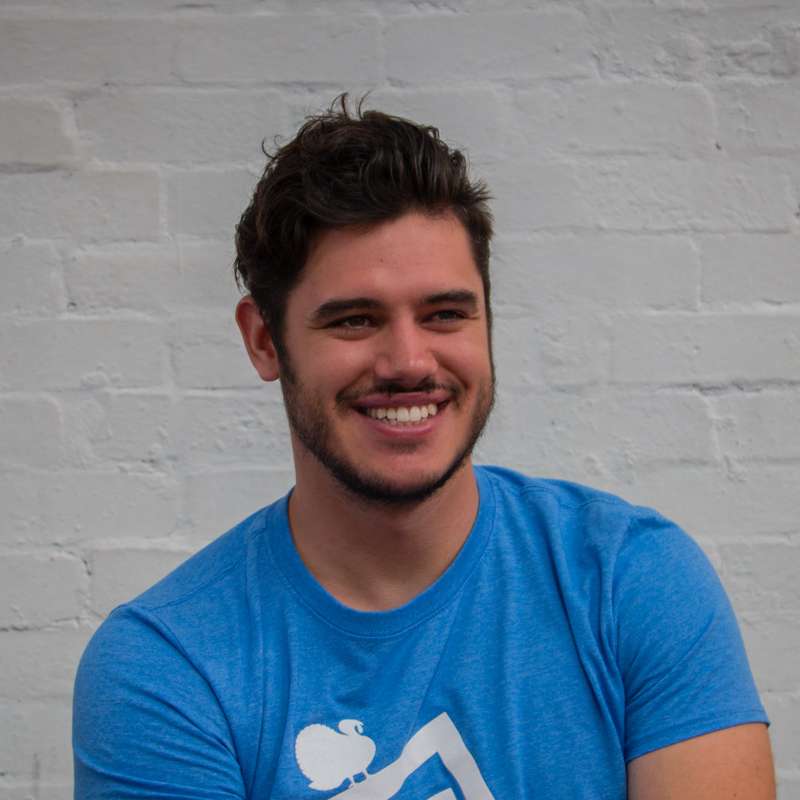
 Kyle Wood
Here we go. Oh yeah, no countdown. Hi there. That didn't
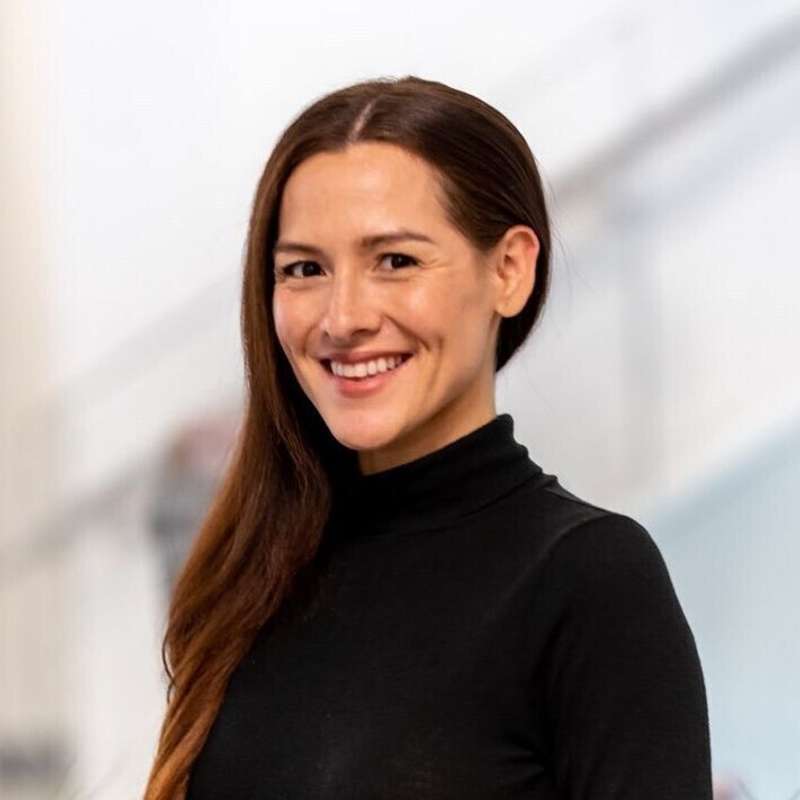 Brandi Healy
You couldn't even take yourself, you couldn't even take yourself seriously.
Kyle WoodNo, it's true. Uh, hello there. Welcome back to Well Designed, a podcast about using human design in your life and business. How are you, Brandy?
Brandi HealyI'm good. How about yourself?
Kyle WoodYeah, I'm good. Uh,
Brandi Healyget that, you get your announcer voice out of your system?
Kyle Wooddid get my announcer voice out of my system. Alright, we can, that's alright, I can edit that out. Uh, so, today we're talking about Contradictions. I just had a brain fart on the word. Um, so yeah, today I was like, I know what we're talking about, but I can't remember the word. Uh, so yeah, so today we're talking about contradictions inside of human design.
Which, inevitably, once you start diving into your design and looking at different parts of it, you'll see how there's one part of it that says, you know, you're A, and then there's another part that says you're B, and it might feel like those two things. Mutually exclusive so that they can't both happen at the same time. So today, yeah, we just want to talk about that By sharing a bit about how the contradictions in our own designs and um, and how we navigate that Yeah,
Brandi Healyhear two things that are conflicting and be like, Oh, well this can't be helpful because these things are opposite. And this must not be true, but I think when you really understand, you know, that, um, not only in human design, but in life sometimes too, opposing things can both be held at the same time. Um, it can be really useful to understand what's going on. Um, and when to apply what, when, right.
Kyle Woodyeah because You know, I think One of the beneficial things about human design is that, is that aspect of like, permission. Because when you, we come into human design, you know, we come into life with like all kinds of stories about how things are and how things aren't.
And human design can be really helpful because it, It can help us see where maybe like we were telling a story about ourselves and even design can kind of like rewrite that story in a bit more of like a positive light or help us like let go of things that aren't serving us anymore when we realize that that's not really how our design is, is meant to work.
And in the same way, I think, yeah, this idea would like, like the word is the phrase, like false dichotomies, which is like, you know, it's, it's this way. Um, or this way and, and nothing in between, like a very black and white view of things. So part of when you find these things in your human design, it's another opportunity to see, yeah, that there is this like, there's this push and natural push and pull in life. Um, and things aren't always going to be one way they're going to change.
And so usually when we come across these, it's just showing us. Yeah, how with life things can change and um, and we're also changing constantly and evolving even like day to day Okay,
Brandi Healymy therapist prior to learning about human design. And so one of the tools that my therapist used in our work together is called dialectical behavioral therapy. Um, and it was developed, I know it's a mouthful, developed by this, um, therapist.
Her name is Marsha Linehan and, um, she's like actually like a Zen Buddhist master and has this like, Fascinating story of, you know, being a young woman, I believe it was like in the, you know, sixties and being, um, diagnosed with like borderline personality disorder. And like, it's this incredible story of how she like came out of being institutionalized, went on to get her degree, her doctorate, went on to become like this Zen Buddhist master and like develop the system that's based around.
To opposing thought being true and it's actually a type of behavioral therapy that's used a lot in Like 12 step programs or addiction therapy um, so Kind of when I came to human design and started noticing some of those You know opposing things It's something that had already been worked on Working with, so it felt really good. So if anybody's interested in learning more about that work, she has a fantastic book, um, called, uh, living a life worth leading a life worth living.
Um, and her name is Margo Linahan, but really incredible story. And I think, um, just so useful for all of us to remember. That those pieces of life, right?
Kyle Woodyeah, yeah, that's really interesting I think I might have to look up to that because I feel like yeah, I was definitely raised like You know, when one thing is, is the right thing and then had a complete crisis through my 20s of, um, of realizing perhaps that wasn't the case. And the more, you know, I developed that empathy muscle, the more that was sort of like cracked open. Uh,
Brandi HealyFor sure.
Kyle Woodwhen I'm like in my worst states of mental health. Is when I'm like really fixated on one thing
Brandi HealyGood, bad, black, white. I agree. Yeah, I can totally relate to that for sure. So should we just jump in?
Kyle WoodYeah, I feel like that's a really good yeah way to start it off because it's like Don't that I guess the message we're trying to share is like don't see This when it comes up in your design when something comes up in your design. Don't see it as As a bad thing in fact see it as as yeah, there's like another way of permission of two things being Um, true. So yeah, where, where, were you looking? What in your, because we're going to talk about our own designs.
Where were you looking in your design first?
Brandi HealyI mean, I think that like, you know, when we Always introduce human design. We always start off, start off with type and, you know, Kyle, we're both projectors. And so, you know, some, one of the things that I noticed just about being a projector, sometimes it can be, have its own dichotomy in and of itself without even looking at any other part of the chart, because as a projector, we're, we're meant to. You know, guide and lead others.
But at the same time, we're not able to do that unless there's an explicit
Kyle Woodha ha ha ha.
Brandi Healyenergetic invitation or, you know, explicit verbal invitation that is there so that we can ensure that our guidance is appreciated and received and. Sometimes that in and of itself is hard.
Kyle WoodYeah, absolutely. Um, yeah, like, so for you, is there an example that pops up? Um,
Brandi HealyOh my gosh, I mean, it's just like, this reoccurring theme, I think every projector can relate to this, of seeing how things can be fixed or made better, and saying it, and having it fall on full circle. Ears and, or, you know, and it just like not being well received and then just becoming super pissy and bitter about it. Like whether it's in the workplace Or you know giving advice to a friend or a family member where you're just like if you just did this Your problem would go away
Kyle Woodyeah, like, and especially I imagine with your fifth line, you know, really being able to see. And that people do actually come to you to have their problems fixed, but don't actually want to fix their problems. So you end up
Brandi HealyOh my gosh
Kyle Woodlike a dumping ground for people's problems. Yep,
Brandi Healyyou know People project that you can solve their problems But sometimes it's like not the problem that I want to fix and I'm like, you actually have this whole other problem. Let me help you solve that. And they're like, no, but like, it's like, you know, like a great example of that would be, you know, a single person talking about dating. Right. And they're like, you know, I'm actually having a problem.
With this person that, you know, I I'm dating and I'm like, actually, that's not your problem. Your real problem is like your relationship to yourself. Let's talk about that. And they're like, no, how about we focus on that person instead? So that's, that's one that I, I, Like I said, out of the gate is like one of the easiest ones. Is that something that you can relate to as well?
Kyle Woodyeah, absolutely. Um, uh, again, when I was looking at my design for things, uh, like I also have. This channel, the 2551, which is the channel of initiation, but I'm a projector.
Brandi HealyYep.
Kyle WoodSo here I am here to like initiate things and yet, which is like a very manifestor thing and yet, I'm a projector, so I'm waiting for like the invitation. So that's been interesting too. And so to look at like, I guess the wisdom that's come out of that. It's like Inside those circles where I have been invited in, that is where I'm here to then initiate things.
Like Zoe said to me the other day, she's like, You do realize that if it was up to me, we wouldn't even have a social life because you're the one who's always organizing dinners and stuff like that. And working that stuff out with other people. Uh, and it's true. And, but it's inside of that circle of people who there is already like an invitation from, and when I, I think, yeah, in the past, before I discovered human design, I would try and. Then be like, Oh, well that worked there.
So I can just go into this like other group of people or this other situation and bring that same thing with me. And then would, yeah, get frustrated and bitter when like that wouldn't work. Um, so that's where we can see those, yeah, two different parts of my design that, that they actually do work together while initially they seem to be saying the opposite or different things. Yeah,
Brandi Healyyou know, kind of jumping to like having a fifth line, you know, fifth line, like I said, that's like, if you have a five in your profile, you're meant to be a problem solver. But oftentimes people project what that problem is to solve. And so then it's about using my authority to then decide, is that a problem I want to solve? Is that something I'm excited to solve? And, and leaning into that part instead of just being like, Oh, I'm a projector.
It feels really good to be recognized that I have the ability to solve this problem. Um, and then if I'm not waiting for clarity, really leveraging my authority, I could end up saying yes to something because it feels good as a projector. But that in the end will feel really draining to me because it's not actually something. you know, I feel excited to do. Is there any, I feel like your whole profile is like a contradiction in itself. So like, let's just cut to the chase. Let's just cut to the
Kyle WoodYeah.
Brandi Healylike,
Kyle WoodAnd this would be a good one because, you know, there's, there is quite a few people out there with the. The two, four profile, like myself, um, so we did the episode on profiles, but the two is the hermit and the four is, well, the opportunist, I call it like the connector. So one is very like inwards focus, the hermit, which is all about like bring your own, like spending time with yourself and really letting your like innate genius shine. So it's, it is kind of like.
The mad scientist, in a way, like, sort of working away in a cave by themselves. then there's the other side of that, which is the four, which is very, like, outwards, which is very, like, around, about being around people and your, um, you know, friendship network and your business network and things like that. Um, And both of these have the ability to, like, bring me a lot of energy, and both of these have the ability to drain me of a lot of energy.
the, it has, it was great to learn this, because I feel like I spent large chunks of time trying to just be one or the other, and then not understanding why that only worked for a little bit, or didn't work. And really, it's like this thing of And it's like, it's not forcing changing myself back, but it's really allowing myself and noticing which, which way I'm in. And like last week was a hard week because last week I was really hermiting. I really wanted to be in that second line.
And, um, our eldest had the week off school. And. You know, we had like, I had been like plan stuff and we had like stuff on, and I just, I just was not coping like about half, half of the week. I just was not coping at all. Um, and then, and then, cause I had also planned to take the week off work to line up with her break, but those, Weeks that I'm hermiting can be like fantastic weeks to just like go in and work and just like create things and get things done.
So yeah, so yeah, that was a real struggle. Whereas other weeks I've got planned to work, but I'm really feeling my fourth line and wanting to like connect with people and be around people and, um, have impromptu cups of coffee and impromptu dinners and stuff like that. Um, but then again, like I can reach my point with that where suddenly I start getting really exhausted. I start again not coping, I'm unable to, which for me is like I'm unable to start making decisions basically. Um, and
Brandi HealyYou're just flooded.
Kyle Woodyeah, yeah. So it's like, and then that's usually a sign of like needing to go to the other way, but it's really tricky because, um,
Brandi HealyIt's a very fine balance, right? It's like, it's, you know, the, the saying that the straw that broke the camel's back. It's like, it's literally like one piece of straw that like flips over the table. And I think there's a lot of similarities in that 2 4 line as there is for both of us being projectors and having collaborative definitions.
Kyle WoodYeah, I made a note with that as well. Hahaha.
Brandi HealyYeah, so it's like,
Kyle Woodthat profile, yeah.
Brandi Healyyou know, like as projectors, like we value alone time, we need time downtime to rest and to be in our own energy and like connect back to ourselves. But having a collaborative definition and remember like our definition is how we process. And it's a tool that when we're stuck, if we can really lean into our definition, it can really help. Get things moving again.
And for people with a collaborative definition, we can really find, you know, um, shifts in our energy when we connect, we found wholeness through connection with others, but at the same time we crave rest and time to ourselves. So it can be very tricky of when Is too much connection, or when is it too much alone time?
Kyle WoodYeah. Yep. Yeah I think for any non sacral with that, um, and even for sacral beings with that, cause there's, I know people who are quite sacral who still need that alone time as well. So yeah, so I think that that is the big thing of it is it's a you know, we like to slap the label of like introverted and extroverted on people.
And I always liked the introverted label more, but for myself, but now I don't know how, I think initially that can be really helpful when you identify as introverted and you're like, I've been living in this world of like extroverts and And now I understand why I'm struggling. But I think it is more nuanced than that.
And then, so then they created like ambivert and it's like, well, what's the point of having these things if there's one that's both, but yeah, I really like human designs way of like looking at with definition and with your profiles and stuff like that, because it, yeah, it's, it's got to be more color to it. Then again, like we're talking about like, Oh, I'm introverted or I'm extroverted. Cause for
Brandi Healyhad someone once, like, I had someone once explain it to me as, you know, an introvert is somebody that gets drained by spending time with people. An extrovert is somebody that needs energy spending time with people. And then I'm like, but what
Kyle Woodha
Brandi Healyright? Like. Yeah. Yeah.
Kyle Woodpeople. Yeah. And then, and then it, so for me, it just depends. Like if I'm in my hermit phase, being around people drains me. If I'm in my connector phase, being around people gives me energy. The good thing is, at least with these, is that I've noticed they like tend to last like a few weeks each way. So there's like enough time to like recalibrate. Uh, but yeah, then it's like really hard when you, when you end up with a week that, um, so I, so this is still something I'm working out.
I need to work out how to like, how do I still honor my hermit in a really busy week? Um, and then how do I honor like my connector when, um, I've got a week where, like, maybe I just need to be spending a lot of time on myself to, like, get things done. Um, so, yeah.
Brandi HealyWell, I think that even, you know, and this is something, you know, again, both of us have this next one that I'm kind of looking at that's similar around having energy, but also needing rest. So it's like you and I, again, both have open sacral centers or undefined sacral centers. And then we both have motor centers that are defined. So, you know, motor centers are centers that like we generate energy for.
And if you have them defined in your chart, you know, you kind of have a. Additional energy to burn. So the major one that most people that we have talked about in conversation is that sacral center that, you know, really defines whether you're a generator manifesting generator or a non sacred type projector manifestor or reflector. However, for projectors and manifestors, sometimes we have other motor centers that are shaded in.
So, you know, I have the emotional center and I have the, um, ego defined and you have the ego defined as well. And so it's like, you know, we have that energy and that drive in our chart, but also need rest.
Kyle WoodYep. Yeah, whereas, like, if we had that sake rule, it would probably be a little bit clearer because basically as long as We're staying on something that we feel lit up and excited about. We can just like, keep going and it's healthy for us to like, keep going all the way till we we flop into bed. Um, yeah, this one's the, the thing that came up for me around this was that I also have another channel off my ego center, which is like the channel of marketing around this.
So it's like, in terms of running a business, you know, I can put a lot of energy into something and selling things in a way that feels very natural, but only if my, my heart's in it. Otherwise it's like, nope. And so most people will see that channel of marketing. They're like, Oh yes, I want that. Cause you know, I struggle so much to sell things. Uh, but it's like, that's got these two sides to it as well, where it doesn't mean I'm just good at selling anything.
Like in fact, the opposite I'm, if something feels like if my heart's not in it, I have like a visceral. Like, I can't sell it. Like,
Brandi HealyLike repulsion towards it?
Kyle Woodyeah, yeah, yeah. Like I used to work in, um, in an, in an AV store. So like selling TVs and things like that and people would come in and in general, they wanted to buy the biggest TV possible for the cheapest price. Like, especially when
Brandi HealyRight.
Kyle Woodevents run, because especially men, Wanted to have a bigger tv than their mates had Um, because their mates were coming over and they can then show on this giant
Brandi HealyWhat do you think that's about?
Kyle WoodLet's dive
Brandi HealyMine's bigger than yours.
Kyle Woodso yeah, so
Brandi HealyThat's another, a whole other episode.
Kyle WoodAnd but and I I hate it like it was it was an easy sale right because they're coming in They're pretty much they're gonna buy something And I just struggled so much to sell them these like really cheap low quality You TVs where, like, to me, the picture looked terrible and, um, and, you know, this, of course, makes me a terrible salesman, right? Because I'm not, I'm not serving the customer. But for me, it was like, look, buy this
Brandi Healyare, though,
Kyle Woodbit
Brandi Healyin a different way. Like,
Kyle WoodIt will last you a lot longer. So you won't need to be like upgrading it so soon, uh, or replacing it. Um, you know, it comes with a big warranty, so you don't have to like, you know, pay extra for the, and yeah. So if, you know, if I had just been out, I'd just be like, all right, I'll just sell you whatever. But because, um, my heart wasn't in it. Yeah, I spent my whole time trying to talk him into, like, a different TV. Uh, and that was probably really annoying for them.
Brandi Healyyou know what? But you know what, I bet you, you had a lower instances of returns.
Kyle Woodtrue. Yeah, I didn't get, yeah. Yeah, that's true. Yeah.
Brandi HealyI'm like coming from somebody that is lead salespeople. I'm like, I'm like, you have low returns. So you're better on the, on the bottom line, sir. That's
Kyle WoodYeah, so That That uh, yeah, that's then another like dichotomy in my design
Brandi HealyThe moral of the story is buy a TV from Kyle. He wants to hear you out.
Kyle Woodno, there's too many there's too many different things with tvs now all these new technologies and letters and things Um, was there anything else on like on your chart that was like that stood out
Brandi HealyYou know, I think that one of the things that I looked at was a lot of the gates that I have defined in my. In my brain, in my emotions, in my head, you know, those are all places where we have, we hold fears. Right. And so when I look at the fears that those gates are, some of them are pretty contradictory to parts of my chart, parts of my design. So, you know, like one of the major ones that I looked at was.
Um, having a fear of authority, and so this one's really funny because it's like, you know, as projectors, like you're kind of meant to naturally lean into, um, positions of leadership. And so, you know, like sometimes having a fear of challenging authority can come up when you're in a leadership role.
Kyle WoodMm
Brandi Healyor like, you know, you have to challenge authority sometimes, like when you're in a leadership role, when you're guiding others, you're responsible for a group of other people. And so at times it leads you having to butt up against something. And, you know, when that shows up, it's like, I'm meant to, like, guide people forward and not let a fear of doing what's best for them by challenging like a system or a process that's already in place.
And so that is 1 that I have found many times in my career to, like, know what the right course of action is, but to have that fear of. That challenge of
Kyle WoodMm
Brandi Healyor a process and it's reminding myself, like, that's not the place I meant to make my decision from. I meant to use my authority and wait to wait for that emotional clarity to come to choose to move forward. So, usually it's like, when that fear is coming up, it's like. You're not the boss of me. Thanks. Thanks for showing up, but you're, you know, you're not here to be in charge. Um, so that was one. And then, you know, another gate that I have in my chart actually carry this whole channel.
So like gate 17 is, solutions and what can come with that is like a fear that like my opinions will be challenged and it's like I meant to share my opinions, I meant to share my insights or like a fear that I don't like have the facts to like back my shit up and One of the parts of, like, the other number I have in my profile is a three, and being a three, you're meant to be an experience, an experimenter, you're meant to learn by doing, you're meant to, your process, our process is trial and
error. And so, it's like reminding myself that, like, the fact that I need to back myself up is my experience.
Kyle WoodMm hmm. Yeah. What the um, What's that saying? You know, the cave you fear to enter holds the treasure you seek? So that's, that's a good one for, um, for you.
Brandi HealyYeah, that is a good one for me.
Kyle WoodYeah, that's tough
Brandi HealyAnd yeah, the only, or the only way out is through, right?
Kyle Woodyeah, yeah, the fear gate, these, yeah, gates around your fears, they can be very, like, noisy. So, um, that's, and when I have the mindfulness to notice it, It's like, oh, the noise when it's, when my mind is being very noisy, that's a sign not to listen to it because it is probably just like fear speaking.
Brandi HealyYeah. Like, and you know, and those are just two. I have quite a few. How about you? What are some other things that like, you've noticed?
Kyle WoodI thought about the, um, the variables, which we haven't really talked about, but like on your chart, there's, um, arrows near your head. There's two on the left and two on the right. Uh, and then in generally speaking, if your arrows are mostly pointing right, then you're sort of a bit more go with the flow type personally, and that's how you operate best. But if your arrows are kind of mostly pointing left, then a bit more rigidity and like structure is helpful.
But then, for me, so for some people, so for people where they're all or most of them are pointing one way, then, you know, you're as good as sweet. But for a lot of us, we've got half pointing one way and half, half, are pointing the other way.
Brandi HealyOh yeah.
Kyle WoodAnd it's like, uh, how does this work? So, like, for me, like, the two on the, on the left are pointing left and the two on the right are pointing right. Um, So that's been interesting one too, to then like dive into each of those and yeah, find those nuances of like, okay, so in these areas, it's helpful for me to have this structure and in these areas it's helpful for me to have a bit more like go with the flow.
Brandi Healyflow.
Kyle WoodYeah.
Brandi HealyYeah. And, and, you know, that's something that you and I have in common in terms of like, for example, like our bottom left arrow is pointing left. And that one typically goes towards like movement of your body. And so when it's like pointing left, like you mentioned, We like a little bit more structure in our movement, but at the same time, we're both projectors, and we both have open root centers.
So it's like, value things that are slow, or you know, like rest and ease, and you know, low stress, but it's like, we also like, need to move
Kyle WoodYeah, yeah, yeah. Yeah, the um, and especially having like, because then I've got the splenic as well, and so I have even had like, people say, and you know, that's the thing when you're not looking at someone's specific chart, you can end up giving sort of these general advice that, ah, you know, you should just move your body when you feel like, when you get the intuitive hit to do so.
And it's like, no, I will tell you how many times I'll move my body, then zero, I will lay on the couch and eat chips. Uh,
Brandi HealyYes.
Kyle Woodso yeah, so I need to have like a workout program that I'm working through, but I am much better these days at modifying that workout to meet my needs of the day, which I think, so there's that nuance. Um,
Brandi Healythe way that I kind of manage that for myself is like, I know that I need to move, but what that movement looks like might differ. And it's like, as long as I do something. So sometimes that might be like something, like something that's like really strength based and like crazy sweaty, but like. Most of the time, it's something, like, way more gentle and, like, relaxing and, like, nourishing to my nervous system.
And I have found that to be far more sustainable, not only on my body, but, like, emotionally as well. Um, and I think it also has just, like, made me appreciate that like movement doesn't always have to be like no pain, no gain.
Kyle Woodyeah. Oh, yeah, totally. Yeah, that's, that's uh, I hate when I see, like, slogans like that on, like, gym walls and stuff like that. It's the reason I, like, can't be on Instagram anymore because I follow too many, like, fitness people and Yeah.
Brandi Healywhat the mute button was for.
Kyle WoodThat's what the delete app button is for.
Brandi HealyYeah, I know.
Kyle WoodUh, so, um, you know, I mean, this is, I hadn't intended to mention this, but this is the to toot our own horns a bit. Like this is where if you're going through this human design stuff, like having a proper rating can be really helpful because.
Like, that's what Brandy and I are trained to do, to look at your chart as a whole, and extract, you know, the information that's like, helpful for you out of that, um, versus, yeah, you absolutely can do it and learn it yourself, um, but you might just find that you're hitting these bits where you're like, well, but wait, that doesn't make sense because these bits don't work.
Brandi HealyYeah. And it's so useful when you're able to have a conversation with somebody and not only just discuss how it shows up on your chart and say, Oh, these are how these two, these nuanced pieces work together. It's actually about. What does your life look like? And let's talk about how that shows up in your life, which I think is like, that's really the unlock.
Kyle WoodYeah, yeah.
Brandi HealySure. It's how it shows up in your chart, but like more important, like, what does it look like when I'm walking around in the world? Every day.
Kyle WoodYeah, absolutely, yeah, being able to
Brandi HealyCause those conversations are easier to have, right? When we're sitting here looking at a camera on our computer and like, we have to take those lessons out into like the rest of our day
Kyle Woodmm hmm, yes, alright, well, we might wrap it up there, um, and if you would like to book a reading with Brandy or I, I'll include um, notes, uh, in the show notes, so you can just expand that below on, on how you can get in touch with one of us, or both of us, um, as we Have talked about doing dual readings as well. So that'd be that'd be fun All right anything else to add brandy
Brandi Healynow, but I'm really excited to continue having more conversations, you know, in the future about kind of how we're navigating our own designs and like how it shows up in our life.
Kyle WoodYeah, I think yeah, we were talking about that just before the podcast before we hit record that that would be a fun thing to do and I think Yeah, I always find that helpful like It's like okay. Well, great. You give me all this information. That's good. But how are you actually? Implementing it it's always like really helpful Cool.
Brandi HealyYeah, good stuff. All right. Well, we'll talk soon.
Kyle Woodeveryone.