



¶ Intro / Opening
Another informational resource from UK Healthcare.
🎵 Music
Featuring conversation.
Here's Melanie.
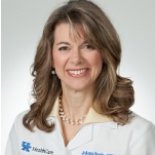
When you find out you're pregnant, it's such an exciting time, but you want to start looking for a practitioner to care for you during pregnancy, the birth of your baby, and beyond. Many people know what an obstetrician gynecologist is, but not everyone knows what a midwife does. And here to tell us about midwifery is Joanne Burris. She's a certified nurse midwife with UK Healthcare. Joanne,
¶ Defining Midwifery And Its Services
Briefly explain for us what a midwife is. What are some of the hallmarks of midwifery?
Well, a midwife is a nurse who has returned to graduate school and um taken a national board certifying that she is a an advanced practiced registered nurse. a certified nurse, midwife, and um he or she are educated in the two disciplines of midwifery and nursing.
What are some of the services that you provide?
Uh people might be surprised to learn that midwives provide primary health care services for w for women from adolescents beyond menopause. They include primary care gynecologic and family planning services, preconception care, care during pregnancy, childbirth and postpartum, and then the care of even newborns for the first twenty eight days of life. At UK we tend to leave that to the specialists with the pediatricians, but uh that is included in our training.
How is delivering a baby and being pregnant, seeing a midwife different than it is with a physician and can you prescribe prescriptions for things?
Excellent question. We definitely can prescribe prescriptions and Midwives who have been in training for over a year can also prescribe controlled substances. Some differences that women may uh appreciate when seeing a midwife include a little bit longer appointments. We really tried to focus on a woman holistically, so not just her pregnancy, but kind of who she is, what her goals are, and we really work hard to meet her where she is.
Now that goes um I should also say that there are many, many physicians who do the same thing. One of the hallmarks of midwifery is that we practice um no intervention in the absence of complications. So we see pregnancy and birth as a very normal, healthy thing um that happens in the lifespan of a woman and we like to treat women that way.
of course if they have complications or issues that arise Uh we have been highly trained to be able to in to uh watch out for those and refer to a physician or bring a physician into uh her care whenever that is necessary.
¶ Debunking Common Midwifery Myths
Well, let's break up a few myths, Joanne, about midwives and first that people s think, you know, back in the day, hundreds and hundreds of years ago, midwives would only do home births. Is that still the case?
That is probably the number one myth uh nurse midwives. While nurse midwives do attend births in homes, only about four percent um attend births in homes. The other um ninety about ninety four percent of nurse midwives in the United States attend birth in hospitals. So uh that's a big a big myth if you think about ninety four percent of us um we are working in hospitals, the other two percent are attending births and birth centers.
Well another big myth that I think sometimes make women a little bit hesitant is that you can't have an epidural if you are working with a midwife or pain medication. So clear that one up for us.
And that is another uh pervasive myth and uh also um of course untrue. Women uh who are having who are birthing in a hospital have access to all the anesthesia care that a woman who's birthing with a physician has. So if they would like IV medication or if they would like an epidural, they definitely have access to that. What midwives want is to support a woman in birthing the way she wants to birth. So if an epidural is her desire, we support her a hundred percent in that.
um that method of of birthing is t is totally fine with us.
So that leads us to the next myth that midwives have their own agenda, like if you if you choose not to breastfeed or you want an epidural or any of these kinds of things. Do midwives try and convince you you said you work for what the woman wants. So clear up that one as well.
Sure. We really try to meet women where they are. And we have a heavy uh focus and emphasis on education. So we spend a lot of time in our appointments. educating them, making sure they're aware of the latest evidence based medicine. We give them all the information um that is available
and then work in partnership with them to make great decisions for their health. And so this isn't a situation where we're telling them exactly what they have to do or required to do. We like to work in partnership and make sure that they uh know, um are ha they're able to make very well informed choices and the choice is theirs ultimately.
What a great way of putting it. Really such an important point. And if somebody is told that they have a high risk pregnancy, can they still see a midwife?
the it depends on the risk. So s a uh woman who is older than the age thirty five is can s has a risk factor of um just her age alone. But if there are no other risk factors present, we certainly um that is in our scope of practice to be able to care for her. as women develop um additional risk factors, um
then we definitely will want to at least we collaborate with the physician in some cases that's appropriate. In other cases a complete transfer of care is more appo appropriate when the risk factors are more significant.
So again, that leads perfectly into the next question. If someone is already seeing a doctor, is it too late to consider a midwife or can they sort of see both if they want that extra care that you offer? But maybe they are a high risk or maybe they're a little older and concerned or they have some health concerns where they want a physician involved. Can they kind of use you both for the needs that they have?
At the UK Midwife Clinic we have the availability to do telemedicine with our high risk physicians are maternal fetal medicine physicians and so our patients can come for their regular prenatal appointments and then on a regular basis um speak with a physician in real time uh using telemedicine and get um recommendations and questions answered so that that collaboration is pretty seamless. Now
Like I said, there are times where telemedicine just isn't quite enough. We they need to be seeing a physician weekly or even multiple times a week. And when that is the case then that transfer of care happens. But we try best we can to work in partnership with not only the woman, but also physicians.
¶ Midwifery Emergency And Long-Term Care
And I'm sure a pot a pretty popular question women have is what if there's an emergency during birth? What if a cesarean section is required? What happens then? What's that like?
Uh
Uh UK uh birth center our our nurses, physicians, residents are highly trained to uh recognize and respond to emergencies and I think UK provides the best place if a if an emergency is going to happen We have wonderful team of neonatologists, physicians, all on and available twenty four seven to be able to handle those kind of critical situations and
Um, it really is very reassuring as a midwife, knowing that I am working um collaboratively in a team of of experts who are able to respond when uh when it's necessary for a woman and her baby.
And what about insurance? Do they recognize midwives, Joanne?
That's a great question. Actually, uh Medicaid is required nationally to um reimburse for midwives and we know that about fifty percent of births in the United States are um medic covered by Medicaid. Some insurances may m private insurances may be different, so it's important for women to check with their particular insurance before they uh make an appointment with a midwife. But most um all insurances w uh cover midwife.
So let's talk about beyond. You've helped this woman through her pregnancy and her delivery, and then you said you can care for a woman right in through menopause. What's that beyond look like as far as primary care?
So we have many women who have developed a very close relationship with us throughout their pregnancies and feel very comfortable in our clinic and with our staff and they choose to continue to see us. for their annual exams, their Pap smears, uh if they need sexually transmitted infection testing, if they are approaching menopause and are having um difficulties with imbalances of hormones, we can manage that.
All of those things are included in our scope of practice and because we work so hard with education and developing relationships with our patients, they feel very comfortable continuing to see us for whether it's a strep throat or uh they need hormone replacement or just an annual exam, they um really enjoy coming back to us for that care.
What a lovely model of care that you work in, Joanne. Wrap it up for us with what you want listeners to know about what you do for a living that they may not know about you. So cle you know, wrap it up for us.
¶ The Empowering Philosophy Of Midwifery
Nurse midwives have a deep belief in the basic human rights of all people, especially women, especially because women um tend to bear the burden of risk when these risks are violated and that's coming directly from the philosophy care philosophy of care from the American College of Nurse Midwives or the A CNM.
We honor women, our goal is to uplift and empower women and we want to feel like they have an active role, an active responsibility in their health care. And we feel like that uh impact can uh move beyond not just them, but to their families, to their um friends, people around them, and really empower women to make great choices in other areas of their life as well.
Thank you so much, Joanne, for being on with us today, for sharing your expertise and clearing up some of these myths that surround midwives. You're listening to UK Healthcast with the University of Kentucky Healthcare. For more information, you can go to uk healthcare dot uky.edu. That's uk healthcare.uky.edu. I'm Melanie Cole. Thanks so much for tuning in.