


¶ Intro / Opening
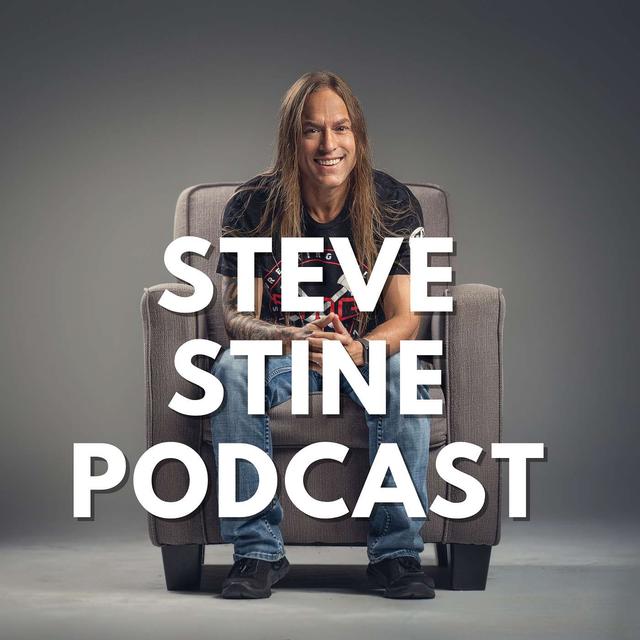
Hey , steve Stine from Guitar Zoom Academy . Here and today we're going to be talking about how to practice when you have no time or any motivation . Okay , so let's just take an example here . Let's say you said to me look , I only have 10 minutes today to practice .
Okay , sometimes that can be this all-or-nothing attitude that we get where , well , unless I can practice three hours a day , I'm just not even going to pick up the guitar , and that's a really , really bad way of approaching this .
If you only have 10 minutes today , or 30 minutes today , or whatever it might be , the most important thing is making sure that you spend
¶ Introduction: Practice with limited time
that time wisely . You can make good time effective time , I should say , or effective practice out of that 10 minutes or out of that 15 minutes that you might have . You just have to have the right mindset and understand what is it that you need to focus on most .
What I usually try and tell people is , if you have a minimal amount of time in a day to practice , okay , saturday you're going to have two hours to practice , but today is Friday , it's a busy day , you don't have a lot of time . You've only got 10 or 15 minutes . So let's be smart about what we're going to work on that day .
So , for instance , if I only have 10 or 15 minutes , I'm probably not going to start something new right ? Or go into a topic of practice that's going to require more time than 10 or 15 minutes .
Okay , I might just try and hit the rudiments , and that's often what I will tell people is on the days when you have less time , focus on fundamentals , focus on rudiments that you know you need to do .
And think of it this way If you were told by your doctor that you should run two miles a day , okay , for whatever reason , you need to maintain this level of health for yourself , and so you need to eat less red meat and you need to practice , or you need to run two miles a day or something like that .
Okay , so in order to maintain , you need to do that two miles a day and then eat less red meat , or whatever it might be . So on Saturday , maybe you decide you want to run three miles because you have extra time and you enjoy
¶ Focus on fundamentals when time is short
running , right , if you hate it , you're probably not going to do it , and let's hope you don't hate guitar playing . So if you decide you want to run three miles that day because you have more time and you want to elevate . You don't just want to maintain , but you actually want to elevate .
So on the days when you have more time , you want to run a little bit longer and your doctor's like that's okay , you should do that , that's beneficial for you . Okay , so on the 10 minute days in our example , we're running those two miles .
Okay , we're not necessarily getting faster or running longer , but we're maintaining because the only other option is is that we don't run two miles a day and then , unfortunately , we don't have a heart attack or whatever . It might be something terrible . Right , like the doctor said , we need to be doing this and we don't do that .
So that's how I think about fundamental or rudimentary practice . When you have minimal amount of time , do focus , practice , turn off the TV , don't be on your phone , all these kind of things . Even if you only have 10 minutes , spend it with a quality routine
¶ Daily maintenance vs. growth practice
. That will get you some sort of maintenance , right , if that makes sense . So you know , for me it would be like my legato warmups . That's something that I would do every day in my picking Okay , alternate picking , that sort of thing . There's just a basic routine that I run through all the time .
It's not that I'm necessarily going to get faster or stronger because of that , but at the very least I'm certainly not going to slip backwards , and that's very important . And then , on the days when I do have more time , now I can make some choices on well , I'm going to do my routine .
Obviously I'm going to do that because I always do this , because that's my maintenance .
But then I'm going to do this and I'm going to work on this , I'm going to work on this right , and some days I'm going to do my routine and then I'm just going to my routine and then I'm just going to dive into songwriting or dive into improvisation , or it's a really great technique day .
So I'm diving into technique and I'm going to do that for a long time . These are all choices that I can make . So it's easier when you have more time , but when you have less time , you have to really start making some some you know conscious decisions on what to do with that time , versus I just don't have enough time , so I'm not going to pick it up .
That's a bad way of looking at it . Okay , now , if it's something that's very casual maybe the TV is on it .
Maybe you're just running through some you know scratching or something like that If you've heard me talk about that sort of thing , which we do all of that in the academy as well but maybe you're doing something like that , or maybe you're doing a finger picking thing , or maybe you're running through an exercise , or you know a lift , a riff that you're learning
for a song or you know whatever it might be , and that's fine , there's nothing wrong with that . But the most important thing is is that you're grabbing that guitar every day and and and maintaining that friendship with that guitar .
Right , you have the guitar somewhere where , just every single day , you tell yourself I need to practice on the days that I eat , and so you pick up that guitar , even if it's only five or 10
¶ Breaking up practice throughout the day
minutes . Okay , some people practice five or 10 minutes throughout the day , so they might grab it right before . You know . Grab the pick up the guitar right before work or something and just warm up a little bit , or before school or whatever it might be .
And then , after you get home , you know you play a little bit and do whatever hang out with the family , whatever it might be and then in the evening you grab the guitar again and play a little bit . So maybe you're only getting five or 10 minutes throughout the day , but maybe each one of those you're focusing on something a little bit different .
In the morning you were just doing some legato warmups , and then you know when you got home you know the first thing you do is you do some scale or some . You know technique things with um , you know picking and whatever it might be .
And then maybe in the afternoon or in the evening when you grab the guitar , the third time you know maybe that's when you're trying to work on some sort of song thing or whatever it might be . And you know none of these are long periods of time , but you're still getting regular practice , intervals of practice throughout the day , which is great .
So some people are really good with a two hour practice . Some people are really good with just , you know , a few 20 minutes here and there , that that kind of work . And then you know when Saturday comes along and you've got more time , maybe that's when you hit it .
The other thing I'll remind you too that I think is really important is motivation and the way you're feeling that day . So when I was younger I used to have kind of a routine that I had set up on a daily basis of I was going to do this for 20 minutes and then this for 20 minutes and this for , you know , 30 minutes and all that sort of thing .
And again , if that works for you , I think that's great and it certainly worked for me for a while . But what I started recognizing is that it's almost easier for me to go with the way I'm feeling that day . I'm not making choices based on being lazy , I'm making choices based on the productivity of that day and how I feel . So if I feel on fire for
¶ Following motivation for effective practice
technique that day , I don't shut down my technique because I'm supposed to go do creative practice or something like that . I don't shut down my technique because I'm supposed to go do , you know , creative practice or something like that . I don't shut it down , I go .
And if I'm having a more creative day and you know the creative juices are flown and I'm feeling really good about my practice , I don't shut that down just because I'm supposed to go practice technique Now , I don't do that . The difference here is I'm not avoiding one or the other because I don't want to do it .
The difference here is is that I'm I'm on a roll that day , I'm feeling good about something and I want to keep working through this experience that I'm having that day , and so you know that , to me , can be very motivating versus forcing myself to do something on a day when it's just not really working for me . All right .
So remember , if you're interested , do me a favor , check out the Guitar Zoom Academy . Learn what it's about , see if it's something that might work for you . You know we work personally with each and every student on a daily basis . You know setting up a practice plan for you , keeping you accountable , assessment time , or you play for me , you , me .
You grab your guitar , we get together , we talk about what you're doing , what's working , what's not working , and we do this again . It's not a 30-minute lesson or something like that a week . We do this on a daily basis , so you know exactly what you're supposed to be doing , you know exactly how to do it , and when you
¶ Guitar Zoom Academy introduction
feel like you're a little stuck , you just have a conversation that day and then get right back to work . It's an amazing thing .