



Hello, welcome back. I'm Jennifer Thompson. And I'm Chad Thompson. And this is season seven of the Premise of the Premise, where we get to the story behind the storyteller. We've got some amazing authors lined up for you this season. And guess what? The San Diego Writers Festival is coming up in just a couple months, folks. It's March 28th at the Coronado Public Library. It's free to everyone, and this year's keynote is Jodi Picolt. So make sure and mark your calendars. We'll see
you there. And for the premise, we've just got an amazing lineup of people who are gonna talk about storytelling and writing and publishing and just, you know, and cars and cars and pasta. So stay tuned and be sure to subscribe wherever you get your podcasts.
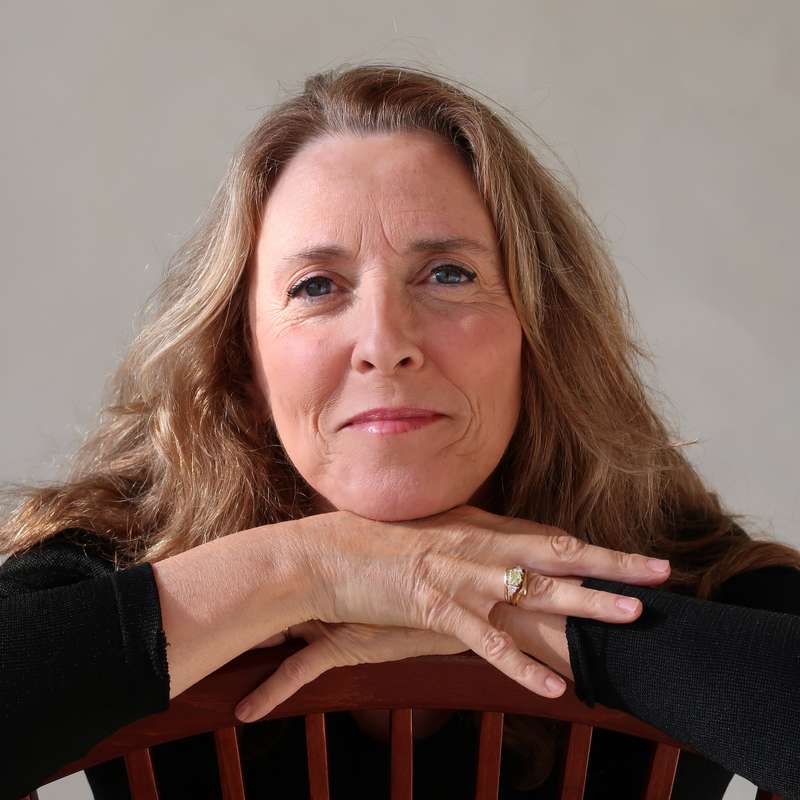 Caitlin Rother
Italian Cars, Italian Pasta.
New York Times best selling author Ken Caitlin Rother has written or Co authored 16 books, the latest of which is Hooked, which I have just read and we're going to talk about today. This is the first in Rother's new Katrina and Good thriller series. Her other recent titles are down to the bone, about the McStay family murders, the updated edition of Body Parts about serial killer Wayne Adam Ford, and Death on Ocean Boulevard, about the
mysterious death of Rebecca Zaha. Rother, who worked as an investigative newspaper reporter for 19 years before quitting the news biz to write books full time, has appeared more than 250 times on TV, radio shows and podcasts. She also works as a book coach, enjoys ocean swimming and plays keyboards and sings in a jazzy, bluesy trio. Caitlin, welcome to the premise.
Caitlin RotherThanks so much for having me.
Yeah, I'm really excited to dive into this book Hooked. there are so many topics. I don't imagine we'll get to all of them, but let's start with this. Tell us about Hooked. What is this book about?
Caitlin RotherWell, I have so many different sub themes that I can talk about. it's really difficult for me to boil it down, but I know you're supposed to have an elevator pitch, but you know, basically the. It's the first book in the series. so it launches with hooked on February 1st. And it's basically a book about ethics, corruption, suicide, murder, addiction, and the way that materialism is not everything. It seems wealthy people behaving
badly. And one thing that I really think is important is I kind of wrote it to be historical fiction. And given what we're going through today with all of these accusations about fake news and reporters being attacked constantly, and also journalism really taking a dive in terms of quality. Just a lot of it has to do with how the industry has shrunk so much. layoffs, mergers, buyouts. so many people have left the business that it's just a tiny version of itself. So I
wanted to pay an. An homage to the way it used to be. So the book is set in 2015, when reporters were trusted to tell the truth, and you wanted them to tell the truth, and people were actually able to accept the truth for truth. And journalism was not about misinformation and disinformation
and partisan ideology and law enforcement. We expected them to protect us, and we called them, knowing they would come and hopefully do the right thing and follow the law, as opposed to some of what we're seeing on the streets today, where people fear them. So I just felt like this was a good time to go back and celebrate. It wasn't that long ago. It was only 10 years ago, but, so much has changed. And so these are good characters. Ken Good, the surfing homicide detective, and Katrina
Chopin, who is the investigative reporter. Katrina lives her life by ethics and integrity. And so when she meets Ken Goode at Piarti, which is my favorite Italian restaurant in La Jolla, at the bar, you know, she. They immediately hit it off. But he gets called out. You know, a couple dead bodies. He's got to go. And she goes, oh, you're a homicide detective? And he says, yeah. And then he doesn't know she's a reporter until he sees her
the next morning at the news conference. And he says, you're a reporter because, you know, detectives and reporters can't date each other when they're, you know, working on the same case. It's an eth. Big line that you're not allowed to cross. So that's a huge theme in the whole series about how they can't be together. But there's this sexual tension and professional competition. So it's, you know, you always say that you can't have
a story without conflict. Well, this has conflict on so many levels that hopefully that keeps the suspense level high.
100%. Yeah. I loved the, you know, as you say, the underlying sexual tension. So really, we've got romance and we've got the typical thriller. And I gotta go back to your comment, though, because I went to journalism school myself, and I can just remember being 19 years old and seeing Diane Sawyer doing undercover reporting. And I was so moved and so inspired. That's what I wanted to do with my life. You know, I wanted to do something good in the world. And m, to me, the only way to
do that was really through journalism. And reading your book just brought me back to that feeling. It stirred within me, that feeling of like, I want to do good in the world.
Caitlin RotherYeah.
And it's scary. It's scary to see what's happening in journalism and that people don't believe what they see. you know, Chad calls it a post truth society, and that's. That's scary stuff.
Caitlin RotherWell, and I went into journalism, you know, with these ideals about right and wrong. And, you know, I've always had that. Apparently. My mom told me that I've always been like that since my personality was formed, I guess, when I was a child. And it just stayed that way. So I've always been a rule follower and, you know, so I just wanted to expose wrongdoing and I wanted to expose negligence and incompetence. So I covered a lot of
government. So people always think because I was a true crime author, that I was a police reporter and I really wasn't. I covered government, the city hall and politics. And I covered, a lot of political races. So I was an investigative reporter, but my area generally was in politics. And then they also had me do high profile, quick front page profiles on newsmakers. And those were always, like super complicated stories where I had to cram in all this research, and then get it done
in, you know, three days time. And. Yeah, so. And, and make people upset. A lot of people would get upset and scared when I would call, so.
I bet. Yeah, yeah, absolutely. Well, it's a fantastic book and.
Caitlin RotherWell, thank you.
Yeah, well, thank. And I gotta say, you know, Katrina, she's so meticulous. And the tension also of her, you know, just this crazy day running around making these phone calls, trying to find as much information and as many facts as she can so she can tell the story well. And then, oh, by the way, you've got three hours to write it. We have a deadline today.
Caitlin RotherYou know, always, always. That was my life, which is stressful.
But I guess it's, you know, a form of, you know, adrenaline. That's pretty exciting too.
Caitlin Rotherwell, and not all reporters are capable of that. Not all reporters are investigative reporters. So when you, when you say investigative reporter, and I was interviewed by another podcaster who was mentioning an author who was a TV reporter and talking about being an investigative reporter. But the scene that he was relaying was basically on the spot, breaking news at a crime scene, not the
same thing. So Investigative reporter means you love paper, you love documents, you love going through the court files, you love when somebody hands you a stack of manila folders with a bunch of old dusty papers in it and you go, oh, that's exciting. And you find all kinds of great nuggets and you weave them all the way into your stories. And you know, it's, it's exciting and you want to share it with people. And that's why I loved what
I did. And that's why I loved being an author even more, because I had way more room and space to put all those little facts right.
Well, I was just going to ask you, when did you decide you were going to write like full length novels? True crime? Not novels. True crime, nonfiction.
Caitlin RotherLike, thank you for making that distinction because a lot of people don't seem to understand that there's no such thing as a true crime novel. Yeah, there's no. Often say that makes me crazy. So when I was, I have been writing fiction for a lot of my life. when I was just, starting out as a cub reporter, I was back in Massachusetts. And just like Katrina, she worked in Northampton, Massachusetts. Gee, guess what? So did I,
Write what you know. Write what you know.
Caitlin RotherYeah, yeah. Well, I thought, you know, what the heck, right? So I was, hired as a part time reporter at the Springfield Union News. because they had this whole exploitative system where you had full time reporters and you had a whole bunch of part timers who worked full time gigs but didn't get health benefits. So that was really a lot of fun. So I would work a full time schedule and I would write these long investigative stories and that's eventually how I got hired. But,
basically I wouldn't start work. My shift didn't start till 3 o' clock because those were the days when we would cover a lot of meetings. Because in Massachusetts we would cover towns or cities. And so they're like their own little government. They don't have really a county government there. They have state government and they have local government. And so I would cover, you know, a city
and cover everything in it. Right. And so, it was just, I had all this time on my hands, so I would go get my coffee in the morning and I would start, you know, I would write stories, short stories, and I was trying to get published short stories first. And then eventually once I got hired full time, I still wanted to keep it up. So I started doing writing workshops and I would produce these
little germs. So they did trigger exercise and we'd all write for, you know, 15, 20 minutes, and then if you wanted to, you would read it aloud. Well, I did that for a year and I produced a bunch of these little germs that I then put into my first novel, which is actually the prequel to this series. It's called Naked Addiction. And it, and it features the same detective, Ken Good, but not Katrina Chopin, because she's part of the new
series. So there's, you know, a lot of backstory stuff, but that's basically how I started, was writing this novel and I just couldn't get it published. So 17 years I was going to writing conferences, I was meeting editors, I was looking for agents. I just couldn't get published. Because your first book and trying to get a novel published, that's pretty hard. So I thought, well, okay, I'm a newspaper reporter, I'm a professional writer. Why don't I try nonfiction? And so, yeah.
So, there was a court case, the Kristin Rossum case. I don't know if you remember that one here in San Diego. The beautiful toxicologist who worked at the medical examiner's office who stole, fentanyl from the lab. And this was. Fentanyl was not available like it is now. It was basically very controlled. You'd get it at a hospital, you could get it at the ME's toxicology lab, but you
couldn't get it on the street. So she basically poisoned her husband with these, fentanyl patches or a little vial of fentanyl citrate, which is like enough in a sweet and low packet would kill 10 people. That's how strong it is. So she somehow poisoned him. And then she told this whole story about how he had sedated himself because he was depressed she was leaving him. And then he sprinkled red rose petals over himself, you know,
in this dramatic gesture. So anyway, turns out she was convicted and they found all this fentanyl in his system. And, that was my first court case that I covered from beginning to end. And then that was my first book is called Poisoned Love, based on that. And I was like, it took off and it was huge. And so it's my best selling book to date, as a matter of fact still. So that's how I got started, was in true crime because I couldn't get my novel published. And once I did get it published, 17
years it took to get it published. I just didn't really know what I was doing. So it basically I needed to do all the research that I did when I wrote 12 true crime books of interviewing detectives and reading investigative reports and following a case from the beginning to the end and going to the trials and interviewing people and reading the detectives witness interviews and listening to audio of them interviewing. So I know
how the detectives think, I know how they talk. I know about their interaction, you know, with these witnesses and in what order they do these investigations, what the protocols are. And now I know all that stuff. And so now it comes naturally to my characters. It didn't before. So I feel like my dream was to write crime fiction, not to write true crime. It's just that the way it played out was just the realities of the business and I just didn't know. I, didn't know. I didn't know what I
didn't know, you know. And so now I know it.
I love that you share this story that you're telling us in your author's note and your acknowledgments of the book. Because it's so interesting, you know, you read a book and you think, wow, it's so perfect. It came together that way, right? Oh, hell no. Oh, hell no. And you mentioned Michael Connelly had, a tip for you when you first wrote this book and you were getting rejections, right?
Caitlin RotherSo people say, oh, you know Michael Connelly? Well, no, it's not like we're best friends or anything, but he, My boyfriend when I worked at the LA Times was his former editor.
Oh, nice.
Caitlin RotherSo they were friends. And so like, you know, we all went to a YouTube concert together. You know, they stayed friends. And so years later, you know, I'm right trying to write this. I'm trying to get Naked Addiction published. I still can't get it published, so I'm getting Poison Love published. And I sent him an email and I said, hey, would you be willing to do a blurb for me on this book, Poison Love? He goes, don't you have a novel you're working on? I go, yeah, but I don't have a
contract or anything. He goes, well, why don't I read that? Maybe it'll help. Maybe it'll help you get published. And I was like, okay, I guess. He goes, I only do one blurb per author, per lifetime. So it was a risk because if he didn't like it, then I would have wasted my one chance at a Michael Connelly blurb. So anyway, he read the manuscript and as I said in the acknowledgments, I was perfectly honest. He said, look, the one thing you do really well is character. And that's not
something you can learn. That's just natural to you. Or you either know how to do that or you don't. But what you don't seem, you know, what you don't really know how to do as well is police procedure. And because that's what I'm known for, I can't really give you a blurb with the title of the book in it, because people would expect you to meet a certain standard. And to be honest, your procedural stuff is kind of amateurish. And I was
like, okay. And he goes, and by the way, I knew too early it was too obvious who the killer was. So, anyway, I basically revamped my story and layered in some stuff and made somebody else the killer based on his critique, which was so nice of him to do. And he said, oh, I'm so relieved that you're open to this. Like, he was worried that I was going to be upset. I'm like, oh, my God. Critique from Michael Connelly. God, please bring it on.
Amazing.
Caitlin RotherSo, yeah, so then I was able to sell the book, but then I couldn't sell the sequel, which was hooked in its original form. And I went through three ages before I finally found one who was willing to even send it out again. I had to rewrite it multiple times. I started it over in a fresh file, in fact, because my. One of my editors, one of my agents was like, well, there's too much telling and not enough showing. And I know you have the chops to do this, so just open a new file and
start over. I'm like, okay, great.
I can't imagine.
Caitlin RotherSo, anyway, 17 years later, here's Hooked.
Worth the wait. I mean, well, and you say, like, learning how to tell, think, and talk was so integral. At what point did you know you needed to add in another protagonist, a female?
Caitlin RotherI always had another one. And I think the funny thing is that I don't think that the agents who read it early on, they were ready for that, because detective novels were just one detective period. Right. You didn't have to. But then I think on tv, you know, they started having, like, that stupid show, I'm Sorry, Castle, which I just think is kind of lame, because the reporter's lame and the detective seems kind of lame, but that's kind of one of those couples where. Where you have
a reporter, and it's so unbelievable. It just is silly to me.
So I'm just watching it then. Yeah. Yeah. We won't even go there. Yeah.
Caitlin RotherI mean, I just happened to see it on tv. But I'm just using that as an example because it's a reporter and a police detective. So, But the idea of that I had from the very beginning, I thought to myself, well, okay, I think Patricia Cornwell had a problem early on as well that she needed to do a female character. And I thought that's what I wanted to do too. But I really wanted to keep Ken good. So I wanted to have them both be primary.
I'm going to have them have the book really be based on the chemistry and the conflict between them. And that would be what the book, the dynamic of the book. So it would be the premise and the dynamic, and then, you know, make the plot, weave the plot, make that about a whole bunch of other things. And that's what I did. And I honestly think that the. The first. The agents that I had who passed on this were men. I really feel like
women, seem much more excited about this book. I mean, men like it too, but I have found that the women seem to really like it and are more willing to take a chance. And then everybody seems to like it now. But I'm just saying, early on, they just didn't seem like, oh, the two protagonists thing. Oh, no, I don't really know about that. You know, it's like, come on.
Yeah.
Caitlin RotherSo I think it was just. Maybe it was before it's time and now it's.
I don't know that's entirely possible.
Caitlin RotherI mean, I love their.
Dang. Their dynamic. Like the sexual tension and the chemistry is so alive. And that's another thing you mentioned in your author note, which I hate to give it away because the author's note and the acknowledgments is sort of like dessert to me. Like, that's the last thing.
Caitlin RotherAnd they're at the end of the book for a reason. Exactly. So no spoilers.
No spoilers. But, you know, there are people gave you critiques that you fixed. I mean, you absolutely nailed it. And this book is.
Caitlin RotherThank you.
Is alive. I want to talk about the details in your writing, which I'm sure are directly related to you as an investigative reporter. You know, it's clear that you are a meticulous investigative reporter, which is why you've been so successful. And, you know, it's just makes our female protagonist just come alive. Like she's almost solving the case for Ken.
Caitlin RotherRight.
But of course, there's back and forth they're helping each other through, you know, throughout the book. But she must have been so much fun to write. And so I just gotta ask you now, did she come easy or did she evolve over time?
Caitlin RotherShe evolved over time. And Ken Good has evolved over time too. So remember way back when, when I wrote Naked Addiction? Honestly, it took 17 years to get that book published. And it's taken 17 years now to get this book published. So when I first started writing Ken Good, I was in my 30s. The characters are in their 30s now. I think I was. I'm still the same person, but I don't approach sex in my mind the same way. I don't
about sex the same way. So that was a little bit of a challenge, to be honest, that I had to put myself back into the mindset of somebody who was 35 years old. Right. And he's 37. But, so. And then the other issue was when I first wrote her, my. My agent who originally told me to, you know, open a clean file, who didn't really get the
premise, didn't appreciate the premise. I told him about this sex drug that I made up, which basically is supposed to make you feel that infatuation and that attraction that you feel really, really early on. And it's supposed to just perpetuate that for as long as you're taking the drug. So that if you're in a long term relationship, it's supposed to reinvigorate that feeling, that, that sexual attraction and that
infatuation. And it's all dopamine, right? So it's all about dopamine and that burst and that reward and all of that. He just was like, oh, that sounds exhausting. And I'm like, oh my God, he's totally missing the point.
Totally.
Caitlin RotherYeah. Ah, you know, so I mean, I didn't have a cheerleader to start with. And he said, and by the way, this isn't. You don't try to make her. You, make her somebody else. And so I actually originally had her be a lot more sexual. But I also figured that just the way society is and women are so judgmental of other women that I wanted readers to accept her. So I kind of played that down. So I want her to be sexual because this is a book about a, you know, sex drug. Honestly,
that's one of the themes, right? And the corruption is. Well, the company that is developing this sex drug, somebody involved in the company wants to get the FDA to, expedite the approval, which they don't do unless it's an emergency COVID vaccine or something. Right? This is a sex drug, is not an Emergency. So anyway, I.
That's how you say.
Caitlin RotherI had to play with her a little bit. And then. And then Ken Good was much more, I think, kind of. He seemed like, to me, the way I remember, he was kind of more frustrated and distrusting and, a little more angry in Naked Addiction, because it's about, you know, it opens with him on the Coronado Bridge, remembering when his mother drove him there when he was six years old and got out of the car, put her high heels on the driver's seat, gave him a melancholy smile, went behind the car and
climbed over the railing and jumped off. So suicide is part of. Is one of the sub threads in this series. and it's not in every book, but there are. There are. That's a theme. And addiction is as well. and mental illness and all that sort of fun stuff, which are also themes that I am drawn to in my nonfiction.
Yeah.
Caitlin RotherSo anyway, I made her. I kind of shaped them both based on who I am now, but trying to remember who I used to be and trying to give her some of my stories and give them both parts of me, but I had to. That was a little bit of a challenge since so much time has passed to try to write younger characters. But I went through a lot of stuff when I was young with the dating world and all that nonsense. So, that's still pretty burned into my brain.
I mean, you. You have experience with suicide in your personal life?
Caitlin RotherYes, I do. My. My late husband killed himself. So, Yeah, I know a lot about it. So. And how it sort of, kind of sticks with me. And I wrote about it before he killed himself too. So, I mean, it's kind of always been there.
Interesting.
Caitlin RotherI don't know why, but it's just one of those things.
Well, you are a crime writer and.
Caitlin RotherBut I think there's a reason why I became a crime writer. Right. I mean, you know.
So when you were a little girl, did you watch the news or were you interested?
Caitlin RotherNo, not at all.
Okay.
Caitlin RotherMy, My parents had the LA Times in the house, and I read the comics, and that was pretty much m. Maybe the horoscope. I don't know.
Where did you grow up?
Caitlin Rotherwell, I went to, We moved to San Diego when I was, in the first grade. We went to three. I went to three different elementary schools in San Diego, and then we moved to La Jolla when I was in the summer before seventh grade. So I went to junior high and high school in La Jolla, went to UCSD for a couple quarters, transferred to Berkeley, and then I moved, did my master's at Medill outside of Chicago, and then I moved to the east coast to work. And then I made my way back to San Diego and
here you are. Oh, wait, I'm sorry. I came back to Ventura county and LA and then San Diego. So I've been all over. And so, so, you know, a lot of experience in the news business and a lot of living in different places.
And in a lot of ways, I think one of the things I enjoyed most about reading this book was just this beautiful romp through San Diego and La Jolla in particular.
Caitlin RotherOh, good, thanks.
And it was so much fun to know exactly where we are in town, you know, where the scene is, like right down to the street. But what really impressed me with how you, you give. You, you did this really well. Anyone not familiar with San Diego, you gave them history and details that bring our city to life without it seeming odd. And you don't usually see that in fiction. You see it in reporting for sure. But you managed to marry those two in a really seamless way that, I really
enjoyed. And I'm sure anyone who doesn't live here with love as well. No. Did you realize you were doing that?
Caitlin RotherOh, of course, yes.
Yes, of course you did.
Caitlin RotherOf course. I mean, I really think it's important to ground the reader so you know what you're looking at, you know where you are, you know what you see, you know what you smell and hear and feel. And, Wind and Sea, where Ken Good is kind of his second home. He's like a homing pigeon. he'll leave and he'll come back to Wind and Sea and just look at the water and connect with the water and go put his foot in the water. And he's a surfer, so he loves the ocean. And that's something that
I've always had in me. So I gave it to my character. And Wind and Sea basically has served that same purpose for me. I'm just not a surfer. I'm a swimmer. I don't swim down there because the waves are really rough and they're for surfing. So I swam a lot of years at La Jolla Cove until I got too smelly with the sea lions. And so now I swim at La Jolla shore. So.
Yeah, yeah, yeah. Boy, it is smelly down there too, which is such a shame.
Caitlin RotherYes.
So one thing I'd like to point out, that you don't actually use the word fuck. In this novel, they don't really swear and it was right. And you don't even really realize it's happening. So tell us about this decision to not use that word in the book.
Caitlin RotherSo in my, true crime books, most of my, books are published by Kensington, which is now putting out books through their imprint, Citadel. my editor basically said to me, if, you know, don't use that word because we're not going to be able to get your books into Walmart. They have some sort of, I don't know, some software or something maybe that searches your book and they don't want that for
their people, like, okay, whatever. So I started using asterisks, even for shift, you know, and so, and the copy editor would put the word in and I'd be like, well, you know, my editor doesn't want that in there. And she's like, really? Why? And so, because this is how they talk. This is how reporters and this is how, detectives talk. They, they use that word a lot. You know, they, they use
the word fuck a lot. So. And honestly, I do too. I don't do it in front of people, probably because I don't want to be seen as a foul mouth, you know, sailor, but whatever. But I wanted it to be real, so I used the word effing. so they're so cussing. It's just not going to offend anybody because I've seen other authors posting their reviews and there are people out there who get really, really offended and will refuse to buy the book. They'll
give you a bad review. They'll give you like a one or two star review because you're using expletives. And I thought, you know, why make an issue when there doesn't need to be? I mean, I'll just use effing or frickin. And so I'm still using the word, but it's in a way that won't offend people. And that was my, my, that was my thought on that.
And it works.
Caitlin RotherI'm glad, I'm glad because I mean I, I did make a decision on that. I, every once in a while I think I might use it. If it's, if it's really necessary, I'll use it because it's a strong word and it does need to be used sometimes. And when you're exclaiming something and you're really mad or you're pissed off or you hurt yourself, I mean, I'm going to use that word. I'm not going to Say effing. You know, I don't say effing unless I'm trying not to offend somebody. Sure, I tried. Or I
don't use it at all. You know, sometimes what I'll do is I'll actually take the word out of the sentence entirely and see how it reads. And if I don't need it, I'll take it out entirely and not even use effing. Because the more you use expletives, even if you're not using the real word. I just think it's lazy, you know?
Well, sure.
Caitlin RotherLike, comedy can be lazy when people cuss too much, I think.
Totally. I totally agree with that. I remember one of the first times I swore in front of a really good friend of mine. We'd been hanging out for years, and one day we were sitting in a bar having a drink, and she said, oh, my God, I've never heard you come us. And I said, well, that's because Penelope's always with us. And, you know, Penelope was a child. She was like, oh, there's a time and a place. But those words do. I'm, fond of them, you know.
Caitlin RotherIn the right moment. In the right moment. In the right moment. And with. With someone that you feel safe with. That's very true.
That's very true. Caitlin, do you write every day?
Caitlin RotherI go through phases, and, the. My main frustration is my body. My body does not want me to write every day and does not want me to write as much as I want to write. So, I. You know, I worked for 20 years as a reporter, and I typed a huge amount. So I put a lot of strain on my body with adrenaline and deadlines and typing. I used to type my interviews, which was extra typing on top of writing my story. I would type all my interviews, and I typed very fast. Wow. So I would write as
fast as people were talking. Like, I was. Was a transcriber, which was dumb. So I basically overused my body over time, and I have very small bones, and I don't have a lot of muscle tissue. And so I end up using my tendons too much, and I have developed problems in my neck. And over time, I've had periods where I've had to write an entire book using voice activated software because I have, just overtaxed my body too much. It just gives out. So I can't write every day, and I can't
write as many hours a day as I have in me. So I have to pace myself. Nonetheless, I have I am like, up to what, almost 60,000 words on a book that I started on December 13th. So I think that's kind of a lot. I have weird standards, you know, of what is not enough a lot. Do you know what I mean? And that's. I've always been a workaholic. I just love to work. And you say, oh, 16 books. When do you have the time? Well, because that's all I do is work. I don't have a big social life. I
don't have a giant friend crowd. I don't drink really much anymore because of various health issues. So I don't go out that much. Anyway, I work because I enjoy working and I enjoy putting out books and I enjoy, positive feedback from people who enjoy my books. And so. That's pretty. And I play music, when I can, and that's what I do.
Yeah, I enjoy working.
Caitlin RotherI enjoy working. It's fun and it helps me escape all the nonsense out there. There's so much garbage happening right now that is so upsetting. If you let it bother you, I just start writing the story and I forget about it. Indeed. That's the fun part.
Absolutely. And you're a writing coach as well?
Caitlin RotherYeah, not as much anymore. I don't. You know, people don't seem to really know that I'm a coach these days, so I don't do that as much. but. But when I was teaching, I used to teach at UCSD Extension and San Diego Writers Inc. And my students would work with me after the class was over and I would get a lot of coaching clients that way. But, I mean, I still do it. If anybody wants to do a session, I'm happy to do that on the
phone. so I don't do that much of it because I'm also writing all the time these days.
Sure. Well.
Caitlin RotherBut yeah, I mean, if somebody wants a coaching session, I still do do it.
Well, they can find you on your website, which is.
Caitlin RotherThat's right.
Caitlinrother.com. so if someone did hire you, what kind of. Is there a specific genre, that you enjoy working on with clients?
Caitlin RotherWell, I, I really think I'm the best at doing front end developmental editing. So I prefer to talk through ideas with people and research. You know, research has always been really big for me because research, when you're doing nonfiction and true crime is just as important as the writing. Honestly, it's a separate skill. and people don't
know where to find information. And I've been trained in that and trained myself to do that for so many years that, you know, when I started out as a reporter, it just didn't occur to me that I could go to this place or that place to find this information or that information. I just didn't know. Well, you don't know until you learn, until you know where the things are. Right. So I help people with, how to research, where to research,
what to research. I try to steer people, you know, towards, you know, is this idea marketable or not? And if it isn't, how, what is it missing? so I, that's what I like to do the most. There are people who say, oh, can I send you, I wrote a book and I put it online and I'm like, well, why didn't you come to me before you put it online? You know, because then you read it and you're like, ay, ay,
yai. And then I worked with one woman and she basically realized she had to take it down and rewrite the whole thing because she didn't really know what she was doing. So people who put up books and they don't, you know, they're trying to put. Do a true crime book, but they don't know how to write narrative, they don't know how to write a scene. They don't know what a scene is, and they don't know how to make research into a scene. They
don't know any of that. It doesn't even occur to them because they've never learned a critical analysis of what makes a good book, you know, So I have to, That's basically what I start with. I say, hey, do you know how to write a scene? Let me teach you how to write a scene. Here are the elements. And so that's basically what I do.
Nice.
Caitlin RotherI mean, it depends on what they want too. Sometimes people just want to talk and talk through some ideas. I'm happy to do that too. And I'm happy to read and critique, you know, a chapter or whatever. If, if, then I can tell them what they're doing right and what they're not doing right and help them steer them on how to improve. Like this part here is what you want to do all the way through. You're just doing it in one paragraph. So do. Do that all the time. Stuff like that. More of that. Yeah.
I know that you are already working on the next books in the series. Can you tell us where you're at and when we can expect to get the next book?
Caitlin RotherYeah, the next book is called 17 Years. No, actually I'm much faster now. Like I said, I just wrote like 60,000 words in a month and a half. So I'm doing much, much better. So staged is the next book in the series and it is coming out in June, so it is available for pre order already.
Oh my gosh.
Caitlin RotherI've already written books three and four as well. So they are under submission with my editor.
Awesome.
Caitlin RotherAnd I hope to be. I hope to get some good news on at least book three. And then we're not sure whether she says that debut authors, often they like to end their series with three books. And no one told me that. And I wrote book four. So whether or not she decides she wants to publish it, I'm going to publish it no matter what because I really. It's where I feel the story should go.
Got it.
Caitlin RotherThat's with the story arc. And so the one I'm writing now was because until she decides whether she's gonna buy three and four, I needed something else to do. I already wrote those two books and I'm m not gonna sit on my thumb. So I started a new character and a new, plot. And I don't know if this is gonna be a recurring character or if this is going to be a standalone, but it, is going to be a female sheriff's detective this time because
we really don't have the way. If you look at the crime fiction world, there are authors who have kind of an area just like in true crime. We're kind of geographically oriented. So there really aren't that many crime writers in San Diego. And there, you know, some. So I said, hey, we don't have, a sheriff's detective character, female character. Nobody's writing that in San Diego. So that seems like a good idea in terms of the market. And also to do something different from
the existing series. I want to do something different, start a different series or start a, you know, just do a separate book. And so that's what I came up with. And I had an idea, that came to me when I was sitting at dinner in Coronado. So I decided that it would be. My brand is kind of Coronado and La Jolla. So it takes place in those two cities. And so that's where the characters are from. And I don't want to say too much more, but, I'm really enjoying writing this one and I'm, I
just. It's totally different. It's totally different.
I love it. Well, that's exciting. So we have a lot to look forward to from you. So thank you.
Caitlin RotherNo, thank you.
I have one more question before we close. A lot of our listeners are writers. M. And you know, we'd like to maybe end with some advice from you.
Caitlin RotherWell, I, have a friend who just hit the USA best selling author list with, with one of her recent books. And she goes 32 years to be an overnight success. And so that's kind of how I feel. Here I am, book number 16. Took me 17 years to get it published. Like I said, it was supposed to be part of a series. And the first book took 17 years to get published too. You know, you don't win if you
give up. You have to just keep going. And I think people either don't have the talent and give up or they don't stick with it long enough because this is the exception are the people who do well right away. I was really lucky with my very first book that got published, Poison. Love that it sold so well. I mean, it's over 100,000 copies. So I mean, for a first book, that was pretty amazing. And that was in the days when, print runs were. The first print run was 40,000 books.
Sure.
Caitlin RotherI mean, today I think it's like 3,000 books because it's just a different world. And so we have audiobooks now. We have Kindle, which we didn't really have, you know, back then. And if we did, they would put the ebook out like two years later, you know. So things have changed a lot. You have to really be able to reinvent yourself and you've got to really keep up with everything because the marketing and promotions are constantly changing. It takes so much of your
time. And if you aren't willing to do that part of it, you aren't going to sell books. So that's one of the toughest things. I remember when I would teach writing workshops, I would get some of these students who refused, like they didn't want to use their real name and they didn't want to sell books in a bookstore or hold any kind of public event because they were. They just didn't want to do that. They just didn't think they needed, needed to do that. And I'm like, well, you're not gonna
sell any books. You think the book is just gonna sell itself. You need to actually be out there and network and talk to people. And I'm not that great at that either, but I do get out there as much as I can.
So according to your bio, you've been on more than 250 podcasts, TV shows, and radio. I mean, that's pretty, right?
Caitlin RotherOh, I know. I'm fine with doing that stuff, but I'm the networking stuff with real people outside of my house. I don't seem to have a lot of time for that because I'm so busy working on something.
Yeah, well, you're a writer. I mean, that's.
Caitlin RotherI'm a writer. And so. And so, you know, I'm not as comfortable. And Covid really did a number on me in terms of my ability to, like, deal with other people. It just took me a long time to kind of reintegrate into society because, you know, all that time alone, it's just. It does a number on you. And then you're like, I don't remember how to talk to this person. What do I say? You know? Anyway, I'm doing much better. And I've been on a never ending book tour for the past year. This is
my third book book. and then I'm gonna have staged out in June, so I'm gonna have four books out in like 15 months.
Wow.
Caitlin RotherWhich is just. It's crazy though. I mean, I keep track of. I went for four years with no books, and then now I've got four books in 15 months. And. And the other thing is, you know, how many times are you gonna. Are people gonna come out for you and buy your book? You know, when you have them come out that close together? So it's been very exciting, but it's been tricky, you know? Know. So anyway, I'm not complaining. It's just. Yeah, it's just been. It's just, you know, these are the
things that you have to learn how to juggle. And so writing is not just sitting at your computer in your house by yourself. You got to do all this other stuff. And. Yeah, hopefully you get on tv and hopefully you get on podcasts, and hopefully people think you're interesting enough that they have you back when you have another book come out and, and you make contacts and don't give up, and you make jokes and you entertain and you tell a good story and that's. That's what you do.
Yeah. Yeah.
Caitlin RotherDo you sell books at your trio gigs? No, I do not. I don't. We don't play that often. And I, you know, I've thought about it, but I'm like, I don't know, it seems like. It seems like they're interested in hearing about it, but they're not there for that.
Sure.
Caitlin RotherAnd vice versa.
Yeah. Yeah.
Caitlin RotherLike I had a friend who's like, oh, you and Gaza is my partner. I play with as well. You guys should sing at your book signing at Barnes and Noble. I'm like, know. I don't think so.
Well, I don't know. I think that'd be kind of cool. I saw you sing in Nashville.
Caitlin RotherYeah, well.
Which was awesome.
Caitlin RotherOh, thank you. That was. That was fun. I mean, and I needed to do that, you know, I. And it was good for me. It was fun.
That was the killer, killer Nashville Writers Conference for our listeners. Well, Caitlin Rother, thank you so much for joining us here on the Premise today. We really appreciate.
Caitlin RotherWell, I really appreciate you having me on. It was fun.
Yeah. And I'm excited to read book. Well, I guess it's really book three, but we'll call it book two in the series.
Caitlin RotherWell, yeah, it's, book two. Got it. But yeah, I'm calling Naked Addiction the prequel. Got it.
Okay. Okay.
Caitlin RotherOkay. Yeah.
Well, folks, you can learn more about Caitlyn@ CaitlinRother.com subscribe to her substack Aur and be sure to follow her on BookBub, where you can find ebook discounts and other goodies. Follow her on Facebook, Facebook, Caitlin Rother, and Instagram at the real caitlinrother, all separated by underscores. This has been another episode of the Premise. You can visit us online@thepremisepod.com and subscribe and rate or review the Premise wherever
you get your podcasts. These reviews really help us get the word out about authors like Caitlin, and they help increase our subscriber base. Also, folks, be sure to mark your calendar. The seventh annual San Diego Writers Festival is happening on March 28 at the Coronado Public Library, and this year's keynote is Jodi Picolt. So that's going to be a fantastic day. Then again, that is on March 28th. You can follow me, your host, on Instagram Enfergrace or follow me on Facebook Enfer Thompson
Consulting. Until next time, thanks for listening. Goodbye, M. Goodbye.