



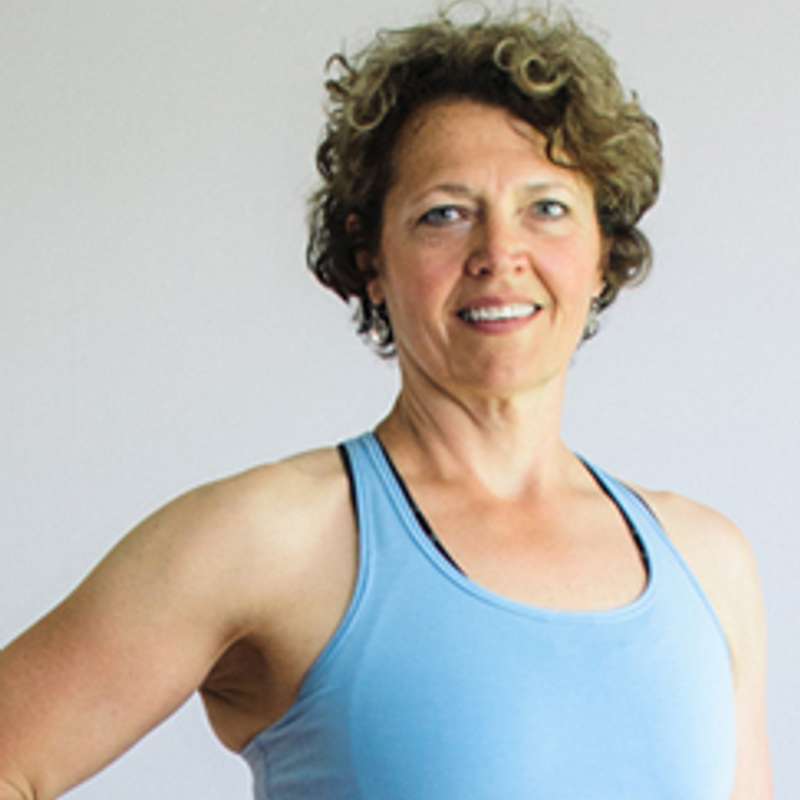
 Pam Strand
Welcome to the longevity gym. Hello, my name is Pam strand from your podcast host. This podcast is accumulation of my personal and professional experiences over the last 20 years. 20 years ago, I left my consulting career because I was tired. And I was tired of being tired. I was curious about how the body and the mind worked and how they worked together. I was also curious about what life could be like or would be like if you followed your dreams.
So off I went, I became a personal trainer and life coach. Working with people in their middle years, helping them get stronger and healthier. And along the way, I also explored my own life, not only how to be healthy and fit, but how to create a life that feels meaningful and satisfying. At 64, I'm still exploring and learning. Still helping people be stronger and healthier and still following my dreams.
I thank you for tuning in and listening to what I find fascinating and helpful about fitness, health, life, and being your best at any age. In today's episode, I want to have a conversation about stress. Stress levels in our country are on the rise. The statistics. I look at suggests that around 75% of Americans report being stressed and many of those report that it has a negative impact or has had a negative impact on their physical and mental health. For that reason alone.
It's an important conversation. But I also think it's an important conversation because many people will say they are not stressed. Because they're not worried about anything. Yeah. When they talk about what is going on in their lives and in their bodies, I can't help, but think, wow. That's a lot of stress on the body and its systems. I know I'm looking at their lives through my own lens. But what I see does inform my view.
I think stress is so normalized in our lives and has such a narrow definition. They're in missing many things that actually do put stress on our bodies. And therefore we are missing opportunities to relieve and manage that stress and have greater results in fitness, health, and life. This conversation is also personal. My studies. Studies in longevity and breath work have given me. A new lens with which to examine my own life. I see where stress has been at play.
That goes well beyond anything that I've been particularly worried about. And now that I can see it, I can't unsee it. I have found a much healthier foundation from which to live my life. A foundation that is no longer built on the mobilization of energy that stress produced in my body. And I'm working to support my body as best as I can by mitigating the stress that comes my way. And also by taking specific action to help my body heal from the stress it has experienced. And is. Is experiencing.
Persistent muscle knots intention. Joint aches and pains or vastly diminished. my body is more mobile and stronger. Even though I am working out less and stretching way less than I used to. I have more. Mental dexterity and flexibility. I retain new knowledge more easily. I'm calmer. Mentally. And even my voice is more relaxed and different. In tone, it's less tinny. And high pitched. My sleep is getting better and I'm more aware of what works for me and what does not. And more confident.
And comfortable. Stubble in Leaving behind that, which is not healthy for me. All of this has come. I believe from reducing stress. And building more practices that help me replenish and restore my energy. My journey is not over by any means. I still have a lot to do. It's like a puzzle. You keep finding new pieces. I'm figuring out where they fit in the bigger picture. And I'm not suggesting that my results are indicative of results that I might get by managing.
And controlling stress in your life. After all stress is unique to each individual. But what. What I am suggesting is that managed. Managing and controlling. Rolling your stress. And intentionally building recovery from stress into your lifestyle can be very important health and fitness strategies for you. For. When we learn to manage stress and create. Recovery in. And our bodies. We also open ourselves up to greater strength, health, and wellbeing.
Before I head into this conversation in any more detail. I want to note that what I am sharing is not medical advice. Nor is it diagnosis or treatment? It's certainly. Really not a substitute. For medical guidance. Guidance nor. Nora substitute. For what you know is healthy and safe for. You. Rather, what I'm sharing is information. How, about how we can better support our body systems in a way that creates more strength, health, and resilience.
I'd like to set the stage for This conversation by. By talking about the energy or the core energy store. Store that we have in our bodies. This is just a way I look at it, but I look at the core energy store as the energy that produces that is produced by our systems. That fuel or daily activities that help us manage challenges, ward off illness. Uh, work our way through diseases and repair. Where the body would need is such as when we. We have an injury. Some of this energy. Energy store.
Is esoteric. Like our thoughts and our beliefs or mindset, even our intuition. I call it esoteric because while we can sense it, it's difficult to touch it and measure it. But we know it's there and it's fueling our lives and giving us capacity to live. This core energy store is also, or can also be very tangible. We can touch. and measure it Like the strength of our muscles When we lift Heavy things Or our cardio.
Cardiovascular Capacity When we climb the stairs We'll go out for a long run Also So Parts of this store, at least how i lead might Not pay it. We need it Well, Our core energy about Our immune soft Bye Fighting toxins Ones That come into our body Body And repairing the bodies These tissues When they have been demand. Damaged It