



 Dr. JJ Thomas
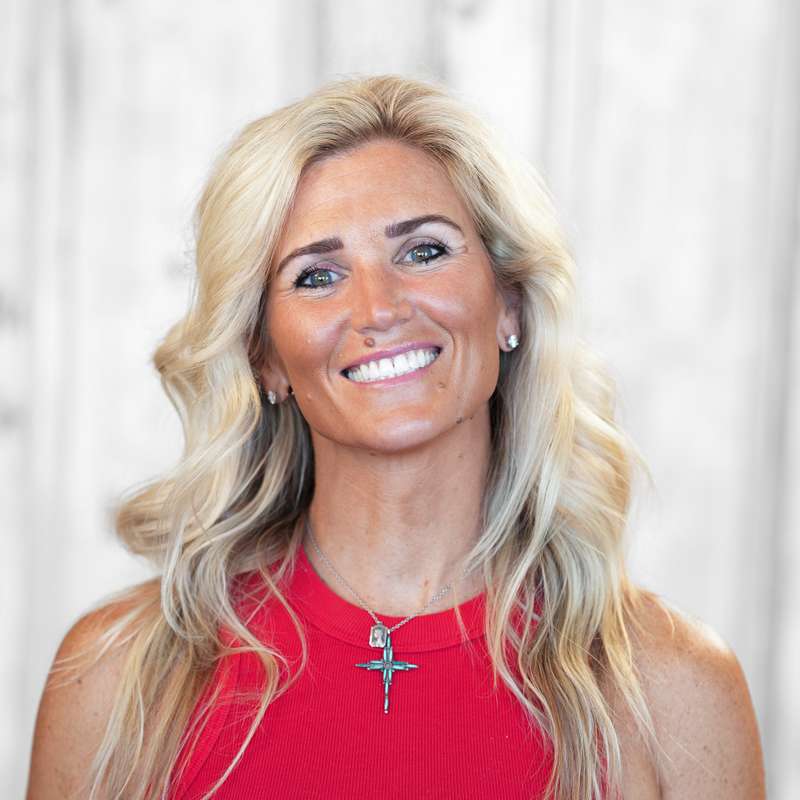
My friend, colleague, and rock star clinician, Chelsea Turgeon.
The brain and concussions are it's and a beautiful system in that it protects you. So it's gonna shut you down when you're feeling those symptoms. Just like a shoulder, there's many different injuries. Yeah. There's many types of concussions. So you wanna identify where they fall in that, and there's definitely risk factors for that. What a concussion is, is it's it's an energy a manageable, and you're going
Dr. JJ Thomasto recover.
It is manageable.
Dr. JJ ThomasRight? Yeah. It's manageable.
You're going
Dr. JJ Thomasto recover.
Do something you're
Dr. JJ Thomaspassionate and you'll find
success. And then you'll be surrounded by people who find success. And then you'll be surrounded by people who positively inspire you too because they also want the same thing.
Dr. JJ ThomasThing. What I see through your evaluations is that you you know, you're not just, as you said, giving this, like, very vague concussive protocol. It's a very specific you're identifying what they're I call them triggers to people that I'm Absolutely. That I'm saying, like and basically, what you're doing is identifying the the type of concussion they have.
Welcome to the doctor JJ Thomas podcast.
Dr. JJ ThomasHey, everybody. Welcome to the doctor JJ Thomas podcast. I'm JJ. I'm here today with my friend, colleague, and rock star clinician, Chelsea Turgeon. I always get nervous about your last name. You got it
right. Surgeon with a t, I say. It's a pleasure to be here.
Dr. JJ ThomasThanks, Jess.
Very happy.
Dr. JJ ThomasSo as a lot of you know who've been following along the way, we have all kinds of experts and, guests on our podcast from all over. And today, we didn't have to look very far, though. Our our expert is Chelsea, one of our very own therapists here. And the topic we're gonna talk about is concussions. Chelsea is a concussion specialist here at our facility in Bryn Mawr, and, she's she's she's humble. So I'll say when I say this, she'll get a little blushy, but I
was gonna say
Dr. JJ ThomasI'm blushy. Yeah. Yeah. She is, like, so incredible at her job, watching Chelsea work in our office over the last however many years. I mean, it's been on and off for, yeah, almost 3 years, has been really impressive for me.
I've always had a lot of respect for therapists that work with concussive athlete or athletes and patients with concussions, but seeing it real time for me has been really eye opening. It's probably what I wanna yeah. So I wanna share that with the world. So thank you for coming on
for that.
Dr. JJ ThomasA little bit, Chels, if you could just start tell the crowd a little bit about yourself, specifically, a little bit about your journey of of what sparked your interest in concussion therapy, concussion rehab. Awesome. Yeah.
Yeah. So growing up as an athlete was always, like, very interested on the on field, like, you know, the triaging and the examination and was just, you know, athletic sisters who saw a lot of sports injuries and things like that. So that's kinda what started, the journey of being, like, interested in, you know, sports injuries and concussions. And then had a concussion myself and then saw, like, my brother and cousins who underwent different management and treatment. So it just was sparked in how the variety and how it was managed and things like that.
Dr. JJ ThomasWhere were you in your athletic career when you had your concussion?
I was, younger, like adolescent. I was, playing indoor soccer.
Dr. JJ ThomasOkay.
Yeah. And got knocked into the the boards. Yeah. And then came out, felt funny, but went back in and kinda, like, dropped then. Like, I didn't lose consciousness, but, was definitely out of it.
Dr. JJ ThomasYour body was like, oh, yeah. This is a no go.
Yeah. And remember that moment, significantly, like, in my head of kind of what what happened there and what how did that get managed.
Dr. JJ ThomasI can imagine. For those of you that don't know Chelsea, I mean, I like, a lot of my guests, I don't know them that well, but I know Chelsea pretty well. And I can I can see you, like, knowing you, you're Chelsea is one of those, athletes and people that is very determined? And, like, I can just see that's probably it's probably one of the first moments in your life where you couldn't quote push through something.
Right. Absolutely.
Dr. JJ ThomasI think we see that in a lot of our athletes. Right? Like, they're like a lot of our athletes that come to us for different injuries, they're so used to pushing through things.
And when they doing that next set and being able to get through that. But, you know, the brain and concussions are are it's in a beautiful system and that it protects you. Yeah. So it's gonna shut you down when you're feeling those symptoms. And then I went to Lynchburg College, and I feel like in my neuro class, I thought it was gonna be very much ortho.
But during my neuro class and vestibular class, like, it really ignited something in me. I think it is similar to what how we treat here, but what I was so interested was that the body is a system Yeah. And how it is all related and how it relates to those orthopedic injuries on a neuromuscular like system. So, then I did my research project actually in concussion.
Dr. JJ ThomasOh, I didn't know that.
Yeah. So that was like my final project. Did it with my neuro professor, and we just looked at it was a systematic review of kind of what's out there. So it's interesting just like going you know, all the research now and back then, 11 years ago, there's there were a lot of gaps. So from 2,000 into now, there's, like, huge infanment in the research and kind of just what's how the treatment and management is Yeah. Going forward.
Dr. JJ ThomasI know. I feel like even though I'm not a concussion specialist, I've seen that even in just the small bits that I know. I mean, like, when I first started becoming more aware of the of the impact that a concussion has Right. Not just in the immediate, but, like, I was starting to see athletes who were, having ACL injuries. You and I have talked about this a lot.
And and I think even before the literature started coming out, I started seeing a trend where I'm like, I think, you know, post concussive event potentially puts these athletes at greater risk for higher incidence of lower extremity injuries. So low you know, for the non clinicians watching, like, your chances of getting injured even in the legs is potentially higher if you haven't fully recovered from a concussive event.
Absolutely.
Dr. JJ ThomasAnd, but my but my original point was just that watching how then having you come on board and watching you deal with the management of it. As I said earlier, it was eye opening in the sense that there's so many things you do. So I would love to see, I would love to hear a little bit more about the details. Anything you can share with us on how you've seen the management, both the evaluation and management of concussions change over the last 10 to 11 years since you've been practicing?
Yeah. Absolutely. So I think, kind of what has advanced is just kind of the knowledge that a concussion, like, isn't a homeogeneous event. Like, just like a shoulder, there's many different injuries. There's many types of concussions.
Sure. So there's cognitive fatigue. There's ocular issues with ocular teaming, and that's kinda like how your eyes move. There's vestibular issues and that's like your head movements and being able to maintain gaze with head movements and balance. So and that's the vestibular system is a big system in that it goes peripherally to the central system.
So we're talking a little bit more with concussions centrally, but there can be peripheral issues from hitting your head. Got it. Yeah. And so and then, you know, there's also an a mood or anxiety concussion. There's a migraine concussion.
There's a a cervical concussion. So there's they're not, they're all interlocked. Right? So you can have 1 or you can have all 6, and the management of that is very different. So, and then just like getting people in in within those 7 days is a massive predictor of of better outcomes.
Dr. JJ ThomasSo cool. Yeah. Let's let's pause on the first concept that you said for a minute. Like, those 6 types, that's something that you did when you started working here, treating concussions here at our facility that I found really and in fact, you worked on my own son. Right.
Worked with my own son, and I think it that was, again, one of those moments where I was like, wow. You're so deliberate. I I think one of the things I harp in our courses, our primal Right. Course and all those things is always I do everything with intention. And what I see through your evaluations is that you, you know, you're not just, as you said, giving this, like, very vague concussive protocol. It's a very specific you're identifying what they're, I call them triggers
to people
Dr. JJ Thomasthat I'm Absolutely. What that I'm saying. Like and, basically, what you're doing is identifying the the type of concussion they have. Correct?
Absolutely. Yeah. So you wanna identify kind of where they fall in that, and there's definitely risk factors for that. If you're someone who has migraines, motion sickness, you're probably gonna go quicker into those types of concussions. So the the the history is really vital too.
Dr. JJ ThomasFrom that, like, bringing it back to what I saw you do with my son. My son's a wrestler. You guys have heard me talk about him on here. 2 of both my sons are wrestlers, but the one that Chelsea worked with is, he's 17 now. I think he was 15 when you worked with him.
He had a pretty, significant concussive event, but I think one of the things you picked up was it was during a wrestling match, and one of the things you picked up was, that for him changing levels was a was a trigger. And I was so cool to watch how you prescribed the home exercises for him specific to not just his trigger, but obviously as a wrestler level changing is like a ginormous part of Absolutely. Of succeeding in the task. So, so a lot of his exercises and home prescription was based on, teasing into those triggers in a way that he could succeed in, but, but also challenge it to the point that it would progress. Absolutely.
So And I think
and that's that's kinda how, things have, like, evolved over time. And, you know, like, there was a lot of prescription of just, like, sit in a dark room and rest. But what a concussion is is it's it's an energy crisis in the brain. So when you get hit in the head, like the the neurons stretch and the potassium comes into the extra cellular space. And during that time, you need there's a huge need for ATP and glycolysis.
Mhmm. And doctor Mickey Collins says something cool, but he says, like, that, concussion fights dirty, basically. So anything that you have that's weak in the system Yeah. That requires more energy is gonna decompensate.
Dr. JJ ThomasThat's brilliant.
If you have migraines or motion sickness, these require more energy.
Dr. JJ ThomasMhmm.
And that's where you're
Dr. JJ Thomasgonna get to the point. It's gonna hit you where you're already vulnerable.
So then yeah. So that energy crisis. So there there's no biomarker that says that you have a concussion. There's no, like, MRI that's gonna show because the cells don't die. They just are in demand for energy. And that energy crisis is what causes it. So with what you were saying and prescription, it's just like you have to find, alright, what system is decompensating? What pathway needs that, attention with treatment? And then you gotta train it.
Dr. JJ ThomasAnd then when you train it, you're basically nourishing giving healthy input. That's another thing. Like, we talk a lot about it here, but I don't think all you know, I don't think everyone's trained to think like that Right. In in terms of in our world at least. But it's like it's input output. And Exactly. And so whether we're doing an ankle rehab exercise, we're giving him input to to accept challenges in multidirection Right. Or it's a concussive
Right.
Dr. JJ ThomasExercise. Right?
Yeah. So I mean, getting in and seeing seeking treatment by a specialist, like, within those 7, you know, days is is a great predictor.
Dr. JJ ThomasAnd that makes sense to me why, because I think one of the hardest things for athletes is what you and I pegged on earlier when you were a young athlete and you tried to push through Right. And it just body your body shut you down.
Absolutely. And I
Dr. JJ Thomasthink I see that emotional side of a lot of our athletes. In fact, I think for many athletes, it prevents them from even seeking treatment. The fact that they number 1, they don't necessarily understand how we can treat the brain. Right. And number 2, there's that, I wanna call it a decline of confidence in their own body, in their own system because
Right.
Dr. JJ ThomasThey feel they've failed their bodies failed them because they couldn't push through this.
Yeah. And I think some huge points that I wanted to, like, bring to the table is just 1, it's a manageable, and you're going to recover.
Dr. JJ ThomasIt is manageable. Right?
Yeah. It's manageable. You're going to recover. You know, if you listen to those signs and symptoms, so signs are like loss of consciousness, symptoms are are dizziness and bogginess and things like that. If you listen to it, and you respect, then you will get better with treatment.
Mhmm. Some do resolve. You know, some kids are resilient and with coming out of the game, they feel okay. But, an interesting statistic is just, like, every minute that you stay in with an injury, it's, like, 7 to 8 days added on.
Dr. JJ ThomasAdded on to your recovery time if you stay in an additional minute. Absolutely. That's that's an incredible stat. Like
And that dizziness is, like, one of the biggest predictors for longer recovery. So you don't wanna stack symptoms. Yeah. Right? And it's about managing it and not stacking them up, and and that's the importance of recovery.
Dr. JJ ThomasAnd I think that's good. Like, I I know I've seen just through our work with, high school athletes and other athletes in the community that the awareness of concussive of of the importance of taking action with a concussion a concussive event has really has amplified, has ignited. Absolutely. But I think for kids to realize that piece of it that you just said, like, to empower them, not just kids, but parents Yeah. To empower them with the stat of, listen.
Like, don't hide it because Right. If you hide it, it's gonna take longer. It's gonna take so much longer. Right. And but if you just deal with it and if you just take yourself out of that game
Right. And then respect the symptoms. And if you seek if you have some symptoms and seek some help, like, the rehab is much quicker because your body, you know, needs that and things like that.
Dr. JJ ThomasNow what's your preference on, what's your preference on how soon you see someone after a concussive event? Does that I'm sure that varies. Like, all these questions are varies.
But Yeah. It definitely varies. Within the 7 days is is is probably Mhmm. Is best. You know, you can have it is normal to, like, get symptoms 24 hours after 3 to 5 days.
Dr. JJ ThomasFor them to come on later?
Okay. So that is normal. I don't think people, like, realize that, you know, oh, well, I didn't have symptoms on the field. I had a hit, but 5 days later, now I'm symptomatic.
Dr. JJ ThomasSo that's have a headache. Right. That's true. Oh, is it really just because I was a little
foggy and fatigue. Yeah. Or, like, I'm having if you have anxiety or some other, you might have more anxiety. And we see that a lot, in in the younger population where that's where it comes on. Yeah. So noticing that as parents that that's actually part of the concussion. But going back to your question, probably within the 7 days. Yeah. Yeah. Awesome. Yeah.
Dr. JJ ThomasWhat would you like to see change? Like, so we've made so much progress in the last 10 years, I think. What would you like to see improve in the in the management of in both the awareness through the public Right. And the management with other clinicians.
Yeah. I think, awareness is just realizing that, it can be managed.
Dr. JJ ThomasYeah.
And there's people and clinicians out there, that can help you recover. And the smallest symptom can be addressed if that's what you think in your head and not to try and cover it up or think like you have to get through it on your own. Yeah. There's people out there that that can help get through it just like an ankle sprain. Yeah. I think sometimes we think because you can't see the brain, it's hard to understand. But
Dr. JJ ThomasYeah. Actually, I'd love to touch on that a little because you said with the different events, and I have the benefit of seeing you with the different types of concussive events. I have the benefits of seeing your creativity. Right. Like, I get the impression that that's part of what you love about
Absolutely.
Dr. JJ ThomasAbout Yeah. Is because if you guys if you see Chelsea in here, it's so cool. Every every program is very specific to that patient's triggers, as we said earlier, or injury. And so you can see that in the ingenuity in her programming, with her patients. So describe let's if you could come up with a couple examples like a type of exercise you might do for someone like a visual, type condition. Or
let's talk about, like, a vestibular issue Sure. And they have trouble with, like, horse annal gaze stabilization. Right?
Dr. JJ ThomasSo and just say that again for my for my patients that are watching.
So gaze stabilization is, like, maintaining gaze on a target with head movement. So you should have, like, equal opposite to maintain gaze, and moving it horizontally is, you know, in the side to side plane. Exactly. So, you know, if I have, let's say, a soccer player, maybe I'm doing side shuffling with a ball, and we're also doing head movements, you know, and then if, say, there's a cognitive component, a cognitive fatigue, then I'm adding in some dual task with different questions, different demands, math problems, things like that.
Dr. JJ ThomasIt's so fun to know. My ADD brain loves it. Like, I'm like, oh, I don't have a concussion.
I wanna do that exercise.
Dr. JJ ThomasYou know?
It would burn out some of your energy
Dr. JJ Thomasfor sure.
That's so true. Yeah. That's cool. Yeah. And so just like addressing all the different systems and then, you know, the one thing that I really do love about concussion and rehab is also that it's very team approach. So, you may need for the cognitive fatigue and things like that, a speech therapist, for the ocular, concussion, an OT Yeah. Is really important that specialize in that. So it's just working as a team to make sure that we're addressing all the parts and nothing's being left.
Dr. JJ ThomasSpeaking of that, what about, like, other components like nutrition, germs,
and cushion rehab,
Dr. JJ Thomasand hydration
Yes.
Dr. JJ ThomasAnd and sleep. Yeah. Anything you can give us about those?
Yeah. I think, understanding with sleep, especially if you have a vestibular concussion, but other concussions too that your sympathetic nervous system is in arousal. So you're in fight or flight, and that's because of the pathways, that are being involved with both of those. So Yeah. That's why a lot of, patients who've had a concussion are, like, struggling with sleep.
Dr. JJ ThomasMhmm.
So with that, even if that was just a symptom, knowing that we can help with that through through the treatment, but also just, you know, managing it in a way where you're getting good sleeping habits and you're making sure that you're sleeping through the night and not sleeping all day. Mhmm. Nutritionally, like we said, it was an energy crisis. Yeah. So your brain and your body is in demand for So,
Dr. JJ Thomasyou
So, you know, it knowing as a clinician that maybe you need to bring somebody else into the table.
Dr. JJ ThomasYeah.
Yeah.
Dr. JJ ThomasAnd then, actually, that just prompted another thought even with my own son who's a wrestler. Like, he happened to have his concussion right nearing around the time of, like, states a couple years ago.
Right.
Dr. JJ ThomasAnd, and, you know, these wrestlers, he wasn't he he wasn't far off his weight at all Right. Like, a pound or 2. But if you remember
Yeah.
Dr. JJ ThomasHe was he was actually, progressing really well with his concussion therapy and and his, lack of symptoms or lack of risk negative response to the triggers, and so much so that we were like, okay. Chelsea was like, you're ready to go back to practice. And practice went well, but then when he had to start Cutting. Cutting a little bit. And it wasn't a lot.
It was literally like a pound. So he just started monitoring his it was like a couple days before the event Absolutely. Started monitoring his water a little bit. It might have been the day before. Monitoring his water a little bit, and that alone kind of repeat his concussive symptoms. Right?
Absolutely. He just needed more
Dr. JJ ThomasYeah. Yeah. Yeah. Like, the health. He needed the hydration.
Right? So that's for you clinicians. I mean, look, if you're a therapist and you're not concussion you're not you know, you've not done extra training in concussion, I would not recommend to me, it's really a specialty. Like, that's one of the reasons I asked Chelsea to come work with us because I was seeing these athletes needed this and I knew that they need they deserve something more than what I could give them. However, recognize whether you're treating whether you're treating someone with concussion or not, recognize if you're treating athletes that are watching their weight management for any reason, whether they're, you know, whether they're weighing in for wrestling or if they're, MMA or even Olympic lifters have to be careful with that stuff.
So, if they're gonna be changing their diet and nutrition or or hydration levels, it's gonna play a big factor in their, recovery as well.
Yeah. Yeah. And I think, like, during that time with, like, those athletes and things like that, knowing that, like, you know, it's it's easier the force that you need is much lower when you still have a concussion. The yes. Get another concussion.
So that's what it is. It's just the force, and that's the same thing with, people who have, like, preexisting can factors. So you could get your head hit the same intensity that I, but if I have some of those weaknesses that are gonna decompensate, then you're gonna be quicker. So Yeah. When you're looking at your child, and maybe they're a little decompensating it. It it they need more energy for that system.
Dr. JJ ThomasThat threshold Yep. Is much lower. Threshold of response is much lower. Right?
Yep.
Dr. JJ ThomasYeah. We've seen that in our athletes Yep. A fair amount. Right? Yeah. So again, back to that awareness thing, like, just for the general public to understand that, I think it's it's that would be a huge step. Absolutely. Yeah. Let's talk about how this has affected. So as you know, we're cash based practice Yeah.
And we're promoting other therapists, clinicians in the world to just, you know, raise their standards Right. For themselves, raise raise their standards for their patients. And I think within that, I've I know I've recommended frequently get a niche. Like, tell you know, I tell therapists, like, find something that you're really passionate about it. Right.
Become the best there is at it, and that's gonna just organically grow your business. Absolutely. How has being a concussion specialist grown and and, I guess supported your your
Yeah. I think in a few ways. I think, like, one, like, a little bit, you know, you've touched on my personality a little bit, but just that drive to for, like, excellence or whatever. So you you surround yourself with people who you wanna learn from. Mhmm.
So I, you know, had some insane mentorship at Bryn Mawr Rehab by some amazing clinicians, that helped me kinda establish this, like, specialty. And so you just have a team around you, 1, when you get a good niche Yeah. Basically Yeah. So that's one that helps you be successful. Yeah.
But then, you know, if you are passionate about it and continue to grow in the knowledge and all that, then the success is gonna come when it comes to, like, your patients. Right? So they wanna come to you, and and you wanna get them better in that passion.
Dr. JJ ThomasI mean, I say people I would say almost, like, at least a few times a week, people patients. Or last night, I had a, a young athlete, and his dad was asking. They're from out of town. They're from California, and they were here for lacrosse tournament. So then his dad was like, how you know, how do you feel about chiropractors?
Right. And I'm like, look. I feel the same thing about all professionals. Whether you're it's a whether it's a barber or a chiropractor or a physical therapist or whatever, just get the best. Right. And, like, it's the same. I mean, I don't want that's why I said, I don't want someone to see me for concussion because I'm not the best in concussion. That's why we have Chelsea. So, but truthfully, yeah. I think you hit the nail on the head.
Like Yeah. Therapist finding a niche, do something you're passionate about.
Do something you're passionate and you'll find success. And then you'll be surrounded by people who positively inspire you too because they so want the same thing.
Dr. JJ ThomasYeah. Yeah. That's awesome, Jess. The last thing I wanted to ask you before we close is just if there's if there, you know, you've been concussion trained for 11 years. Are there any stories of patient scenarios or stories that stand out in, in your mind of either being really rewarding, you know, just being special. Special in some way.
Yeah. I would say when I first started out, I was an exertion therapist. Like, I just did the return to sport.
Dr. JJ ThomasOkay.
So that was incredibly rewarding. I had 2 patients that I thought about, and one was they were both professional athletes. 1 was lacrosse female and the other was a hockey player. And just it was so rewarding just to get them back Mhmm. To the level that they when they started, they were so impaired and then back on to the level of, like, nothing happens.
Dr. JJ ThomasSo cool.
Yeah. I would say more recently, one is just it's a patient who was in a motor vehicle accident, and she was, like, 2 a year or 2 out and still had concussion symptoms, and just thought, you know, I'm just gonna live with them. And we saw her I saw her for 2 a month and or 2, and she is pretty much symptom prey.
Dr. JJ ThomasAnd what were her symptoms? Like, what were
her physical car sick. She had some ocular and teeming issues. She, had some gaze stabilization things with movement patterns and with working out in the gym. But it just was very, it was a rewarding patient because it was someone who was quietly suffering almost and just thought, oh, they're not that bad or I don't, you know, but there is something you can do for it. And that's You always can address it.
Dr. JJ ThomasThat's cool that that's your story because that goes back to when I asked you, like, how would you like to see the profession change? And that was what you said, basically, like the awareness that that we have more control we have more ability to to make a difference than oftentimes people realize. Yeah. And that just proved it.
Yeah. And I think, like, we we can think that with an old knee injury and we we we will address it eventually, but why aren't we doing it the same thing
Dr. JJ ThomasYeah. With the brain,
which is So true. So true. Thing. This has
Dr. JJ Thomasbeen awesome, Chelsea. It has. Thank you so much. Thank you for having me. No. I Yeah. You know, we we act like we get to sit and do this all the time, but the truth is I wanna have Chelsea on next week because we're we're all so busy running around here. We barely, Right. We barely get the chance to do this. This is really fun.
Yeah.
Dr. JJ ThomasFor those of you listening whether you're if you're a clinician, you know, tune in to the YouTube channel, subscribe so you don't miss anything. I have great guests like Chelsea on all the time. And, and for those of you that are patients, if you if you're wondering if you can still recover from an old concussion or your one of your children can and you have questions, feel free to reach out. You can always you can always DM me, and I'll put you in touch with Chelsea. Okay.
Or you can I'll put her, Instagram thing in the in the tag as well and, that's it. Yeah. Thanks again, Charles. You. Take care, guys.