



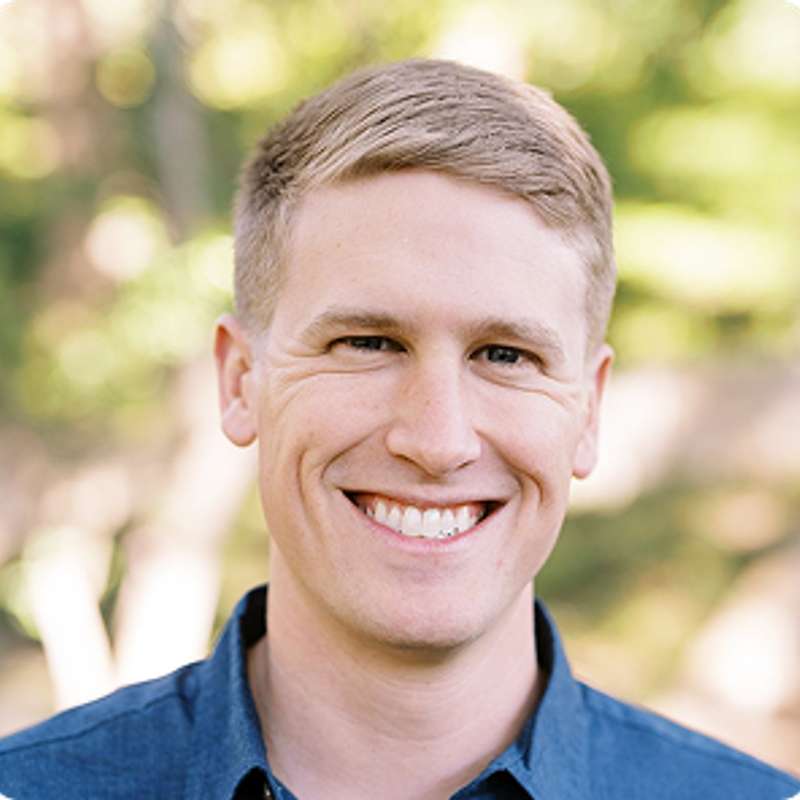
 Lane Kipp
All right. Well, welcome to our podcast and I'm excited today. I have a good friend and like a mentor of mine, Raymond Harris joining, and I'm really excited to have Raymond. So Raymond is here in Dallas with me, uh, an architect over 40 years, venture capitalists, and, uh, has been involved in a lot of ministries and businesses and, uh, Has authored several books and his latest one, Enduring Wealth, which we'll talk more about, uh, is awesome. Highly recommend.
So, Raymond, thanks for, for joining me.
Thanks, Lane. Thanks for having me. This is great.
Lane KippYeah, well, I want to, I'll just jump right in, uh, to, to the book and just like we're having conversations at Velvet Taco, I really want people to hear your perspective on giving. Because I, I, Resonate with it. And I want more people to have this perspective. And so before we get into that, I do want to, I was just curious.
I don't know if I've asked this before, but you shared a little bit about it in your book and I don't think I even really knew it, but how you even got interested in stewardship and giving well, what's the, what's the origin story there?
Well, I would, I would say that I didn't intentionally become a generous person or a steward, if you will. It was kind of an evolution of growing as a believer in Christ. And I became a follower of Christ in college, I was already a believer. Since about nine years old, but in college, I became serious about my faith Mary Della, I got married our senior year in College and one of the first acts that we did as a married couple Was we gave away our largest?
Wedding gift we felt compelled to give that to the church and we didn't have anything when we got married because you got remember we're poor college students and We He gave away our first large wedding gift, which was cash. And that started our journey of becoming donors, or what I would call our pathway to stewardship. Primarily learning, bit by bit, how to be generous.
I think God's generous with us, and so We, we started out, um, with what a lot of kids would do, is try to give away 10%, which we were taught in church that that's the tithe, and, but I, I was conflicted with that, because I said, why is 10 percent the, the standard? And so, as I grew up in the faith, and as I got older, and as I became a, a professional, and God gave me the ability to generate wealth, I said, well, If God owns everything and he's entrusted to me, why do I give 10%?
I realized that really, it's all his anyway, and that I am just to take care of it. So it was a process. It was a long journey of stewardship, beginning in, in college years. And then as my wife and I began to mature as believers and have Children and get involved in business, very slowly became more and more generous, not because generosity is good, but because we just wanted to. Uh, take good care of the things that God had given us.
The other thing, uh, Lane, that I learned early, uh, is that I never took possession of the money that I earned. I, I only used it. I didn't possess it. So it's really hard to give money when you possess it and when it's yours and you go, golly, you know, I can use this. When it's not yours and you're just taking care of it, then it's a little easier to give it. So,
Lane KippYeah, I love that. But at some point. That transition between being generous and being a steward happened, and I know it's over years of trying to give well, and you talk about some of the difficulties of it in your book and What was that transit like were there specific instances that sparked that or was it just a Accumulation of experiences,
it's a long, it's a long journey. Uh, I don't think anyone instantly becomes a steward. I think it has to come to the realization we're not taught in church that God owns everything, that, um, we're merely caretakers. Uh, what church basically teaches most people is that, We have stewardship Sundays, we want to be generous, we want to give to the church. I think most pastors don't have a really good handle on, on, on what real stewardship is.
Stewardship means that you don't have rights or ownership. And Americans tend to think that they're self made, you know, hey, I've, I've gone to school, I've built this business, I've done this by pulling up my bootstraps and working hard. The reality is that If God owns everything, He chooses to give wealth to those that He chooses. And He only, He, He chooses to give wealth to who He gives to, and it's beyond my understanding why He does that.
Uh, and it's beyond my understanding why He gives certain men wealth and not others. If you say, well, I work really hard, well, there's a lot of people in the third world that work really, really hard and they still are very poor. And, uh, so, just because you work hard. doesn't necessarily mean you'll be wealthy. Now, there are principles, obviously, in Proverbs that tell us about the benefits of working hard. And, and that's good to understand that.
But once I understood that God entrusts wealth to men and women, who each uses is what we do with it, that's so important. And so we all hear about the downfall of having wealth, because a lot of wealthy people don't use it. for the benefit of others, they use it selfishly, and you say, well, then wealth is bad. And no, wealth is actually not bad. If God gives wealth, then that wealth is actually a good gift from God. It's what we do with it that counts and how we use it.
And it's my personal conviction that the reason God gives certain men wealth is that he wants that person to take care of his kingdom, We're the hands and feet of Christ, with the wealth in our hands to take care of the kingdom. So that was, that's a long winded way of saying it's a journey that I've had to be on for a good number of years, that that I had to discover.
And that discovery came through reading several really good authors like Larry Burkett, Howard Dayton, who both had ministries about finance, but they also had the heart of the heart behind how to handle money. Not just how to handle money. What is the purpose of it?
So those men helped me and then as I got to be involved with other, uh, men in ministry, uh, that handled money then I began to understand like Ron Blue and, uh, things like Kingdom Advisors and guys like that that really had a handle on money. So, it's been a long process. Um, I also realized that when I made money in my firm, I had to do something with it.
I either could spend it, I could save it, I could give it to the government, I give it to my kids, I could squander it, or I could do something with it that built a kingdom that would last well beyond, uh, my lifetime. And so I had to go through, um, a process of what do I do with money that I earn or money that I save. It's, it's a hard issue, so.
Lane KippYeah. Yeah. And one thing I love, uh, we always talk about what you call economic engines and, uh, you've honestly really redeemed my perspective on business and with this term economic engine. So I'd love to hear more about. That how you came up with that idea. I work with a lot of millennials who want to give well, they're starting these businesses, they're trying to grow them or they're developing their careers.
And I, to be honest, it's kind of stolen your term, economic engines and helped trying to pass that along and help them have a better perspective on their income and how to use it to sustain. and also to encourage ministries to be sustainable. Um, yeah. What was, tell me more about
Well,
Lane Kippeconomic engines.
I would say that I began to really focus on that probably, um, 15, 15 years ago, maybe, uh, maybe a little longer than that, between 15 and 20 years ago. You see, I was kind of taught in church and through what I would read, uh, that the, the way a steward or Christian, uh, operated in the kingdom that wasn't in ministry was basically, basically a funder of ministry. And so our purpose was to make money and give it away. And, um, that in and of itself is not bad, but it's not the only way.
And so I began to struggle with why do I work so hard, and then I, I work, I work so hard to generate income, then I'm very diligent to save the income, and then I pay taxes on the income. And then why do I give it to others to spend, and in some cases, waste it? And so it became very frustrating to me to say, is my purpose to give money, my money away to others to spend? And sometimes they don't spend it very well, because they don't know how to handle money very well.
Most ministry leaders are not really good at financial matters. Um, it's not a criticism, it's just an observation I've made. So why do I work so hard to give money away? And I began to think, well, what? Now, that seems to me to be a, a secular and sacred divide. I make money through secular business to give ministries money to operate. And in God's kingdom, there's not really a sacred and secular divide.
So then I begin to think, could I use secular business, which is actually very holy in God's economy, could I use business? To become a holy endeavor to fund the kingdom. And could I do it for profit? And then the thought occurred to me is, I don't think that they're not for profit organizations in heaven. God owns everything. He created business. God is the greatest capitalist. Why do we not use those, uh, that idea in building the kingdom?
And so, as I began to think, well, gosh, if we could build kingdom businesses, economic engines that are self funding and self perpetuating, then that's really a pretty good deal. And so I, I said, Well, how do you do that? I, I, I thought, well, use the same principles you do to build any business. It's just what you do with, with that business to build a kingdom. So we've done things such as being in the movie business. Well, you say, well, the movie business isn't a ministry.
Well, yes, it is. Because A lot of ministries want a whole bunch of money to go make a Christian movie, and so what we made were really good movies that had a kingdom impact, and you could make money in the theaters. And, and so we built, I helped two young men start a movie company that became now the largest, truly the largest movie company, uh, in the world now for faith based movies. And, and their latest project Amazon has given them 250 million to do their next project. That's big.
That's big business.
Lane KippYeah.
Helped start some agricultural projects in Zambia and in the central part of Africa. And those are all for profit businesses to hire as many people as possible to share the gospel in doing so and to provide good products for the ultra poor. Um, started up, um, business and uh, employs people, provides good food for people, and it provides income so people can uh, send their kids to school. So those are economic engines.
My children are economic engines because I put a lot of time into them and then they go out and create uh, businesses and uh, fund ministries through um, their efforts. Uh, my barber is my favorite economic engine.
Lane KippYeah.
And, uh, on a barber salary, he supports three or four missionaries in his home country of Ethiopia and, and his three daughters are now in the medical profession. So a poor immigrant has made enough money in as a barber to send three daughters to, uh, uh, even the University of Texas, God forbid, but they went, and I'm an OU grad. So, and I know you're an A& M guy. So. Anyway, those are economic engines.
And so I look for opportunities that that we can use business principles, and it could be for profit, it could be not for profit, it doesn't matter, God's kingdom doesn't define the doesn't differentiate between the two. But businesses and ministries can become sustainable. And I guess another another example, Would be, a lot of ministries will give, excuse me, a lot of, a lot of people will give money to ministries to help anti trafficking.
So they'll give this money away, and that money will be spent for a good cause of getting women and young boys out of trafficking. But every year, or every, whatever, they come back for more and more money because their sustainability model is truly just getting people to donate. Well, I know of a young lady. in China that decided to, uh, help women in sexual, um, bondage and in trafficking to get out of their situation by starting a jewelry company.
Well, that's a for profit business providing extremely high quality jewelry that Macy's and Kohl's and people like that buy and sell in their stores. They're made by women that come out of the brothels. So it's a for profit business doing the exact same thing that ministries do. And so that's an economic, that's another good example of an economic engine. Takes a lot of creativity and hard work, but it can be done. And those with business acumen can do that kind of stuff.
So, uh, another thing is when Mary Dale and I invest, we try to invest in things that build God's kingdom, but also build it with profit so that we can have money back to reinvest into the kingdom. So, that's an economic engine in my definition,
Lane Kippwell, I love it. I love it. It reminds me I was talking to a guy the other day about how weird just how weird generosity is like if if you know, there's a generosity movement kind of happening, you know that and I just think it'd be so weird if there was a spending movement spend your money spend your money Whereas there's a generosity movement of give money give money. I just think that's uh, It's weird.
And so I love your perspective on, you just mentioned investments, you know, seeing for profit nonprofits as kingdom investments, how are they redeeming the world and, and, uh, sustainable financially and, and all that. I love that. And you also mentioned, you know, giving well, it's hard. And we've talked about this. So I'd love to hear how, when, when you're looking at kingdom investments. Particularly through a non profit lens, because that's most of our work, is through that.
We have a couple for profit, uh, things we invest in. But, so how do you go navigating, who do I give to, how do I evaluate them, how do I monitor their work, what's, what's your process?
Well, first of all, I'm not smart enough to figure a lot of things out, so I have to rely on the influence and the nudging of the Holy Spirit to know where to go and who to meet, and allow him to make introductions for me through other people. I don't think it's any more holy than that. to build an economic engine than it is to give someone else money to spend.
My theory is if a not for profit or a ministry can spend my money better than I can what they do, then I would be a fool not to give it to him. But if I can invest that money and do something more than they can or better than they can, then I would be a fool to give it to him. So I look for who can spend the money the best to accomplish what I'm trying to accomplish. And so I look at ministry leaders, uh, or, uh, projects through the lens of, is the leader a steward?
Does he know how to handle money? And does he realize that the money is not his, but he's just taking good care of it? So I pass my stewardship on to another leader and expect him to be a good steward. And if I can find that leader that is a good steward, then I can entrust money to him because he'll take good care of it.
Lane KippHow do you, how do you tell if they're a good steward?
Well, you observe what they do with it. Um, you can, you can look at financial statements. You can look at all kinds of stuff, but I think it's basically developing a relationship with that person and getting to know them. And, um, that's one way. I think another way is just what is their effectiveness? What are they accomplishing? Now, believe you me, I've, I've had more than one ministry tell me that they've saved 100, 000.
hundreds of thousands of people or millions of people or we've impacted 50 million people and I go, baloney, come on, dude, I don't believe that. And ministries just have these huge numbers and they provide nice brochures and they tell you all the things they do. I don't believe about 90 percent of it. So I'm very skeptical, you know, if of what the impact is on so many ministries, you know, it's usually They use some kind of multiple.
Okay. We've, you know, I had one, one group tell me that they've shown the Jesus film in so many places, and then that started so many churches and now that we've affected effectively. And I said, well, there's not even that many people in the country
Lane KippYeah,
You know, it's like you can't use that multiple. So, so I, I, I go, going back is I try to develop a relationship with. If, if I'm going to give them serious money, now if you're going to just do a little donation I don't think it's necessary, it's just. But if you want to invest, truly invest in the kingdom and do it well, I think you need to understand if the person you're investing in is a steward and can take care of the kingdom.
When I invest in young men, which I do, uh, and it can be for profit, not for profit, I look for three things. I look for young men. Because they have a long runway. So one of the reasons I liked investing in you Lane is that you're a young guy. Secondly, you're a hard worker, I've noticed how hard you worked when you did my evaluation. So I look for guys that are young, hard working. But they also had to be really, really good at what they do.
They had to be experts, they have to be top of their class at what they do. If I can find those three components, then I'll put money on them and then see what they do with it if they're steward. And, um, it doesn't mean that I can't invest in a 50 or 60 year old person. We do that as well. But if I'm looking for a true economic engine or something, I, I really look for the other. I look for a younger person that's hardworking, uh, that's extremely talented or very good at what they do.
It, it's just like any investment. You have to evaluate the investment based on what your parameters are. And ours are those three. The other thing that I. I mentioned to you before is I look for, uh, for four things inside a ministry or in a or an organization if I'm going to give them money as opposed to investing in a for profit situation. That is, are they efficient at how they use money? Now, it doesn't mean that they're cheesy and cheap and they don't pay their people.
Well, it just means are they efficient? with their money? And secondly, is there an effectiveness in what they do? Is there truly an effectiveness and don't give me a bogus report that you've saved the world? What are you really doing that's effective? Third, is are they indigenous? In other words, do they work at the lowest possible level? So I don't want to pay for someone to come out of college, go to seminary, go to four years of language school, and then go on the mission field.
I'd rather put the money into locals doing the same work. I can cut a lot of corners cost wise if I don't have to go through language school or, or, you know, hire people in America and travel and then they need to come back on furlough all the time, you know, all that kind of stuff. That's very inefficient. But uh, I look for indigenous as, as far down the indigenous ladders I can go, uh, is where I try to fund. And then finally, um, the fourth thing we look for, um, Well, I just forgot.
I said, efficient, effective, indigenous, and oh, yeah. And can they keep themselves from business? In other words, I asked mysteries this all the time. I said, Do you have something to sell as a ministry? And then secondly, who wants to buy it? I mean, are you really selling anything anyone really wants? Are you just keeping yourself busy? And so I look, I look for that sustainability. Are they, do they have something to sell them? Is anyone buying it? That's sustainability.
Because if it's a demanded, if it's a service that's demanded, or a project that's demanded, then you will have someone willing to buy it. And that means they'll donate to it, or they'll actually buy it with actual capital. So that's, that's more what I look for. So.
Lane Kippand that's what we advocate for with this platform is a I mean, that's my perspective is Nonprofits for profits. We're all a means to an end including all access. You know, we're we're service and so It's our job to do what's in the best interest of? those who are investing in us and I Hope I think Raymond if if enough You of us, the stewards, the investors had that perspective. We could really move the needle in some areas and do some amazing things around the world.
Yes.
Lane Kippyeah,
If you, if you could unlock the, If you could unlock the capital that's being stored right now, uh, you could do a lot. And DAFs, Donor Advised Funds, some foundations, they lock up a lot of money. And, uh, I don't know if people have vapor lock, or they're, they're scared to invest, but there's a lot of money in the, um, not for profit sector. Uh, world that's still sitting in accounts, waiting to be deployed. And I, I love financial advisors.
But I want to encourage financial advisors to, uh, help their clients understand that if they, if they don't deploy that money in the kingdom, it's really not doing any good. Just sitting there churning at five to ten percent interest so that you can give away more money later. Thank you. I think God wants the money in the kingdom sooner so he can compound it at 30, 60, or 100 percent rate of return. God's rate of return is a lot better than ours.
You can never match what God can do in his kingdom, uh, with your money than what you can do on this earth with your money. You think you're a good investor, but I think God can, can outmultiply us, so. Yeah,
Lane Kippyeah, there is a common problem I'm hearing is, uh, with all this money stored in foundations and donor vice funds and And elsewhere, you know, a common, I think we've talked about this and you mentioned it in your book, but a common thing I hear, uh, with, from folks is what's, it's hard to find good things to give
absolutely.
Lane Kippand
This is hard for me to find good places to invest money in the kingdom as it was for me to make the money.
Lane KippHmm.
And, uh, I was under the, uh, illusion that I could make all this money, and then it would be great to sit back and invest in the kingdom. I would just sit back and invest it and put it out there. And I realized that I began investing money as soon as I made it. And I was finding hard it hard to invest it well in the kingdom. Now, everybody clamors for money, everybody swears that they are the they are the best and that they can use your money.
But you know, there's there's 1. 5 million not for profits in America right now, all clamoring for the same dollars. And I think I think a great majority of those ought to go out of business so that the good ones. can really deploy more capital in what they do. I think there's a lot of seed corn that's being eaten, um, by, uh, ineffective not for profits. I really do. So, I think we ought to get rid of a lot of them. And,
Lane KippAnd
you know, one other thing I will say, and I didn't mean to interrupt you, but one thing I will say, if the tax laws changed dramatically, it might help that situation.
Lane Kippyeah,
If you don't get a write off, people might say, Well, I'm just not gonna give money away unless I can find a good place to put it.
Lane Kippyep. And that may, may happen. And, and you know, if more people had, uh, this, I don't know what to call it. Not capitalistic, but this redemptive perspective on investing, uh, in ministries and ministries as a means to an end, driven by impact and what's most effective, you know, cost efficient, sustainable, indigenous, then, uh, The market would be driven by impact and so the ones who aren't making as much impact would be weeded out and That would be a good thing.
I think on behalf of those in
accountability, you know. The danger with not for profit organizations is they get free money without accountability. They don't have to earn the money, it's just given to them. They don't have to perform, it's just given to them. And then they don't have to account for it. And they say, Well, yeah, we do. We send out a report. We have a board and all that. And I say, Well That's all well and good. You can still pull the wool over anyone's eyes with a board and with free money.
A real accountability is, are you making something happen with that money? In other words, in, in business, you've got to make more money than you spend, or you cannot stay in business by definition. Same with ministries. They, they stay, they, ministries can stay, or not for profits can stay in business forever, even though they don't do anything if they get in trouble. Just get money to stay in business. So they don't have to be efficient. They don't have to be effective.
They don't have to produce anything if they get free money, so you know, uh, just give them, I just don't like giving people free money to go do good things. I want them to do something effectively and so, I'm not too harsh on that because I do give away money, you know, for others to spend. I don't just give money quote, invest in for profit businesses. But I do it both ways because I think God's kingdom is both. So
Lane Kippyeah, yeah, absolutely well, I want to You've given a lot of advice on for donors. I want to pivot because I think it's chapter 11 in your book talks about fundraising and I think that's a great Uh, a nugget of gold for development directors who are out there interacting with people who want to give well. And I still remember the time when we, I think it was a two, it was a Tuesday. We got tacos together like we
yes,
Lane Kippdo. And yeah, taco Tuesday. And I remember you saying, we're talking about this about, uh, cause we get at all access bombarded, uh, as well. But. Uh, we were talking about this and I still remember you saying, Lane, it's, you know, Tuesday at 1230 and I've already been asked 13 times for money this since Monday morning. And so I'd love for you to, cause I hear, uh, some non profits listen to this, uh, basically. Podcast. Love for you to share.
I mean, if you were just to give advice to someone whose role is raising money for a great cause and say it's a really impactful cause, what's your advice to them?
I don't have a silver bullet for the scenario, uh, of fundraising, but, uh, I originally was going to entitle that, that particular chapter, The Potholes of Fundraising. There, uh, fundraising is a no win situation, and it's really, really hard on development people. And I understand that. I, I would not want to do two things in God's kingdom. One is to have to raise personal support to go on staff with someone, and secondly, I would not want to be a development person.
But, uh, Henry Nowen had written a nice little booklet called The Spirituality of Fundraising. One of the things he said that really impacted me is he said, number one, the, the development person must really believe in what he's raising funds for, he has to be totally committed to the cause. It's just not a job. Secondly, that if you're approaching someone To be a part of that ministry or that organization by funding them, it has to be in the best interest of that person, not for the ministry.
So if it if it's not on the heart of that person, then you shouldn't, um, you know, um, persuade them or, you know, been there are behind their back or, you know, try to coerce them into giving to your organization. It's kind of like do what's best for him. In other words, follow the golden rule. What is best for that person, and then help him figure out where he would best invest.
So good development people would be like in the the movie that is always shown at Christmas, Christmas on 34th Street, or however, whatever that one is work. Um, the Macy's, uh, where the Santa Claus at Macy's was, uh, telling all the customers where it was best to get the toys for their kids because it was best for the customer. And then Macy's took on that, that philosophy of what's best for the customer would be what's best for us.
And so I've taken that philosophy with myself is what's best for the other guy will eventually be what's best for me. And so if development people would look at potential donors and investors as what's best for them, then they will not only do the, you know, exercise the golden rule, but they'll actually make a good friend. And so my thought is, you know, fundraising is very difficult. And it's, it's, I said in the very last part of the chapter, it's a no win situation, because it's so hard.
But you know, God even uses those situations for his glory, and and he will use the brokenness of this world for his own purposes. So it's a broken system. It's hard, but God still uses it. He still accomplishes his purpose. So there's not a silver bullet. There's not a right way to raise funds.
Um, I think that if churches had done their a better job in the past, then Uh, and they had raised up their congregations better to be individual ministers of the gospel instead of having someone professionally being the minister. Then so many not for profits wouldn't have rised to the top to take the place of the church. So evangelism, church planting, missionaries, sending out missionaries.
Those were all done through ministries and not for profits, and that really should have come out of the church itself. But the church failed in that. And so a lot of ministries came up. I was raised in the in the campus crusade, um, organization crew. And that was raised up because evangelism wasn't wasn't happening on college campuses, and it wasn't happening around the world and crew became this huge organization to really, I think, take the place of where the church had failed.
I think navigators, same thing. Young life, uh, all began to rise up in the 50s, 1950s, 1940s, 1950s because the church wasn't doing their job. So if the church was doing their job and we as church congregates were doing our job, you wouldn't have that many not for profits out there. They'd be taking care of business, but, um, it's the brokenness of our world and the brokenness of church, so. Anyway, it's a messy situation. Chapter 11 is a messy chapter. Yeah.
Lane Kippthink it's, like I said, I think it's gold, um, for people in this space, the, the fundraising space, like I said, even for really good. And it should be hard. I mean, nine out of ten startups fail. So, if it's, if we see ourselves as a means to an end, a service, I mean, there's no guarantee that it's going to work, even if it's a great product or service.
So, it's um, What I've found is the best, most funded organizations are not because of their ask or, The way they fundraise, it's, they're fundable. And I think that's the way it should be is just, just be fundable. And I think God will take care of you from there.
Absolutely. That's exactly right. And that's that efficiency and effectiveness that we all want. And, um, I think, you know, Hudson Taylor said it well. He said, God's work done God's way will never lack God's supply. And I think we've, we, So many times ask God to bless what we think he wants done and we really need just to ask God What do you want done? And I'll go do it
Lane KippYeah. Yeah, absolutely. Well, Raymond, I appreciate you taking the time to, to share this. I, uh, again, just encourage people to, to get the book Enduring Wealth by Raymond Harris. Raymond, you've been a blessing in my life, just a mentor of mine. And, and I really appreciate. All of these conversations in the tacos it's just been really helpful.
And I do pray more people have this same perspective because I really believe if more of us did, we could accomplish some amazing things in the world, both as, uh, the financial equity and sweat equity parts of it come together. So, Raymond, thanks for taking the time to do this.
Thanks for the privilege of being with you
Lane KippAwesome. Well, I appreciate it, and we'll grab tacos soon. Thanks, Raymond.