



Hello and welcome back to another episode of the All Access Podcast Lane. It's, it's been a while. We, we haven't recorded one in a minute, but, um.
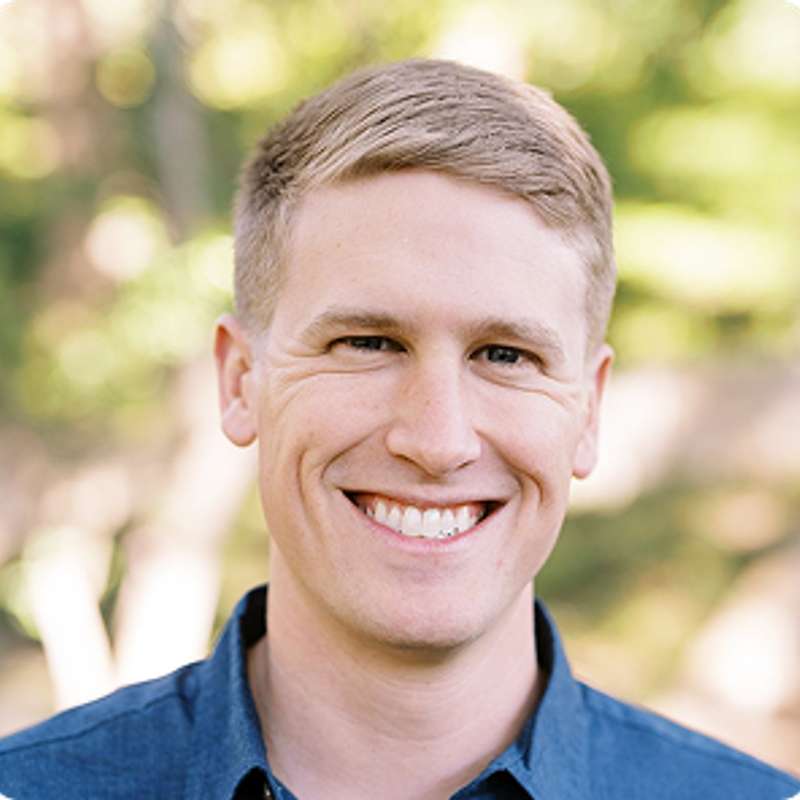 Lane Kipp
guests.
Yeah. No, I love it. Um, but I'm excited to talk today because we are gonna recap the 2024 annual report. You guys have been working on this for a really long time, um, sourcing a lot of great information from your portfolio partners, and now we are presenting it to the world. And so I'd love to hear. The process of how this data came to be. And then we will talk a little bit about the structure.
Uh, and for you video watchers out there, we have, uh, the, the report actually pulled up so that you can see it. Um, but if you can't see it, go to all Access International slash annual reports slash 2024 and you'll be able to see it there.
Lane KippYep.
So Elaine, tell us a little bit about how you got a lot of this information. You know, put this report together and then we'll, we'll dive into the structure.
Lane KippYeah, so we, uh, it's all a part of our process. You know, we, we know this is coming, this is our think. I see it as a fiduciary responsibility to our members to provide this information. Um, it's, it's really for them. And if you're not a member yet, you know, to, to see why you should join us. But it's our responsibility to them. And so our, the programs in our portfolio, we sign an MOU contract saying, Hey, this is what we will do as funders. This is what we require from you guys.
So they know the state is coming. We agree upon what data we're. Gonna be asking for, uh, I checked with them. I usually check with 'em halfway through the year and go, okay, how are these outputs coming along? Um, we look at that together. And so then at the end of 2024, usually in mid-January, uh, after their teams have already started compiling their data and, and reviewing it internally, that's when I start meeting with them and, uh, reviewing it in real time with them.
And so they, the programs provide this data. We review it with them, and then if we have any questions or concerns, we meet with them or we get others to, uh, take a look at and go, Hey, does this look like right to you? All of it is just trying to make sure it's accurate and, and real. And luckily we have strategic plans that we can, uh, compare it to to say, Hey, water for Good said they were gonna. Do this by these dates. We look at what they did in 2024.
Are they making progress towards that? If not, why. And um, yeah, so that's the, that's the process.
Awesome. Awesome. Yeah, I love, as always, you know, we talked a lot about, on the show is the data and the rigor and the analytical, you know, emphasis that you have, uh, with your partners. And so it's, it's really cool to see how, you know, Hey, we said we were gonna do this. And what did we actually do for the whole year? How much money did we spend? What was the impact of that? So it's really cool to see this This come together.
Lane KippIt is a lot of work, you know, uh,
Yeah.
Lane Kippthings aren't as black as white. Uh, black and white is, uh, we would hope, I mean, there's a lot of complexity to there. There's a lot of different monitoring evaluation processes, even fiscal or calendar years when they measure. Not everything's a calendar year, uh, when they track data. And so it's a lot of work, but that's our job. So we're, we're, we signed up for it.
That's awesome. That's awesome. Well, so the emphasis that you had, uh, for this report is telling a lot of stories. Uh, and so each, uh, so the, the report opens up with stories and then each, uh, portfolio partner also has, uh, stories associated with the impact that they've made. But you also have an emphasis on the lives you changed this year. So that's the, the headline on the report is, see the lives you changed this year. So talking to the members of the fund.
And the kind of impact that they've had because it is their dollars at work. And so I really love that kind of combination where you've got this, this story driven and analytical nature to the report, but also this emphasis on the members. 'cause, 'cause after all, I mean it is the members who are, are driving all this impact. So it's, it's really cool to see both of those come together.
Lane KippYeah, we really went for a, like a Spotify wrapped. Style this year. Um, you know, we have a lot of information already on our website that organizations have, you know, put on their annual report, but we just provide it. Members are getting this four times a year, quarterly reports, they're getting it pretty live. Um, and man, I read through a ton of annual reports for organizations. Again, part of my job and, uh. It just takes forever.
I mean, there's just so much information that I doubt, I really doubt most donors read all of it. I, I mean, even just starting with the whole letter from the, the CEO at the beginning, Brandon, I don't know if you read those, but I, I just start skipping those because it just, I'm trying to get down to. What did they actually do? What did they do that year?
And so we, we designed this and knowing most, a lot of our members, uh, are millennial, gen Z, just to be able to get the information they wanna learn as fast they can, and a really enjoyable experience. So this is a very different annual report. I mean, report is even a stretch in that it's, uh, not a PDF, it's a webpage. You experience it, you can do it really quickly, and it's really. I think I hope enjoyable. Lots of videos, lots of stories you can find, any information you wanna find.
Uh, you know, even just the podcast episodes we had last year, articles we wrote that we thought were, that we liked, and, uh, just sharing those. So we had a lot of fun with it. Uh, we've gotten a lot of great feedback from members saying they enjoy it. So if you haven't experienced it yet, uh. Go experience it. We'll, we'll dive into some, some of it today on the podcast, but, uh, go take a look and, and just, uh, yeah, dive into the stories.
Awesome. Awesome. Okay, so we open up with, see the Lives you changed this year, and we have this beautiful image of Moses Ello in Uganda who's uh, uh, affiliated with Seed effect. And this really beautiful story of, uh, of his experience working with Seed Effect, one of the portfolio partners. And then we've got this line. You were super generous this year. And in 2024 153 members gave over half a million dollars to the All Access fund, $591,000 to the fund.
So talk to me a little bit about, um, the, the numbers that you guys collated here. So, 153 members over half a million dollars, granting $502,000 to nine of the top PRO programs in 14 of the most unreached and impoverished countries in the world.
Lane KippIt. It is amazing. Yeah. I've been just blown away by our members. Again, we're not a fundraising organization. We just simply sit here do a lot of research, do a lot of advising, helping people give well with their own, giving portfolios, doing this research for them, managing the fund. Um. And people still gave over half a million dollars without us really ever, uh, yeah. Super fundraising for it. So, and what we mean by, when we say member, so what does it mean to be a member?
Um, you know, really anybody can, can give to the fund. You can give $20 one time to it, but a member is someone who, you know, someone or a family. A business or even a foundation, uh, as we have, or like an entity that gives at least a thousand dollars a year and gives regularly. So year to year, that's what we really qualify as a member, and we encourage that. Uh, a is because it's up to us how much we pull together. Again, we're not a fundraising org, but we're, it's member driven.
We drive these numbers, 591,000. Um, but we also want people to, um, to take ownership of, of this and, and run with it. And, and a thousand dollars a year. I mean, we did the math and.
Any donor, any giving level can participate at that level, but we want people to take it seriously as well as I'm, I often travel and I'm in these contexts that sometimes are very dangerous and, uh, you know, we want people to take that seriously of, Hey, we're, we're in this, uh, we're trying to accomplish these big goals, and so we want people to take it seriously.
Yeah, tell me a little bit about the, the members that you have. Is it, you said, I think mostly millennial and Gen Z, but is it, um, like what's the mix of like individuals, maybe age ranges, maybe like. Is it men and women? There's obviously some like corporate members and business partners and things like that, but yeah, give us a, like a quick sketch of who all, who all's in the fund.
Lane KippYeah, we have a, a, a wide variety. So we, I would say as far as head count, most of them are, uh. Really like you and I, Brandon, because it has been member driven. That's where it started, was just really friends of mine. You know, we're in our early thirties, have a couple kids or you know, Christian professionals. Uh, and that's as far as headcount. Probably the largest majority of members are families, young families, Christian, young professionals. Um, and then we have, um, you know.
Boomers, gen X families as well. We have, uh, a few businesses. So, uh, like I love the guys over at Spires Engineering here in Plano. It's a civil engineering firm. They do a lot of fun stuff, but they, you know, they're members of the fund. They, uh, did a campaign in the fall and raised a bunch of money for. Our program with Water for Good. And so we have corporate members like that who do like a profit sharing style. Um, so we're really here.
I mean, like I said, any donor, any giving level we want to serve, uh, from even the largest foundations out there, um, to, Hey, I just, you know, graduated college and I wanna start giving 90 bucks a month. Um, we love it.
That's cool. That's cool. And so these members are giving all of the world. So you write here, we granted 500,000, 500, $2,000 to nine of the top programs in 14 of the most unreached, impoverished countries in the world. So there's a map here. There's places like Chad and Niger, uh, South Sudan, Ethiopia, Burundi. All the way to Pakistan, India, Nepal, and so on. So give us, give us a sketch of like, um, where you guys are serving in, in these areas with this fund.
Lane KippYeah, I was, we, we've talked before and anybody can download our entire portfolio evaluation and monitoring process on our website. I mean, we're an open source, so, uh, even other philanthropic advisors can go and, and use it, and we encourage them to. But what we do when we're focused on extreme spiritual and physical poverty, we have metrics that define that. And, um, tell us where the most impoverished and the most unreached places are.
And our philosophy is to work in the most unreached and most impoverished places and work backwards from there. And so that's, the map kind of shows that. So what's interesting is for spiritual poverty, it mostly takes us to, you know, south and Central Asia, Southeast Asia. Um, and then for extreme physical poverty, it takes you to the Sahel and Sub-Saharan Africa, kind of East Africa. So you can just clearly, uh, see that that divide there.
Um, and that's where we, why we've ended up where we are. And you know, I get asked, Hey, do you guys do anything in the United States? And no. Um, and I hope we never do because of that. Uh, hopefully we're never in a spot where we have to. Um, so.
Yep. Yep. Cool. Cool. So moving down, we've got a few stories. So one of the headlines is you help dads like Moses and tells a story of where he was an alcoholic. Used to drink and beat my wife. He says, my life wasn't good at all, but hearing the word of God every week during our savings group meetings with seed effect has greatly helped me in my family. And so you get to watch a story, uh, talk about Moses, that's on the physical poverty side.
And then we also have a story where we reach daughters like Sonya on the spiritual poverty side. And she says, my parents are stuck working at the brick kilns and couldn't afford school. But one day, one of these teams from Big Life started a school near us that I could go to, and it was there that I learned about Jesus for the first time. So you get to hear more of her story. Pretty amazing.
Lane KippIt is amazing. Yeah. The stories, I mean, throughout, we just highlighted a, a couple and, you know, as a dad with a daughter, uh, those resonated deeply with us, you know, Brandon and, um. So it's, yeah, that's the most fun part about this reporter are the videos and the stories, uh, you know, all the numbers are there, but the, the numbers represent, I mean, each pers each of those numbers, I mean, could be an incredible story if we heard it out. Um, yep.
That's right. Yeah, that there's a headline here. You change the li the lives of nearly 16,000 other people too. You know, 15,866 people. So every $32 you gave to help someone out of extreme phy spiritual or physical poverty, it's just so cool. But yeah, to your point, like there, those are actual people, you know, it's not just, uh, not just a number.
Lane KippRight,
So that's amazing. And then looked into 1300 organizations. Uh, so you guys have this really rigorous, um, analysis process that, uh, you look at organizations across the world. They submit a bunch of data to you and you start whittling those down to the most impactful organizations. So out of 1300 landed on just a few. And so we've got here, pulled up the entire portfolio.
And what's cool about this section is it's got a, a list, like an accordion list, if you will, of each of the portfolio partners into which you can click and get the all the details like really, you know, detailed numbers about how much money these organizations, you know, you know, received and spent. And then the impact that that money had over the course of the year. And so the top one seed effect with physical poverty, they're working in Uganda and South Sudan. And granted, uh, $98,590.
And then it has a bunch of metrics about what that accomplished over the year, uh, as well as some stories from individuals, which is really, really cool. And we've got several more here. So if we scroll down the page, we've just got a ton on the, uh, in the portfolio, and you can click in and see all their stories and just the amazing impact. It's really, really cool.
Lane KippYeah, it is. It's um, it's phenomenal. I mean, it's a lot of information, so we wanted to make it to where. People could just click in and see exactly what they wanted to see. So it's all there. You can engage with it as much as you want. Some incredible videos, I mean, we've got a video of a, a former jihadist who's now a huge disciple maker and church planter in the Middle East who I got to meet a few months ago, uh, in person and in the Middle East. And, um, we've have former.
You know, a Hindu priest who are now, uh, church planters in South Asia. We have interviews from them. And, um, yeah, just some, some incredible pictures there. But, uh, we do a lot, you know, with the, the numbers to the top. You know, we look into, okay, what did these programs spend? What were their activities? What were their outputs, uh, this year? Making sure they're on track with everything. And so a lot of, lot of time went into.
All of these paragraphs and a lot of it, you know, is contextualization as well. I mean, we, a lot of this is, gets pretty technical, you know, Brandon, so it's kind of our job to, for the everyday, you know, if you're a account at EY in Dallas, how do we convey this information? A really accurate, but a really easy to comprehend way. And that takes a lot of time to boil it down, uh, in a. You know, a few sentences.
So, um, but that was the hope here is anybody can click in and see what they wanna see and find the information they wanna find.
The, uh, the term that comes to mind is progressive revelation. You know, if you're harken back to your theology classes in seminary, but just that idea that, you know, this, this information can be really overwhelming. Um, but what's really cool is you can click, you know, further and further into. Um, enter the report and find all the information that you want. So if you drop down this one on Big Life, for example, you can read, uh, you get the headline, you know, of course.
But then you get the summary paragraph of all the data and you get a really beautiful video and imagery and things like that. So you can, you could spend probably two hours, you know, reading this report and watching all the videos and reading all the articles and podcasts that are associated with it and all that kind of stuff. So, yeah, it's really neat.
Lane KippYeah, absolutely. It's just like a, I picture, like a investment report, you know, you know, you
Mm. Mm-hmm.
Lane Kippkinda, the brief, how, here's how everything's doing, and then you can go, whoa, what's going on there? Uh, click into it and, and learn. That's what we're going for here.
That's awesome. That's all. So speaking of that, like a financial report, uh, one of the latter sections of the report is the 2024 financial summary, which includes every single expense you made throughout the year, which is. Pretty amazing. Uh, I mean, uh, I don't know how many you're, you're the expert in this field.
I don't know how many organizations do that, but I think it's really neat that you literally can like, click in and see all of the itemized operational expenses, financial statements, the fiscal year form nine 90. I mean, you just get this like a huge volume of information. If you really wanted to vet what you and the team are doing at all access, it's, it's pretty cool.
Lane KippYeah. Well, to date, I haven't found any reason not to do that. Uh, you know, the, the expenses, it's our, you know, uh, responsibility to our sponsors of all access to do that since they're the one paying for the bills. So the fund can be free to the public. Um, but we want the public. Um, you know, they're trusting us with a lot of these decisions and processes. So it has to be objective and it has to be transparent. Um, and that's our responsibility to them.
That's great.
Lane KippYeah.
So now we've got, uh, toward the end here is favorite conversations last year. So pulling forward a lot of the podcasts that you've had with guests. So you've got Raymond Harris, who is the author of Enduring Wealth, a successful businessman in DFW, and then, uh, professor at Columbia International University and David Kroto. And then we've got JD Bauman, who is, uh, working with effective altruism for Christians and, uh, some other organizations to talk about.
Impactful giving and things like that. So you can check out all the different podcasts that you've had throughout the year, some of the most, you know, uh, I guess, popular ones that you've had, which are, are really cool.
Lane KippYeah, these are great conversations and, uh, a lot of fun. Raymond's a dear friend and has a, uh, great perspective on just kingdom building and using finances to do that. I love his perspective. Highly recommend his book Enduring Wealth if you haven't read it. Uh, and then our conversation with Dr. Kroto about the tithe. Um, rethinking the tithe.
I wrote my, uh, white paper in grad school on this, and there was this author out there who kept popping up as a subject matter expert on it, and it was, uh, Dr. Kroto. So I was very honored, very, very honored to have him on the podcast. And then, uh, jd, who's a dear friend, you know, EA for Christians, Christians for Impact, man, effective altruism, and. How it works in this space. Very fascinating conversation. Uh, love J D's perspective there.
These are just really fun, insightful conversations, and to be honest, a lot more entertaining, uh, podcasts guests than I am.
That is not true.
Lane KippUh, but yeah, these were fun.
Awesome. Uh, and then underneath that we've got the top articles from 2024, and something I I've wanted to ask you is the, the leading one is the greatest adventure of all time. And you talk about this like moonshot speech that JFK gave back in the sixties and, um, and how that that kind of mission or that drive has. Has, uh, affected you.
So tell me, just, I've never asked you this, but I've always been curious like, where did that come from and, and why is this, this speech so meaningful for you?
Lane KippYeah. Uh, well, it's always been really inspirational to me. So my, um, great uncle, so my grandmother's brother, uh, went to Rice. We, we don't know for sure, but, uh, I remember growing up being told that he was in the stadium. He was there. Uh, and then he, because of that, he became, um, a professor at Rice for a long time, was in astronomy or. Uh, whatever the right word for that is. But, uh, so I've known him about the speech for a long time. I've always found it very inspirational.
But in that speech he says that the, you know, mission to the moon, the space race is the greatest adventure of all time, and it deserves the best of all mankind. And I've always thought, no, he's wrong. Um. It as a believer, you know, making disciples of all nations and loving our neighbors around the world, um, joining Jesus and redeeming the world to God and to others. That's the greatest mission of all time, and it does deserve the best of all mankind.
And, you know, we had a gathering here in Dallas with a bunch of members of our fund last November. And so I just shared, uh, that. Vision with them of, hey, we are not just, this isn't just like a little thing we give a little donations to, to feel better about ourselves or feel, I don't know, something. But this is an incredible mission. I mean, we're literally joining Jesus and what he's doing and by God's grace, he's using people like us to be a part of what he's doing.
And so this is the greatest adventure of all time. And, uh, we shared a video at that gathering.
Mm-hmm.
Lane Kippum, is at the bottom of this article. I encourage people to go. A lot of those stories are also in the annual report as well, so you'll see some of those. Um, but yeah, gets me fired up just thinking about it. But, uh, I just compare, I watch a lot of those YouTube videos, like the inspirational, I think there's, the one I watch I love is called Space Exploration. If you u Google it or YouTube it, it's got like a cover of a. A glove, um, but gets me fired up.
But I, I think about this mission we're on, when I listen to that, not, not the moon, not the touch, you know, some rocking space before the Soviets, you know, we think, um, but this mission that we're on, so there's my, my, uh, answer to why, why that article.
Yeah, I love that. It makes me think of, um, you know, so many people talk about colonizing Mars and things like that, and I'm just like, I don't know. We got plenty of plenty of stuff going on, on the earth that we
Lane Kippa little bit. Yeah.
but I don't know, maybe I'm naive. Um, but anyway, and then, so you've got a little, uh. Explainer on joining the fund and, and, uh, and why it's so key, um, for you guys to, um, basically for members to get involved where it's the top programs, um, that you guys are analyzing these data consulting, the experts, finding the most effective programs, and then a hundred percent of what's raised goes to, um, to the field in these vetted, vetted programs.
And then it's an actively managed account, if you will. Um, so where you monitor these programs and report everything. Back every 90 days. And if you want to download the 2025 strategy to explain that, uh, in more detail, there's a little form there to fill out and get a download. And that concludes the report.
Lane KippYeah, we, uh, I mean, so anything on 2024 is pretty much in this report, but, uh, I'm really excited about 2025 because we, uh, so Brian Grasso. You know, who is our advising partner over in Atlanta. Uh, they, they help a lot with, uh, the data behind what we do and just the, I mean, 1300 organizations reaching out to all of them and getting data from them and encouraging 'em to go through our analytical process. So Brian helps me a lot with that.
But we sat down in January and said, how do we make the most. Robust, highest level due diligence process in this space for using charitable dollars to accomplish this mission. You know, ending spiritual and physical poverty, accomplishing the great commission, great commandment. And, uh, like we got pretty far. I feel like we, we uh, we built a great process and, uh, so it's in that PDF, anybody can go and read it. Again, we're open source.
So even our, you know, the firms that get paid to do this kind of stuff for major donors take, you know, take and use our stuff. Um, but I feel, uh, more confident ever in our process. I mean, we're already finding areas to improve. I mean, this is a very complicated space, a lot of nuances, but we're, we're navigating those and, uh, so right now we are.
Reaching out to more organizations and, uh, even once we have looked at before, encouraging 'em to, to go through our analytical process this year and say, Hey, if there's, even if we looked at you last year, maybe they updated programs or they have a new program and a new place, um, to. You know, let us look under the hood, if you will, and, and we are, you know, we're looking at our own portfolio itself as we always do, and just saying, Hey, we're loyal to whoever can best help those in need.
And if, you know, we're going to spend the next few months reviewing all this and then making a decision in the fall about updating our portfolio for. In 2026. So we've got a great portfolio right now. We've got eight programs in there. Um, but we're always looking to grow and, uh, so we're, we're really excited about it.
Cool, cool. Well, is there anything else listeners should know about this report? What's coming in 2025? Things you've been thinking about?
Lane KippWell, 2025, I mean, we, uh, personally. You know, part of our process is consulting experts. You know, I'm looking, you know, last year I spent a lot of time looking into education. The year before that, you know, microfinance, unconditional cash transfers, banking, you know, a lot of the world doesn't have access to just simple banking. You just, even savings, like, where do we put this money? Where can we save this money? Let alone get.
You know, have an opportunity to participate in the market, invest or even take loans for businesses. So this year, uh, need to learn more about education, about healthcare, specifically health, uh, in these spaces, nutrition, access to healthcare. I was just looking before this about you, the indexes out there that measure access to healthcare. Uh, and then continue to grow in spiritual poverty.
You know, unreached people groups, better ways to measure that with, um, you know, mapping where churches are, where they aren't, where do people have practical access to the gospel? So I can nerd out a while about all of this, but, but that's where we're headed. And, uh, I just encourage people to go experience, and I use that word, um. Specifically experience the annual report. Enjoy it man.
If you're a member and you gave with us, uh, I pray that it's a really enjoyable and rewarding experience for you and what you did. I mean, you can calculate kind of what the per person impact that you personally made. Um, we just had a member of our fund pass away, uh, last week, uh, by God's Grace at the age of 95. And, uh, yeah, and several of his member, uh, his family members are members of our fund.
And so, uh, I just shot him a text, said, Hey, just to encourage you, I just wanna tell you what Ken accomplished, you know, the last few years as a part of our fund and personally planted about, uh, I think it was 35 churches himself as far as what he, uh, gave. And, uh, hopefully that was encouragement to him, but. Uh, but yeah, enjoy the report that's for you. Let us know how we can improve it, uh, what you wanna see next year, and, uh, what you wanna see on our quarterly reports as well.
Awesome. Awesome. Well, I'm so excited, uh, to dive into this and also to dive into what's coming this year as a member. I'm always excited about what you guys got cooking, so I'm really excited about this year and, um, looking forward to, I know you got some stuff in the, on the back burner. You're, you're itching to get out into the world. Uh, I won't reveal them now, but anyway, I'm really excited about 2025. I think it's gonna be gonna be awesome.
So, lane, thank you for all your hard work and the team's work on putting this together. Um, I know you guys spend a ton of time pouring through this data, you know, adjusting and improving the analytical rigor and working on your partnerships and things like that, so I know it's a ton of work and, uh, I, I am very grateful and I know a lot of members are as well, so thank you.
Lane KippI appreciate it, Brandon. And yeah, we're, we're here to help, you know, advise people when we want to help people give. Well, so reach out, uh, to us any time if we can help in any way towards, uh, you know, fulfilling our own mission of, you know, reaching the unreached and, uh, helping our, a lot of our brothers and sisters around the world that are in need. So we wanna help you do that.
Amen. Amen. Well, my dude appreciate you and we will see you on the next episode.
Lane KippAll right. Thanks Brandon.