



Welcome to Sheep Assisted, the Gen. Z mental health podcast. I'm your host, Sadie Sutton. Let's get into it. I'm curious if you guys have experiences as well. Maybe it's with school, maybe it's with things with your mental health where it's like you have resources available. You know, if you do the thing, you'll have the better outcome. And it's not that you're like lazy or you don't want to do the thing or it's extra work, but it's literally you being like, I should be able to do this by
myself. And not only am I accepting that I can't do this by myself, but I'm not going to accept the help because is I just should be able to do it alone somehow. Hello, hello you guys and welcome back to She persisted. If this is your first episode, welcome. We're doing a little cozy sit down solo episode. I don't think I've done a solo episode since I've graduated college and I'm now working full time as a clinical research assistant. 9 to 5 busy bee up in here.
And so still getting adjusted to the new schedule and what's working as far as bouncing the podcast, still some social media clients and then my full time 9 to 5 research shop. So once everything is all coordinated and set up and in a good flow, we'll of course do an episode on post grad jobs and routines and habits. What's been helpful, what hasn't? But I wanted to sit down and talk to you guys about something that I noticed in the past couple of weeks that I was curious if you guys had
experienced as well. And my hunch is that yes, you guys are also familiar with this. I wanted to hop on and share kind of how I was working through it, how I was navigating it. And maybe it's helpful you guys can implement these tips and tricks and ways of thinking in your own life. So if you know me, I am in a pretty good spot when it comes
to my mental health. And I've been, I almost said I've been lucky, but I've been really, really intentional with my mental health and I put a lot of context and safeguards and habits in place to maintain my mental health. I've really careful boundaries and I'm really aware of how I'm feeling on a day-to-day basis and try to make shifts really quickly if I'm not feeling well. So I don't want to say I'm lucky because it's definitely something that I've been really
intentional about. And I've also been in spots historically with my mental health where it was so not in a good spot, which you guys know, which is why I started the podcast this year. First episode. I went to a year and a half of intensive treatment for severe depression and anxiety. I was like in and out of the hospital, all the things suicidally depressed. So like we've we've had a we've had a moment and now my mental health has been really stable for the past six years.
I'm lucky that all I keep saying I'm lucky. I want to know what your guys thoughts on that when you're having good mental health, Are you like, I'm lucky to feel this way because I'm obviously grateful for it, but I also feel like when you say I'm lucky that it feels like you haven't taken steps to have that outcome. And I really do feel like I've taken a lot of intentional steps and actionable choices to have good mental health, and I'm really proud of that.
ANYWAYS, for the past six years, I've been in a better spot. I was really lucky this was luck to have access to incredible clinicians. And they've done a lot of therapy and learned so much about how to maintain my mental health, what works for it, what doesn't have support systems in place that have allowed me to maintain my mental health in addition to like what I'm doing on a day-to-day basis.
Anyways, all this to say that I'll have a depressed day here or there, feel more anxious at certain times, but generally I feel really stable and content and happy with where my mental health is at. But there's one thing. And if you know me, this is not a surprise. It's my sleep. My sleep is a struggle and I've done different sleep studies and I still don't really totally know what the exact root cause is.
But I'm a bad sleeper. And that if I get 8 hours of sleep, it's not like the typical person's 8 hours of sleep. It's not like high quality rest. So I find myself I could sleep for 16 hours and still feel tired. I could sleep for 12 hours and still nap. Always really hard to get up during the day, tired during the day. And this has been going on for a long time still. Again, not totally sure what it is, what the reason is, but sleep is an ongoing challenge.
And so throughout college and especially like the past couple of months as I've had more success with some different things with relation to my sleep, I did CPTI. So I worked with a sleep psychologist to really look a lot at the way I was thinking about sleep and the habits I had around it and shifting a lot of those things to have better sleep hygiene in addition to what I was already doing.
And I found myself on a day-to-day basis on this like internal narrative that I should be able to do this without help. Like I should be able to do this like a normal person. Like, people sleep well, people can get up in the morning, people don't have to nap during the day. Like I should be able to have a consistency schedule. I should not have challenges with this.
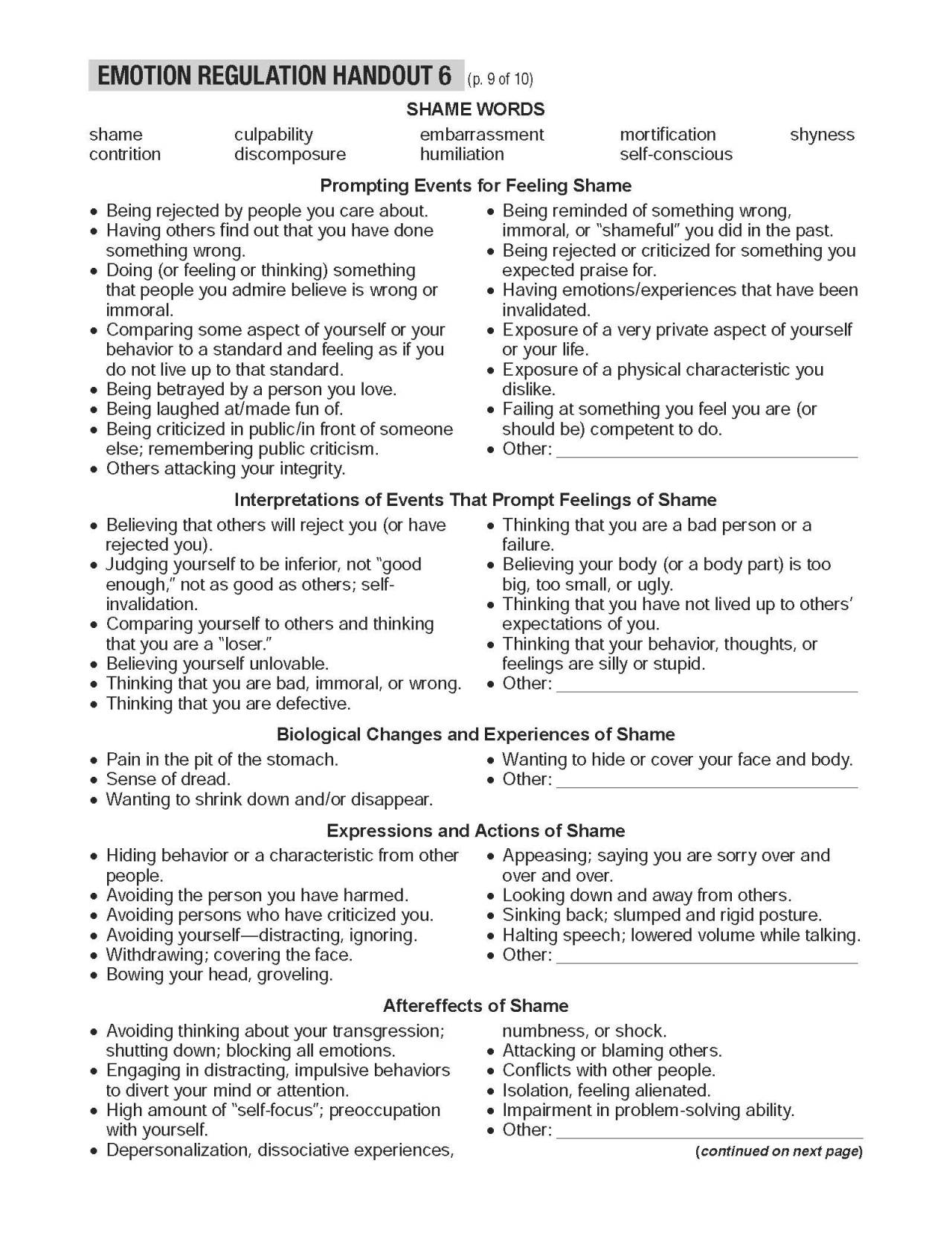
And it was a really interesting way of like shaming the behavior or the symptom or the feeling, whatever you want to label it as. Because it wasn't like I was feeling shame. It was just like this, like very logical, like most people can do this. So I should be able to also. And you might be like, well, obviously you're shaming yourself there. That's very clearly like a shame based narrative going through
your head. But for some reason it didn't really clearly come across as like I'm shaming myself for not being able to have a consistent and regular sleep schedule. And what was really interesting, and I've now noticed that I've done this with other things as well in my life, but it was normally like, I should be able to do this thing, but then I also wasn't accepting help or putting benchmarks in place to allow myself to do the thing as maybe I should be able to, if
that makes sense. So there were a number of things with respect to my sleep, like going to bed really early, making sure that I was really consistent with my medications, not doing caffeine certain times of the day, doing more caffeine in the morning, being really consistent with Cbti and really exploring like these thoughts that I was having about sleep and why I was more avoiding the night routine or more resistant
to trying these things. All of these support systems or scaffolding that I could put in place to allow me to sleep better, I was not doing because I was like, I should be able to do that without those, despite the fact that if I did those things, I would get the outcome I wanted. And I'm curious if you guys have experienced this as well. Maybe it's with school, maybe it's with things with your mental health where it's like you have resources available.
You know, if you do the thing, you'll have the better outcome. And it's not that you're like lazy or you don't want to do the thing or it's extra work, but it's literally you being like, I should be able to do this by myself. And not only am I accepting that I can't do this by myself and accepting the help, but I'm not going to accept the help because I just should be able to do it alone somehow. And I felt like I caused myself a lot more like stress and
ineffectiveness. And I like literally lost sleep over it because I didn't want to like accept these resources or help because I felt like I should be able to do the thing without support. And when I kind of had that realization, I was like, Oh my gosh, like that train of thought doesn't remotely track that I can't do the thing like a quote UN quote normal person can. And then I also will not accept the help to allow me to get on the quote UN quote normal person
outcome. And I'll just struggle and not do the thing and be more distressed because I like deserve that. And it just didn't make sense. And so once I realized that that was how I was approaching the like lots of additional supplemental ways of scaffolding my sleep, and this could apply to anything, it was easier for me to accept help and again, really focus on that outcome of like, OK, my goal here is to get better sleep. My goal here is to wake up at this time every day.
And yes, I might need more support and more scaffolding to get that outcome. And not using those resources and support is not only going to not make me get to the outcome, but I'm going to feel worse about it and I'm going to dig myself a deeper hole. And so that was really helpful for me to think and sit with and unpack and like, do some radical
acceptance around. Like, OK, at this point in my life, if I want this outcome of sleeping better, being able to wake up in the morning without feeling so exhausted and sleep deprived, have a consistent schedule, I have to stop getting mad at myself for not being able to do this the way that other people are and accept help. Otherwise, I'm not getting the outcome, and I feel bad about it, if that makes sense. So I find it really helpful to understand, like, what shame is
as an intellectual concept. I'm an intellectualizer. Can you tell by how this episode has gone so far? And then I'm better able to recognize it and interact with it differently because I was doing this for like weeks and months, if not years, without realizing. Like, Oh my gosh, I'm shaming myself and not doing this behavior because I'm ashamed of needing support.
So in DBT or dialectical behavioral therapy, the way that we think about emotions is that they either fit the facts, like they're justified in a given context, or they don't fit the facts. So like, is it a proportionate response? Does it make sense to feel this way? Emotions are always valid. So we don't ever say I shouldn't feel this way because I'd be shaming ourselves. We don't say this is bad to feel this way. It's wrong, it's blah, blah, blah, blah. It's always valid.
We always feel those things. We createspace for them. It makes sense given the context, but sometimes the amount of the emotion we're experiencing doesn't fit the facts. Maybe it's it's disproportionate, maybe it's not justified, maybe it's being overanalyzed, etcetera. And that's when we work to change the emotion. And so shame fits the facts when you're going to be rejected by a person or group that you care about if your personal characteristics or behavior are
made public. I'm doing this podcast episode right now about how I was not doing well with my sleep. So my shaming really didn't fit the facts. Would people maybe be like, wow that's really unfortunate that you're 22 years old and you don't have a normal sleep
schedule? I mean, maybe, but would my family and my friends and the people whose opinions I care about reject me and excommunicate me and treat me differently if I was like, I really struggle with my sleep and I need to put a lot of scaffolding in place to allow myself to have a somewhat normal sleep routine and not be constantly exhausted? No. And I also what's interesting about this, like internal shaming was I had the lived experience to know that like, my
family's supportive. My friends are so patient and supportive. You guys are listening whenever I go Mia for a bit because I'm napping. They're always so sweet and kind and understanding. One time sophomore year of college, I was sleeping for not literally 48 hours but at like odd hours during a 48 hour period. So I wasn't responding to like face times and texts from my friends.
And my sweet adorable friends Alice and Bianca, if they're listening, showed up by my front door to like literally be like, are you alive? We haven't heard from you all weekend. Like what is happening? And I was like, I'm sorry guys, I was just sleeping. I was very tired anyways, so I had the lived experience to know that like the shame doesn't fit the facts, like I won't be rejected or humiliated based on this thing. And yet I was still shaming myself.
So it's interesting that like even when we know logically or we have the lived experience to support the fact that we won't be rejected, we still hold ourselves to that higher standard and are like more sensitive about what's embarrassing or shameful. So in this context, it's not
effective to feel the shame. It doesn't make sense given the situation, and it's preventing me from getting the outcome I want, which is having a good night's sleep, having a consistent sleep routine, accepting the resources and skills that are at my disposal. So DBT opposite action for shame are Oh my God you guys wait, this is a funny moment.
I'm literally doing the opposite action to shame with this podcast episode, but I just didn't even realize until I'm recording it such a DBT sleigh, which is making public your personal characteristics or your behavior with people who won't reject you, which is you guys, the lovely sheep resisted community. I know you guys will not reject me or shame me or make fun of me because I'm like, my sleep is a hard thing that I have to work very hard at to keep consistent.
And speaking to that experience and being like, I not only struggle with this thing, but I'm thinking about it in this way that's like really even more ineffective and it's causing me distress and embarrassment or whatever it is. Speak to it. If you want to send me a voice memo or a message or comment below the episode, what it is you're struggling with, put it out there. I'm here to support you. I'll respond. Be there as a good listener validating others.
She persisted listeners and also do the same if you see any messages or comments. So A, put a voice to it, name it to tame it is what we say with shame and B, repeat the behavior causing the shame over and over and over again. So like for me, I was like, I shouldn't need the scaffolding and resources to have a good sleep routine. So I'm going to use all the scaffolding and resources and support to have a good sleep routine until it's normalized.
I'm like, this is working great and I can use these and I can settle my alarms and have my really early night routine and take my melatonin at the same time every night and drink my multiple coffees in the morning. And that's like normalized and what happens and doesn't feel shameful or like odd or like I should be doing something differently.
Then there's another level of this which we call all the way opposite actions for shame, which is not apologizing or trying to make up for what's happening. Like so sorry, I'm drinking my third cup of coffee for the day. I'm a bad sleeper, which I do this if like you have ever been around me IRL and I'm like, I'm a bad sleeper.
Like sorry, like I told my friend who we carpool to work and I was like, if for for whatever reason you ever don't see me, by the time we're supposed to leave for work, go without me, I probably didn't wake up. Like I'm so sorry and it's not on you. It's a me thing. Like apologizing for things that haven't even happened yet, which also I feel like is an effective thing to like set expectations and I take accountability.
It's not on someone else. So that I also do feel is like an effective expectation boundary communication to set, not apologizing for like I have to go to bed early and like I can't do that tonight because like I have work tomorrow and I need to be really consistent about my routine. I'm going to be exhausted if we go and do that thing after class because it takes me X amount of time to like wind down, do my
night routine, etcetera. And then the last one, which I'm not doing at all, curled up, sitting in my bed comfortably for this episode. But changing your body posture. So fake it till you make it, looking proud, competent, lifting your head, body language that maintains eye contact. You are acting in like a competent, proud, intentional way with this behavior because you shouldn't be ashamed of it.
Your body language shouldn't be embarrassed or shameful because this isn't a shame inducing situation. Remember, it doesn't fit the facts. We're changing that emotions because it's unjustified and
ineffective. So like I said, like if I am late for work because I don't use my support systems to get myself up on time and get rested enough that I can wake up for my alarm in the morning, I should feel guilty because I've made a commitment and I have a responsibility and I'm letting others down South. In that situation, you do act in accordance with the guilt, but not always with the shame, if that makes sense. So in that situation, you make
public the behavior. So you like explain I have a really challenging time with my sleep. Normally I do all these things to try and set myself up for success and make it as easy as possible for myself to have a like seamless easy morning routine and not feel sleep deprived. This is like something I'm struggling with. Being vulnerable about that, apologizing for the behavior, taking full accountability.
I didn't wake up on time. I didn't follow the routine that allows me to be successful in waking up in the morning. I scrolled on TikTok instead of going to bed. I didn't put my book down. I didn't start my night routine early enough. Whatever it is, repair the transgression. So what harm did you cause in the situation? Like I was late, which means that I missed out on the 1st 30 minutes of work.
So I'm no stay 30 minutes later I caused someone else to have to take over my workload because I was late and they had to cover for me. I'm going to cover for that person and apologize and make up the same amount of work for them, etcetera. Repairing the trust. How long do you have to show up for work on time? Is that person doesn't see you as someone who's not reliable or consistent or able to show up and trust that when you say you'll be there, you'll be there on time.
Then you commit to avoiding that mistake in the future to them and to yourself, yourself that like you will be there on time and you will wake up and that's not something that they have to worry about. And then accepting the consequences gracefully. Are you fired? Is there like a pay doc? Do you have to apologize? You have to reschedule something, stay late, whatever it is, right? You accept those consequences because the guilt is justified based on those actions.
You take accountability and then the all the way opposite actions for shame when you do feel guilt. So like, you should be guilty behaviorally, something was ineffective, you committed a transgression. But we're not shaming ourselves because like, you did something wrong, but you as a person are not wrong, right? Like that's guilt and shame. I should have clarified that earlier, but it's a good thing to be aware of. So guilt is I did something wrong.
Shame is I am wrong. So we can do something wrong, but that doesn't mean that we're wrong or bad as people. So we can do all the behaviors to make reparations for doing something wrong, but that doesn't mean we want to endorse these like thoughts and feelings that we as a person are wrong and bad. So the other two things that you do is forgive yourself, acknowledging the causes of your behavior. Like you guys can hear me being like, I didn't set my alarm, I didn't get to bed early enough.
I didn't stop scrolling on TikTok. Not I am a bad person, I am lazy. I don't know how to wait. Like right. Like it's what were the external things that led to this? And then we let it go, we move on, we keep going with our lives because it's not going to change the outcome.
It's not going to change the relationship or the behavior to continue to sit in it and Stew with that thought behavior thing, whatever it is. And this is something that I do feel I'm really good about is letting it go, being like nothing is going to change at this point. We just keep moving forward and giving yourself that grace. So what am I doing now moving forward? I am doing all those things with the opposite action and over the top opposite action for the shame in this context.
So I'm talking about it. I'm not apologizing. I'm doing the behavior of like putting the scaffolding in place, using my sleep hygiene routine and not feeling ashamed. Like I need an early bedtime and lots of structure and support and I can't just sleep for three hours and be fine the next day.
I'm being really mindful of how I'm thinking about my sleep, knowing that like OK in the past, this is an emotional vulnerability that like things around my sleep are not only really challenging, but I have a lot of feelings around them. Like I'm more predisposed to feel ashamed or guilty or angry, whatever it is. So when I'm having thoughts and feelings about sleep, I'm paying a lot more attention to them and I'm having more awareness around the OK, like what's the root
fear there? What's the feeling? What's the thought and why? And then I'm packing that, checking the facts. If it's justified, we continue on our way. If it's not justified, we do opposite action. So I hope that you guys are not also struggling with your slave because it's not a fun thing to
navigate. But I do hope that this was helpful if there's something else that you keep shooting and shaming yourself about to. Understand how to be more aware of that and how to navigate that in a really like self compassionate and effective way and to get the outcome that you
want, right. So if you're also in that position, I hope that it was helpful to kind of unpack, intellectualize that a little bit and understand how you can kind of counteract those feelings and thoughts and get out of our own way because I feel like that's something I do a lot and I'm sure you guys can relate to that as well. So if you liked this little like mini solo where we just reflected on things and thoughts, let me know.
If you want to name it to tame it and send me a message to DM and e-mail anything to let me know what it is that you're working on feeling less shame about, let me know. I'd love to be a listening ear there to support however I can. I really do hope this was helpful. I want to do more episodes at some point on shame and do like a book club episode on like Brene Brown's episodes in her work because it's such an interesting thing.
And I think that's one of the things I struggle most with with my mental health, which is why it's popping up here with something as inconsequential asleep is shame and like really internalizing and attaching our behaviors and our feelings to like us as people. So more episodes on that coming at some point, but I want to do more solos for you guys now that I'm not as intellectually drained from classes and exams and work and having a little bit more mental bandwidth, which is
exciting. So if you guys have any requests for solo episodes or things you want to hear on the podcast, let me know. I hope this was helpful and I hope you guys have a great week and I will talk to you next Thursday if you enjoyed this episode. If she persisted, make sure to leave a review, subscribe and share with a friend or family member. Follow along and at She Persist a podcast on TikTok, Instagram, YouTube and more for bonus content. Thanks for listening and keep persisting.