



¶ Introduction to Scaling Service Based Business
 Tiffany-Ann Bottcher
Hello and welcome to the Service Based Business Society podcast. I am your host, Tiffany Ann Botcher. On our weekly episodes, we will dig into everything you need to know about scaling your service based business without losing sleep. With my experience in creating over 7 figures per month and a passion for marketing, finance, and automation, this show will provide tangible tips and techniques for scaling your business. Let's get started.
¶ Disney's Customer Experience Secrets
Welcome back to another episode. If you've ever been to Disney, you've experienced the magic, the kind of customer service that makes everything feel seamless, special, and unforgettable. But what if I told you that your business, no matter the size or industry, can create that same kind of customer experience? Today, I'm sitting down with Vance Morris, a former Disney leader turned customer experience expert, to unpack the real secrets behind Disney's legendary service. We're diving into how small businesses can create world class experiences, charge premium prices, and turn customers into raving fans.
From turning mundane tasks into magical moments to the power of systems and processes, this episode is packed full of high impact strategies you can implement today. If you're ready to Disney ify your business and unlock next level success, this is an episode that you cannot afford to miss. Welcome to the show, Vance.
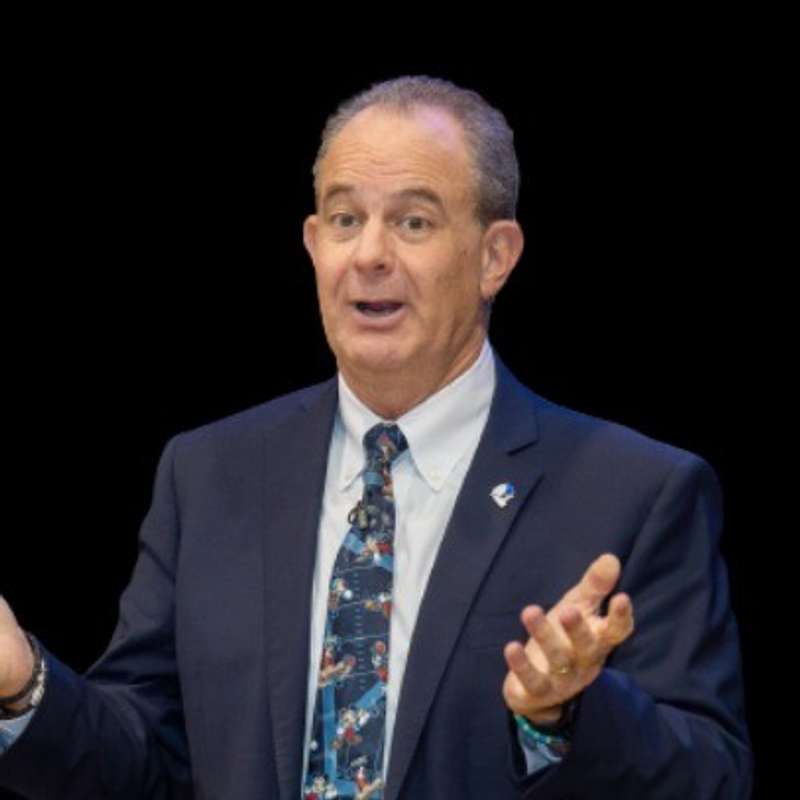 Vance Morris
I appreciate it, Tiffany, and this will be fun.
Tiffany-Ann BottcherYou know, it's interesting because if if anyone's been listening to the podcast for a really long time, they know we have talked about Disney way, way long ago, but we did not have the Disney service experts. So when this, opportunity came up, I was super excited about it because if anyone has been to Disney, they've experienced the magic that is the Disney customer service and the Disney customer experience, the service delivery, all of that. And I think it's so important for any business. Yesterday, I was actually doing an interview with someone else and they were asking me questions about, my business and they said, what do you think is the difference maker? If someone wants to start a business and they're thinking, hey, is there room in the space?
And I my answer wholeheartedly was, I think that if you can change the game, if you can offer the top customer experience, that there's room for anyone, that there is no business out there that there's too many of because I think that anyone can do it better than someone who's already doing it. And so, you know and I think that that's Disney right there.
¶ Importance of Customer Experience
Vance MorrisYeah. 100%. I mean, we live in a very commoditized world. I mean, you're you're absolutely right. And there's nothing that separates businesses from each other except for the experience that's provided.
I mean, a dentist is a dentist is a dentist. I mean, there's only so many ways to clean teeth. You know? They either get the little brushy thing or the squirty thing, and that's kinda it. So, I mean, what's the only difference that can be made is that in office experience, or do they create some kind of theme out of the dentist office?
I had a, client, who's actually a dental client, and she decided that she was going to only be a pediatric dentist, which was smart. She was really niche down. But she took it even further, and we found out her favorite movie was Peter Pan. And she was going to be the pirate dentist. And so when you niche and when you create experiences, you also get what's called price elasticity.
¶ Creating Unique Experiences and Premium Pricing
You get to charge premium prices for these incredible experiences. So back to our dentist. She dressed up as captain Hook every day. The, cleaning, what do they call them? The cleaning technicians, or dental hygienists, whatever, all dressed as mister Smee.
And they walk around the office all saying, argh. And the kids love going there. I mean, when was the last time your kid wanted to go to the dentist? I mean, usually, I don't even wanna go to the dentist. And, you know, usually, they're dragging, screaming, and crying. They don't wanna go, but people just line up to go to her place.
Tiffany-Ann BottcherThat's amazing. And that really is the ultimate piece of when someone wants to go somewhere where they wouldn't normally go or when people will happily spend significantly more money. And so I'm I'm in the the planning stages of my own Disney World trip for my daughter's upcoming cheer competition. And, so I've been, you know, joining the Facebook groups. I'd never we've been Disneyland a couple times.
I'd never been to Disney World. I had no idea that there was so much research and planning required to do Disney World effectively. And so I feel like I've, like, been immersed. Now my social media feed, all it shows me is all the all the Disney things. And over and over again, you see people talking about the amazing cast members and the customer experience and the fact that, you know, maybe someone had a medical emergency when they were there and and, you know, oh my gosh.
My kid fell and split their head open. But can you believe that it actually turned out to be a totally fine experience because and it's all of these pieces where it's over and over again. It is this examples of well done customer experience. We have a party shop nearby in town, and they're going out of business. And so my daughter and I went in there recently.
¶ Examples of Well-Done Customer Experience
We were getting some some birthday decor. My daughter's 12. She says things often that, you know, without a filter. And we walk out of the store and she says, you know, mom, perhaps if there was better customer service, they wouldn't be going out of business. And I thought out of the mouths of babes because %.
I was like, yep. That's that really summarizes it. She's like, they've got cool stuff, but, man, like, I mean, here she is at 12 and has identified that, like, hey. Great product, terrible service.
¶ Congruency in Business
Vance MorrisYeah. Yeah. They have to be matched up. Otherwise, you're incongruent. I I I hosted my mastermind group at this kind of historic inn in Annapolis, Maryland, right across from the Naval Academy.
Beautiful place. But there were some things that were out of place in the rooms. I don't have it close to me, but in the, in the bathroom, they had plastic water cups. And on the plastic water cups, it was emblazoned luxury division of whatever hotel. And I'm like, Holiday Inn gives us real glass, and do you have to tell us it's luxury on a plastic cup?
So you have to have that congruency all through your business. If you're gonna have lobster Thermador and it's a, you know, and it's a $200 meal, well, you know, the guy who's serving it probably shouldn't be in, you know, jean cutoffs and a tank top shirt. I mean, it's just it has to be congruent. And I think that's what Disney does so well is that everything is themed, so you're not going to so if you are in a high end restaurant, the servers and the cast members are all going to be dressed appropriately to serve a high end meal. And if you go to Casey's Corner in the Magic Kingdom where they serve hot dogs, well, they look like they should be serving hot dogs.
So everything is congruent, and I think that's really important. And I wanna go back to what you said at the beginning, you know, with things with accidents and things that happen like that. A lot of times with businesses, we can actually make a situation better or make an experience better than if a problem never happened. Mhmm. Make it even more memorable.
¶ Turning Accidents into Memorable Experiences
My daughter, when she was younger, we were at Disney. And, of course, we told her to, you know, we're going. We're gonna be walking all day. She has this new pair of sneakers. We said wear socks. Oh, no. No. No. No. Mom and dad don't know squat.
Socks are not cool. I'm not wearing socks. I kid you not. We weren't in those shoes thirty minutes, and she's got blisters. So we go over to the little first aid station, to get some band you can't buy Band Aids, but you can go to the first aid station and get them.
So we're in there, and we're sitting there with a guy, and he says, you know, well, how'd you get these? He goes, well, you know, they're new shoes. Mom said to wear band socks, but, I didn't. And now I'm you know? While we were getting Band Aids put on, somebody else from the medical center went over to one of the merchandise stores, got a three pack of socks, came over and asked my daughter, well, which one of these would you like?
And I'm gonna use my daughter, oh, yeah. Okay. The frozen socks are kinda nice. So I just put the frozen socks on. And I'm like, alright. You know, what do I owe you? And he goes, oh, don't worry about it. And he gave us the other two pairs of socks to
Tiffany-Ann Bottchergo. Amazing.
Vance MorrisWhat did it cost Disney to do that? You know, I mean, the socks are made in China. I mean, it's probably 50¢, 70 5 cents worth of fabric. That that just that gesture Mhmm. Has so much meaning.
Again, it has congruency with Disney's level of service, but now I have a story to tell others. It wasn't just a, okay, we went we went on the rides, we had some nice meals, we took some great pictures. Now I got a story to tell that, oh my god. They went above and beyond. We got Band Aids, and and they, you know, gave us free socks. It's Totally. You get a story. Your business becomes tellable.
¶ Reacting to Mistakes
Tiffany-Ann BottcherAnd I think that we often focus on things never going wrong in business that, you know, it's we don't ever want mistakes to happen. And I was actually on a a sales call a couple years ago, and I still remember what the the perspective vendor said. And he said, I'm not gonna tell you we won't make mistakes. I I guarantee at, you know, this scale, we will. But I will say that our team will do absolutely everything we can to make it right every time.
And it was like, okay. I appreciate the honesty because those that say a mistake will never happen, it it feels insincere.
Vance MorrisI mean, mistake I mean, you're dealing with humans. Mistakes are unavoidable. It's how you react to it. You know, certainly with a mistake in business or, you know, when you're serving people, what you want and what you want to do and what you need to do is cut down the amount of time between the mistake and the resolution to the mistake. The longer the period of time, the worse it's going to get and the more it's going to cost you to fix it.
So if you got a burnt steak at the restaurant and the server can run back there and immediately get another steak and bring it out, and then there was only a few minutes' time and maybe he brought a salad or something to serve you in between. That's probably all it's gonna cost the restaurant. But, boy, if you got a burnt steak and then, you know, the server argued, well, you wanted it well done and you know? But, no, I didn't. I said medium rare, and you get into an argument and then stretch it out.
And then, well, I gotta get my manager to come over and the manager gets in. Now it's strict. I mean, now it's a period of time has elapsed. And instead of just having to maybe comp the guy's dinner or and maybe he didn't even have to do that. Maybe he just got him a new steak. Now you're comping his whole dinner. Maybe you have to comp the entire table's dinner. Maybe you're inviting him back for another time. The compensation piles up. So it's just like a wound.
I mean, if you cut your finger and you put a little ointment on it and a band aid, well, it's gonna get better in a day or two. But if you cut your finger and, you know, you rub a little dirt in it and then you don't do anything, well, you know, it's gonna get infected and then it's gonna get gangrene, and then sooner or later, they're gonna amputate. It's the same thing with a problem. I mean, it's just you can't let time go by because the problem is only gonna get worse.
¶ Hiring the Right People
Tiffany-Ann BottcherYes. So one of the things that that I find so unique about the Disney piece from a business perspective so forget the fact that as a customer, it's amazing. From a business perspective, one of the things in every business that's so challenging is hiring people and then sending them out into the world and hoping that even when no one is paying attention that they're doing the right thing. And, obviously, we hire the best we can. Obviously, we do a great you know, you you go through a vetting process and, you know, you got a good feeling or you don't have a good feeling, but nobody really hires anyone that they think is not gonna do a great job.
So everyone who's ever been hired is with the hope and intention that it will be a great job. But Disney does that at I mean, we're I mean, I don't know how many people work there, but hundreds, thousands, I don't know, lots. And and overall, the consensus is that those people are doing a great job when someone's paying attention, when someone's not paying attention. How at that large a scale scale is that done?
¶ The Importance of Attitude
Vance MorrisIt ain't easy. I mean, in Orlando, depending on the season, there's probably 75 to 80,000 employees just in the Orlando, Disney World. One of the things they look for is attitude. It's primarily they do a lot they work with Gallup or the Gallup organization. So there is a lot of testing done to see if they are service oriented, to see if they have what they call a heart for service.
Because myself included, we are the firm belief we can teach you to do any job. We can teach you to carry a tray in a restaurant. We can teach you to drive a bus. We can't teach you to be nice. Right?
We can't teach you to truly sincerely want to help somebody. I mean, we can coach you a little on that, but that's something that you have to bring with you. So certainly through through those assessments, we're looking for that. Then, obviously, in the interview, we're asking more questions about personality, about how they would handle situations than we are, you know, can you tell the difference between a a glass of Chablis and a glass of Chardonnay? So we wanna address that first.
And then really looking at the I almost lost my train of thought there. Sorry. Yeah. I did lose my train of thought completely. Let's that happens. It does. They're not necessarily. Alzheimer's sometimes kicks in. But hiring for the attitude is paramount because, again, we can just train people to do anything. And I think that and Disney knows that though that they're they have a right fit for the right person.
So they might be a great person, but not very personable. So maybe, like, third shift custodial might be a good place for them. The park is completely empty. They don't have to talk to anybody. They just have to clean. So there's a place for everybody. And just through those tests, through those assessments, and the interview, they can certainly place people where they think they would be best.
Tiffany-Ann BottcherRight. Right. Yeah. It's interesting and and almost being that bigger size with more options makes it almost easier for the to find the right person because for a smaller organization that person who is great person but you know maybe doesn't want to talk to anybody maybe there isn't a night shift, maybe there isn't that you know a good fit. And so then it almost as much as it on one side makes it more challenging to do it at scale with more people.
There's also more opportunities. So interesting to kind of kind of o ying and yang of every situation.
Vance MorrisI have, the other part of my business is in addition to being a coaching consultant, I have three I own three home service businesses here in Maryland. And one part of the interview process is that they do a ride along with one of my technicians, out in the field. My belief is is that after about thirty or forty five minutes in the van with them, they forget that they're on an interview. And they start to freely talk about anything and everything, and they don't realize that my employee is gonna come back and report to me about everything that he said, everything that he did. I mean, most of the time, it it's good, and they'll say, yeah.
¶ The Ride-Along Interview Process
He chipped in. He carried this, and he helped there. And, you know, he told me about his family and everything. But every once in a while, they'll, you know, you'll say, well, okay. Well, you know, how how can I make a little extra money on the side while I'm doing this job?
And, you know, so some red flags start going up. But, you know, the more you can do before and that's an investment on my part because I pay for that, for him to ride along for that day. But so it's an investment for me. But I would rather invest six hours of pay, but know then that they're gonna be a lousy employee rather than hire them, begin the training, and be a week or two weeks or two months later and have to terminate them. And now I've blown two months worth of salary, and I gotta go rehire somebody and start the process over again.
So whatever you can do before the hire and before the job offer to really get to know that person, it's a worthwhile investment.
Tiffany-Ann BottcherGuys, interesting when you say, you know, heat they kind of forget that they're being interviewed 100%. And I think that people often, you know, they show up and they they put their best foot forward for the interview and every you know, the the things that are said are calculated and, you know, they've they've thought ahead and planned and so kinda taking them out of that environment to say, you know, hey, this is a more natural environment. You've spent, you know, if they're in the, you know, home services, they're they're now they're out kind of in their environment. Now they're out on the road in the the van, off they go chatting with, you know, what is seemingly a buddy at this point. And so to kinda really get that more authentic view versus that, you know, I showed up in my my Sunday best ready to to say just the right thing.
Vance MorrisExactly. And my guys love it because they have to work with them. So Mhmm. They wanna know all about this guy or gal because sooner or later, they're gonna be working side by side with them, and they don't wanna be working with a sloucher.
¶ Protecting Company Culture
Tiffany-Ann BottcherWell, I think that that can really negatively affect company culture in two ways. You know, number one, when you hire and it's the wrong person all the time, especially if you're in a high volume situation, people are like, oh, yeah. We really need to hire another team member. Maybe they've been working some extra hours. They're like carrying them, like, you know, oh, great.
We have this new person. And that new person shows up on day one. They jump in the van for training and within, you know, half an hour that person is like, oh, man. Is this this who's supposed to be helping us? This is the help? Oh, no. This is never gonna work. And it almost, instead of being like, oh, thank goodness the help has arrived. Instead it's like, oh, this is terrible. And they know that now they're gonna battle this for a while.
It's not gonna work out. They're gonna have to start the process all over again. It it negatively affects the culture more so than had you just never hired in the first place and that person just kept doing extra work.
Vance MorrisYeah. You have to protect your your culture. You have to protect your brand really almost at all costs because, you know, one one sour apple or rotten apple in in the mix and, you know, I'm I I mean, we all make mistakes. I mean, I've hired a couple of people that ended up being subpar. And, you know, we lost a few customers because of it, but, you know, there's a saying, you know, hire slow and fire fast. And I'm of the firm firm proponent of that, that.
Tiffany-Ann BottcherYeah. It's interesting, and I think that, a lot of people in business think, like, would say, oh, yeah. That I agree. And I there's a few things in business I've really noticed over the last few years. People talk about business boundaries, and they talk about letting bad apples go, and all with this kind of like emphatic passion of like, yeah I believe in this.
But then when it comes actually time to deliver on those kinds of things the bad apples stay a little longer than they should or, you know, you want to give them the benefit of the doubt. And it I I get it. I totally get the wanting to do those things. But at that, you know, I I didn't an episode actually maybe in season two and that really was one of our lot of feedback on that episode. And it was really talking about the success of all was more important than the success of one.
And so, although you wanted to believe in the good of that person and their ability to get better, were you willing for it to to cost the company and your ability to employ your and feed the rest of, you know, the rest of the team? And when you kind of take that mindset, it, you know, it becomes kind of
Vance Morrisshift a little bit. I mean, I am all for giving people chances within certain parameters. And, I mean, I've got I mean, Disney when we were working at Disney, Disney's unionized heavily. Mickey is a Teamster, by the way, in case you didn't know that.
¶ Managing to the Contract
Tiffany-Ann BottcherI didn't.
Vance MorrisThe easiest thing we could do as leaders was manage to the contract. Because if we did that, when it came time for discipline or termination, the unions had nothing to argue on because we followed the contract to the letter. So whether it was attendance or some kind of, you know, dispute with how they were performing, as long as we followed the letter of the contract, when it came time to discipline, they couldn't say anything. And so, I mean, I have I don't have quite the contract in in my business now, but, you know, we do have an attendance policy, and it's in black and white, and we follow it. I I was talking to one of my, coaching members the other day, and she has a manager that works for her.
And one of the, customers, they run a school, and one of the customers was, you know, was showing up late or not showing up for, for classes. And they they have it in black and white. Says, look. If you don't show up or if you're late, it counts, you know, as one of your classes, and you don't get to make it up. And the owner was like, oh, just, you know, she's she's a good person.
We'll we'll let her slide. And the manager was like, well, why do we have a policy then? I look like an idiot because I told her no, you know? So if you're gonna have a policy, follow it. I mean, yes, you're the owner.
You do what you want, but you're not helping anybody by doing that. You're actually incentivizing bad behavior, which isn't helping anybody. But, yeah, when it comes to employees, you certainly I mean, if you've got the policy, if you've got the standard, you've got to you've got to manage to that standard. And when you do and when people know that that is what you're doing, it becomes a really easy place to work.
Tiffany-Ann BottcherYes.
Vance MorrisBecause they know. You know? It's not like wishy washy, like, oh, well, Vance is working today. It's gonna be easy. And Paul's working tomorrow, and, well, you gotta watch out for Paul. So Yeah. Yeah.
¶ Emerging as Leaders in Your Organization
Tiffany-Ann BottcherYou know, I think that's one of the hardest things for people who are emerging as leaders in your organization. And if we're kinda looking at at growing a business, a lot of times the business owner is the, you know, leader first and but then, you know, you talk talk about that that kind of manager who's now that middle management. One of the hardest things for that person as they're trying to come in and follow policy and and, you know, hit your objectives, and when they have said, no. No. We gotta follow the and, you know, we gotta follow this policy or and then the business owner comes in overtop and says, no, it's okay.
You really cut the legs out from under them. And so, you know, I was helping a client navigate a situation recently and I said and they wanted to walk something backwards. They were like, oh, maybe we were too hard on that policy and it was, you know, they hadn't foreseen some of these other circumstances. And I said, but you need to go back to that manager and coach them from the shadow in terms of how to walk they are gonna walk that back. Because if you come in over top and walk that back for them, they are forever the bad guy and you are the good guy, and it will render them ineffective forever.
Vance MorrisYeah. I always reverse those roles. So when I was a leader and I had managers reporting to me, I was like, I I always made them look like the good guys, and I was the bad man. You know? I was the guy walking around with the big baseball bat, and they always looked like heroes.
And, you know, they it was then the roles were you know, the managers were trying to protect the employees from me. Now, I mean, I wasn't a a a jerk, but, you know, that was that that was just the way it was, and and it worked.
Tiffany-Ann BottcherYeah. So, you know, you've got your coaching and consulting, and you've got these three other home service businesses. So, you know, all three coaching and home serve any kind of service based business is obviously taking some of these other pieces and providing good customer experience to grow businesses. So what would you say some of the key pieces that have enabled you to do that successfully, leaning on some of your your past knowledge and and kind of the Disney experience?
Vance MorrisSure. Great question. I I think a lot of but one of the one of the first lessons I got at Disney was not customer service or experience, and it wasn't how to pick up trash before the trash hits the ground, was that Disney runs on systems, and processes. And they are simple systems and processes, because if they were complex, the whole thing would fall apart. Because you gotta look at who the majority of the employees are at one of those theme parks.
¶ Disney Runs on Systems and Processes
They're all 17 and 18 year old kids, and they gotta push the button. And if they don't know how to push the button, things fall apart. So I've carried that with me. And systems give you freedom. It gives the owner freedom.
So, like, I have systems in place right now in my home service businesses, allowed me to put a general manager in place, and I don't have to do anything with those businesses except CashJax and GizBabies. I spend about ninety minutes a week in those businesses, and I meet with the general manager for thirty minutes a week. That's it. Other than that, I just make sure the bank account is balanced and we're good to go. For employees, systems and processes also give them freedom, and this is where Disney shines.
Because if you can not just memorize, but do your job simply by muscle reflex because you've always done it that way through roots. I mean, it just works that way. Now you have the freedom to do all of those nice things that Disney is known for. You know, do you know, make a napkin into a butterfly or taking pictures for a family or whatever it is. Because you know your job so well in and out, you're not worried about, okay, did I do this, did I do that, while you're taking a picture for a family.
So that's what allows that those extra wow moments, those extra moments of, you know, oh my god. This is fantastic. Look at what these people did for me. Well, they did it because there's a process for their job. They know it really well, and it gives them freedom to be able to do what it is they're doing.
¶ Implementing Systems
Tiffany-Ann BottcherRight. Right. Right. I mean, that applies to so many things that that it seems so intuitive. But at the same time, it's one of those things that it's it's almost so it seems so simple when you say it that you're like, well, of course, but then it it doesn't actually happen in application. So, you know, when we're looking at systems and and implementing, where do you find is the best place for someone to start that maybe thinks, I don't really have any systems or processes?
Vance MorrisPick one thing. So, I'll give you my strategy. If you got nothing, I mean, starting from scratch, let me give you the the impetus and the endgame. Any business that has documented systems, when you go to sell, you are automatically anywhere between one and one point five multiple more valuable when you go to sell. So right there should be all the reason you need to document your systems.
So the easiest way to do it is to map out your customer journey. So wherever you and the customer get together, map out the whole thing. So if the first point of contact is an ad or a postcard or a telephone call, okay, that's great. That's point number one. And then what's point number two? Okay. They come into the office. Great. What's point number three? Oh, they, you know, we we visit their home for this.
Right? And and you just go through. And then you take one of those points, and then you prioritize it. And you say, okay. Well, which one of these is gonna get us the most bang for our buck? What's gonna be either have the greatest impact on service? What's gonna give us the greatest increase in revenue? Or maybe what's going to give us the most savings in either money or time. And then you attack those. And as you're doing this, you're documenting.
And you just if you just do one a week, at the end of the year, you got 52 systems documented. And remember when I said Disney does it simply, and I do it I follow the same thing. Disney runs on three words. What to do, how to do it, and why we do it that way. So, I mean, what to do? Answer the phone. How do you do it? Okay. Thank you for calling the Grand Floridian and now we wish you a magical day or whatever it is. Great.
Why do we do it that way? Well, to make sure that the guests know that they, they've reached the right place and that we separate ourselves from all the other resorts on the property. I'm just pulling that one out from nowhere. But that that's it, and it's that simple. And you just do one of those each week.
You know, you can record yourself. I mean, if you're a solopreneur or if you're, you know, a small business and the owner's still working in the business, get your phone app that does recordings. And while you're driving around, start recording stuff. Upload it to one of those AI things and have it transcribed and you're done. Because when it comes to it with the with your policies and your standards, it helps you to also measure your employees because you don't wanna compare employee a to employee b.
You wanna compare the employee to your standard. Right. Because that's completely unfair to the employees, and it's not doing you any good either because both employees might not be anywhere near your standard. So we wanna make sure that you are are ranking and evaluating your your employees to the standards that you've set.
¶ Owning the Problem Until It's Fixed
Tiffany-Ann BottcherYes. Now I'd I'd love to kinda walk through a a situation with you and and get some feedback. This is one that I run into with a lot of clients who are asking, you know, where there's kind of this they're they're implementing procedures and policies. You know, they're they're realizing that we need to do it. And now they've started, but perhaps they're in that process.
You know, you're saying maybe one week. So maybe they're kind of part of the way through the process. So some things are documented and some things are not. And you have always some employees who are gonna follow things to the letter and some employees who are not. And so oftentimes, what what kind of people business owners run into is where they have someone who is who seems like they're a great employee.
They do that. They follow the policy to the letter, but when it comes to customer experience, that actually works to their default. So maybe that person is a frontline frontline communications. Maybe they're getting incoming phone calls, and they know that maybe customer Bob Smith there is very unhappy. But they are maybe it's a billing issue, but Bob keeps calling them and saying, hey.
I still had I haven't heard from anybody. And that person in that role keeps forwarding it over to the person who based on a policy should be dealing with that problem. But, obviously, Bob keeps calling. Bob has not been resolved. And that person in the end says, but I did the I I followed exactly what you said.
But Bob is unhappy. So what would you say in a situation like that? How can you you kind of blend the fact that customer you know, you've got policy and procedure, and it is being followed, but then you've got a cut and happy customer. So there's a somewhere something's not right not right.
Vance MorrisWell, the way I run my companies and the way it went my last few years at Disney, and I know it's this way with some of the big service powerhouses like Ritz Carlton, Chick fil A, and a couple others, is if you encounter the problem, you are responsible to see that problem through to resolution. Not that you have to fix it, but it you are responsible for making sure that it is resolved. So in the, example that you provided, if Bob called back a second time and your your CSR answers the phone and she should be saying, oh my god. You mean they didn't fix this yet? Alright.
I I you know, I will make sure that we get so and so to call you back, resolve it, whatever. And then she needs to get up off of her derriere and go find whoever that person is that resolves this and say, hey, you. Let's get this fixed because now it's on me, and I need to report back to the customer that we're doing something. And then you have a log or, you know, some kind of tracking, which you can either do in a CRM or, I mean, even have a notebook if you don't have anything else. And she makes a note to follow-up in a day or two.
Did it get resolved? Yes or no? Called the customer back, said, hey. I just wanna make sure that, this was resolved satisfactorily for you. So, I mean, that's I get it with policies. Sometimes there are, yes, those people that will literally work to the letter of the contract. But if you put something in there that is if you encounter an issue, if you encounter a problem, you kind of own the problem until it's fixed.
Tiffany-Ann BottcherYeah. And and I think that that just explains it so well in terms of kind of that ownership of, you know and and I ran into this quite recently. We we implemented a big system in one of our companies about six months ago. And and about at the six month mark now that we have enough kind of historical data and enough volume that you start to see that some things that you implemented originally made a little, you know, touch up and massaging. And so one of the things is there were certain tasks that, you know, someone needed training on, so they would they would assign it to the manager or the whoever was gonna teach them.
But in their mind, that task was now that person's, even though it was their client, their portfolio, their piece. And so things were getting missed because it was like, oh, well, but I assigned that to so and so. It's like, no. No. This is yours. And even if you don't know how to do something, that's okay. You can 100% ask the question. That person can walk you through it. But making sure that that all happens before the twentieth at 5PM when that's due, that you. That is you own that deadline.
Doesn't mean you have to know how to do it, but you have to make sure that you've tracked down the right people to make sure that it happens on that timeline.
Vance Morris100. Yep. That's what accountability is all about.
Tiffany-Ann BottcherIt's that ownership of of the the concept piece. So we talked about system and process. What are the other pieces that that really make the difference? You know, obviously, Disney, we we're saying they do lots of systems and process. They keep it on the simple side, and I think remembering who is operating those systems, such an important piece.
You know? So so often it's this big, huge, elaborate thing which may work for the engineer or the this or the that, but then you know, the actual person who has to come in is is like, I'm so lost. I'm very confused, and then it never happens. So what else what are the other pieces that that can really make a big difference?
¶ Disneyifying: Creating Experiences Out of the Mundane
Vance MorrisWell, I think, you know, certainly, we we go back to the being commoditized. Every business is. I mean, your business is commoditized. My business is commoditized. I don't know that any business that isn't.
So we have to rise above it by providing, the experiences. And the term that I call Disneyfying is creating experiences out of the mundane. So what are all the boring mundane things we do in our business day in and day out to keep the business running? How do we plus that? How do we raise the level of service for that thing?
Disney has figured that out. So I'll give you an example for my carpet cleaning business. So one of the boring mundane things we have to do is get into somebody's home. Right? So we have this completely scripted out, and we follow-up with it. It's, you know, it's in our OJT book. So it starts in in the street. We park our van in the street. We don't park in the driveway because, god forbid, I got an oil leak. Now I got something else I gotta clean up.
And the technician gets out of the van. He's in a clean uniform because he carries extra uniforms with him in case he gets dirty on the job beforehand. He smells good because he's not allowed to smoke on the job, and he's not allowed to wear, cologne because there's nothing worse than a technician walking around smelling like day old Marlboros, and he just took a shower in Axe. Some people like it. I mean, if you wanna go to seven eleven and buy a bottle of it, knock your socks off, but that's not for my guys.
So he gets a special mat and a little gift, and he goes up to the front door. He lays down his special mat. He knocks on the door. He doesn't ring the bell because friends knock, salespeople ring the bell, takes a couple of steps back, waits for the customer to come to the door. Customer opens the door, and he says, hi. My name is Josh. I'm here to create your healthy home. May I come in? We don't just barge in. And, customer will, invite us in.
We do an exaggeration, so like we're like we're performing a show, we exaggerate, wiping our feet on the mat, put little booties on our shoes. And as we're going into the home, we present missus McGillicuddy with a gift. And I don't know about you, but when was the last time you had a home service professional come to your house, a plumber, electrician, carpet cleaner, and give you a gift before any service was provided? Gonna probably hazard a guess never. So we give them a gift.
It's not not a very expensive gift. It's a nice little custom blue box, and then it is a bottle of our spot remover, a bag of cookies, and a little note from me saying thanks so much for allowing us into your home. That is our scripted entry to get into the home. That is our experience. Now notice that that experience doesn't cost a lot of money.
I mean, that gift is under $5. Everything else is just cost of doing business, and I would have to do it anyway. But that gift, the cost of the gift is more than compensated because giving that gift starts a process called reciprocity. So if I give something to you, you feel compelled to give something back to me. So when we started giving this gift, we saw a 26 increase in our mid tier package, which equated to about $65,000 in additional sales every year.
So a little $5 box generating additional sales like that. I'm like, oh my goodness. This is great. So you just have to think, okay. Well, what what are some of the, you know, what are some of the stereotypes of your business?
¶ Answering the Telephone Live
How do you break them? How do you completely go opposite of what everybody else is doing and do that? So that's one of the ways. But, you know, just look for those boring mundane things. Answering the telephone is I'll tell you how to separate yourself from everybody else in the world.
Answer your phone live. Seriously. Answer your phone live. You will be heads and tails above everybody else in the world because everybody has abdicated phone answering to some kind of app or service or something, and you can't get a live person. It's crazy.
Tiffany-Ann BottcherI think I think for that one specifically, anytime you're dealing with incoming people, whether that is the chatbot on your website, the phone, you know, a quote request form or whatever, That is that is someone you know, people are always like, oh, we need a new campaign. We need a new but this is someone who's already they're they're reaching out to you. They're way warmer than any random stranger cruising their Facebook feed. And there's so much thought and care that goes into things like an ad campaign and this specific metric and this and that. People put I mean, they study this.
But the fact that the person who actually already is ready credit card in hand to book you is on the phone, and it's, like, you know, the afterthought ultimately is just such a key piece. And and oftentimes, if we go back to that kind of, you know, business owner, whoever's in the business, maybe they're, you know, they are the person who's still on-site cleaning the carpets themselves. Now they're with the customer, phones in the pocket ringing, and they don't want you know, but maybe they're dealing with missus Smith already. You know, I feel like that is the the missed piece so often where, you know, you can you can get someone to answer the phone. It's not expensive, you know?
And so you can have someone answer the phone and and maybe they just answer the they've got their script. They answer the phone. They give that good experience, and they say someone will call you you know, come someone will call you back within the hour. That person who is ready to purchase is still handled. It's they're still getting a positive experience.
Vance MorrisI mean, I'm a partner in a call center. And when we were doing our research, we called 4,000 home service businesses in The US, and we got the phone numbers from Google pay per click. So people were paying to have their phone number advertised. 17% answered live. So there's how many thousands
Tiffany-Ann Bottcherof people got shocking but not surprising, where you're like, the number is shocking, but But at the same time, you're like but then you think to any time you've called the business in the last six months, and you're like, it's not surprising, though.
Vance MorrisNo. Not at all. But you you you you're wasting money. I mean, this is money go flushed down the toilet because we're just gonna go down to the next number. We're not gonna leave a message. If we do leave a message, we're still gonna go down to the next number because we want what we want right now. Mhmm. And that's how all consumers are. So we you've got to be able to satisfy that need. And people think that they can't afford this.
And and going to your point, a couple of minutes ago is you can't afford to not answer the phone. If you were to do so, like, you know, like I said, I'm part of a call center. And, I mean, eve our even our largest package for, like, a busy home service business is only $1,500 a month. And if so that's what if I mean, if you do if your job average is, I don't know, 400 doll. I mean, all you gotta do is get four jobs that you easily would have missed because the phone's in your pocket, and the service is paid for.
And easily, people are missing four calls a month, especially if they're, you know, solo. So, yeah, that that telephone is just I mean, as much as it's still as you do texting and videos and all the other stuff on your phone, it's still the lifeline to your business.
Tiffany-Ann BottcherEspecially if you know? And and someone I I was talking to recently, they were talking about, you know, Instagram marketing versus Google marketing and with all of these changes and how, you know and and so we were kinda talking about it. And I said, I can tell you with certainty if you have water pouring out of your ceiling, the last thing you're doing is scrolling Instagram trying to find someone who's going to help you that has the prettiest graphic. This is not you know, now if you're a photographer and you're gonna be showing your portfolio, then maybe that's a better you know, like, there's there's a good place for that. But, again, you know, if if you're looking for something specific, especially if it has urgency, you have a rat running across your floor, you have water pouring out of your ceiling, like like, people, this is we need help now.
Vance MorrisYeah. Definitely. You know? And it and it goes back to also you know? So I started I I started my cleaning business seventeen years ago. Like I said, I still own it. I had a a friend of mine, who's not too far from me start at the same time. And I have always been, again, going through the experience, all businesses need to let their personality of the owner shine through. They can't be viewed as a company. They have to be viewed as a person who's serving the community.
And so, I mean, I shamelessly use my children in my marketing. You know, I constantly make fun of myself deprecating humor all the time, any chance I get. And people enjoy it because it's entertaining. But, my buddy was, trying to make himself look like this big company, and he he got one of those phone tree things. And right when he opened, it was press 1 for commercial, press 2 for residential, press 3 for janitorial, press 4 for something else, and press 5.
All of those options went right to his cell phone. He was the only employee, and all those options went right to his cell phone. I'm like, you're a freaking idiot. What are you doing? Just answer the phone. Nobody wants all that.
Tiffany-Ann BottcherSo funny. I I think though that sometimes we we feel like we, you know and and perhaps in that situation, and I'm curious how you deal with this, people will start something and maybe they're not finished something else. So maybe they're still working, but they've decided they're gonna start their own business. And so they decide that they can't be the face. Or perhaps, you know, they are, you know, wanna try and dip their toes in the water, but they don't want anyone to really know.
Maybe they say, hey. I I wanna start a cleaning company, but I, you know, I my my family thinks I'm taking on too much anyway, and I don't wanna do that. And so, you know, one of the questions years ago, a client asked me they want you this this big store, this online store, and and she was kinda shy. And I said, I really think the only way you'll make this successful is if you're willing to be the face publicly. And if you're gonna be on your social media and you're gonna be sharing because people buy from people.
And so you can buy that specific item just about anywhere. And I I said, but you, people really like you. So if you're willing to get over being shy and show up and, you know, if you wanna if you wanna sell all over the place, then you need to get on, like, short form clips and be sharing who you are and why this is cool. And she was like, oh, yeah. Yeah.
Yeah. Yeah. Yeah. But, you know, a year in, she was still and she's like, the marketing's not working. And I said, because you're missing you're missing you. You really are.
Vance MorrisIt is. I've got a, a client who's a, manufacturer of luxury shampoo, and it's a hair regrowth shampoo. And his target market is postmenopausal women and post, radiation and cancer treatment because I guess that when the women lose their hair. And he used to be a hairdresser to the stars. So movie stars would fly him out to sets and things, and he would do their hair and come back.
And you look at his website right now, and his face is, like, really hard to find. And I'm like, dude, you need to get your face out there. People, you are a celebrity in your own world. Play with that. You need to get that out there. So I I 100 agree with you.
¶ Being the Face of Your Business
Tiffany-Ann BottcherSo when you have a portfolio of businesses, do you are are you the face of all of your businesses, or is that something where now you have a general manager and maybe they're taking on that role? Or how do you how do you do that once you start to kinda go in the business group collection?
Vance MorrisYep. So, it took a while for the transition. So yes. So Steven, who's the general manager for my home service businesses, it took a good solid two years to transition. You know, people would call up, I want Vance to come clean.
And, well, Vance doesn't clean anymore. You know? And, so, yeah, it took some time to really separate myself from that. But now people I mean, you know, Steven's got kids. They love I mean, they ain't got little kids, so he's they're eating up his little baby stories and all that kind of stuff.
But, you know, my coaching business, this is I am the face. I'm it. Oh, if I if I stop, the business goes away because I'm it. And and I'm okay with that because I there's really nobody I could sell this to. The home service business, certainly. I mean, I could sell that to anybody. Yeah. I I I think that I mean, bricks and mortar stuff, stuff that doesn't require the personality behind it to to make the business go. Yeah. Those, certainly, you can transition to somebody else.
It take a little time, but you can certainly do that. You know, stuff like I do with this, now as soon as I'm done, I'll just turn the lights off and walk out the door.
¶ Tangible Tip: You Won't Profit Unless You Implement
Tiffany-Ann BottcherThere you go. So one tangible tip that someone can implement in their business tomorrow that can really make that difference.
Vance MorrisWell, aside from answering the phone live, because I think we beat that one to death, I would say I don't have many mantra. Actually, I only have one mantra, and that is you won't profit unless you implement. So I would say take one thing you heard today, whether it be on this podcast or somewhere else, take one thing and implement it tomorrow. Pick one. I love that.
And get the results from it. Something you read in a newspaper, if you still read the newspaper. I do. But just pick one thing you learn and just commit to implementing that one thing. See the results and pat yourself on the back that said you did it, and then go do something else.
Tiffany-Ann BottcherI love that. Fantastic advice that applies to absolutely every single person listening. So, Vance, where can people follow you, get your content? Where where do you hang out online?
Vance MorrisSure. Best place is, my website, which is deliverservicenow.com. All sorts of free downloads and things there. Just put out a, a new I call them hot sheets. And so it's 52 ways to wow your customers without breaking the bank.
So it's all free and really low cost ways to wow. So you got one wow for every week of the year. And then, if you wanna follow me, I'm really only on LinkedIn. Flakebook is not my place, but, so I'm on link I think I'm the only Vance Morris on LinkedIn as well. So either the website or LinkedIn.
Tiffany-Ann BottcherWell, thank you so much for being here. I think this this episode just gives so much value that is 100% implemental in every single business out there.
Vance MorrisTiffany Ann, thank you so much for having me on. I appreciate it.
Tiffany-Ann BottcherWe're all out of time for today, but the fun doesn't stop here. Make sure to subscribe to the Service Based Business Society podcast on your preferred podcast app. If you're hanging out over on YouTube, search for Tiffany Ann Botcher. Your likes, shares, and reviews really do help the show. Until next time, have a great week.