



¶ Intro
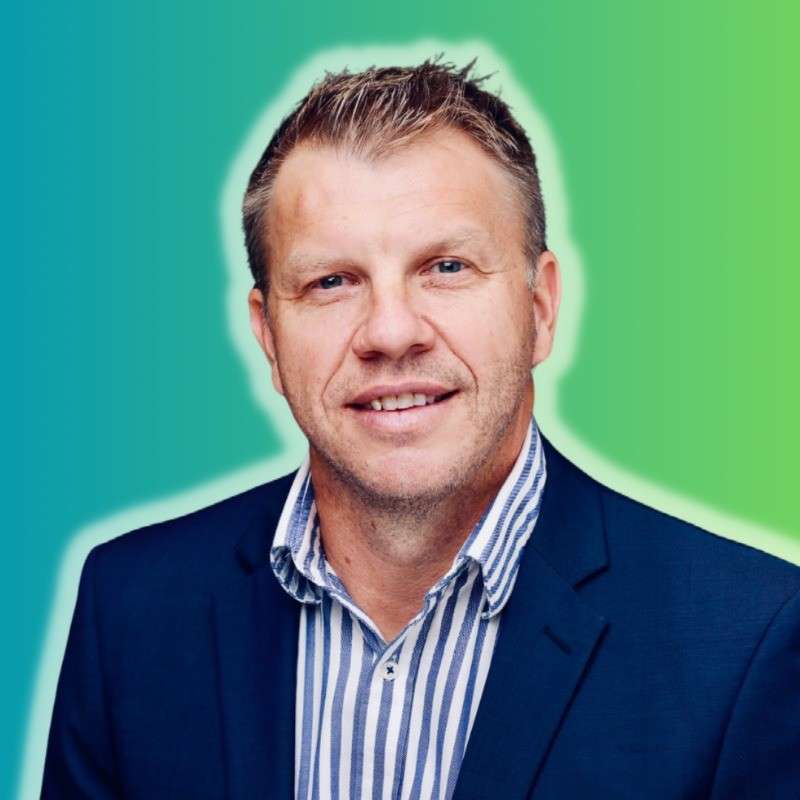 Gavin Tye
I'm Mitchell Davis, world's best developer.
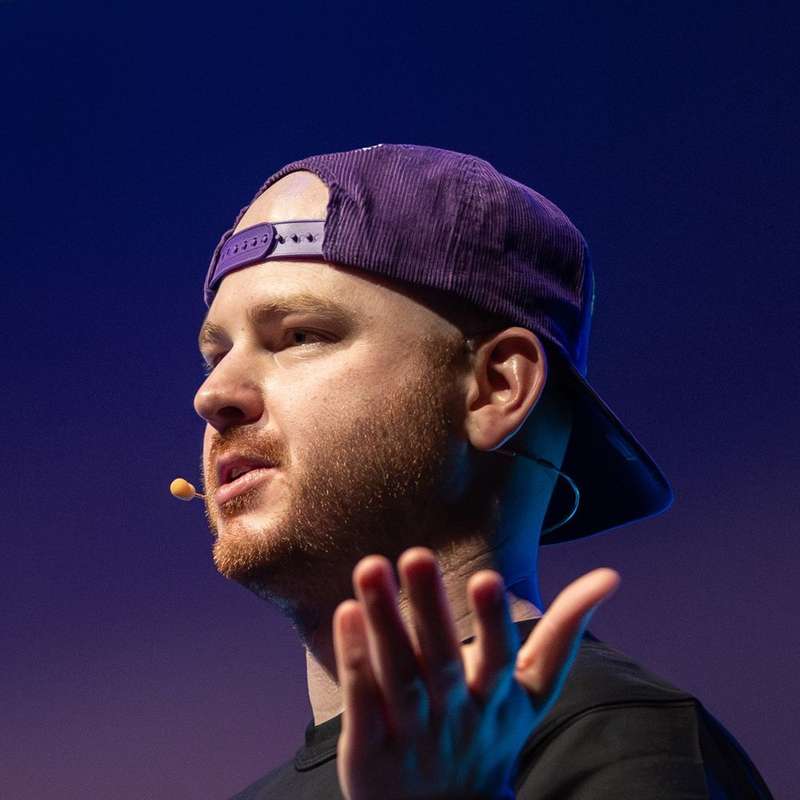 Mitchell Davis
Oh, you too kind. Naravelle. I'm Gavin Tye. I'm okay at sales and marketing, I guess. I don't know. It's fine. Gavin, what are we building?
Gavin TyeWe're building a b to b SaaS platform called Six Sides to help bring event communities together for organizations and and businesses.
Mitchell DavisSo Well done. It's called 6Sides.co. You can check it out. Gav, how's it going, mate?
¶ Gavin gets under the hood
Gavin TyeYeah. Good. Good, mate. It's been a, interesting week. Got to see under the hood of the platform. Like, we spoke about it last week, and it's actually sparked some, some thoughts about design and all that kind of stuff. And I'm enrolled in TAFE to do a programming course now. No. I haven't done think they
Mitchell Davisteach Laravel at TAFE. Yeah. Fair enough. You might be you might be doing some old school programming there, but yeah. Nice. It was fun. So let's let's talk through that. We we sat down we record on Fridays. We sat down a few days ago on Wednesday, I think it was, and we probably spent like an hour, maybe an hour and a half or something on a call.
Gavin TyeA while. Yeah.
¶ Product design feedback session
Mitchell DavisAnd it was really fun. So I showed you the progress of the meeting bookings feature
Gavin TyeYep.
Mitchell DavisIn the Six Sides app. We sat down and we we went through how it was looking and and feeling kind of the the user experience of it of what it would be like to, you know, if you're an attendee or a speaker or a sponsor at an event to sit down and and book a meeting with someone. And it was really fun. You had a lot of good feedback on, oh, this is cool. It would be great if we could do it like this or yeah.
We kinda just went back and forth. You had identified, and I agree, that, like, a lot of the screens in the app at the moment are very repetitive.
Gavin TyeKind of just had Let's call them one dimensional.
Mitchell DavisYeah. One one Yeah.
Gavin TyeAnd And to be fair, you weren't thinking about going beyond that original conference. So that makes why spend time on that? So Yeah. Yep.
Mitchell DavisYeah. It it kind of. So I was as I was building out the app originally for LariCon Australia last year, I was thinking about, okay, how would this apply to other events in the future? But I was up against a a time crunch. Right? I had a deadline of this has to be ready by this date. And in addition to that, I also had my talk to prepare for. Yeah. And so it kinda just was like, this is going to have to be good enough. And I think it it was fine.
Like, I'm not embarrassed about it or anything, but, yeah, we now that we have more time, it's great. So getting your getting your feedback of like, hey, this is a little one dimensional as you've said it, and I'm I have no issues saying, yeah. It's a bit boring. So I think you'll try to be too nice with it, but we now have the time to to sit down together and make it better. And, yeah.
So we've we've made a start on that already. So we were to try and give people a a peek behind the curtain, we're looking at, like, Dribbble, which we mentioned on last week's show, to try and look at some ideas of different dashboard type screens inside of mobile apps that show, like, some high level metrics, just get some numbers and things like that on the screen, and we're starting to move down that pathway of actually implementing some of those screens into the app. So we don't have anything finished yet, but it's the ball is now rolling, which feels really good. And Yeah. It was really fun sitting down with you for an hour and just like shooting the shit on, hey.
What if we changed it like this? Or have we thought about how this might work? You know? It's like those product meetings, you know, are really fun, I think.
¶ Making the app less boring
Gavin TyeYeah. Look. I can see both of us when we run our own business. Right? We just have our single train of thought and then have there's not a lot of people that can offer input and shaping things out, and I really value it. So even you're showing me some stuff the other day, and I was like, oh, yeah. Look. What if we could do mirror what we see on an iPhone with a like, there's a notification there. And it was like and you're like, yeah. Look.
And it was amazing for you to go, yeah. Look. I can just do that then. I was like, holy shit. Like, that's fun.
Mitchell DavisRight? And Sometimes that's fun, like, being able to say something and then thirty seconds later, it's on your screen and, know, it might not be finished, but it's like, yeah, you can really quickly move.
Gavin TyeAnd and I think when I when we say you say boring and I say one dimensional, like, I think the reason I use that language is because if you say boring and then the opposite of boring is unboring, right, it's not really a measure. So I think about one dimensional and we got, okay, well, what's the opposite of one dimensional? Multidimensional. And you go, okay. Well, then that's something we can shoot for.
What does that look like? That's what I try to go. Is there a tangible something inverse so we could actually, like, measure an improvement? And with that because we've given some people who we're talking to next week, which we'll talk about. We got some really interesting meetings next week.
These people, whether they they may not say it to our face, they'd be saying, oh, look. It's repetitive or it's one dimensional. And if we as long as we can get ahead of that message, like, next week with Yep. We got the one on Tuesday, that if we can get ahead of that message and say, oh, by the way, you probably think it's very repetitive. We've been thinking about this and are like, oh, these guys are progressive.
Like, they they're already anticipating, and they're like, they are moving. And that's where we're trying to I think what I try to do is anticipate objections or reasons for a no and get ahead of that. And, you don't have to be that far ahead. You just have to be ahead enough for them to go, oh, they're they're they're they're very aggressive. Yeah.
That's right. So but it was good. I liked that. I would love to do more of it. Since then, I've been looking, searching around on, you know, AI sites to get some ideas on on how to structure what the back end looks like.
¶ AI vs hiring a designer
And I can see exactly why you go. I don't use them like a lot of those things. Like, because your skill set probably outweighs, like, a lot of that stuff. It's just it's the speed of what they can do in multi different, like, things. It's just yeah. I can see I can see why. But it's still good food for thought and get some ideas, fresh ideas. Right?
Mitchell DavisWell, it a good example of this is, like, when you and I sat down at the start of that call on Wednesday and Yep. You brought up, you know, like, hey. These screens are a bit repetitive. I was like, yeah. I agree. What if we think about engaging a designer to, like, come up with some concepts here? You know? And immediately, you were like, what if we used AI instead? It's going to be a bit cheaper, just certainly. And then we're able to use our own you know, it's not like we're idiots.
Maybe in some ways we are, but we've got our own thoughts on, okay, how can we take this and make a little bit you know, and kinda get there, get to some level of, like, a nice design on our own using AI tools. And you were really quick to be like, no, let's try this instead. And that's maybe that's an area where I'm a bit old fashioned, you know, from even just a few years ago. Just funny how quickly technology moves.
Gavin TyeA backwards hat old fashioned 32 year old man like that. Like
Mitchell DavisSo I'm old now. That's it. So I I'm old school, but that's okay. Yeah. So yeah. So it was really fun. I think we've we've moved towards a design that we're both really happy with, and we'll continue to iterate on. When things like, when this business is successful and, you know, touch wood, hopefully, we will get there. I would love to invest in really good design Oh, yeah. Which I think would be even better than what, you know, AI can come up with.
Gavin Tye100%.
Mitchell DavisI would really like our stuff to look the best in class.
¶ Planning a design chat with Rolly and Graham
Gavin TyeI already know the guy. Already know the fellow. Haven't spoken to for a few years, but I already know the guy. Yeah.
Mitchell DavisYeah. Right. Okay.
Gavin TyeSo after our call, we had that call last week. I was speaking to Hiralee, which was he was on podcast three or four, I think. I can't remember. Four. And I just spoke to him about the use case, our conversation.
And I was like, could we set up a time and then just go give you what our problem is and then you apply it to what you're doing in your world? And he goes, yeah, for sure. I'll get Graham in who is a thirty plus year developer who is completely against AI. And then he said he said now he's completely for it, but in a certain context. And and my my because I'm investigating AI in my world, like in my business, and my my thoughts around it are really probably aligned with what you're thinking.
Right? A little bit ahead is I don't think it should be human replacement AI, like, to replace the work. And and if if I think about it in sales, in my field of sales, right, if you go in and just without any context, ask it to write me a lead generation email or something about your business, it is garbage. It's absolutely garbage. It's it's actually not very good at all.
But if I give it a framework to operate in or or give it the context of the foundation, it is far stronger. And then I can mold it for the final 10%. Yeah. One of the things Rollie said was what it does is it really helps. Sometimes it gets caught in a loop, and it's not very good.
And but if you're a good developer like Graham is in his business, he can spot the loop, write the code, gets out of the loop, and then it actually goes on. He goes, but if you're not a very good developer, you can't see the the loop that it gets I'm paraphrasing. I don't know what a loop is.
Mitchell DavisYeah. I get you.
Gavin TyeYep. But he goes, if you don't know what you're doing and you use AI, it just you can't get out of it. So
Mitchell DavisYeah. I might get stuck.
Gavin TyeYeah. So he he's offered to set, which I completely forgot about until just now. He's offered to set up a session just to talk through the journey of they've gone on just to give you some insights, and we can ask them about some of this stuff if you're open to it as well.
Mitchell DavisYeah. Absolutely. Okay. Well, maybe we can try and do that in the next few weeks, and then Yeah.
¶ Gavin’s perspective shift as a founder
Gavin TyeNext let's do that. He he was just messaging me about something something else just then as we were talking. So I put my phone on silent before. So, yeah, I'll I'll set that up. It'll be yeah. Yeah.
Mitchell DavisThat'd be really interesting Yeah. To see how someone that's doing this all the time does it. Because, yeah, a % there
Gavin Tyeare Yep.
Mitchell DavisLots of tools out there, you know, that have exploded over the last few years that I just don't know about. You know? So, yeah, that would be amazing. Okay. Well, we'll do that, and we'll report back.
Gavin TyeBut on a side note, just watching you do that stuff and pro and and programming and all that stuff is amazing. Like, I've deliberately stayed out of that in a sales role. And generally, not being a founder, there is so much distraction. Like, there was when I was at Redeye, I've I saw myself this this at the software company, there are internal facing roles who get paid to be internally focused, and they have a lot of fun. And that's a startup culture.
Right? Oh, we're great at a startup. But then there's a sales role that is outwardly facing. And I was way inward facing, and I was like, hang on a sec. I'm not paid for this. I'm an outwardly facing role. And I kind of had to stop interacting internally, so I never really paid attention to what was going on. And, it's different now, and I've gotta change my mindset about it. But I thought it was amazing. And to to and now I'm starting to learn what a founder is.
It's like, no. I have input in this. Yeah. Absolutely. Not necessarily, just you doing it. It's we cross over in some areas. Obviously, I'm not gonna write the code, but the touch and feel of it and the intention of it and how it applies to different sides of the community is very much inside what my my thoughts are. Right?
Mitchell Davis%. It's like it's great. It's it's more than one plus one equals two. You know? It's probably one plus one equals four or five for what we're able to sit down and when you've got someone else who's like, you're living and breathing this with me, you know, as opposed to like an employee or someone doing consulting for us or whatever.
Like, we are thinking about this all the time. Yep. And so getting your thoughts and your feedback on Yep. Let's change the way that this, like, booking a meeting process works, you know, to to better fit what will actually happen at a real life event as opposed to just being in a vacuum and, oh, yeah, there should be a button here, and it kinda does that. You know? So, yeah, I it's great. Yeah. Getting your input on product is awesome.
¶ Custom branding for clients
Gavin TyeAnd then Yeah. Because it one of the things that come up the other day is currently it's a dark theme app, which is fine for developers. Right? But we are chasing a volunteer agency that's not a they're not a dark theme type of business. So I was like, oh, yeah.
I think we need to be able to change this because that's one of the things they're gonna say is they're gonna wanna be light. Yeah. And I was just thinking just before I was halfway through that conversation is about that meeting on Tuesday and how wonder how hard it would be to do a screenshot to say, hey. I know currently, we're this theme, but we're thinking about should you give us a chance? We would be thinking about something like this in line with your brand.
And that would be like, to me, that'd be like, wow. These guys have gone above and beyond. Right?
Mitchell DavisWell, the app is fully themeable. So I have built it in that way where, okay, I just define basically a set of colors. Yeah. Like, this should be the background screen color. You know?
This should be the the text should look like this or whatever, maybe certain highlights, things like that because I know that that and I knew even back then that that branding is gonna be different for every event. Right? Yep. So and to be honest with you, I prefer Lightnote. Like, I freely as I record this, I've got two giant lights sitting here above my screens.
It's funny. Nicole, my fiance, fucking hates the light. Like, she just wants everything dark, like, all the time basically is what it feels like to me. But then when we sit down to eat dinner, I'm like, let's put the lights on. Let's so, yeah, I'm like, I don't want any of my the apps that I'm using to be dark, but LariCon Australia specifically wanted it to be dark.
Gavin TyeThat's surprising. Like, you look like you were a redhead and you'd be sunburned under fluorescent light. Like
Mitchell DavisIt's never that bad. But, yeah, I didn't I wasn't much of a an outdoors kid, for sure. But, yeah, flu fluoro lights, I could deal with those. That's that's just fine. So, yeah, I I am thinking about how can we do theming and branding for every event that we're that we're running through the platform, and it's an interesting space to be in because it's more than just, like, you know, adding your logo up the top right of the application or top left, you know, whatever. Like, it's more than that.
It's it's kind of the app becomes the brand, you know? Yep. So having to really have, like, have the tech in place where we can take any any events branding and Yeah. Apply it pretty quickly. And now the app looks good, and it looks like they're our own app. You know? Yep. It's white labeling to the extreme is because I know what you're
Gavin Tyelooking at. I'm looking on that volunteering website right now when they're red and white, and it'd be great. Like, you can see the banner, which is obviously not gonna talk about the business, but you can see the banner. It'd be great if you could just go like, because I think about, sorry. Just back up a little bit.
I think about in the early days, you want people to emotionally invest in what we're doing. Right? Because that they're gonna invest in us emotionally before biz like, there's no reason for them to invest in us. So to trust us other than emotionally invested because we we've only got one conference. We're a new business. Right?
Mitchell DavisYeah. So
Gavin Tyeand if we can show them quickly about, hey. This is how we envision the app to look like very similar to your website. It may not be that, but it's like, furnishing a house when you're trying to sell it. Like, you if you if it's just bland, you're asking them to do too much. But if we can go, hey.
That looks like that. But there is a fine line between you spending four hours on doing something and then and then them not going anywhere because that's four hours you can't spend. The opportunity cost of that is huge. But if it's fifteen minutes, like, that is or I could do it. God forbid, I probably can't.
But, something that to go, hey. This is just what we're thinking. Like, I'm looking at this now going, imagine that screen and where where where you're thinking the tiles to have that as a background with the light color. That would get me excited if I was the volunteering business. I'd go, oh, I get a sense. I can see myself. I can see I was using the app in a conference, and that and they've already emotionally putting themselves in a scenario.
¶ Creating emotional buy-in in sales
Mitchell DavisYeah. Well, what I would love to like, when I hear that, I would love to build into our marketing website the ability for you to like configure, hey, this is, you know, this business is considering using the app. Yeah. This is their logo. These are their colors.
And then generate like a bunch of screenshots or give them something like act we've talked a little bit this week about the web dashboard side of things. So, yes, this is largely a a mobile app based platform, but there will be a a web dashboard for event organizers and maybe some of the other sides of the whole community there. We're kind of thinking through, like, okay, maybe there's an interface there where, like, for a speaker to add links to their slides, maybe they can do that from within the web dashboard, but it's like the interface is kind of like build your own app screen kind of. So they're actually clicking a button in the mobile app which is embedded inside of the website. Where I'm going with this is, like, if we get things to that point where we can have a fairly realistic, like, simulation of the app available on the website, then maybe there's like a a tool that we could be using which is like, hey, Gavin, you go punch in the events, like the event organizers website into this thing, it goes chat GPT, go fetch me the main colors used on this site, give me a link straight to their logo, give me, you know, some rough names and things like that.
Sucks it all in, and then we've got a realistic link that you could then send to those prospects. Right? Yeah. It would show them their app. So
Gavin TyeYep. So what about what about for now, could we use Figma? Because they they do click throughs. Right? Wireframes. Could we just set up a wireframe of the dash, like, front couple of screens? And then I can if I can configure at least to the colors and put the back like, I'm looking at just go put the banner at the back in the top corner. We'd follow some design principles that you set out. Yep. And then I can go, hey.
Look. Just just as an example, this is what we're thinking. Right? Yeah. Because imagine I just sort of I'm jumping around here a bit because you're sparking some quite, like, weird thoughts. But cool. If we could do that and go, hey. Look. We got this meeting on Tuesday again. Hey. Look. I just took the liberty just to show you just how the yes. It would change a bit. You would put an example AWS as a sponsor or something. Yeah.
But that's how we would essentially see the theme as an example. This was what you can configure. And then you want people to go, shit. That's amazing. Yeah. Or what you said before, let people self configure on their website and they go, that's amazing. I wanna get in contact with these guys, and then they go submit, set up a time. Yeah. We're still trying to figure out what that looks like for our business, whether it's an app or or stand yeah. But, yeah, that would be interesting.
So could we set up a Figma site on this to start doing that stuff?
Mitchell DavisWe could. Yeah. Could we do it before Tuesday? Maybe a little trickier.
¶ Demo tools and the wow factor
Gavin TyeYeah. Yeah.
Mitchell DavisYeah. So maybe I need to just to give this volunteering meeting the best shot, maybe I need to just spend a little time in the code and just update like a make a copy for them so that we can show them. But, yeah, this sounds really fun. And this type of demo experience being involved in the in the sales process Yeah. Is I find very fun to think of, like, well, how can the technology help sell that technology? You know? Yeah.
Gavin TyeYeah. And the outcome everything we're trying to achieve, and I always say it right, like, just doing it as a task is not enough. The the specific outcome we wanna achieve is is a I call it holy shit moment or a wow. Like, that wow is what we're looking for. Yeah. Because they'll that blows them away. That's like, yeah. Yeah. That's, yeah, that's interesting. That's not what we're looking for. Right? We want them to go, holy shit. Like, that's look what these guys have done.
Mitchell DavisRight? Yeah. And if we could if we could get it to a point where it was just punch in your website and we'll go pull in as much stuff as we can we can possibly know about you, all of your branding and whatever, that would be really, really compelling, I think.
Gavin TyeSelf configurable. We're getting that one step to self configuring. Right? Which is what we're I think that's our northern star is a self configuring. However, the we have some ideas around that, which we're not gonna talk about here, but it's somewhat self configuring for all sides Yeah. Which is Yeah. Interesting. It's been productive. Yeah. Here we what we're gonna talk about.
Mitchell DavisYeah. It's fun. Like, sitting down and like, these are the fun moments for me. Like, yes, I I do enjoy generally the meetings that we have with leads or with, you know, eventual customers. I like getting to see you in your element, but I've really enjoyed being in my element and you getting to see that. And then not just that, like, you're giving really you're giving value in those product meetings as well. Yeah. So Yep. Mate, it's awesome. Yep. Cool. Do
Gavin Tyehave that board for that. So, mate, we got a couple of things to talk about. We, we talked about the iteration of design. Talk about redundancy or or risky the risk in the sales process. Right?
Let's do it. So as I've mentioned, probably in the previous podcast that I've been doing a lot of volunteer work, and I've been, like, reasonably entrenched in the in the startup community here in Queensland. Right? We've been talking to a certain organization around helping them with a conference. One thing that I've learned in my time as sales is if you have a single point of contact inside a business, if they leave, all the work that you've been doing over a period of time can quickly be eroded and be be amount to zero.
¶ Redundancy in the sales process
And I've and I've I've fallen in that trap and like, many, many, many times. So one thing that I've done is I've tried to, to a certain degree, not have a single point of failure just in case something happened, or I I know who the decision maker is in this business, and I I won't I won't name them out of respect. But I know that she's really, really busy, And I know that she's tasked it with somebody else. But as it turns out, Zoe is leaving. And she's leaving.
I think she's leaving. Today's her last day. So and it's such a shame. We feel like we're so close to getting a yes on this, and it could all come down to nothing. And it would especially come down to nothing if I had not had the coverage to, with with her boss.
Mitchell DavisSo Yeah.
Gavin TyeI still I'm going into the city tonight to say good say goodbye to her and thank her for all the help. And and she said that, hopefully, she'll have an answer for us tonight. But that notwithstanding, if we don't get that answer, I still have the relationship with that other person to hopefully still get this along the line. But that's a person that I that's a not a person. That's a issue I see with a lot of people, especially founders, is they just have one point of contact in their business.
And some of these contracts could be massive. Yeah. People are cycling out so often in jobs these days. At two or three years, I think, that if they're longer than three years, it's a it's an anomaly. Like, 15 to 20% are in that stat. So you gotta have redundancy in your sales process. Yeah.
Mitchell DavisYeah. It's it's interesting. Has this type of thing happened to you before where you've only had one so you've been in that position? Yeah. Oh,
Gavin Tyeheaps. Yeah. Like, it's not necessarily that they leave, but there was one company. It's called ARTC, Australian Rail Track Corporation, where massive, rail business here in Australia. And I was dealing with the head of engineering out of WA, out of South Australia for two years.
And he said, oh, there's a big tender coming. You guys will be up for it because they're doing an inland rail project from I might get this wrong, but I think it's from Victoria the way through the Queensland on the inland, like another rail. Yeah. Yeah. Multi billion dollar project.
Yeah. And he said, oh, I really wanna use you guys, blah blah blah blah. And I was like, okay. So I I just took this guy Phil's word for it, and and, you know, he doesn't necessarily know. The tender come out out of Queensland or New South Wales, and we had not had any coverage against them.
So we waited two years, answered the tender, didn't get past the first round because we didn't have any we just didn't have it was just very one dimensional. Yeah. Or, and it was a massive lesson learned. So you've gotta round it out just to see who what other players are in there. Yep. And other big I've seen multimillion dollar software deals hinge on one person. That one person leaves, and it just falls apart. Yeah. Yeah. There's nothing you can do about it.
¶ Sales horror stories and lessons learned
So
Mitchell DavisSomething to to keep an eye on for us, I guess. Seems like most of the other leads that we're speaking with, it's probably there's at least two people, I think, involved in most of the conversations that we're having. Is that fair to say?
Gavin TyeThere is. And and if and if I'm also like, it was a it's a it's also a tactic as well is to get you involved in those conversations because you wanted to round it out. Like, last week, you we we were talking to this business around some functionality, I deliberately didn't wanna come into the meeting because I didn't want it to feel salesy, but I wanted that you to build a relationship there as well, so they can go holistically, they start having better connections. Yeah. And it's a it's the biggest it may not seem like a big thing, but it's a really big thing to have multi multi levels of conversations, multiple levels of conversations.
Mitchell DavisYeah. Yeah. Well, I mean, I'm glad you brought that up because I totally forgot that that was a thing that's happened since we last recorded. So so on that point, I mean, I guess I can say that was with Zoe. Like, we've named her a few times through throughout here.
And so last week, I sat down with Zoe just on my own and went through the meeting bookings because she's she was at least kind of part of our advisory strategic advisory council. And now that might be there might be a question mark there, for us, but who knows? But, anyway, sat down with her and kind of walked through what we had already built and then some ideas of, hey. This is roughly how it's gonna work. It was great.
We probably were on for, like, only twenty minutes or so, so it was it was quite low effort on her part, which is what we had talked about making it. You know? That's all it should be. It's just I come to the table and say, hey, this is, you know, we've got these all these different ideas and different ways we could go about this, bring her something that is actually tangible and she can look at and she couldn't use it herself. So there was a lot of like, oh, could you click that back button and then go to this?
It know? So it was a little like, maybe it would maybe in the future if there's some way to kind of have that be a bit more live, that would be great. But Yeah. Yeah. It's early days.
Gavin TyeThat's okay. If in early days, right, then now it's just your your Yeah. Yep.
Mitchell DavisYeah. And it was really good. It was and it it felt good for me to connect with a, you know, a customer or a potential customer because it is a big part of it. And often I think, like, people if I get on a call with someone, like, especially in this business, it's not to be salesy. I think maybe people bring their guard down a little. Yep.
Gavin TyeI've said that's true.
¶ Mitch’s solo call with Zoe
Mitchell DavisYeah. Which can only be seen as a good thing. Yeah. You know? Not even in like a like a yeah. They bring their guard down and then we hit them with the sails or whatever. Nothing like that. Just you're right. To build really good, like, strong relationships with people, hopefully, we it leads to business. Right?
That's ultimately what we want, but I it's it's really good. So if you're, like, if someone listening to this is in a similar type of position where, like, similar company makeup where there's, you know, someone building the thing and someone trying to sell the thing, try not to shy away. As the developer or the builder, try not to shy away from these conversations because they don't come super easily to me, the sales stuff. That's why I, you know, wanted to work with Gavin here. But it's really good to connect with the end customer, you know, that's gonna use your thing that you're making.
Gavin TyeYeah. That's right. And you want evangelists. And and I try to think is even though, like, I'm responsible for getting people to buy it, if it feels like a sales meeting, it should not be a sales meeting. Right? Like, I try my hardest for it not to be that. Yes. I have an agenda. Yes. Yes. We wanna push it forward, but they should naturally want it.
Mitchell DavisRight?
Gavin TyeYeah. If we do the right thing, if we if we show them. We shouldn't be like, hey. What what will it take you to sign today? You will never hear me say that. Right? You will never hear me sign it.
Mitchell DavisI'll keep you true to that. Pardon? I'll keep you true to that. I'll I'll report back if I ever hear you.
Gavin TyeYeah. Yeah. Yeah. Yeah. Yeah. I'll I'll yeah. You will never hear me say that. So because if you're being pushed to say something like that, you've been lazy earlier. You haven't you're just trying to, you haven't done enough groundwork. And that's where I think we're we're trying to be different. Right? So Yeah. Yeah.
Mitchell DavisYeah. You were you were not lazy.
Gavin TyeThere. Like, in any situation, like, I'll try to meet or introduce you into other people, like, to so we have that, I call it backchannel. Like, it's it's really an unofficial, like, hey. What's going on? Well, let me just make a call about something, and then I can see what I find out. Like, it's another avenue to find out some information or context if we need it.
Mitchell DavisSo Yeah.
Gavin TyeIt's really, really important. People are gonna buy from us as a pair, not six sides. Right? They they love the functionality, but they're gonna love what we do. So
Mitchell DavisYeah. Hopefully. And, like, to to be clear, on this call with Zoe, I did ask her at the end. I was like, so how are things going? You know? Like, what is this looking like? And I'm still free to ask that, but it certainly wasn't the point of the call. Yeah. It's no. Let me show you some things. Let me get your feedback. It's great. And then, oh, you know, well, I mean, I might as well ask how are things going and yeah. So very natural and felt great. It was great to get feedback.
She really liked the direction that it was going. And, yeah, I'm I'm really excited to implement some of those things that we talked about with So meeting bookings are, I guess, to give like a final update on the meeting bookings. After our call on Wednesday, I've continued to make some progress. It's not quite ready yet, so it's not as far along as what I had had hoped. This week, unfortunately, has been a bit busy, and I was on leave as well yesterday.
I had a had a day off. So little bit behind on it, but it's it is moving along. So hopefully hopefully by next week, we'll have it at a point where it's it's up and running. Yeah. That's the goal.
¶ Meeting bookings update
Yep.
Gavin TyeCool. Now thinking about this, like, I it feels like like, we are I think there's a very good chance we're gonna have three, if not four, opportunities or four clients who will give us a go. Right?
Mitchell DavisYeah.
Gavin TyeIt's not massive revenue for now, but that's not what we're after. We're we're asking after case studies and learning and stuff like that. I Yeah. It started to dawn on me is we need to start transitioning to onboarding. Mhmm. Right? Like, thinking about onboarding and and not taking our eye off clients, finding clients. I don't I just don't think we have the capacity for 10 clients. Like, we just don't want that right now. Right? It's more about
Mitchell DavisProbably not. Yeah. Yeah.
¶ From sales to onboarding
Gavin TyeSo my mind's starting to switch to onboarding or how we actually give the different messaging. Because one of the clients we spoke about, potential clients the other day, was saying, oh, it's interesting. And we spoke about the potential how they could actually go to sponsors and say, hey. By the way, like, we're would that sorry. They were saying we're not actually profitable until right before the conference, and then we might say yes.
And I was like, okay. Well, let me give you a different line of thinking. What if we give you messaging around the functionality of the app for attendees and sponsors so you can use that as a sales tool to get more people to say yes? And they're like, I never thought about it like that. I was like, if you can do that, it makes it more appealing.
And then people are likely to think that, like, we'll get a bit better ROI and they're more likely to say yes earlier. And I said, but you can't do that if you wait too long. And they're like, that's an interesting thought. I never thought about it. And I'm and I was like, as soon
Mitchell Davisas I said it, I was like, shit.
Gavin TyeWe haven't written any of that stuff down. So now we gotta start doing that being prepared. So We got more documents. Right? Thinking about that. As soon as someone says, yeah, that's great. We'll take you up on that. And I'm like, okay. Now we gotta write that content. So how do we onboard them? Like, given the messaging for that, then simultaneously, how do we onboard them in an efficient way that does not drown you in work? Right? Yeah. Or and and allows for them to do some self onboarding.
Mitchell DavisYeah. Yeah. It's a challenge. I've never of any of my own projects that I've launched, so not client ones, I've never really felt great about the onboarding. Okay. That probably hey? Why? Just because it's like onboarding means a lot of things to a lot of different people. Right? Sure.
¶ Why onboarding has been hard historically
You you might be able to sign up for an account and put in your credit card or whatever. Right? But then, like, to be able to fully configure your account in this in this platform or in this case, like, setting up a brand new event, adding your team members as well if you've got other people that are, you know, helping you organize it. Like, there's there's a lot of different things that we're gonna have to do here. Yeah.
And that's a part of it. Right? We have to do all of that. That's fine. But I've just I I for my own projects, I haven't ever executed on that really well. Okay. Just putting a a self critical eye, you know, over previous things that I've launched. Gotcha. So, I would really like to change that obviously for Sikhsides. Like, we need to get this right and I'm I'm confident that we will.
But it is interesting. Yeah. We we sat down on the same call on Wednesday. I kind of showed you the state of the web dashboard, and it does have, like, an ability to sign up as a as an event organizer. Organizer.
But, basically, I'm just using as I'm, like, testing or working on the platform locally, I'm using data that I've it's called Seeded, which is, like, fake data effectively that I've created through programming language. So I have, you know, again using LariCon as an example from last year because that's how this was all kicked off. I've got a CEDAR which has like information about Larricon Australia twenty twenty four. It's got a few days of data in there and all the different talks and things like that, and I'm kind of using that to build up the state of the database. Sure.
¶ Event setup: seeded data vs real data
We don't have that in production, so I have to go and build the screens that allow people to punch in the details of the event and the the, you know, the dates that it's running and all the speakers and things like that. There's a lot of, like, screens that need to be built out to allow someone to self onboard as opposed to just giving me, like, a link to their event website, and then I go in manually and fill all of that info in in the database because that won't scale. Okay. Yep. So it's interesting.
So
Gavin TyeI think I yeah. So onboarding is yeah. Onboarding means different things to different people. Like, one one thing my like, the founder that I worked with before, he said, do it, document it, then improve it. Right? So if we figure out let's just say we have four clients. We get no more this year. I reckon maybe, yes, you've got all this stuff to build. Right? Yep.
If you could show me how to put that in, then I can take some workload off you. Right? But then you're gonna have to dumb it down to make because I don't understand. Like, you show me how to do that. Right? Yep. And then if we can do that and then make it repeatable yeah. So Dan Martell is pretty prominent, sales, not a sales guy. He's now an entrepreneur, runs multiple multiple businesses. He talks about SOPs, like building SOPs. So if we can do that and not worry
Mitchell Davisabout operating procedures.
Gavin TyeYes. Sorry. Standard operating procedures. If we can do it, you build it, and we figure out you you can teach me first level, then we can turn that into a a standard operating procedure, then maybe we can hire an EA to do that. And then
Mitchell Davisso that assistant. Man, I'm just trying to help the audience.
Gavin TyeYou know? Okay. You a hole.
Mitchell DavisThat means asshole.
Gavin TyeSo if we go if we build us, like, standard operating procedure for this stuff, and then that's one step closer, then we go, okay. Can we automate that in the future? But we at least we can bring in a some type of EA, on the lower like, to to that is at a cheaper price point because we'd still have our day jobs. So and then we could essentially build that out. If and he says, Dan Martell says, if you should build a business all on SOPs.
Right? So then everyone's following the same thing because if you don't have that, you can't replicate. Right?
Mitchell DavisYeah.
Gavin TyeAnd you can't manage properly. So I think that is where building an SOP around that, about onboarding, what does onboarding mean and learn from each one, I think that's probably the way to go forward. Yeah. Yeah. Thoughts thoughts feedback, criticism?
Mitchell DavisYep. Or no criticism. I have thoughts and feedback is yes. I agree. Like, in principle, having if we can document as much of our process as possible as we try and grow and scale, add more people into the mix that can do all the different things that we need to do to get an event over the line, you know, not just in sales but actually run it.
Yeah. I've had a lot of success in the past with documenting those types of Yeah. Like business details, you know, things that procedures, SOPs, you said. Yep. So, yep, I totally agree.
As far as the actual data that's needed, it's fairly minimal for us to set up an event, which is great. Like, a lot of the value that we provide is based on the attendees, participating, right, in in the event and in the different networking games or whatever might be going on at at the event itself. So setting up the event is fairly minimal. Like, yes, we have
Gavin Tyeconfiguring, right, and adding people in. Right? Which is the Yeah. Yep. So maybe
Mitchell Davisthat Sorry. I started looking this week at at Zapier or zapier for some of the, like, the ticket platforms that are out there, you know, like TicketTailer, for example. They have a Zapier or Zapier. I'm gonna use Zapier. I don't know.
¶ Zapier integrations and automation dreams
They have a Zapier, integration where, you know, if the if someone, purchases a ticket, they can send like a they can send that over to wherever the event organizer configures that to go.
Gavin TyeCan you do that again? Mhmm.
Mitchell DavisWe'll cut that out. That could be our new
Gavin Tyeour new about a theme song. Yep.
Mitchell DavisThat's when we're onto, like, a really good thing. We could they can Zapier can send that to wherever, and we could have that feed into Sick Sides. Right? So now there's no, like, download a spreadsheet from
Gavin TyeYeah.
Mitchell DavisYeah. Dick and Taylor and then upload it into Six Sides. I would like to get us to that point. I know it's, like, it's probably too early days for us to be doing that, but we could likely we could have that, you know, towards the end of the year, we could have a fairly standard integration with a few of these platforms, and then they don't even those other platforms don't even need to be involved with that at all because they've already done their side, which is like when a thing happens here on TicketTailer or whatever, send it out into the ether, and then it's Zapier's job to deal with that of where should that get routed to. If I'm trying to think ahead of, okay, how can we make this as easy as possible for when we are at scale?
You know? And I think leveraging tools like Zapier might help. Yep. Yep. So yeah.
Gavin TyeSo my mind goes to prop profitability. Right? Like, our current price point, I suspect, is way, way too cheap. Like but it's okay. So we're gonna lose I think we're gonna lose money on this, and that's okay.
We're we we can absorb that. Yep. So to me, my mind goes is, okay. Where our price point's here and we're gonna lose money, what is how do we get there to at least breakeven or find out what well, for there's two there's two levers here is one is a cost you would expect in the beginning to configure and deliver the the an event is gonna be at the highest it probably is now because it's all manual stuff and we're learning. Right?
¶ Getting to break-even and beyond
Yep. Our price point is low. We also we think we know the value of what we will provide, but we want to actually, on a third arm, if I had a third arm over here, is we wanna measure the value so we know where our value sits direct and indirect so that we find a price point of one we deliver as profitable as possible. We first get to breakeven, and then we while we maximize the value we offer, then we can increase the price. Yep. Then we can optimize and maximize profit per event. Right?
Mitchell DavisAnd we wanna deliver great ROI, right, For the
Gavin Tye100%. One hundred %. And then out of that, it's how do we currently, we're sales led a sales led business because it has to be as a founder. And some things we're talking about to you is like, how do we make this one event? If it's sales led, it needs to be, be it.
But how do we turn that one event into three so we get multipliers of it? And we've got some really good ideas on that. I also think what you said before about self configuring your app Yeah. To give a sense of what it is and have a that's a that's a such an interesting, sales tool. Yeah.
But we need to optimize, I think. Well, like, a lower cost, you use automation when we can, possibly AI where we're we're AI assisted Yep. Which is what we spoke about before and not replacement Yep. Which all these different levers I find really, really interesting to to
¶ Building value post-event
Mitchell DavisYeah. Me too.
Gavin TyeTo but we gotta just know where we are. Like, on the first one, we gotta capture our hours to say, hey. It took us twenty hours to deliver this at at a $2,200 an hour. Yeah. You know, at least we at the starting point. Right?
Mitchell DavisYeah. That's right. Yeah. It's it's very early days. We'll certainly know a lot more as we get more runs on the board. Yeah. And we'll improve the efficiency of this process because it is it's not like, this business is quite interesting that it's largely focused on these, like, one off events. Sure. We would love to have, like, monthly meetups and things like that, like, starting to think more regular events, you know Yep. That sort of thing into the future.
But for now, we are kind of focused on these larger one off events. Yeah. And it's interesting to kind of think about, yeah, what's the maybe there's different expectations of, like, software platforms for setting up for a one off event versus creating an account for some monthly thing that might be happening like this. Just like it's little it's not quite a fully formed thought, but just in in interesting to think about that we are largely right now just focused on these one off events Yeah. As opposed to more regular ongoing things which, you know, might more closely align with, like, monthly SaaS, you know, b to b businesses, things like that.
Yep. We're we're in a Yep. Different space, I feel. Yep. At least at the moment. You know?
Gavin TyeYeah. It's interesting because what is some of the conversations we're having with these event organizers is then they say, we know that there is ongoing value. Like, when I've sponsored at an event or attended an event as a sponsor, if you
want your ROI over those two days, you are not gonna get it. So the the ROI comes in the next three to six months after that, but you have to work for the ROI. It doesn't always happen. So what what I mean by that is following leads, you know, talking to speakers, following up attendees, building relationships. There's all this long tail stuff that comes from an event.
Right? Yeah. These event organizers know that that's happening, but they don't have a visibility into that happening except when they just get anecdotes or stories when they're passing people out Yeah. Like, in general conversation. So and, of course, an event app won't pick that up because they're only ever used for two days or three days, whatever the event length is.
So the the question becomes is what value because we do we are trying to offer value pre, during, and after. Yep. What value can we offer after and during and before to make people wanna stay in it so we can capture those stories over the long term and then hence give that data back to the, and we can't achieve that without having people stick around in the app. Yeah. So we haven't figured that that we haven't figured that out.
There might not even be a solution to that, but that's if we wanna help them answer that, there has to be an something else that we haven't thought of yet.
¶ Transparency vs. perception
Mitchell DavisYeah. Yeah. So it's we don't have a full scope, you know, of exactly what the next twelve months looks like. It's early days. Like, you so you, listener, are really following along as we figure this out in real time. You know? So
Gavin TyeWell, they're certainly not watching on YouTube, Mitch, because we haven't got any views on our first upload from last week. So
Mitchell DavisIt was a flop. I think we might need to we might need to look at the the thumbnail, the artwork situation. Maybe we wanna
Gavin TyeWhat's wrong with that?
Mitchell DavisNo. I just think maybe we could do we could make it a little more appealing. Maybe the the duotone thing that we've got going isn't
Gavin TyeMate, that's that's just the first one. I've got ideas. I'm gonna keep the duotone but change the colors all the time. Yeah.
Mitchell DavisAlright. Okay.
Gavin TyeYeah. I have I ideas, man. Come on.
Mitchell DavisDo you?
Gavin TyeI have a design I let, you keep essentially cyberbullying me about. But I think it's the fluoro lights that are making you angry on you.
Mitchell DavisYou know? That's right. Yeah. It could be. Yeah. Yeah. Well, we'll we'll talk about that offline. Yeah.
Gavin TyeYeah. Yeah. No. No. I have some ideas. Those might be that bland all the time. I don't like the thumbnails. I'm gonna I wanna change it already. But Yeah. Just slightly different so people know it's a different episode. Right?
Mitchell DavisYeah. And we're we're thinking of, we were talking just before we started recording about putting the a link to the podcast on the six sides website itself. So you can see show notes for this at journey.6Sides.co, and maybe we can get a link to that on the marketing website for Six Sides. We also discovered that I was Slack, and I didn't add any website analytics. So we have no idea how much traffic we've had to the six sites website.
We've got HubSpot integrated. You've there's the chat widget, I think it is.
Gavin TyeOh, yeah? Do have a
Mitchell DavisGoogle log through,
Gavin Tyehaven't we?
Mitchell DavisYeah. I think I kind of assumed that that was doing some tracking for us, and so I was just like, oh, it's fine. I won't worry about it, but I don't think that's the case. So I'm gonna get that sorted out by, you know, next week's recording. So, yeah, just trying to think of how can we leverage.
Like, you know, we it's really fun sitting down and recording the show, and the episodes seem to keep getting longer. So we're having more fun as as we go. But how can we get the most bang for the buck out of this? So, yeah, we could probably be doing more to share this, these recordings with our audiences. At the same time, is there I mean, let's let's be candid.
Right? Is there are you comfortable with sharing this, like, these recordings and exactly the state of where things are at and that, you know, we don't have everything figured out yet and all of that. Are you comfortable with sharing that publicly? Like, how yeah. How's the podcast kinda sitting with you?
¶ Should we be promoting the podcast?
I know, obviously, we record these, and they they are public. People could find them. Right?
Gavin TyeYeah.
Mitchell DavisBut are you comfortable promoting it, is maybe the right question.
Gavin TyeIt's a double edged sword there, I think, because in some instances, we're if we go for a big opportunity and we say, hey. We're just new when we're starting and we're thinking about this, like, does that bring doubt? Could that bring doubt into a client's head? Like like a potential client's head? Does that give them a lack of confidence?
You know, I part of I think there's a lot of similarity here. Like, I I Sun Tzu's art of war is a really good you could use some of that stuff there for sales. Right? Or and when you're small, you should act really big, and when you're big, you should act really small. This podcast does not portray that we're that we're big, and we've got our shit in a sock. That's what I'm worried. That's what
Mitchell DavisI've never heard of that before. Or shit
Gavin Tyein one sock.
Mitchell DavisIn a sock?
Gavin TyeShit in one sock. Yeah. So Never heard of that. So I'm not it's a it's a fine line there. Right?
But we are being honest and candid, and we are trying. Like, is what is that is that valued more over where we currently are? But I guess if we're talking to people and we're saying exactly this is where we are and we're consistent with our podcast and what we're saying, we're not portraying, hey. We've got five massive clients across five different continents, and they log in and hear the podcast and go, oh, yeah. We're just trying to still figure this out.
We've got no clients. Yeah. I think being consistent across all channels and across all our messaging and authentic, which I think both of us are and what we're really trying to be Yep. I think that is I don't think that's a bad thing, but I'm not sure. I don't know. What do you think?
Mitchell DavisI have heard other, like, podcasts in in the past in this type of space of, okay, a new business starting up and they're kinda recording their journey and stuff. I've listened to quite a few of these, and often it seems to be a benefit early on to own up to that we are small. You know? It's a small it's a new business. We're figuring it out.
I've heard you say that so many times on these calls that we're having with potential customers of, you know, we're still figuring this out, particularly around pricing and stuff. That seems to be the angle. Right? But Yep. I I don't know that I agree about the whole if you're small, you need to act big and and vice versa.
I don't know that I agree with that in this case. I kind of like that if, you know, we are honest people and we are trying to like, I a big part of what I wanna get from this show and putting the work into doing these recordings is I want people to be following along with us and kind of rooting for us. Yep. You know? And I think if we are I don't think other podcast will ever be projecting that we're big while we're small.
You know, we've been really honest from the from the get go. But if we're doing that publicly and saying, yeah. You know, like, we've got it all together and we're, you know, we're top shit. It's kind of it is kind of different. You're right.
We're we're giving different messages in different different channels, and that feels not great. So you had said to me about that if you're small, act big, and that sort of thing. You've said that to me before in the past, and I kinda didn't I don't think I I gave you any feedback on it. But, yeah, my honest feedback is I think we should maybe we should lean into it. You know?
Gavin TyeYeah. I guess I'm I'm when that skin comes from when we were, like, going for enterprise government clients. Yeah. Right? So large organizations where they're highly risk averse.
¶ Acting big vs being honest
Yeah. So
Mitchell DavisOkay. So there's levels to it. Right? Yeah. There's levels
Gavin Tyeto it. Right? Like, if you're going for a massive multimillion dollar conference, and it's just us two in different thing. Like, I don't. I think the reality is is, like Probably not. There's no
Mitchell Davisgonna get those in
Gavin Tyeyour market. Right? Yeah. Yeah. So, hey, if if we're gonna be honest and we're gonna be transparent about what we're doing, Fuck it. Be honest and transparent with everyone. Put it out there and saying, hey. Look. We're documenting. If you wanna get to know maybe that's it saying, like, the people in volunteering business saying, hey.
Look. If you wanna get to know what we are and what we're doing, we've had a meeting, an hour meeting, like, with us. We're actually running a podcast on what we're doing and our mission is and what we're thinking of. Go and listen to that. That'll give you more context around what we're trying to do and what we're trying to achieve, and then go from there.
Mitchell DavisYeah. So We could also put ourselves on the website. That's one option. To make it like a I I know one business, it's called Tupil, and they're kinda like Zoom, but for developers. Yeah. Do screen sharing, and you can click in and, like, actually type code on the other person's computer. It's amazing. It's changed our lives as far as programming goes.
Gavin TyeSure.
Mitchell DavisAnd early on they had for years, they blew up during the pandemic, right? Because now all of a sudden everyone's working from home. So you got to hear their journey on the The Art of Product podcast. Yep. And Ben Orenstein, who was one of the founders, he was front and center on their website doing, like, a little demo video, I think it was or something like that.
But it was like, hey. This is us. We're a small team. Yep. And they were going after, like, eventually enterprise clients, big businesses that have thousands of developers. Right? Sure. And that seemed to work quite well for them. They called out a lot that like the personal, hey, we're small. This is us. You can see who we are And putting that front and center, that seemed to work quite well for them.
Gavin TyeWell, let's do
Mitchell Davisit. Yeah?
¶ Personalising the SixSides website
Gavin TyeYeah. Alright.
Mitchell DavisLet's do it.
Gavin TyeI'd this too. Let's do it.
Mitchell DavisSo let's say by next episode, I'll have that done because I'll I'll have to we'll have to build out some some profiles and stuff and then get
Gavin Tyeit out. Yeah. That. And then we can do a demo on the on the website. And, like, I was just looking at the website just then, which is the chat's not coming up in the window. So I've got we'll talk about that offline. I've got some just quick ideas on that. Right? Cool. But yeah. Look. I think because I have been a bit hesitant about that, but just let's just do it. Like, what Yeah. If they don't like it and they don't like like, we're gonna tell them where we are anyway.
Mitchell DavisYeah.
Gavin TyeIf they don't like it, they're not for us. But if they they
Mitchell DavisThey might have appreciated it.
Gavin TyeGenuinely trying to help, then Yeah. It is what it is. Right?
Mitchell DavisSo because that's totally whenever we get on a call with someone, I feel that, like, you can tell when it's working well, you know, that sense of connection. So if we can kind of preempt that and say, hey. This is us. You know? Now let's meet you.
¶ Wrapping up + next week’s big meetings
Gavin TyeYep.
Mitchell DavisMaybe that will help. You know? Yep. Okay. Yep. Cool. Alright. Awesome, mate.
Gavin TyeNext week, we got some yeah. We're wrapping up real quick. We got some interesting meetings next week, some sales meetings with different businesses that we're we're looking at. Yep. I've got I think I had looked before. I've got three decent ones. Right? So Yep. And then hopefully, we'll find out something this afternoon. Yeah.
You're chasing who you know in your your side of the world as well. We could be going to Europe really quickly. Yep. You know, you'll be wearing you'll be heading over there into into
Mitchell DavisWell, that would that would be in our winter, right, which would then be their summer, and I much prefer winter. So that's a shame. But look, we'll see. It's early days. Yeah.
But, yeah, that would be very exciting. So let's just make a pitch for it. If you happen to be running an event and you're listening to this and you would like us to have a chat with you about helping grow your community and giving your everyone at your event, attendees, speakers, sponsors, everyone a fucking awesome experience with a mobile app, then reach out. Reach out. Head to 6Sides.co.
Check us out. Probably by next week, you'll be able to see Gavin and I's faces on there and and read a bit about us. And, yeah, we'd love to have a chat with you about it. So Yep. Don't we wrap it up now? I've been Mitch Dev. You can find me on LinkedIn, on Blue Sky. There'll be links in the show notes. Gavin, where can people find you?
Gavin TyeOn LinkedIn, Gavin, Ty. So, yeah, you can find me on there as well. I've actually just released an AI bot in my side of the world in sales market fit to help people with their marketing messages and things like that. So
Mitchell DavisYeah.
Gavin TyeIf you are listening to this with that filter on, jump on there. And yeah.
Mitchell DavisIt's actually really cool. Gavin's shown me, and I, yeah, I encourage you to check it out. It's really cool. Yeah. Alright, mate. Awesome. Alright. We will catch you all next week.