



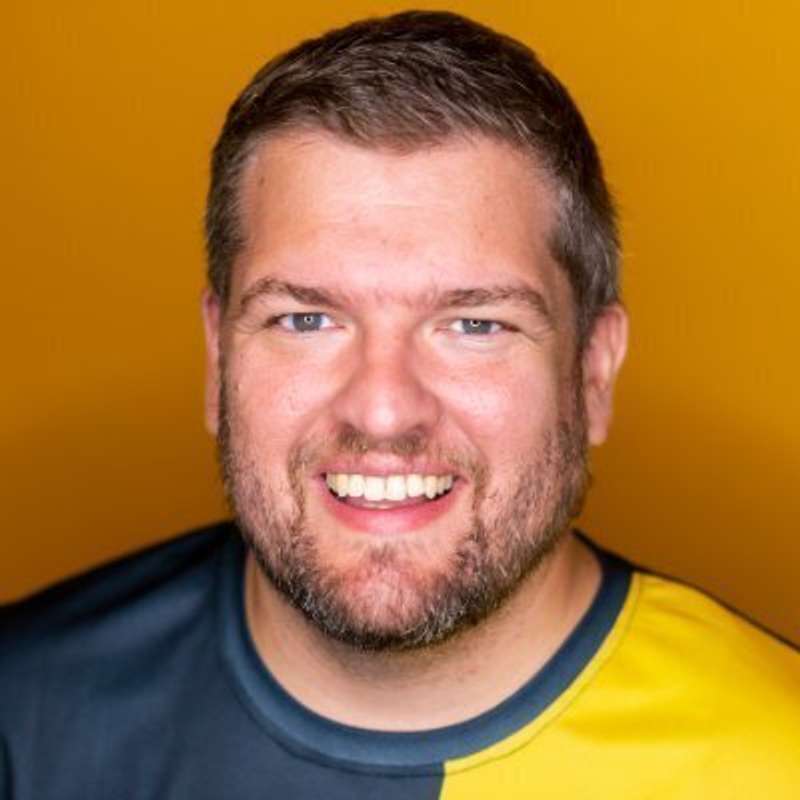
 Kevin Griffin
Welcome back to the show. Everyone. I am joined today by my good friend, Michelle Hanson. How are you today, Michelle?
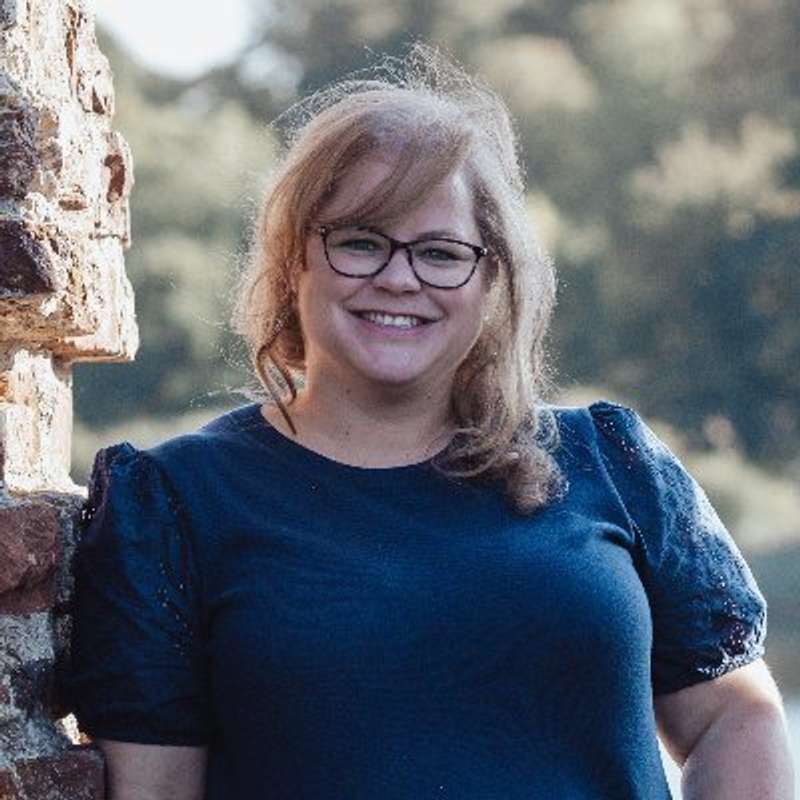 Michele Hansen
Hi Kevin, how are ya?
Kevin GriffinGood. So it is bright early where I am, but it is, is it bright and late where you are right now? Is it a nice day? At least
Michele HansenIt is bright and early afternoon and for December we are pretty lucky to have sunshine, so.
Kevin Griffinyou go. Cause for everyone who doesn't know you live in Denmark and you probably, I actually don't know what village or town you live in. It's a, uh, it's probably something I can't pronounce. Right.
Michele HansenIt's a very small village about an hour south of Copenhagen, which in American, North American terms is the equivalent of like five or six hours outside of a major city. So we, uh, have a seven acre property here and, uh, like you, we actually built a headquarters.
Kevin GriffinOh, you're part of the club. Now.
Michele HansenYou inspired us.
Kevin GriffinI think the shed quarters is a great thing for people who have to work from home. And we, we saw a lot when, when COVID started that folks were moving into spare bedrooms or they were working in their living room. And my origin was. It's 2023 right now. I think it was 2011. I started working from home and I worked in a room over our garage. It was great. And then we had kids and my wife wanted to homeschool the kids and do kids stuff. And she wanted to take over the room over the garage.
So I just kind of in passing said, well, I should just build a office in the backyard. And she looked at me and went, that's a great idea. You should totally do that. And. So one thing after the other, I ended up getting a prefab shed delivered to my house and I finished the inside of it, drywall, insulation, heating and air, which is very important right now and I've been working out here for. Years and years and years and your shed quarters though is far more fancier than mine is.
I think yours has a bathroom, doesn't it?
Michele HansenNo, it doesn't. It is, it is legally a shed. So it is a shed
Kevin GriffinLegally shed. Okay.
Michele HansenYeah.
Kevin GriffinSo what was the, y'all had a nice home and why, why the shed quarters? I
Michele HansenWell, so we actually, we, we moved here a little over three years ago and we bought a farmhouse and with the plans to renovate that house from when, the time we bought it. And we also really wanted a shed quarters, really wanted a bit of separation between, uh, personal and life. Um, and especially, you know, when we. We're first living in the house. Um, the room we use as our office was the extra bedroom off of the kitchen.
Um, and since we live in Denmark, but still, you know, 99 percent of our customers are in the U. S. and Canada, that meant that we were very often having meetings at 4, 5, 6 o'clock at night. And so one of us would be in a meeting, The other one would be making dinner and it was like really loud and it was hard to keep the noise out. I mean, podcasting was basically impossible during like US overlap hours.
And then if I was podcasting at night, I was actually right underneath our daughter's bedroom. So I couldn't do it until like nine 30 at night until she was like definitely asleep. Um, and it just. Cemented our desire to have a shed quarters, which we had always wanted. But when we lived outside DC, you know, on a, you know, 10th of an acre lot, like that just wasn't really possible. Um, so, so yeah, we, we got the shed quarters about a year and a half ago. Um, been pretty awesome.
Kevin Griffinthink it's been a while since you've, you've shown me and other folks pictures of the Shedquarters and I forgot. So you and your husband work together and you work together in the Shedquarters. Do you have separate isolated areas of the Shedquarters or is it kind of like a co working open space?
Michele HansenSo we have the main area. Um, Where there's my desk, and then our dog actually has a little perch in between us and his little dog bed, so we can be standing at our desks and reach over and pet him. And then on the other side of the dog bed is Matthias desk.
Um, and so that's overlooking our little pond and so the dog can be looking at the birds and whatever and you know, we're working and then we also have a, uh, little room off to the side that we call the zoom room, which is what I'm in right now, where we put in a soundproof wall. So that we can do recordings or meetings and the other person can be working in the other room and not be disturbed. And it's not like, oh, you can't come in the room right now because I'm on a call or whatnot.
Um, actually there's even, we hold our team meetings and one of us will come in here and the other one sits in the main part of the office.
Kevin GriffinNow, how does Shedquarters translate in Danish?
Michele HansenIt does not. It just, it, like, even in English, I think you say shed quarters to people, and it, it kind of like takes them a minute, and then they figure it out, right? Um, We tried in Danish and it just really didn't work. And so actually, when we had bought this house, there was an old hen house. Um, that's a, that is actually the footprint of our, um, of our shed quarters.
And we're like, Oh, we could totally renovate this, you know, 120 year olds, uh, brick barn, you know, to be our shed quarters. And then we had an architect look at it and a contractor look at it. And they were both like, uh, no, No, that's not like structurally sound enough and, uh, full of decades of, you know, waste from chickens and stuff. So, um, we ended up tearing that down and then built the Shedquarters from new.
Kevin Griffinit was gorgeous. I've seen pictures of it and I'm super jealous. And so the reason I'm jealous, if I turn the camera around, you would all understand why I'm jealous because I just have this mess of junk over there and off the camera and you all have this like beautiful custom setup. And I'm so envious of it. Uh, but that's not what we're here to talk about today. I could actually talk about Shedquarters all day long, but. What we want to talk about is the stuff that Michelle's working on.
Cause Michelle does a lot of really interesting things. And I guess let's just start with what you're working on now. So you have your company Geocodeo and for people that don't know what that is, we give us kind of the spiel of what Geocodeo does and maybe a little bit of the origin story, how you got started with that project.
Michele HansenYeah, so Geocodeo is geocoding and data matching software for North America. Um, so it's a SAS and basically what that means is that we convert addresses into coordinates and coordinates into addresses because Computers don't understand an address. They only understand coordinates. There's also a lot of pieces of data that you can only get if you have the coordinates.
So, for example, if you want to figure out someone's congressional district or their time zone, you need to have the congressional district, sorry, the coordinates first as the sort of key that unlocks the door between those pieces of data. And so that's what we do. Um, we actually launched it 10 years ago. January, so I'll coming up on on 10 years of launching it. Um, but it started as a side project. We both had full time jobs working at a web development agency and.
When, well, I mean, if we really go back to the beginning, when, what started us to get us working on side projects was that, um, we found out just how expensive daycare would be. Um, and I think for a lot of people, you know, going into it, that daycare is going to be very expensive, but you don't realize quite how expensive it is until you actually start doing the research. And then you're like, oh 25, 000 a year.
And this is 10 years ago, um, that's more expensive than, you know, state college tuition in a majority of states for infant daycare. And we're
Kevin GriffinWere you still in the DC area at
Michele Hansenyeah, we lived in D. C. proper at the time. Um, so very expensive. And We were like, you know what, we have talked about having side projects, now is the time we have to get going on that, because, let's face it, like, we can kill it at work, but to expect to get, you know, raises and bonuses of an extra 25k a year, like, for us, at that point, was not, you know, really, um not guaranteed, let's say. So, um, we're like, all right, we got to start launching stuff. And so we'd had some ideas.
We started launching things. We had a mobile app that brought in a couple hundred bucks a month in revenue that, you know, that we, um, got out. And for that, we actually needed geocoding for it. And at the time your options were either get 2, 500 free per day from Google or pay them like tens of thousands of dollars a year for an enterprise. plan to get 100, 000 a day. And we're like, we need 5, 000 a day. Like there isn't anything in the middle. Um, and so that's where Geocodeo came from.
So we built it originally as a building block for another project we had just to keep the lights on there. And as we talked to friends about it, they were like, Oh wait, like we need that too. Like we have the same problem. Um, but I have that problem at work and we're like, Oh, that's interesting. Um, and so, so about six months later, um, in January of 2014, we launched it as a very simple API. Um, our daughter was four months old.
And we made 31 that month, and we were ecstatic because we didn't expect to make anything. And our definition of a wild success was that it makes more than its server costs. And we had two tiny little DigitalOcean droplets running on it. Um, so we had a profit of 10. Um, yeah, that's how it started.
Kevin GriffinSo, and then it just kind of built and built from there. Um, how long did it go as a side project until I guess you had a couple of milestones in between. So you, you made a 10 profit and was there a point where I started paying for the daycare and were you still working on full time job at that time?
Michele HansenYeah, so So we, we kept working on it, you know, nights and weekends. Um, we actually didn't take any money out of the company for a long time because, you know, we had this combination of, well, you know, Google could just introduce, you know, like, you know, pay as you go pricing, right? And then that's going to knock us out, right? Nobody's going to use us compared to Google or, um, we just felt like the, the, the income was like, we didn't trust the revenue, I guess.
And And so that really took some time for us to be able to trust it. We also added a subscription plan. So at first we were just pay as you go. About five months in, we added a subscription plan um, on the high end. Um, that really helps with, with the uh, revenue from it. Um, and I think it, it got to a point probably Within like a year and a half where it could have paid for our daycare bills, um, but actually instead of paying for for daycare, the 1st thing we ever used the money for.
Uh, our air conditioning broke in the middle of, uh, Virginia, July, which is hot, hot. And and I remember it was like 8, 000 for a new air conditioner. And we were like, okay, that is a lot of money, but we have to, like, we have to get a new air conditioner because it's a hundred degrees outside. And we're like, well, like we have like. We have the money in the company. Like technically, you know, it's an LLC. Like we can take that out. Like we haven't taken anything out yet.
And it was like, and that's gonna, you know, I think our bank balance was like 20, 000 in the company at the time. And maybe, maybe a little bit less, maybe like 16. And we were like, okay, so that brings that balance down. Like to the single digits, like, I guess we're okay with that. Like it's making enough to sustain itself. Like we don't, you know, it's, it pays for its expenses every month, like the revenue. Like, so, so that's fine. Um, okay.
I guess we just had, we actually do have 8, 000 lying around and we don't need to do the installment plan. And that was kind of, that was a big inflection point because it was both terrifying because we didn't trust the revenue, right? Like we didn't have it. Any way of trusting whether our revenue would our bank balance would ever get back up to 20, 000, right?
Like that like that we were like this might be it You know like because we still felt like we could just be wiped off the face of the earth the following day if Microsoft or Google or whomever, you know made a decision that was You know That that didn't favor us in our business. Um, but it was also hugely liberating.
Like it was hugely liberating because if we had had, you know, just our full time jobs, which were pretty well paying tech jobs, like my husband's a developer and I was a product manager. So, you know, we made a good income, but like, we still would have had to go with a payment plan and that air conditioner would have cost us, you know, 15, 000 with interest rather than eight. Um, So, so that was like a huge moment.
And then I think after that, we kind of got a little bit more comfortable with using the revenue. From the company, you know, you know, taking owner's draws. Um, we started paying down my student loans because then it started being a conversation of, okay, well, like, when can we go full time? Like maybe this, you know, the, the, the more time went on and the more the revenue kept showing up every month, of course, we kept doing the work.
Um, but the more the revenue kept showing up and the more we saw huge companies, you know, make product or pricing decisions that we thought were going to kill us.
And then they didn't, um, The more we started to trust it and start talking about going full time and then so it started being conversation of okay What has to happen before that and a big one was my student loans have to be paid off like any other debts have to be paid off first and And so that's what we started using it for So we technically started it so we could pay for daycare and we never actually used it for daycare.
Kevin GriffinBut it sounds like it was this hidden insurance policy that you just kind of had going. It was building and when you needed it most, that's how insurance is supposed to work, right? You needed it the most. It was there. You could use it. And sure it probably saved a bunch of anxiety and just stress from having to now deal with this huge expense. So the stuff that comes with home ownership. So did.
Both you and your husband both go full time at the same time, or was it kind of one before the other?
Michele HansenNo, so I went full time first. Um, so this is about three and a half years in after we launched and we had been having more and more conversations about going full time. Um, and You know, eventually it got to a point where, um, you know, I, I had been very, very happy at my job, but then the company kind of went through a transition and I decided to leave and at first I didn't actually know whether I was going to work on Geocodeo full time or whether I was going to go take another job.
And I had a bunch of interviews and I remember one of them, just one of the developers on the team, like kind of like looking at my resume and being like. Wait a minute, like, if you have this successful side project, like, why are you applying for a job? And that really got me thinking about it. And then, you know, talking to friends being like, ever since I've met you, you wanted to run your own company and now you have the chance. So, why aren't you doing it? And I was like, but I don't know.
I don't know how, like, how safe is that income, right? Like, um, and. But I think it really helped that, um, you know, we were able to, um, switch over to my husband's works, health insurance at first, um, like, like that really helped, um, because, you know, in the U. S. that's, that's a huge deal, um, And that's that can easily be 30, 000 a year.
Um, I mean, premiums alone, you're looking, I mean, we were looking at least 18, I think 18, 000 a year in premiums alone, not including deductibles and all the other things. And so, so I think actually the point when I went full time, I, we waited a lot longer than I think other people would, but it was making, I want to say, like four times my salary when I went full time. But that's because I look at that and I'm like, okay, well, you take off, you know.
Let's say take off a third of that for taxes. Plus there's, you know, the expenses associated with a business. And so that's not, you know, free money, right? Like there's, you know, so there's taxes, there's, you know, all of the expenses related to the business. Then you, you back out health insurance, you back out all of the other benefits I would have been getting if I had been working full time. Like, you know, there's no HSA anymore.
Like, like, just like all of these, like, I don't have retirement contributions anymore. Um, but that ended up being around the time that I was comfortable, um, going full time, but that, that math will be different for other people. Um, I think it was probably partly because my dad was, um, a contractor when I was a kid, like a software developer. And, you know, I remember we always had like terrible health insurance.
And I remember the company was called U. S. Healthcare and my mom and dad called it U. S. Health Scare because like they wouldn't pay for anything. And like you were, you were never in the HMO or the network or whatever. And it was just like, they were constantly complaining about it.
And, um, And so, so I wanted to be 100 percent certain when I went full time that financially it would work out because you just felt that huge responsibility of it's not just my happiness at stake here, even if I'm happier working on the side project. Like, if this is more unstable, that didn't feel like a choice I was allowed to make.
Um, and yeah, But I think, you know, a point people made was that if I'm happy you're doing it, then I will do the work to make it work, um, and, and that ended up being true. But it was a very, very big, uh, leap of faith for somebody who was very financially cautious.
Kevin GriffinSo you went full time on it. How long after you went full time on it, did your husband go full time on it? Because I feel like I was probably, I feel like based off what you just said, that was probably more stressful because you're cutting off the health insurance. You're cutting off the, the full safety line of. Having a full time job.
Michele HansenYeah, so that was about, well, oh, actually, well, no, it's kind of a funny story. So I went full time in October of 2017 and we were hoping, and it was I think November of 2017, like I took a month of applying to jobs and people like looking at me weird, um, to finally go full time on it. And, and we're like, you know what, this is great. Like I can handle more customer support stuff. I can handle stuff during the day.
Like there won't be as much traffic, like there won't, you know, we won't have to deal with as much of it at night. Like, you know, things will be calmer. Right. If I'm working on this full time. Um, and then it turns out that when you make a product better, uh, more people want to use it. So, we actually had an increase in traffic, increase in sales, increase, like, like everything is actually going up and like we're getting more busy in our support.
And it was like, okay, well that was good, but that wasn't exactly what we hoped for. Laughter. We were happy with the level that it was at. Um, and it eventually got to like January of that year. And we're like, you know what? Like, it was like, Matias really needs to go full time too. And we're like, you know what? With health insurance, like we can do Cobra for what? Like six months or nine months or whatever it is. Right. For health insurance. Like, so we can at least stay on.
The company plan while we figure out buying our own insurance and and so we even did a pull cash forward in the business. So January 2018, we offered an annual plan for the first time, gave people a small discount. Um, a couple people took us a. I saw up on that. Um, and, and then in early February of 2018, Matthias went to his boss and said, you know, I have the side project is going really well. I never intended to go full time on it.
Um, but it's just, we're just too busy and I need to, so I need to quit. And his boss said no. And we're like, well, this is an interesting negotiating position to be in. Um, so what he ended up doing was he went part time. So he went to three days a week on partial salary, but full benefits. So he's kept his health insurance, kept his like retirement benefit and everything. Um, but three days a week, you know, three fifths of his salary.
Um, and so we did that from February of 2018 until September of 2018. And over that summer, it really became clear that we needed him working on it full time because the more time we were spending on it, you know, the more higher end customers we were getting. And like, we couldn't have a situation where. Servers went down on an enterprise customer and they, they needed it working during working hours.
And if he can't take any phone calls between nine and five, can't do anything on it between nine and five, that became a problem. Um, and so it was around September of that year, August or so, I think it was like August of that year that, that we decided he really had to go full time. And that point he kind of sat down with his boss and they were like, yeah, we know this is coming. And then he had, you know, six. Eight weeks or so of transitioning out and training other people and stuff.
Um, but yeah, so it was about a year later, um, that he went fully full time.
Kevin GriffinAnd fast forward to November, 2023 to Codio doing, doing great.
Michele Hansenwas a month ago.
Kevin GriffinUm, you have employees, not just you and your husband anymore.
Michele HansenYep, we have two employees. Both of them are in the U. S.
Kevin GriffinSo you're a real company.
Michele HansenYeah.
Kevin GriffinA real big company and you're dealing with real big company problems
Michele HansenYeah. At four people. Yeah.
Kevin GriffinI love your success story. And that's exactly what it is. Cause it started with just a, a hobby project, but it's a hobby project that people needed and it's just naturally grew into the thing you're, you're doing every day, but I think that's exciting. Uh, I used Geocodeo a couple times. Um, it is definitely a great API. I recommend anyone out there go use it if you need. Um, the big thing for me has always been looking up time zones.
If I know a city or address, like getting a time zone for where I am, that's always been a big deal. But let's fast forward a little bit because I guess throughout those years you also found time to write a book. And I want to talk about your book a little bit, which if you're watching the video version of the podcast, it's right behind Michelle, it's deploying empathy, and let's kind of start with, uh, first, what is deploy empathy? What's it about?
And then let's talk a little bit about what led you to write the book.
Michele HansenDeploy Empathy is about customer interviewing, um, and it is written for everyone. For people who are just starting out with interviewing to people who've been doing it for a while. The idea of the book is to teach people how to use empathy for, um, things they might be wanting to get done.
And so whether that's getting more customers, getting better customers, figuring out what you should be building in the first place, figuring out why your customers stick around, all of these questions are really important when you're running a business. And your numbers and your metrics and your spreadsheets and your analytics dashboards are only going to tell you so much. They're only going to tell you what is happening, but they are never going to tell you why.
And that is where Qualitative methods like interviewing come into play. And so when I was working, I guess not for myself, I was a product manager and I was focused on product development.
And in my career as a product manager, learning about interviewing was a. Pivotal step, um, because it unlocked so much and I didn't realize how much we were guessing based on quantitative numbers until interviewing and in a very structured way of doing it so that it doesn't just feel like you're kind of just asking random questions, you know exactly what you're asking and how you're asking them in order to get it right. So, um, yeah. Yeah. the outcome that you want.
Um, and so that's what the book is about. Um, and that came about because so after I went full time, um, and you know, was working for myself, I definitely felt a lack of community, um, missed being around other people who are interested in similar things, um, hadn't really got into the whole microconf bootstrapper world.
Um, actually because I thought we weren't successful enough to be there, which is hilarious because when we showed up at microconf 2019 for the first time and talked to people about our business and we're like, yeah, you know, we're on a SAS, you know, revenue is about a million a year. People are like. Where have you been? Like, wait, what? Like, so to them, we were like showing up out of nowhere.
And we thought we were like, oh, we're going to be like the least, you know, successful people there. Um, so, but anyway. So I found myself really missing community and talking to other people who are excited about similar things and learning from other people. And so I started getting involved with meetups and giving talks, actually started organizing a meetup.
Um. Mostly for me around product development jobs to be done, um, UX type stuff and then slowly sort of started getting into, um, investing in some funds aimed at early stage bootstrapped companies like tiny seed and calm fund started mentoring founders there. Um, and you know, had more friends in the community and.
People knew that I was a product person and knew that I knew things about using interviewing, uh, to figure out problems in your business and would come to me with questions about doing it. And I noticed that I would send them this kind of really jumbled email that was like, well, read this chapter here and then these two chapters from this book. Book, but that's written for like these other people, but ignore that. That's fine. Like you don't have to have all those resources.
This blog post is really good. Also like this podcast here, like if you started at like 30 minutes, there's like a really good thing and it was just like super jumbled and really hard to follow and also took me a lot of time to compile this and, and so at a certain point I was like, um, I should just start like writing all this down and then I was like, I should write a book. And then I was like, I should not write a book. It is quarantine. I live in the Scandinavian countryside.
It is dark and lonely to begin with. And it is COVID. I do not need any more loneliness in my life right now. Um, because you know, everything I've ever heard from people about writing a book is, you know, you have to lock yourself in a closet with a typewriter for six months. Um, and I was like, I just, that's not going to work with my life right now. Um, and I was like, you know what? I'm not going to write a book. But I can write a newsletter. I can write all this stuff is newsletters.
And then when I need to refer to this stuff, when I'm talking to someone, I can just link them to my newsletter and like that has, you know, my sort of commentary. And then there's like a couple of sources they can go to for further exploration, like I would in an email. Um, and so that's where it started.
And then, um, Started writing the newsletter and people responded really well to it And then I started writing more and more newsletters To the point where I had them going out almost every other day and people said please stop sending so many newsletters You're overwhelming my inbox. I want to read all of it, but I don't have time. Can you like make this a PDF or something? so slowly but surely came back around to the idea of it being a book.
Um, and that was a, a pretty, pretty wild, uh, five months going from starting the newsletter to getting it, getting it published, um, getting it out there. So.
Kevin GriffinAnd it, it seems like going the newsletter route took a lot of the stress off of, of writing the book. Uh, I've heard that from a couple. People before where they don't write the book right away, they write blog posts or articles and in your case, newsletters, and eventually you just write enough content that you have 80 percent of a book and you can take that and format into something else.
Did, so you, did you take the newsletter articles verbatim or did you take them as kind of a source and then mold it into something else that was book like? Was the newsletter already in the order of the book or did you, you have to do a little bit of extra work?
Michele HansenNo, I actually started writing an outline at one point after I had about like five, ten newsletter articles out and I found that kind of draining and I think One thing that was important that got me close to the point of having that 80 percent done book was because I was writing a newsletter, I wrote everything out basically as if it was a rough draft. So previously when I had written blog posts and articles, I would spend a month working on it.
I would send it to one or two friends or coworkers for feedback. I would just really, you know, go down to every single comma and try to make it perfect. And then it would get, you know, five views and that was it. Um, And so instead, I published everything out as fast as possible, and I just wrote a rough draft. Like, I'd kind of walk around all day, you know, go walk the dog, figure out, okay, what did it, what is the thing I want to write about today?
Or I'd have a conversation with someone, being like, you know what, this should really be a newsletter, um, too. Bang it out, get it out as a rough draft. Um, people knew it was going to be full of typos and whatever. But the thing is, is that then I would send them out and then people would be like, Oh, this is really cool. Like, you know, I love this. Or like, here's how I've used this. Or like, this isn't really clear. Or like, how would you apply this in this situation?
Like, I would get all this feedback from people. And for me, making the process social was so important. I never would have gotten it. done without that because that gave me the motivation to keep going. That gave me positive reinforcement that helped me refine my ideas as I was going. Um, even just having somebody say, Hey, like this is super helpful. Thanks.
Um, that made a huge difference in the writing process and really gave me that momentum that I would not have gotten had I been able to lock myself in a closet for six months. But I. think I ever would have even gotten it done had I had that opportunity. Um, now it did take a lot of wrangling from it being newsletter articles to even just organizing those newsletter articles. Actually, Benedicta Ray, she got the first PDF draft of it and, um, It was a mess.
Um, it was, uh, it's yeah, there was a month where I basically felt like I did open heart surgery on it and did a complete whole book edit every week for a month. That was a really hard part of the process. Um, but thankfully at that point I had. Um, I had two friends and two or three readers who were also going through that with me, giving me a ton of feedback.
I'd gotten a ton of feedback from people by using Help This Book, where people could highlight sections they really liked, highlight things that were confusing, or they wanted more of, or, you know, thought were slow. Um, so that really helped. I continued getting feedback that way. Um, but really having that community support to get it done and I had that community support because I had written it as a newsletter and because I had talked about it on my podcast.
Um, even though I hadn't really gone into it with that, but then I could ask people, Hey, like, so how do you actually publish something on Amazon? Like, how does that work? Like nuts and bolts. Like, what do I do to go from Google doc to Amazon? Um, and so.
So that really helped to be able to ask a bunch of people and, and, and to make what, quite frankly, it sounds like writing a, you know, if you work with a publisher, you have, you know, your, your agent, you have your editor, you have other people who are involved, but it sounds like a really lonely process. Um, and for me, it wasn't, it was, it was a. Social process. It was a community process. Um, we all birthed it together.
Kevin GriffinNow you decided to go self publishing. Did you ever consider approaching a publisher and trying to it into more hands through a publisher? Or were you from the beginning, like this is going to be self published. I'm going to control a hundred percent of this.
Michele HansenSo I did talk to people who had publisher published books and I also talked to some people who had self published books, um, around the time I was, you know, getting serious about getting, turning it into a book. And for me, I think so with the publisher side, I decided to not go that route because even though you would have more resources, it Though many of them you're paying for yourself through your advance.
Um, and, you know, you have a, you have a, you know, a PR department that can get you talks and whatnot.
Um, I decided not to go that route because I knew that I didn't want to be an author as a full time job, and I think I was coming, this is all sort of in the middle of that open heart surgery editing process every week, and I was enjoying it, but I was like, but you know what, I, I like running a software company the most, and, um, and I did not want to feel like I was sort of at the whim of the publisher, because people said like, if the publisher says like, You know, you need to be giving a
talk in, you know, Elkhorn, Iowa tomorrow. And then, you know, you're in Albany the day after you just have to go. Like, and I was like, My life is really just not set up for that right now. Like, I don't want to be traveling a ton. Um, I. I, I can't really have somebody else's expectations on top of this, right? Like, I, I just, I don't feel like I want to, like, fulfilling a publisher's expectations right now is just not something I can add to my plate.
Um, and it was also always a labor of love. Like, the point of the book was to just Get it all out there in one piece so that I didn't have to be writing jumbled emails to people anymore. Um, and so that was fundamentally what the book was doing for me. Um, that was better achieved through self publishing than it was traditional publishing. I'm not opposed to traditional publishing, but for what I was looking to do and where I am in my life, it just wasn't a fit.
Kevin GriffinSo you publish deploy empathy, it wild success,
Michele HansenUh, reasonable success,
Kevin Griffinreasonable success. It seemed like you already had a customer base, just. Predefined with your newsletter that you could just go to and say, Hey, my book's available. And now all these people flocked to buy the book because they, you've already built that trust with the, with the audience and showing, I know what I'm talking about. You know, you have the articles. Now you can go get the book.
Michele Hansenyeah, definitely. You're doing the newsletter really helped having the podcast really helped. Um, I think in the first month, I want to say I sold like 200 copies. Um, so for context, I believe the average book, the average The average published book, I believe, sells 400 copies in its first year, and the average, and then declines after that, the average self published book will sell 400 copies lifetime. And so mine is already over 3, 000 or so, or 3, 500 last time I checked.
I'm not quite sure. Um, so from that measure, it's a success. Um, I think for me, It was just I always knew that there was a book within me somewhere. I didn't know what it was about. And so, um, so, so that felt like a success. Um, but really, I think a big motivation for writing the book for me was that, um, it was a form of insurance. So. And being married to a developer, I know that developers are getting 10 LinkedIn messages a day from recruiters, um, about job offers.
And as product people, you don't really have that same kind of pull from the job market.
Now, it's generally, you know, you know, when I was looking for jobs before I decided to go full time, like, I definitely, you know, I had offers, I had options, but I think the thing about being a developer is that Any developer could decide today that they want to pick up freelance work and then have it today, basically, like, immediately be pulling in, you know, income of, you know, 50, 100 an hour or more. And I always felt a little bit financially insecure.
Because if an asteroid hit my life, and all of a sudden, um, I was the sole breadwinner and Geocodeo didn't exist anymore, I could not go out and start making income the same day or tomorrow at the drop of a hat. Um, and so for me, um, in addition to it being a passion project and something I'd always wanted to do and all of those great things, blah, blah, blah, you know, um, It was a sort of professional insurance policy, basically, that people have asked me, am I doing consulting?
Am I doing talks? Am I doing, uh, you know, paid talks? Am I doing workshops? Am I doing coaching? And I've said no, because, you know, we're running Geocodeo and we have a family and that keeps me busy. Um, but if I had to, I could, like now I have that newsletter list. I have, um, you know, lots of conference talks I've given. Um, Now, if I said tomorrow that I'm going to start doing consulting, um, I would be able to start pulling an income right away.
And so yes, the book has sold thousands of copies and I think it's made about 25, 000 total, which is definitely nothing to sneeze at. Um, but for me really the big value of it is as a professional insurance policy. And now I'm not doing a ton of promotion on it, but I did I give one talk, you know, conference talk this year related to it.
I feel like I just need to keep paying the premiums on it, so to speak, um, and just maintain it from here on out, um, in order to maintain that insurance policy.
Kevin GriffinIs there a second edition of deploy empathy out there anywhere IP?
Michele HansenThere isn't, there might potentially be in the future. Um, I have, I
Kevin GriffinDid you just get everything you wanted to say out in the book? Is there, or was there more that you didn't put in for, for reasons?
Michele HansenWell, there's a lot more I didn't put in, um, I wanted to focus it on just the kinds of things that were hard to find all in one place elsewhere, or that I didn't feel like were adequately covered elsewhere. So I intentionally very narrowly focused it on just interviewing, even though there are a lot of other types of, you know, user research. There's a lot of other ways of even qualitative research, um, I, you know, I run a, you know, a company in the data space.
Like I could write a ton about, about using quantitative data. Um, but I intentionally haven't because there are already books on that. And I didn't, there wasn't really a hole in that. Right. Um, but there will be a second edition at some point, like people, um, you know, I, for example, I did give some paid workshops and I realized like, wow, I am really not a teacher. Like, I am not energized by this.
Like people had good things to say after the workshops, but I was like, Oh my gosh, I am, I am exhausted afterwards. And like, I just, I didn't really enjoy it. Um, and so, but I think people want to be able to do workshops for it. So I want to add a chapter on how people can run their own workshops. And I've actually talked to readers who ran their own workshops with the book. So I have a lot of the material for that. Um, there were a couple of other. chapters I wanted to add.
Um, so a second edition might be coming at some point in next year, but, um, still haven't really put pen to paper on that one.
Kevin GriffinWell, as we start to wrap up, we, we talked about successes. Has there been anything along the journey that you've started and said, look, we don't. We don't need to work on this anymore. It's not, it's not making the money. It's not worth our time. Anything like that.
Michele HansenOh, for sure. I mean, I think of all the side projects we've done, most of them were not successful. And I think that's normal. Um, And, you know, I mean, the, the app we initially built, um, you know, it, it ended up, I think that the most we ever got from it was like 400 a month in ad revenue. And then it declined from there, but then kind of Geocodeo was picking up at the same time.
And so that one sort of died out after a year or two, we, we built another app too, that never really went anywhere. Um, there was another company that never really went anywhere. Um, There were definitely other projects that just didn't take off as much as we wanted them to. There were also ones that petered out. Um, so, for example, during early quarantine, we built an app to help people find, uh, grocery curbside pickup slots.
And, uh, because it was something we needed ourselves and our friends needed. Um, but then, you know, after You know, six months or so, um, grocery stores finally had a better process in place for curbside orders, and it wasn't a problem to find slots anymore. Um, And we never made money from it anyway that we didn't intend to, um,
Kevin Griffinof a scratch your own itch project.
Michele Hansenyeah, for sure. I mean, that was just more of a public service project, um, but it got covered by Lifehacker and a couple of other news like we've done a kind of a variety of sort of more civically minded side projects, um, We built a map during Hurricane Harvey to like, cause people were like tweeting out their addresses and their locations if they needed to be like rescued from a rooftop. Um, so we built a map of like scraping that from Twitter.
Um, there are a whole bunch of other smaller things, but most of those were for the joy of building them and the, and, um, because there was a real need for it. But they weren't really anything that was income, um, motivated per se and never really made any revenue.
Kevin GriffinGotcha.
Michele HansenThink for us, we, you know, we, we get a lot of satisfaction about building out of building things and out of creating things and seeing people react to them. And I think you learn a lot from those projects, even if you don't make any money off of it. I think that's. I think it's totally fine to pursue that and have fun building something and or scratching something that, that, you know, serves your own need or is a need that you see in the world.
Um, because you learn a lot from that, that can then be applied to future projects that, that maybe do have, um, a revenue potential. So I think there's still a very good use of time if you're purely only thinking about them from a revenue potential perspective, not to mention all of the other social benefits there might be. Oh
Kevin GriffinMichelle, if there's someone out there saying, I want to be just like Michelle, when I grow up, I want to, I want to run my own SAS. I want to write and self publish my own book. What's a piece of advice you would give to that person?
Michele HansenWalk through the doors that open and make your own doors when necessary. And then
Kevin GriffinThere you go.
Michele HansenAnd you kind of never know where those things are going to lead you, but,
Kevin GriffinGreat advice.
Michele HansenI would think about multi threaded income as Not just income, but also as financial planning and thinking about things that might be an income source for right now, things that might be a full time job in the future. But also, what are the other parts of financial planning? Um, there's insurance. Um, there's other things to think about and.
Think about how a side project or a project you might have going on might be valuable from a, from another angle of financial planning, um, beyond just the revenue.
Kevin GriffinThat's awesome. Yeah, I always, I like to say the same thing. Multi threaded income isn't about just bringing money in. It's about insuring yourself against whatever happens in the world. And I see people left and right losing their jobs who thought they had pretty secure jobs, but the industry said, no, they have to go find something else.
Michele HansenYeah, I mean, I originally actually, I started an MBA part program part time. When I was employed full time, because I was like, this is a professional insurance policy. If I ever lose my job, like it looks like most places now require an MBA for product managers. Like I like my job. I don't want to leave my job, but I need. I need some insurance just in case. And then lo and behold, nine months later, I ended up quitting to run my own company.
Um, but, but yeah, I mean, I, I feel like you can, you can never have too much insurance. Um, it is always worth it to, to pay, to cover downside risk. And sometimes that is literally insurance and sometimes it is figurative in the form of side projects and, or degrees or however else you might frame that.
Kevin GriffinMichelle, it's been a pleasure chatting with you. I know I, I learned a ton. It's fascinating chatting with you every time. Cause, uh, you're such a lovely person to talk to. And thank you again for hanging out with us and everyone else. Thank you for tuning in and we'll see you on the next episode of the multi thread income podcast.