



¶ Welcome to the Maffeo Drinks Podcast
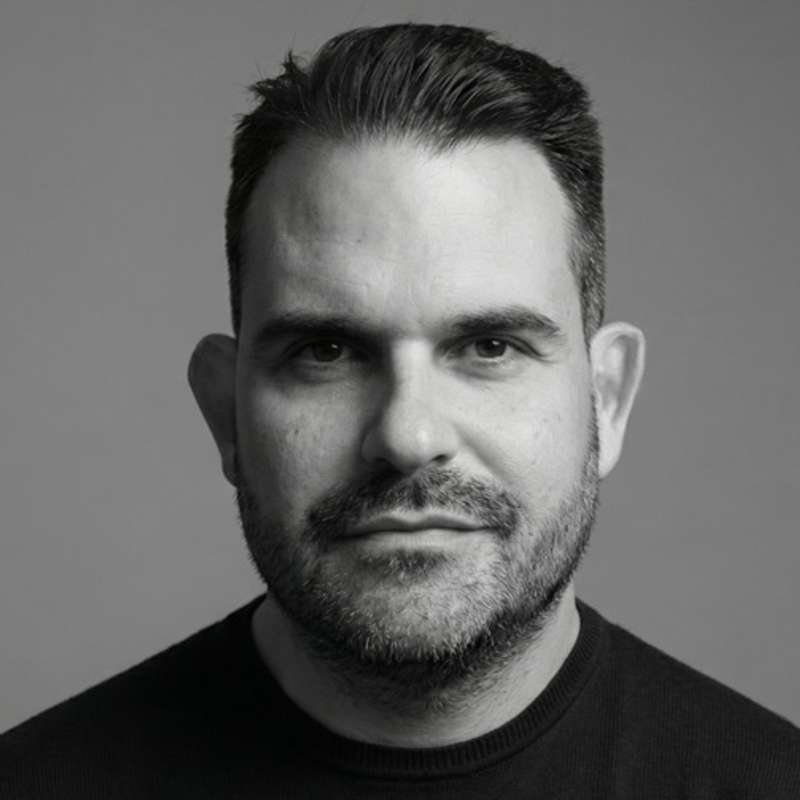 Chris Maffeo
Welcome to the Maffei Drinks Podcast. I'm Chris Maffeiro, your host and fellow drinks builder. I'm really honored to have you as one of our listeners from 111 countries. A small ask, if you enjoy the show, please leave a review and share it with others in the industry. Visit mafelldrinks.com for free resources, premium content, and episode transcripts. Now, let's dive into today's episode.
¶ The Value of Listener Feedback
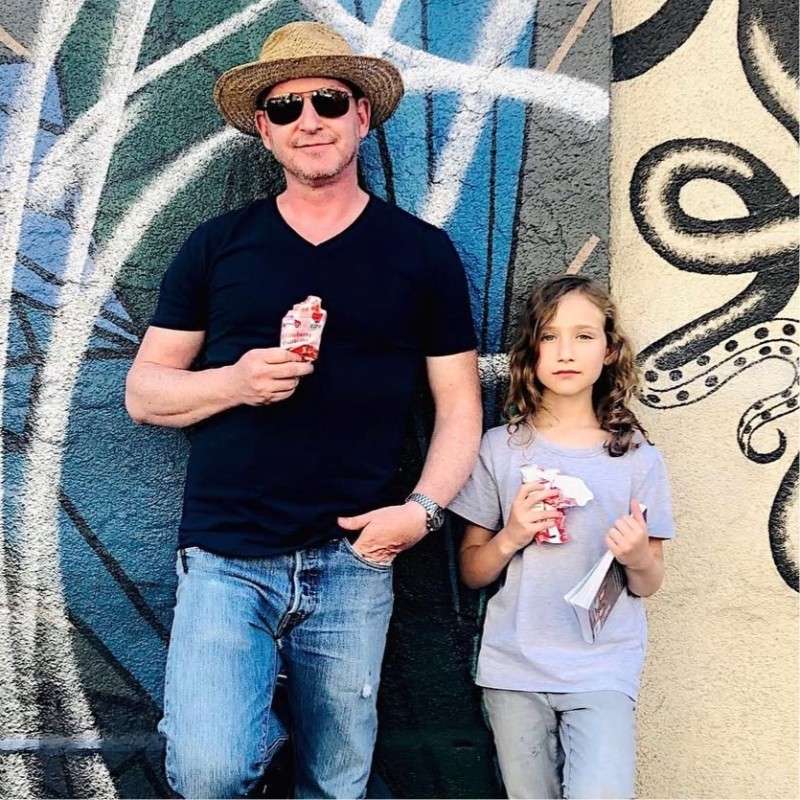 Andrew Friedman
You make mistakes, but you have to figure out what does that next what does that next ten years look like. And for you, I love that this is the the the process because not only are you doing something great for yourself and your family, but how many people listen to this? How many people get a lot out of there? That's why I imagine your listeners are growing because you provide a great value.
Chris MaffeoYeah. Yeah. The podcast is not a money making machine. It's a money eroding machine. But in a way, like, biggest gift for me, for example, talking about me is those messages that I get randomly on Instagram or LinkedIn, you know, people saying like, hey, dude, you know, I got so much so much value.
I mean, you you were one of those, you know, like when when you get people that, you know, value out of these things and spend the time because it takes time to to write a message. You don't do it. It's not like a two minute thing. Even if it's just like, hey, love what you're doing. Keep it up.
You know? It's maybe maybe I get that message on one of those down days that I'm like, should I continue doing this podcast kind of thing? And then maybe I get your message, you know, randomly when I wake up in the morning and that keeps me going, you know? So it's
Andrew Friedmanbecause there's 10 people that steal it that don't say it.
¶ Training and Collaboration in the Bar Industry
Chris MaffeoYou were saying like the, for example, that training kind of element. No? I mean, I I know what you were saying. So you were doing trainings for the city in a in a way, you know, like, so people even from other bars, could come to your bars and get.
Andrew FriedmanThat was a very Seattle thing. It's it's not just we can go to each other's bars, but we work together. And, again, when I people in LA, when we talk about this, they'd say, yeah. We do that too. And you go there, and they're just it's just very competitive.
New York, it was more cheap. They were there's a lot more working together. But still, it's so hard to live in New York that they're everyone's crawling, you know, crawling for what they can get. But in Seattle, we had the ability back then before tech really took off and you could have a $500 apartment to take the time to develop ourselves. So the training part is what allowed us to have the time to instead of have a three year captain, they have a five and seven year captain in that context.
So someone could take the time to learn about I I helped start the distillers guild here, the bartender guild. At some point or another, I I kind of forced myself on the USBG because the USBG was kinda like a big brand funnel bartenders, and I really resented there. So I ran United States Bartender's Guild exactly. And it's and eventually, I'm not gonna go through the whole fun story here, but eventually, they made me the VP of education, which is really what that's the kind of thing I enjoy doing. My goal throughout all this was to make sure bartenders are part of the equation.
When the brands come through and they wanna use me, use my bar to promote themselves, we insisted that there was an element that they had to do more than just talk about their product. I remember one specific time, oh, so difficult. There's a young woman who came in, and she worked for a big brand. She has graduated from college marketing degree. And she came in, and this actually, this happened in Portland.
¶ Challenges and Realities of Brand Promotion
I apologize. It happened in Portland. And she came in, and she started talking about the brand stuff and how it's made, having really no idea about anything. They asked questions and the Portland, they're really into, the nuance y stuff. And I remember the person who's running the the meeting said, hey.
Shop. You're literally not telling us anything we don't already know. We're gonna move on now. And, basically, just kicked her out. Not even kicked her out, but just moved on the conversation because there was no interest in being programmed.
There's no interest in being talked to. There's interest in learning. We generally wanted to learn about if sapphire gin is a compound gin, how does it work compared to just pick gin du jour, London gin du jour, where it's all made. They put the botanicals above the still, and it drip the botanicals off steam, and it drips in and that people want to know the difference of how Virginia was made back then. I think they probably still do.
I haven't done it in a while, but we want to know all this. We wanna know about different Nashvilles. We really wanna know about how a successful whiskey company might have 10 mashbills. And I'm not saying the rest of the country didn't have this, Chris, but I'm just saying it was it was a special Northwest, Seattle, Portland. It was just a special interest beyond brand loyalty, beyond brand indoctrination that we just didn't see anywhere else.
The brands won in the end. In the end, you fly enough people out to see the the Hacienda in Mexico. Eventually, they stopped selling the stuff that we loved, and you start to see those bars. And that's when I knew we lost is when we start to see Patron everywhere. There's nothing wrong with with Patron.
It's really well made tequila. But why would I spend $50 on a bottle of Patron when I can spend $50 on something that's made by a smaller Hacienda where they're steaming their agaves and they're just so careful about the work. That's what we used to talk about. That's what we taught people. That's what was important for us.
Chris MaffeoThe interesting thing for me is, like, what made you move on and decide to launch your own brand? You know, like, where did you see that opportunity on, you know, moving from bar owner to brand owner? Well,
Andrew Friedmanreally, it was the education part, the community part. Why was that so important? We had talked about that too much probably, but at some point, it stopped being fun because I noticed, again, my best bartenders be stolen by brands or stolen by other bars. I realized I was making a lot of other people very wealthy. Had a daughter, this lovely 11 year old.
¶ From Bar Owner to Brand Owner
And when you own a small bar, the economics of it, if do a great job, we're selling a million dollars a year in a 50 some seat bar. Well, it sounds great. Right? Except when you find it. Economics is that you earn 7% at the end of the year.
Rough 7% or a million dollars or taxes is $70,000. And at some point, you want more than that to be a farmer. And all the great butter, doing great things every day, whereas I walk the most happy beagle. But at some point, I realized that why am I helping all these other people get rich? Why didn't these presidents of these companies come into Libya?
They dumped milk and they teet me out for dinner, and they're not doing events, and they're barred they're blown blows up in Seattle and blows up around the country. And now they sell their brand for hundreds of millions of dollars, and I said, what the hell am I doing? I I resented actually that these guys, recognized for years, knowingly took advantage of all of our stores that you could, in fact, cash out the wide and chartered brand not to sell it. And so at some point, I realized, okay. It's time for my coworkers to move on with the bar.
They can be the next generation for liberty and do what they want. And I watched friends around me start their brands. Watched them start with wonderful brands, and I watched them one by one finding more trouble. So I thought, you know what I'm gonna do? I'm gonna start a well. So industry spirits is a bartender owned branch. We're a Wells brands. We have vodka, gin, and even now we're gonna bottle rum. Our we're bottled here in Seattle. We get our product from all over the world.
And at some point, it was obvious that for me to move on, I want to be one of the people that works with Mike and Yuni. But first, I wanted to do just a Wells company. So when I walk into a bar and we could talk about the 50 best bars also, which is a fun thing to discuss. But when you walk into a bar and you say, okay. Your well is brand act.
I'm big corporate brand acts. And I say, this is legitimately a bartender owned brand. Everything we do is hire bartenders. We train bartenders how to be ambassadors. We train bartenders how to be salespeople.
¶ Building a Bartender-Owned Brand
We train them how to, in effect, work towards really being able to make something in that industry to move from behind the bar to give themselves a career. And when bartenders hear that, they the bar managers, they say, yeah. So we converted very quickly, terrific amount of back bars because we built a better mousetrap. We're doing something for bartenders, by bartenders. Our message and we'll see we we wrote some good stuff last week on LinkedIn's office a couple weeks ago.
It's the it's the 50 best bars. Why are you going after the 50 best bars? Everybody's going after the 50 best bars. In our city, there's 20 bars that are outstanding. Everybody wants their attention, but there's another 500 bars that sell as much and more alcohol.
So I had to wean myself in this idea of going to those 50 best bars and saying, hey. We should serve industry spirits because it's so much more difficult. Everybody in Michigan might mention, if you're the most attractive person in room, everyone wants to talk to you. And if you're one of the 50 best bars, everybody was trying to work in it. It takes so much more effort to to do that.
So my goal was to get into every one of those other bars. I'm still working on those 50 best bars. But, Chris, if I had to spend literally 10 times more effort to get into bar x and then bar y, I can just walk in and they'll take my product because they appreciate what we're doing, why am I gonna spend all their time?
¶ Strategies for Brand Relevance
Chris MaffeoIt's about who's relevant. And, you know, imagine, like, I've been a marketing guy in my previous life, previous corporate life. No? And I remember myself, like, I mean, I I hate myself for having these meetings with the sales teams bitching about, no, you shouldn't go into the bar, you know, like, you know, like those bars are not premium, you know, like you should keep the premiumness of of pepperoni when I was selling pepperoni. I developed myself when I became a sales guy and then a country manager, and then I started to be responsible for the P and L.
And then all of a sudden it was like, you know what? That that that container that I can send, I can send it. You know? Like, that's making my monthly objective.
Andrew FriedmanAnd Do you remember that? Do you remember when you came up with that idea that the ones everyone wants to get are the hardest ones to get and the least value to me because someone else is gonna try and take that spot from you anyway.
Chris MaffeoYeah. I I remember, like, when I was I was responsible for a European country, and I remember I rolled out a new way of working with the sales team for the Entreesys team, you know, CRM system and and so on. And I remember that there was this is that we had to do some visits to visit some bars. And there was a bar that in one month got 27 visits. There's some bars that don't get visited, and this bar is getting 27 visits.
You know? And it's like, you know, are you joking or are you serious? You know? Like, what are you doing there? You know, you're going there for coffee, trying to to talk to the owner. They bounce you. You know? The owner pretend he's not the owner.
Andrew FriedmanIs that the question that Chris you asked your salespeople is why do you want to be number 28? What do you think you're going to be able to do as number 28 that the first twenty seventeen do?
Chris MaffeoAnd the thing is that, you know, there is a bar next door that is piggybacking on that bar that is very successful and then should go in there for lunch and coffee. And you can make as much money because nobody's basically going there, you know? And it's as much relevant and probably even more relevant for that positioning that you have with your brand or that occasion. What is very interesting for me, like the fact that, you know, you were not thinking about like a fancy brands and you were talking about a well, the speed rack. It's something like nobody nobody's seen that.
You know, it's the biggest opportunity for volume.
Andrew FriedmanIt seemed to me crazy that no one had cared to go after the number one product in terms of volume and price. And and just I'm not price, but in terms of volume and and cost to the bar. A bar can spend more on their well easily than they will on their next level of premium gin or premium vodka. I guarantee you most bars spend more money on WellX and they do on Grey Goose or they do on Sapphire. Most of them do.
Same with with when it was Peroni. You're selling trying to sell pepperoni. That category is very full. So even if you get it in that great bar, even if you're person 28, you finally get it on the tap there, someone's gonna pay them $500 or £500 or €500 or whatever it is two days later to take it off and replace it. Yeah.
Place but the place next door, they're gonna keep it on forever for two reasons. One, you sold it to them, and they they felt it fit in their bar. They wanted to work with you. And here in The States, all these people wanted to do those 50 best bars because they grew up in a world where they read those awards every year, and they said, those are the bars I wanna work with. Because the ego part of these, they they can go back to their sales manager and say, I've got it into bar x.
Yeah. And the sales manager is like that widget. It's like the the Van Winkle story I told where I'm so happy to have this experience with this top bar and this top top product, but my sales manager is gonna say to me, you spent how much time trying to get into that great bar, but where are your other 10 sellers supposed to have? The time you spent trying to get to the great bar took so much more time, effort, and energy, and money because they look to see where you spend your money. It's it doesn't pay out.
And that's the kind of thing that hopefully people will learn is how you spend your effort and energy results in your future. Mhmm. Your future is trying to please a bar manager who gets a lot of press. And that bar manager gets a lot of press is to expect you to treat them like everybody else reach them. And a bar next door simply wants you to come in, show them some attention and care, and it's a it's a it's a much easier sale, and it's a longer term relationship.
Chris MaffeoI I I think there's a couple of points there because one one point is the elements of, you know, why are you doing that? You know? Because if you're clear on why you're doing that, there's nothing wrong with it. Like, I remember when I was a sales guy in Rome, you know, they used to be at this club called Goa. There was a famous DJ, Giancarlino.
And I remember, like, I was selling Internet advertising back then with my colleagues. It it was a crazy project because it was 2001. It was basically like Facebook pages for bars and restaurants, but Facebook didn't exist. So so it was like it was crazy. I mean, people you know, my my clients didn't have an email address and I was selling them Internet advertising and Internet pages.
And, you know, imagine they had no idea. They were confusing websites with email addresses. It was crazy time, you know? Sounds like prehistory. But the interesting thing was that we had made a a demo presentation for each typology of outlet, you know, that we had the pizzeria, we had the bar, we had the club, and so on.
And then we had the demo page, but it was with real customers. Mhmm. It wasn't like a dummy page. It was a real page. So when I when I was going to clubs to do the presentation, I I was coming as a and then this is what you will get. And then there was this picture of Goa, this club that was the hottest club in Rome back then. And it was like, okay. But that's a dummy beige. You know? Like, that's not your client.
I said, of course, it's my client. It's like, come on. You know? Do you want me to go Giancatlino? And was like, call him. And then they were calling us. Dude, I'm sitting with this guy. What's your name again? You know? I was like, yeah.
Andrew FriedmanYeah. Yeah.
Chris MaffeoYeah. I'm I'm I'm their client. And their face was shocked. No? But the thing for me was that, I mean, they were paying the smallest fee possible. But for us, it was just like to get the foot in the door into that element of those other clubs, you know? So we had a clear back then, I mean, I was 21. I had no idea that I had a clear strategy, like looking in in
Andrew FriedmanBrady Stanton.
Chris MaffeoLooking looking back, I realized I was very smart back then with my colleagues. But at that time, like, we didn't expect, okay, we're gonna make money with that club. It's it was like by saying that we are with them, we are going to win other relevant outlets that otherwise wouldn't do it, you know? But the thing is that it was about relevance. It wasn't about call factor.
So the second point I want to come across is that I want to explain is that there is this element of this pyramid. We have been trained on marketing books and stuff about this pyramid spillover effect, the champagne tower, but it doesn't work like that in reality. You know, it's not the 50 best bar that have the spillover effect. It's the fact that if you are in the relevant 50 best bar, but it's not about the fact that it's a 50 best bar, it's about the fact that it's relevant. If it's a relevant B plus bar is as important as a 50 best or a class relevant bar.
But if the 50 best bar is not relevant, it's much better to be in the b class relevant than in the a class 50 best bar non relevant.
Andrew FriedmanCan I tell you what I heard in that story? What I heard in that story is you guys were able to take advantage of a relevant bar to promote your own ends, which was to promote your company. That is kind of what I'm discussing that the big the big brands do, they take advantage of. Because in the end, you're friends with a guy at Goa. You got him a something that hopefully would work for him.
But in the end, he was the tool that you used to get everyone else. Absolutely. Right? And the question I always have for people is that how can your friend there take advantage of your using him? And for me, everything is about how we could all take advantage of each other.
Now I don't know what Goa and other the product you had and the service you've had, but hopefully, they got something great out of it the same way you're able to use them to get into these other bars. So they would say, wow. Is it Goa? You must do something impressive because this Goa place is impressive. Yeah.
Yeah. That's that's what the the big liquor brands figure out. If they get into Zig Zag here in Seattle, if they're at Cannon in Seattle, if they're at any one of the big bars in Seattle, that means everyone else is going to say, woah. That must be something. Because I know that bartender only works with quality stuff.
But a lot of times, they're you know, have a broken record about this. The brands will use that bar as much as possible, but in the end, just don't really care. It sounds like you were excited to help your friend, Nikola. Hopefully, he could take advantage of Internet to grow his business, but usually, it's like that.
Chris MaffeoNo. Absolutely. Absolutely. Yeah. It has it has to be an even kind of thing because in in that sense, for example, it it was like an Internet advertising and slash kind of like a magazine as well, you know, a news about the the entree.
So, for example, in that case, we would give a lot of visibility to them because they would have, like, famous digits going there and so on. Then we would make articles about it. So it was like a like an equal kind of relationship that we would have done anyway because, you know, they were like the the coolest DJs coming to Rome. And, you know, we would have had to write about them anyway. But this way, at least we could say that it was a client.
This is the, the crucial thing. And what you raised there about the bartenders is very interesting because it's also the fact that where do you draw the line about, you know, working with brands as a bartender? Because there is all this thing about, you know, brand ambassadors and bartenders being ambassadors, to say. But then nowadays in Instagram age, you see some bartenders having, you know, every day a different brand on their page. Yep.
You know? Yep. And then it's like, okay, like, is it, and I'm not judging it, but it's just like, it's interesting for me as a phenomenon that you're
Andrew Friedmanjudging it and it's okay.
Chris MaffeoI'm not judging in the sense that, you know, if you have a strategy around it, it's fine. But then if you're just doing it for the sake of, like, maximizing your chances, it's like going into a bar and chatting up all the possible people at that bar. You basically end up being, you know, like the guy that is trying on on every girl at the bar.
Andrew FriedmanWhat you're saying right now is really what hopefully people can get out of these conversations is that if you're going to every week, have another brand presented on your Instagram, on your Facebook, on your this, on your that, TikTok, have a purpose. Because where I think it's negative is when people do that because brand x will fly you out to Mexico, will fly you out to Kentucky, will fly you out to Italy, will fly you out to here or there. You're always the the the product. The bartender is the product for the big brand brand. So what we should doing and what I try and do is train the bartender to say, you are the important one.
Make sure you get something out of this. Make sure that in your context, you're the goer restaurants or the the club because he's getting something out of your relationship. But the bartender gets nothing but a free trip, little some accolades. They get to come back and say, I just took this great trip. Then they go back behind their bar.
They make the $250, and they live in their apartment while the brand makes a billion dollars. How do we help the bartender become more than the products for the big brands? Which is what industry spirits is, is, hopefully, it's training bartenders to think about the future in way that is taking for the thing guys. We can take on the big guys if we simply use our power. The Matheo podcast is doing that.
It's training people to think bigger than just take your trip to the Patrol and Hacienda. I would say take that trip to the Patrol and Hacienda, and part of the deal is that when they come back, they have to pay for an educational seminar for the rest of your community who wants to come in to learn about Tequila, not learn about Patron, but learn about Tequila, learn about the process so they get better at their job. That's the part that I that I like to see. In fact, we started a whole white label business recently because I want and if if my favorite part down the street is selling right now industry spirits or maybe they don't want industry spirits, they want something a little higher end, I just started a business saying, let's make your brand. Let's make your well-being your brand.
So bar x brand in pocket, bar x brand in gin, bar x brand in rum. Why not? Why not? That's my goal and the dream I have is to help that bar start to make their own money so they can start to sell their own product in their retail stores. That's a much larger discussion of what the effects of that are. Yeah. Yeah. But I love discussions that get to the point where you can talk.
Chris MaffeoYeah. No. No. It's and this is like some thought that I've been having, like, for for a long time about this thing because there is a trend of bar owned kind of products. I I remember I was doing a training for a bar group in Milan, and by talking to them, it was a training about, you know, brands and how to work with drinks brands and so on.
And then from the conversation, it came out that they were selling loads and loads of a certain type of gin. And then it was the biggest selling. Basically, were selling wine and then they were selling this gin gin and tonic and they're done in a proper way and so on. And then I told them, I said, like, but does the brand know that I mean, you are like Michelin star restaurant. Does that brand know that you are doing that?
It's like, no, we don't we don't see anybody from them. There's no agent coming. There's no brand ambassador coming. And I was like, but why are you doing that? And then that ignites a conversation and then eventually that owner that created their own gin. And when I saw it, it was like it came.
Andrew FriedmanThere you go.
Chris MaffeoIt came after me. It wasn't through a clear conversation with me. It was like after. But after a couple of years, I saw that they had that the gin brand from the owner. And then I said, like, yes, I was happy about it. You know, I didn't get anything But out of I it was like a like a mental thing for me that's like, finally, the training, you know, worked maybe like months and years after. Eventually, they realized what they had in in their hands.
Andrew FriedmanThat's exactly the conversations I have every day. Every day, I have that conversation. That person is a different thinker. They Yeah. For some reason, they decided like, most bars that we're exactly referring to, and I'm gonna just restate it how how I see it, is here, there's a great bar.
They pick a product based upon their quality. Pago Club in New York. When Audrey Saunders picked a new product, she'd go through dozens of gins, taste them, have the people come by, and decide different gins for different drinks. So she wouldn't have just one gin for every gin on her menu. She would have five different gins because when she came up with a new menu, the bar teams and she would all work together, figure out which gin works best, and you could not sell her anything.
But Peyton McLeod being one of her until it closed from the best part easily one of the best parts in America, and she was never able to monetize how great they were for herself. And I love Audrey. I'm good friends with her, and I wish that the recognitions that we're having now that we can do it ourselves happened back then because there should be a PEGO club gym. And the big place when they decide, I'm gonna do it on my own. I don't want the brands.
They recognize they don't want the brands. Extrusion into their magic, into their arts, and bartending and creating drinks is easily an art. That's why Michelin started to give Michelin stars for bars because we are creating great art. Some big bars, they don't recognize that you get the first step, which says, big brands leave us alone. You're not gonna use us.
We're gonna do what we feel is best, but this next step is, okay, big bars. Well, exactly what you're saying. That guy figured out that I'm selling that much gin. I'm doing something. Why am I selling this person's gin when it's not perfect for what I'm doing?
Yeah. And that's where the industry is at right now, I think, because people are starting to get their own barrels. If you go years ago, I helped with a barrel in Kentucky for Cheer Drop Lounge in Portland, and that barrel was $12,000, but then we thought that was the most expensive thing we ever heard in our lives. That barrel right now is gold sport. Subsidy $8,000.
So it's time for these conversations to lead to bars and bar owners, and especially bar managers who often are the workhorses, the ones that do all the work. It's time for them to start thinking, how can I get sitting on this? How can I not just be a a high weights of the big brands to make a lot of money? Because ten years later, where are they? And even if you have a successful bar, are you making enough money ten years later, Ten all that time behind you, millions of dollars go through your hands, brands making tons of money on you, for what?
And I say to those when I walk in a place all I say, every day, I say, how can you take advantage of who you are without just selling a $9 drink? What's your next step? How can we help you and your staff get to the next step?
Chris MaffeoWhat is interesting about this conversation is also the fact that, you know, it's the the element of scale with brands now. Because, I mean, if we go back to what we were discussing before, there is always this thing about, you know, more, more, more, more, more. But in the end, it's not only about scaling indefinitely. You know, when I talk to brand owners, you know, they it's always like, how do I scale up? How do I get to, like, hundreds of thousands of cases now?
But sometimes it's like, but do you want that? Maybe you're building a legacy business. It's a healthy business that can feed you and your family for generations without having a buyout.
Andrew FriedmanThose people exist. I've met many of them, but they exist and they just wanna have great brand. They don't wanna make $50,102 $100,000,000. And then there's the other nine out of 10 that say, my goal in here is to build something and create best wealth for me and mine. If you hopefully, if you sell it, you have a big brand and you you sell it, all the people that work with you to get there get a chunk of it.
¶ The Importance of Legacy and Scale
I I know there's those people who want to especially, I talk to other channels. That's an important thing because there's families that have done wine for untold generations, and they can't imagine selling their their company. And when they start liquor brands, it's the same epo. So we're gonna build something for family. My son or daughter's gonna come in.
We're gonna take it over. Well, the big corporations say, we're gonna get to a 100,000, 200,000 cases, and then we're gonna sell for a multiple of seven x based on gross sales, and we're gonna get to our sale. We wanna sell for $50,100,000,000 dollars. Which one in the end which one in the end, Chris, I'm asking you. Yeah.
If you could have a brands, beer, wine, spirits, whatever it is, would you rather have a brand that you made good money and you could pass it on to your to your daughter, or do you want to sell that brand $50,100,000,000 nerves and then decide what the heck do wanna deal with? Which one would you choose? If you could today decide, I'm going to do one of these two. Which one would you choose?
Chris MaffeoI mean, personally, I would do the first one, to be honest. I don't wanna sound a nice guy, but I work with so many brands that reach big, you know, big scale. And then at some point, those brands kind of like fade away anyway. So for me, I would much rather work on on something that doesn't mean that it stays niche, but it's working somehow for the family. And then it doesn't matter because I've been thinking of this a lot because the reason why I created Muffield Drinks was that, you know, my great grandfather was a wholesaler.
My grandfather was a wholesaler. And then
Andrew Friedmanfamous money. Yeah.
Chris MaffeoThe business after one hundred years got, you know, just disappeared. You know, nobody continued when I was six years old. My my grandfather died and nobody continues. This is my way of continuing that legacy. And sometimes I think about it and I say, like, but my daughter may not want to do that.
I don't want to fall into the trap that my daughter must do what I do. But then I wouldn't mind if if she sells it, then sell it, but keep it the way with the ethos, the the the legacy and the approach that it was done for. And then it it doesn't matter. I mean, you can you can develop the brand. And now I'm I don't want to be naive and anti corporate or anything that it depends who who you are, you know, what you wanna do.
You know? I I remember one of this conversation on Clubhouse, like, I think it was Alison Park from bread And and and and she was talking about, like, you know, the first thing you should understand is, what do you wanna do is for? Do you wanna do it for the fame or global domination? Or do you wanna do it for building a legacy, you know, a family business that feeds you and your and your family? You know?
Because the the funny thing is that sometimes to try to go faster, you know, I I remember my father was was always saying this joke. I don't know if it was a a real story from the town or or if he made it up and it was a joke, but it there was the priest of the town in Southern Italy, and he he had a coach coachman, you know, the you know, in the carriages. Yeah. Yeah. And he and he was always like he was starting his journey saying, coachman, slow down that I'm in a hurry.
If you hurry, you're gonna have an accident, you know, a wheel. You're gonna lose a wheel on the coach. And, you know, like so, like, slow down. And and for me, in my experience, when you do things properly, you go further.
Andrew FriedmanMy mother says, why are racing till you're down?
Chris MaffeoIt's that kind of element that is that is very important to understand. And and there's no I mean, we're all different people, so there's no right thing for everyone. I don't know. Like, what what what would you what would you choose in that kind of dilemma?
Andrew FriedmanI've made the choice that I wanna build this brand and sell it. Part of the reason why the joy for me is building. So I want to grow this, sell it. In the meantime, grow other brands, start other brands, and just keep doing that. Even if I you know, let's say, a Cluedy major was a chunk of a billion dollars on Casanitos.
Let's say I sold a brand for, you know, throughout a good number, 100,000,000. I'd like to make a $100,000,000. I I wouldn't go to a beach. I might come out and see you and say hi, but I'd come out because I'm starting something else. You know?
Because I that's that's what makes me happy. That's what wakes me up. And that's why I want other people to start contextualizing. You wanna do it because it makes you happy to think that your daughter might get a chance to the name will carry on. And that is the value to you.
And I absolutely love that, and that is a huge value. We all have our own reasons to do it. And we're everyone and everyone we talk to will tell you why, what is their value, and what's important to them. So to me, it's important growing things. To you, it's important for a legacy. And to the next person, they might wanna have a brand that gets them famous.
Chris MaffeoAnd and I think we go back to the beginning of the conversation where it it's about having a plan. You know? Like, I don't I don't like to do this, like, you know, objectives and goals and this kind of thing. Like, it's a it gets a little bit fluffy for me, but, you know, it's really like having a clear idea that may change during the journey. You know, it could
Andrew Friedmanbe yeah. That it's
Chris MaffeoYeah. And it will change. There's nothing wrong with changing your mind on things because the development of things change, the world changes, the trends change, and and so on. Yeah. And life changes.
And then at some point you realize, okay, like, know that my daughter doesn't want to do what I'm doing. And then I say, you know what? Like, you know, I get a good offer and I sell it. And I will be the one who's selling it. It doesn't really matter as long as you do it for a clear plan, so to say, you know?
Andrew FriedmanI think that's the important thing we've talked about this whole thing is to have a clear plan and the steps to getting to a very clear plan. And the steps start with being, in my case, start with working the coffee business to get to all the stuff I've done that I never imagined I'd be here today. And those steps, and that changed throughout the whole thing. You've changed throughout your whole mean, I didn't know you did all that stuff. That's that's how you got here today.
Each one of those groups is something else interesting. Yeah. And at some point, learn, I'm gonna take powers of being driven and pushed by the wind at my back to do whatever comes next. I'm gonna choose. I'm gonna spend more time planning, and that's where I'm at most.
Chris MaffeoAbsolutely. Absolutely. I think it's a good wrap up for this episode. I want to give you some space to tell our listeners where where can they find you, how can they contact you and get in touch with you.
Andrew FriedmanAbsolutely. I would encourage anyone to reach out to me. You can send me an email at andrew@industryspirits.com. Industry spirits on Instagram. I've got yet succeeded in creating TikToks and all that stuff because same reason that that it's it's tough.
It's it's the next thing. I have to spend my energy where I can. But I would love to hear from people. They wanna think about starting something that I'm talking about. If anything I've said doesn't sound like just some jerk on tificating about whatever the hell he wants to talk about. I love working with people and figuring out how they could start the process. I just worked with somebody to do a pumpkin rum. Will it work? I don't know. Will they take it anywhere?
¶ Wrapping Up and Contact Information
I don't know. But they wanna do a pumpkin flavored rum. I think it's a it's a great thing. So people would like to check-in industryspirits.com, see what we're doing. Feel free to send me a message.
And if I'm able to help out a 100%, I will. Because that is the core job that I have with industry spirits is besides selling vodka and gin and rum and eventually other stuff is to work more and help them. If I can't do that, then I'm just lying about every piece. So if you want some help, please do reach out and I'll call as much as I can.
Chris MaffeoFantastic. Thanks a lot, Andrew. It was a it was a great chat.
Andrew FriedmanNo. Thank you. Thank you for all the stuff that you, especially the other week and stuff. I legitimately take notes. I take notes.
Chris MaffeoI look
Andrew Friedmanat it I go, oh, yeah. Why didn't I think of that? I love that. So thank you for all you do this back.
Chris MaffeoAndrew. Thanks.
Andrew FriedmanYeah. Cheers.
Chris MaffeoThat's all for today's Maffeiro Drinks podcast. If you found value in this episode, please leave a review and share it with others. Don't forget to check maffeirodrinks.com for all our resources, including episode transcripts. This is Chris Mafel and remember that brands are built bottom up.