



¶ Intro / Opening
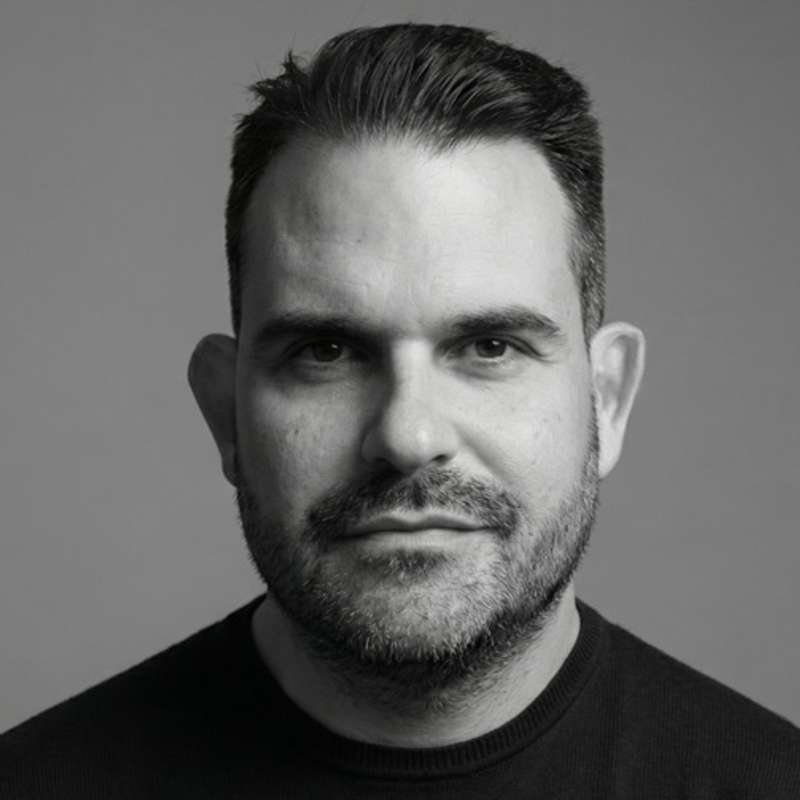 Chris Maffeo
Welcome to the Maffeo Drinks Podcast. I'm your host, Chris Maffeo. In episode 32, I had the pleasure of speaking to my friend and ex colleague, Julian Marsili. He is a global drinks brand director who has many years of experience in the drinks business. He is behind the successful rejuvenation of the Carlsberg brand globally, the launch of alcohol free brews and other portfolio innovations, and he has previously managed Peroni Nasratzuro in Italy.
I hope you will enjoy our chat. This is a two part episode, so don't forget to listen to episode 33 as well. I hope you will enjoy our chat. Hi, Julian. How are doing?
 Julian Marsili
Hi, Chris. I'm doing fine. How are you doing?
Chris MaffeoGood. Good. Good. How's the weather in, sunny Copenhagen?
Julian MarsiliOh, today is fantastic. It is a fantastic winter. It should be autumn, but a winter day in Copenhagen. Very sunny, very nice.
Chris MaffeoThat's nice. I think it's similar here in Prague. So let's dive in. It's a great honor to have you here because first of all, are friends. So let's say it out loud on the podcast. Have had the pleasure or maybe not so pleasure sometimes of working together for two companies in different places. In Copenhagen, back in Carlsberg, we managed to have even the same office and share many lunch breaks and dinners. And you are a big advocate of teaching the world how to eat proper carbonara.
Julian MarsiliAbsolutely. If you want, I can gift you with the, the carbonara recipe to put in the link below in the carpet. So this part, we can do better.
¶ ; Brand Saliency
Chris MaffeoAnd we can send some tutorials to the people. I would love to dig into an area that I only touch upon usually on this podcast, because usually we are going much more into the details of the sales side of things. And with you as one of the top market years that I know, I would like to go more onto the the other side of the building bottom up, which is the actual starting point. So the building demand and building, as you call it, brand saliency, which is not your word as you rightfully said on LinkedIn, but I would like to cover that area more.
Julian MarsiliYes. So it's not my word. It's actually a Latin word. It comes from salire to build up. So building brand salience is all about your brand coming to the top of the mind of a consumer, a customer in that buying moment.
So it's a qualified brand awareness. I know how you hate us, marketeers that come along and say, let me talk to you about brand awareness. Salience is just a better way of saying brand awareness with a meaning. So the perfect example for me is when you see big sponsorships in football world cup or rugby world cup, and you see a logo and you see it every day forever, but you never can remember it is because you don't know what that company does. And if you don't know what that company does, you will never remember that logo.
You will never remember that name. So salience allows you to match a name with what they do together. And often in buying situation, then that's where the brand comes up to your mind, being a customer, being a consumer, and you make that decision, that purchase and so forth.
Chris MaffeoI love that. And you know how big of a Latin lover I am. My mom was a Latin teacher. We're both from Rome and we grew up with Latin everywhere. And also it's a nice connection between the classic world and building bottom up.
Julian MarsiliAbsolutely. When I wrote it to you, I said, remember that it comes from Salida.
Chris MaffeoYeah, that's a great bridge and I will, I will reuse it. Let's talk about how you see building demand and building saliency and building a brand from your perspective, because compared to many of the people I talk to and guests that I have on the podcast with many people, they talk about building the brand from scratch. So they are either founders or they are in the inner team, so to say of the founder and they are actually building demand from scratch. So they literally go and they invented something. Your experience is more on working on a brand that you actually inherited centuries of brand building or sales at least.
And you need to bring it back to the old glory because it has reached the tipping point. It has overcome the tipping point, and it's it's now declining. And that's usually when you step in or at least that's how I met you always when I work with you. You were the the fixer of the, of the brand that was at the reached mainstream and wanted to regain at least like share of mine or however we want to call it. So how would you say that?
How would you explain what I've said in a very bad way from sales minded person?
Julian MarsiliI've learned it also, you know, halfway in my career. How do you drive brand reappraisal? So basically making sure that you drive what made you famous in the past is currently not working today. How do you get back to that growth? How do you become salient in your customers and consumers minds? Like it was when you started maybe one hundred and fifty years ago or seventy years ago and so forth. So that's what I've become accustomed to do in the last twelve years of my career.
Chris MaffeoLet's dive into that. How does a brand grow and reach a certain point and what goes wrong at some point, like this brand was amazing, incredible. And then all of a sudden, like something happens.
Julian MarsiliI think it's a, that's something happens over a lot of time. I think it happens because people change, companies change, stories change, and you forget the fundamentals. And the fundamentals is, you know, you know, brand, what makes it stand out and you talk to your customers and your consumers on a regular basis, knowing how that brand is performing. And that unfortunately, as you get bigger, you have more money, you have less time and you think that other things are more important, things like vague brand awareness or vague hypothetical target consumer or vague hypothetical target drinking moment comes into play and you get lost into a sea of PowerPoint that drains you and you forget to go outside and to live the real world and and talk to your customers. And you suddenly, in the drinks business, think that you are the customer.
You make that very old mistake of thinking, you know it all and thinking that you are the customer and you know it all. And that's where your big brand starts declining and they lose relevance and where things get, get problematic.
Chris MaffeoAnd I think like there's also an element, if I understand correctly from your words, that thin balance between looking outside and looking inside, you know, because there is people leaving the company and there is a loss of touch with the origins because the founder story gets lost automatically, whether the brand grows so big, people are leaving the company. So the thin line is between looking inside and looking outside. And I feel that very often, and this is my struggle with marketeers in general, that they rely too much on external agencies. So they brief agencies to say, I've got this huge brand. I've got this giant.
I don't know what to do with it. Help me fix it. And then what usually happens from my experience, at least is that they start to sell them the same ideas all over. So whether it's gen Z before it used to be millennials, all the buzzwords step into the game. And then these brands are actually going left and right.
And they end up doing things that are not distinctive enough and they all look like the same. And then all of a sudden you end up in front of a supermarket shelf and it's like, I can drink any of this stuff because they all talk about sustainability. They all talk about gen Z. They all talk about new things that are on the media all the time. So they lost why you should have bought it. Right?
Julian MarsiliI have been there. So I've, I can say I've been successful on one side and very unsuccessful on the other. And we've both been the same place. So I've been very unsuccessful with Nastrazzurro in Italy and very successful with Carlsberg globally. And I think going back to, yes, we marketeers outsource our brand thinking to agencies.
There is a line of truth into that. But I think that the quality of a good brief or the quality of a good marketing is knowing your brand, knowing what's about your brand that has made it famous or will make it famous, know what your brand is different or distinctive versus your competition. And then with that in hand, breathe a creative agency that can come up with creative ideas of basically interrupting a person while he's on his shopping spree or interrupting a person while he's watching social media or social network, or that come up with creative ways of capturing your attention and your imagination with your brand story. So yes, I am, I am not in favor of outsourcing brand stories and brand narratives. I have beaten that, but I have managed over the years to tell the difference.
Chris MaffeoWhat you're saying is that you need to do your homework. You need to dig into asking questions to older employees, to older people in the team, to archives, like trying to really go back to the roots. And then with that package, you go and ask how to convey that message. But what many companies do wrong is that they actually don't want to do the dirty job in the archives and in the digging, or they may be told lies when digging, because there's also like that element.
Julian MarsiliIt's often the marketing guy's fault because often we are called in to come with the new. And when we walk in, we don't have a long life expectancy within the business. So if you don't deliver within the first year, you're out on the second. So we want to make a difference. We want to make it fast and often we want to change stuff.
I have been most successful when I haven't changed much, but I've gone back to what was done before, found something that was meaningful that, you know, got people excited and just basically found a new way, new media and so forth to tell the same story. Maybe once upon a time, we would tell that story with a sixty second documentary in the cinema today. We need to manage to say that with shorter time on different medias. Other times I just got in there and put my mark and messed it up without doing the word that I think you will love, which is brand archeology. You just go into the archives and you start looking for those insights of what has done been done before and what has made the brand famous.
There's a ton of examples of people that have walked through a factory floor, seen that old poster or old saying, yeah, that's something we know. And then, wow, that's amazing. That's really the essence of the brand because it was put there by somebody who helped build that brand and understood it completely. So that's where you find that, that inspiration.
¶ ; Maintaining Basics
Chris MaffeoThere is an element of forward thinking that the founder of the brands, we're talking big brands, we're talking big corporates now. If we look at it from another perspective, imagine like the Mr. Jacobsen, the Carlsberg founder, or Mr. Peroni, the Peroni founder. Like, they didn't know what a longevity their brand would have had.
They they hoped for it, obviously, but they didn't expect that. So there was no, let's call it like succession planning in place from a marketing perspective, or maybe there was from a family perspective, but probably not from a marketing and sales perspective. So one way that makes me think and how to fix that is to really document you, you mentioned brand archeology. I love that words. I will steal it as well to really say, okay, let's make sure that all these things that we're doing, what now we call brand platforms or brand books and brand everything are really long enough.
And whoever works for the company should not change this. And let's bring it to the next generation because it's our duty as we, as we do it as fathers and relatives, as parents to bring it on to the next generation. And what goes wrong is that every generation keeps changing something. They change, they don't change. And there is that old thing saying, oh, we have done it.
We've tried that. It didn't work, but you've tried it because you've tried it in your way. You didn't try it in the way that made it successful. So how can brands avoid having to go back to the basics while growing? That's the million dollar question, right?
Julian MarsiliThe million dollar question of even for, is it a startup founder, a small company, medium sized company is to think that, you know, as a brand person, you are a custodian that you are, you know, progressing that brand to the next level, but you are guarding this beautiful sum of mental, physical availability that comes together, that somebody has built into a successful company. You are there to help it grow further, to change it, not to crack it, not to completely revolutionize it. So it is a custodian kind of individual that you are hiring. So you are in marketing. We're all, you know, as again, you want to change stuff.
You want to put your mark. Yes. But you have to be well aware of what's come before you. And that question of, yeah, it's already been done. That's that has always hurt me a lot, right? Because you, you don't want to do things that other people have already done, but you have to ask that question that you just asked, but how was it done? What was said? And in what time? Oh, we've already told that story. So what?
It's a good story. I think you should say it every time. So the example that I have is why is Carlsberg probably the best beer in the world? So I say, do you know, I sit in a bar or I'm in my presentation. I say, do you know that the original yeast for every lager comes from Carlsberg and that was shared to the world? No, I never heard that story. Yeah. That's what happened. So there's Carlsberg yeast in every lager in the world. That's pretty cool.
Yeah, that's why it's the best. Punto. And that's a story that you can tell a million times and it gets everybody And the answer that I have, I've already said it. Say it again.
Chris MaffeoYou nailed it there because people get bored too quickly. Right? Honestly, I do the same mistake as well. Like I write on LinkedIn and my podcasts and so on, and I want to convey novelty to my podcast and I want to write about new things on my LinkedIn posts and my newsletters, but ultimately people are looking for that reminder from me of that story that actually makes brands grow bottom up. So I shouldn't change that much from it.
Get consistency is key. So, and it's an, I would say like a normal common mistake that we all do. Listening to you is about taking a step back. And as a marketeer becoming like, I'm a custodian, I'm just taking this on like the Patek Philippe advert. No, you never own a Patek Philippe. You just look after it for the next generation.
Julian MarsiliYes. People have made fun of me. I was calling myself the bus driver. So I needed to drive this bus with everybody on board towards the next destination, but the bus is the bus. The people on the bus come and go. It's us. This is why you're on this bus. This is the song we sing in this bus. This is the speed we go. And sometimes you do a different route, but the bus is the bus.
Nobody wants to really be a bus driver, but your family story, which you have behind you, the Mappeo drinks and all that. My father, my great grandfather, he had buses. He had two buses that would take people from the mountains down to the beach. So I think that's what I was born to be a bus driver, a custodian. And I think, and I got there, as I said, through mistakes, trials and errors, through doing the wrong thing at the wrong time, trying to change things too soon, too fast, not looking back and not listening to that.
¶ ; Disconnected From Product
Chris MaffeoThere are some brands that I feel storytelling is a big thing nowadays now, but I feel that storytelling is overrated to an extent because people talk too much about stories and then they make it so fluffy and non rooted into something, which is ultimately the liquid of the product, whether it's a bitter, whether it's a gin, whether it's a beer, is it an IPA? Is it a stout? Ultimately, you look at Guinness or Pilsen or Carlsberg to that example, some brands stick to it, stick to that liquid and never change it. And some brands jump into the let's change the formula. Let's change the liquid.
And then that's where the brand connection to the liquid cracks. And that's where the issues start happening. This is at least my opinion. What is your take on that?
Julian MarsiliI've worked in the fast moving consumer goods. I've done pineapple in cans. I've done fruit juice in can in bottles. I've done pet care. I've done chocolate. And then I came into beer somehow in beer, especially in the world of lagers, the common, before the big craft beer movement came along, they would say, yeah, we're all the same. All you have to be is refreshing. I thought, right? That's all. And that's tell stories that people so in ads that people would talk about at the bar.
Did you see that guy do that thing with that girl, that car flying up in the air? And suddenly in beer, we lost completely sight of the product. That then goes into an area which is only about trouble because people taste you. People have a mouth with which they taste the products. And the rule is make a fucking great product.
And rule number one is that. And then rule number two is don't forget rule number one. It starts with the product. It starts delivering on a great product. And then a story behind that product that talks about where you come from, what's in it or where, how it was born and what's its ambition and what's its mission in this world.
So it does start from the product. And if you have an issue with the product, you fix the issue with the product. So don't be scared of admitting that you cut corners and you messed up. There is time to go back. And that's an example of what they did in The UK with Carlsberg.
Said over the years, we've tweaked this recipe and we forgot where we come from. And that's why we are re brewing it from head to hop. What was probably not the best beer in the world. That was a courageous act to say we forgot what made us important. And that was probably the best beer in the world.
We concentrated on other things. So, this is, to answer your question, product is at the heart of it and any purpose or omission statements that doesn't have a fundamental within the product to back it up. If what you say doesn't show up in your product, then you're going to be lost.
Chris MaffeoAnd what is the main driver in your experience of these issues with not consistently delivering on the product value? Is it like efficiencies? I've got my own theory on things now, like some brands grow and they grow maybe also because of lack of competition. Some brands historically, grow around the chimney as all the breweries used to do. And then all of a sudden they try to expand.
And then in some countries they are successful because of lack of other products. In some countries they're less successful. And then when the new entrants come in, then things happen. And then all of a sudden there is also a matter of admitting, okay, we have reached the top with this brand. You know, we cannot grow this brand further.
We should just maintain what we've got and try to fight the new entrance. But there is an element for me that a lot of companies, especially the new multinationals and corporations, they tend to want to grow all the times, like growth plans, you know, let's build growth, let's grow, let's grow. And then all of a sudden it's like, hang on a minute. Like you cannot grow. What made you reach what you are today?
There are no conditions anymore that can help you do that. I can support that. So either you enter with new products or you do something, but then what usually happens is that they, they, they measure them value. And then all of a sudden it's like, you cannot grow. We need to deliver value. So let's cut some corners. And then the shit hits the fan.
Julian MarsiliDo you start cutting costs because you cannot, can no longer grow the value of your business as, as you were used to. And you start cutting costs and cutting costs comes to changing a recipe that then is validated by a consumer research. That's more about validation rather than illumination is just to say, yeah, they don't, they can't tell the difference. Then ten years down the road, you are with the worst tasting product on the market. And you said, we haven't changed much.
Go back and see what you've done to your recipe and the ingredients and so forth. It is that realization that at certain point that exponential growth reaches a tipping point, and you need to look for other areas of growth. Is it other channels, occasions, moments, other venues, elements, not just your traditional, I've piled it high in every supermarket that exists. Therefore it should continue to grow at certain points. You reach that. And yeah, there's a curve.
Chris MaffeoWhat is the role of innovation for you?
Julian MarsiliYou know, going back to, the point about, consistency, right? The importance of being consistent. When you have a great product at the beginning, you need to remember what made you famous and consistently drive on that. It's not consistency for the sake of consistency, me and you know it very well that if you've got a shit product and you are consistent, it means you're consistently shit. It doesn't mean that consistency will take you somewhere.
You got a good product and you're consistent. You remember the fundamentals, and then you use innovation to build on your brand, to build on your story. It is a way to, to reignite what we used to call fresh consistency to water that plant with fresh new ways into your brands. Sometimes it works and a lot of times it doesn't work, but unfortunately there's also an over tendency of you rely too much on innovation and, use it as a tool to get your Salesforce excited to get in the door with your customer. Look, I've got this new shiny thing.
It comes with a little bit more money than the other thing and so forth. Padiativo, as you say, a little drug that actually doesn't do your brand no good if it's not rooted in what hasn't made your brand famous. And it allows you maybe to enter, to bring that brand into similar ideations, occasions, and so forth.
¶ ; Demand Space Vs Target
Chris MaffeoWe always have this discussion about, you know, the target occasion that you always correct me about the demand spaces. No. When you correct me on building like on the demand space rather than on a target occasion.
Julian MarsiliIt's basically it's what you say. You are the same guy that one day, one moment drinks beer and has a sausage. And another one has Negroni with a fantastic aperitivo. You're the same guy. You're the same person in different occasions. Right. But what is in that occasion? It's your motivation. So that motivation was sausage and pizza was motivation. I want to see my Czech friends and I want to hang out with them.
When I have conversations, the motivations for the Negroni and the Penitivo is probably, you don't want to go out with Julien and the Italian friends. It's a different motivation. So demand spaces matches occasion with motivation. That's all it is. It allows you to break free of what we work together, you know, that target occasion as if it was something blocked in stone and there was only people who did this and there was other people who did that recognizes that the same person has different moments and sits within the same day or within a life in different demand spaces.
Sometimes he wants to sit back and relax and be on himself and unwind and unplug. Other times he wants to refresh and replenish himself. Other times he wants to bond with his friends or other times he wants to reward himself and show he knows the best. Those are all the same person in different demands, faces. And the theory says you should build a brand that caters for that demand space, for that occasion and that motivation.
Then you are the one that is top of mind that has salience within that moment. So I want to relax. What should I drink? I want to have fun with my friends. What should I drink? So in that moment, that brand comes top of mind.
Chris MaffeoHow do you go from focusing on one specific demand space to the next one? Because my take is that for a long time, you should stick to the first demand space that you have identified.
Julian MarsiliI mean, there are examples of brands that have gone widespread into multi category. No exam, it's a food example. It's not a beverage. Oreo, you know, from it's a cookie and it's audio doing everything. That's a mega brand that's over the years of doing stuff the way it does is stuff, but they are very few and far between.
There are the really successful ones are the ones that stay there. Now you can go into ideation. You are the reward and indulge. Maybe you can go relaxing space, but it's, you're on always that side of the quadrant. And if you want to go somewhere else, either you build another brand or if you've got a strong brand, build a sub brand that supports it.
But it is very difficult. It's going back to stick to what you know, and stick to how you grow. And if you want to go somewhere else, come up with another brand. It's, it is expensive. We know it's expensive, but it's more expensive to waste money trying to build your brand into a place which has never been right. Only because people know about it, but people know about it again, because it comes to mind for that. Why would you go over there?
Chris MaffeoIt sounds like that it would be much easier and we tend to overcomplicate stuff.
Julian MarsiliAgain, the sake of fast paced growth, and, and, and cutting corners. And, and there are very few brands that manage to do that. And believe me, you say it all the time. And overnight success that took fifteen years, they will think that, oh, look, audio has done ice cream. Yeah. But it's taken them twenty years to get to that brand authority to do, to jump into a different category.
Chris MaffeoYes. And I always bring the example as like, when you want to buy a new car, when you go to the dealer and then you say, actually, I want to buy this car. Then all of a sudden you start to see that car everywhere. And then it's like, oh, I never thought about it. Like, it's so common.
Yeah. Because you were not looking with those eyes. Like we were looking at cars in general in the traffic jam. You were not looking for that particular brand with that particular take or tires or whatever. If you like ours or whatever other category could be, but it could be a handbag. It could be a, whatever, like
Julian Marsilia scooter. The, the, you know, the dark Lord calls it, you know, you're in a buying situation. That's what salience going back to that is your brand coming to mind in a moment in which you are in the market to buy. So when you're not in the market, that's wasted awareness, but you have to come to mind with, and then in that space, usually there are three to four brands that come up into your repertoire. And those are the established brands that are consistently spoken to you about that moment.
And when that moment comes to you, buy a car, which brand comes to mind and then you start seeing it around and so forth. Yeah.
Chris MaffeoI was discussing this actually, like online, like a couple of days ago on, one of my crusades has been like, when I was working on Peroni, like on cutting all these random events that were called target audience events everywhere we were doing them, which was basically like free cases of beer to cool people that were asking for it. Who had
Julian Marsilijust thought we're actually drinking gin tonics.
Chris MaffeoExactly. But the thing was always like the way I've been a hardcore marketeer in my older days. And the way I cut this short was basically if we are stocked in that venue, then we could think of doing that free sampling if it's legal, of course, but then if it's not there, would you want to go to a party where that brand then disappear from that night? Because if I go back to that venue, club, bar, whatever shop, then I want to say, okay, I love this beer. I want to drink it again.
And then as can I have the beer that I got yesterday? No. That brought the cases away because the brand is not there. There is always this disconnection between marketing and sales that we should strive to like as a distance, like we should strive to, to shorten. And this is also the kind of like me a culpa from salespeople and from marketeers in actually managing to get into a same conversation and having a constructive debate without having any extremisms in the talk.
Remember that this is a two parts episode, so don't forget to listen to episode thirty two and thirty three. That's all for today. If you liked it, please rate it, leave a comment and share it with friends and come back next week for more insights about building brands from the bottom up.