



¶ Intro / Opening
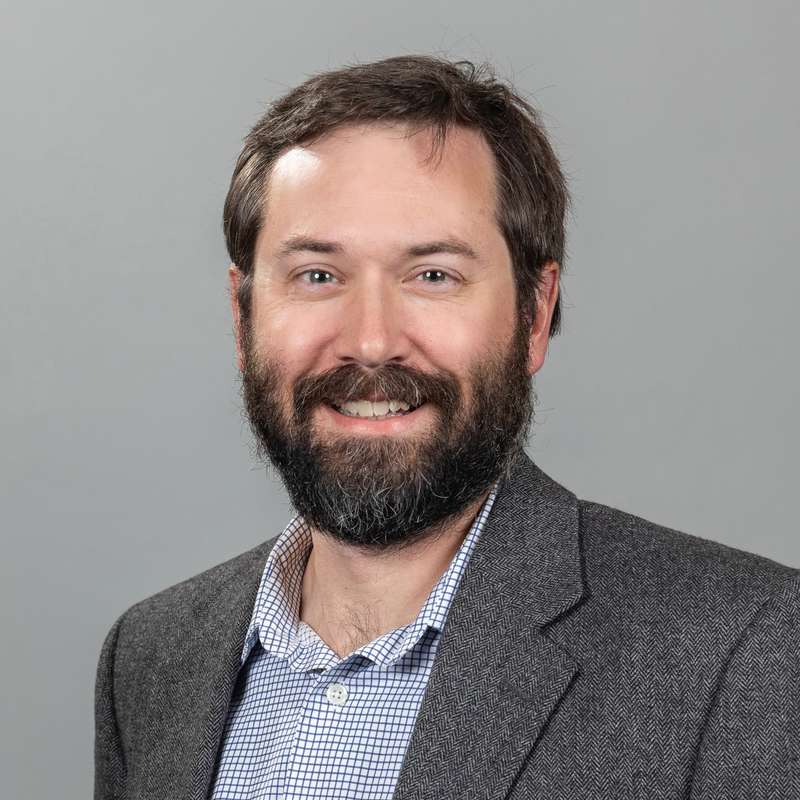 Chris Enroth
Welcome to the Good Growing podcast. I am Chris Enroth, horticulture educator with University of Illinois Extension coming at you from Macomb, Illinois, and we have got a great show for you today. We are gonna be talking with Brody Dunn and Timo Wayman all about bee hotels. Pollinator hotels? Insect hotels?
I don't know. I'm gonna be surrounded by bug people today. And you know I'm not doing this by myself. I am joined as always every single week by horticulture educator Ken Johnson in Jacksonville. Hey, Ken.
¶ Hey Ken! Bugs are cool now and what kind of bee hotels do we have?
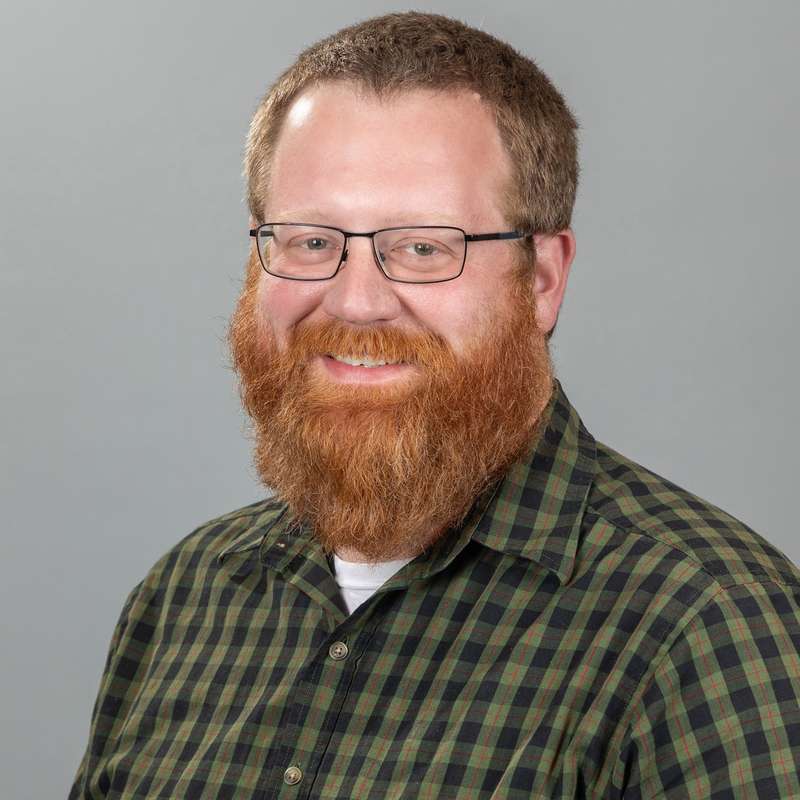 Ken Johnson
Hello, Chris. It's gonna be a good day. We're talking bugs.
Chris EnrothI know you're excited. You love this stuff. You have you have chipped away at my my exterior to to insects trying to keep them out of my home, out of my garden, all of that stuff. And now to my wife's chagrin, like like, there's an insect that crawls across our dining room table and she's like, do something. I'm like, it's fine. Don't worry about it. And she's yeah. So You you've ruined me, Ken. Thank you for all these years of of bug talk.
Ken JohnsonRemember, if you're cold, they're cold. Bring them inside.
Chris EnrothThat does not count when there's brown marmorated stink bug crawling all over my kitchen. So those guys get flipped back outside.
Ken JohnsonWell, we'll give you a pass on that one. Yeah. Thank you. Supposed to be here.
Chris EnrothExactly. Yeah. So, well, I mean, you know, with that, Ken, there's we're gonna be talking about bee hotels today. Curious, have have you ever put up a bee hotel in your yard?
Ken JohnsonI have one. I have not put it up yet. Just one of those things. I think about it and then never do it. So maybe this year will be the year.
Chris EnrothI'm I'm in the same boat. Yeah. I I'm same way. I actually, we got a a b hotel for Christmas a few years ago. I'm like, this is so pretty. I don't wanna put it outside. So it's, yeah. I I really like it. Actually Oh. I it's it's not necessarily a bee hotel.
This is like a oh, there's the blur. It's going. It's like an insect overwintering thing that you're supposed to put all these things in here and just set it outside and let them overwinter in it. And I guess for people listening, I'm holding, like, a little wooden box with some pine cones, some moss, and some some reeds, like, little sticks all chopped up. So but again, I like it so much. I don't wanna put it outside. I don't wanna share with the bugs. Alright, guys. So the one
Ken Johnsonone I've got is it's got the wood nesting blocks that are all you can open up and take apart and stuff.
Chris EnrothSo Mhmm.
Ken JohnsonMaybe this this podcast will be the impetus to get me to actually put it out next year.
Chris EnrothWell, I I think so. But we're gonna talk about is it does it work or doesn't it? So I think we need to introduce our special guests for today. So we are joined by two, I mean, very legitimate looking podcasters right now. It's like you guys do this all the time.
¶ Welcome Timo and Brodie from the most podcast-y location we've ever had on the show!
Brody Dunn, Timo Wehman, thank you very much for joining us today to talk about b hotels. And we have to address the elephant in the room. You guys look like you do podcasting for a living. Where are you right now?
Yeah. So we're we're in the University of Illinois main library. You know, we had planned on just using my little bird recorder to do this. But this morning, I opened up my bird recorder, and the the battery pack was entirely entirely full of corrosion. So we didn't end up using that, made an emergency little booking in this place. And so now, you know, we look like we are we're we're the hosts here. You know? I know.
Chris EnrothWell, it's very nice. Yeah. You're in, like, a a very nice podcast recording studio. You have all of the the sound absorbing material all around you. You have Mhmm. Your you have your pop filters on your mics. That yeah. You guys look great.
Thank you so much. All sorts of doodads in here that you can't even see.
Yeah.
Like you're
Chris Enrothin the Millennium Falcon right now. You know? There's all these buttons in front of you. Yeah.
Mhmm. We're gonna go into hyperdrive any second.
Chris EnrothYes. I love it.
Ken JohnsonI love it.
¶ What drew Timo to studying insects?
Chris EnrothOh, man. Well, I guess before we we dive into the questions, Brody, you've been on the show before. Timo, you brand new. Could you just give us a little bit about your background and why why insects? Why bugs? Why?
Well, I guess I've been interested in insects since I was very little. I remember one of my first, like, furthest back memories that I have was my sister got stung by a yellow jacket at the playground when I was in, like, pre k, and then I just went under the playground and was looking up at the little, like, paper wasp or whatever yellow jacket nest and just watching them, like, walking around on it. And my parents are always good about whenever I expressed any sort of interest. They would always, like, get me all sorts of books on a topic. So they got me, like, insect identification guides, and so it's like I for as long as I remember, I've always been interested in insects and specifically these social like Hymenoptera, the ants bees wasps have always been a big interest of mine.
And, yeah, it was something that I kind of wandered away from, and I went into undergrad having no idea what I wanted to do. And then when it came time to, like, try to find a lab to volunteer at, to get some research experience before applying to grad school, It was during the pandemic, so the only lab that I was able to join was as lab studying native bees because I was able to just, like, get loaned a net and some, like, little binoculars and vials and microscope, I was able to just do all that from home. So and when I did it, I was like, oh, I love bees, and I've always loved bees. And it, like, kinda brought back a a childhood, like, a childlike wonder.
Chris EnrothThat's awesome.
So
Chris EnrothSo is that is that where your your research interests intersected with Brody in the native bee study?
Yeah. Absolutely. I I would say so. That's definitely how we met is through talking about native bees. But, Timo, I I absolutely love the fact that you're the the origin of your love of insects has like this little tinge of sibling rivalry. I love that. That's a that's a great origin story.
Yeah. I guess it's like with insects. It it did start with me with morbid fascination of like fear. Of like, I'm scared that this thing's gonna sting me. And then I feel like anything that you learn a lot about it's hard to not fall in love with, I'd say.
Chris EnrothWell, I this brings up a lot of questions. And so you had mentioned the idea of social insects. We also got some solitary bees out there. But, I mean, before we before we unwrap this present here, I think we need to kick off our line of questions. And so, Ken, would you mind getting us started, please?
Ken JohnsonAlright. So we have some people listening who may not be familiar with with B Hotels. So I gotta what are B Hotels and what's the point of them? How do they help? You know, why why would why would we be putting out b hotels in the first place?
¶ What are bee hotels and how do the help bees?
Yeah. So a a b hotel is you know, usually it's this little box and it's either got holes drilled through it, like roughly quarter inch holes drilled through it, or sometimes it's like kind of a box full of reeds. And inside of these cavities, whether it's a drilled cavity or, you know, the remnant from a pithy stem, bee native bees will nest. So Timo, you wanna tell us more about why native bees are using these?
Yeah. I mean, so there are a a pretty large group of native bees that are cavity nesters in the wild that would be living in often whole like preexisting holes drilled by beetles in rotting wood is where like those tunnels is where they would be building their nests, and so bee hotels are supposed to sort of replicate and make more habitat for those. And specifically like if you want those kinds of bees in your garden or on a farm, having a bee hotel where these like cabinet nesting bees can move into will make bee like those bees have bee living around there in your garden. So it's it initially came out of the idea of being able to study how these bees nested and to study like what the populations of these were and then people kinda started using it as a like conservation tool to try to like make habitat for them.
Because theoretically, like, you know, in the woods and out in nature, trees will drop limbs and these limbs will be inhabited by these beetles who have, you know, drilled into it and they're make they're making their way in their own life. But in, in urban areas, in human dominated environments, anytime a tree dies, we take the tree away. Right? And so there's theoretically, right, the these bee hotels are providing a space for those bees. It doesn't really exist very often in this human dominated environment that we've created.
Chris EnrothYep. Very true. And, like, you know, fall arrives, all the perennials, annuals die. What is our first inclination? Well, at least some of us, wipe everything away, get rid of all those dead stems and and clean slate for the wintertime and be ready for spring. But a lot of the the like, the reeds and the grasses and things that you described that can be in a b hotel, well, that's that debris that we cleared out of there. So this is providing an an alternative to that.
Mhmm. Exactly.
Yeah. And so a big thing too is that in general, native bees are in decline right now and a big part of that is they are losing that habitat. So in theory, bees are supposed to be providing habitat for more types of bees to still have a place to be living in a landscape that has been so deforested and is so anthropogenically changed.
Chris EnrothYeah. And and all those and all the research papers I've read about scientists looking at pollinator decline, specific species or kind of broadly speaking, You know, some of them will point to pesticides. Some of them will point to disease. Some will point to kind of the commercialized beekeeping industry. But every single paper, it seems like in every single conclusion I read, habitat loss is still the number one driver for the loss of native pollinators.
So Mhmm. Yeah. I'm seeing lots of head shaking here and nodding, so
guess I'm on to something. Yeah. So I I sometimes I I already forgot we're on a podcast. Right? So yeah. Absolutely. Medium. Yeah. Audio medium. But yeah. I mean, exactly. The habitat you know, we're thinking we're thinking a lot about climate change and all these other things and, you know, the competition from honeybees. But if they had the habitat, right, if these native bees had habitat, all those other things would still be concerns, but their concerns would be way less.
Chris EnrothAlright. So I guess my next question about bee hotels then, this kinda goes in the vein of Peggy Doty. She's a educator at the extension up north. And one thing that I just carries around in my brain is when she says, you know, the plants we put out, the the bird feeders we put, all that stuff we put out. We put out this buffet of stuff, but we don't get to choose who uses it.
¶ Do only bees use bee hotels? What about wasps and other insects?
So we put a bee hotel out. Is anybody else using this besides the bees? Is there any other inhabitants that would be in these bee hotels?
So often, I mean, it really depends on the location and factors that we don't always necessarily know, but often bee hotels are a majority inhabited by wasps and I guess in a similar way to how the bees that are living in bee hotels are are solitary bees, these are often solitary wasps and I think that freaks people out, or it's like how can we keep wasps from nesting in my bee hotel? I only want bees. Bee like, these wasps, since they're solitary and they aren't trying to protect a nest, they're not out trying to sting you and also they can often provide benefits of, like, their these wasps are carnivores, so they will often be eating things that might be pests in your garden. So, yeah, often there are wasps that are living in bee hotels too, but that's a good thing.
And and this is one of the things that Timo's project is kind of looking into is is, like, what exactly is in this? Mhmm. Because there are these wasps, right, that are inhabiting these these b hotels. But there's also and these wasps, but as Timo mentions, are definitely beneficial. Mhmm.
¶ Predation from natural enemies if bees and wasps like the cuckoo wasp (cleptoparasites).
But there could be these other things in them that aren't beneficial, and we don't totally understand them. So, Timo, do you wanna talk more about that?
Yeah. Sure. So, I mean, on top of the inhabitants that are like bees and wasps that are just the native species that would be living in cavities in the wild. There's also concern because there are natural enemies of bees and wasps like cuckoo bees or cuckoo wasps are bees and wasps that instead of laying their eggs in their own nest will lay their eggs in the nest of another bee or wasp and when like have their their baby eat the food provisioned by the host and that's a strategy called kleptoparasitism or parasitism by stealing. It's kind of the same idea as a cuckoo bird.
Chris EnrothYep. Or cowbird I think is another one I Yeah. I I've been familiar with in my neck of the woods. Yeah.
A brown headed cowbird. Yeah. A concern with bee hotels, one of them is that maybe in the wild aggregations of bee nests of like these cavity nesting bees would not necessarily be super close to each other where a bee hotel often has just a ton of cavities all like an inch or less apart where it would be very easy for something like a cuckoo wasp or a cuckoo bee to just come in and parasitize every nest if it wanted to. And in a similar vein, there are diseases of these cavity nesting bees like chalkbird that it's really easy for spores to just get into all of them because they're so close together. So there's definitely a concern of how these can host, can make it because in nature, obviously, it's good to have a natural level of parasites if a population is healthy.
¶ Diseases showing up in bee hotels.
It's a part of it's just part of the way of things, but there is concern that bee hotels could be a trap for, like, our native bees and native wasps are coming in and making nests in this what seems like a good spot. Right?
It's like a it's like a one stop shop theoretically. Right? So we don't that this is something that we're afraid of. Mhmm. Right? This could be happening. And then this is this relates directly to Timo's project because that's what they're they're trying to look into. What is in these hotels other than the intended documents? Mhmm. Right?
It's like, are there invasive because of this unnatural density Mhmm. Because of this unnatural density, are there going to be more parasites? Are there gonna be more diseases? Are there gonna be more invasive species? Which believe it or not, there I did not realize this actually until relatively recently, which is very embarrassing.
¶ What about invasive bees using bee hotels?
But there are kind of invasive bees. Right? It can can you tell us about the invasive bee that's out there?
I mean, there's set like
I guess it's technically, it's not invasive. Right? So we have to be careful. I think it's like an aggressive and non native bee.
Yeah. I mean we have introduced bees like Megachyli sculturalis which they can be problematic. I've seen studies where when one of these bees is present in a bee hotel, the likelihood that native bees would also be in the bee hotel dropped off precipitously. The big problem with bee hotels right now is that there's so few data points. So that was one study in France and we don't have other data.
So it's like, is that going on here in our b hotels in Illinois? We don't know, but there is precedent for these bee hotels if there's invasive bees, them being out competing native bees. In this study or in other studies with introduced bees. It's been found that, our native bees had higher parasitism like mortality, than the, introduced bees in the same hotels. And invasive bees, I guess it might seem like what's the problem, but invasive bees, I guess in the same way as our native bees, are important because they're very tied in to our ecosystems at the base level of our bees and our plants coevolt for thousands and thousands of years.
So they our native bees are really adapted to pollinating our native plants really well. Invasive bees are really good at pollinating invasive plants. So That
was non native plants. Yeah.
Non native plants. So we there is concern with if we're losing all our bee diversity, that also is directly translating to our losing plant diversity. It's like those it's a a feedback loop.
¶ How much research is out there regarding bee hotels?
And I I have to cut in here to emphasize something that Timo said just a minute ago, which is how few data points we have, just how little science has been done. Because I started talking to Timo about this project about, I guess, probably a month ago. Mhmm. And I asked them, can you please send me just, you know, a a selection of the science. Right?
And they sent me, I don't know, probably five or six papers. And those are the five or six papers. Right? That those are the ones, you know. And so it was a it was a quick read, but it's really unfortunate because there's so much interest in the hotels.
Know, like like Ken said, you you have you've got one that you're waiting to put up. Right? People are really interested in these things, and they wanna know, like, am I doing having a positive conservation impact? Mhmm. But they ask extension units and not just Illinois extension, but, like, a lot of other extension places, and they don't know because there's so little science. Right? So, hopefully, Timo's project can help address this this dearth of information. Mhmm.
Yeah. And it's interesting with these, like, there are I feel like there's so much concern. And I feel like when you're reviewing, like, what's out there, I feel like I've read so many articles that are like, there are these concerns with bee hotels. Could they be a place where parasites are living? Could be they be spreading disease?
Maybe buy a bee hotel here. I still I feel like there's not there's not enough information and not enough people are looking into it. And with my project specifically, I'm really curious about what's going on in these bee hotels and people's gardens like the ones being set out by just people because all of the studies I've seen too are of curated like bee hotels that were all made the same, are all like placed by scientists like for specific stuff. And it's like we don't necessarily know what's going on in just people's gardens. Yeah.
If that's different. Yards. Uh-huh.
The other exceptionally it's alright guys. We're we're in the I think this podcast space has has gone to our heads. We've we've been talking over you guys for, like, I don't know, five probably ten minutes. I'm so sorry about that.
Chris EnrothThis is what this is for. Yes. We we want you here to talk. So, yeah, this is what this is how it is supposed to be.
Right. But, you know, the these papers are you know, what Timo is saying is, like, you know, there there are these papers, but they are on these, like, aggressively controlled environments. Right? Like, so every b hotel is exactly the same, and they're all in like a, you know, I don't know, a a five square mile so they can control for this and that. And, of course, controls are, like, absolutely necessary to do, like, really good science in particular situations, but it does kind of bias some of your findings that you get towards not not a a perfect census.
Right? Like, you're not seeing the environment as it's actually used. And and, of course, a lot of places that that's it's it's fine. Right? But in this particular instance, I T Mo thinks that there's a good chance that they're maybe missing something about the real world Mhmm. Because of those controls that they put onto those experiments.
Yeah. I mean, something that I clocked in reviewing the literature is that a lot of these papers where they're finding a ton of invasive species are ones that are done in cities. And I guess I kind of have a concern that as much as it's a noble goal to be trying to increase bee diversity in cities, I guess I have a concern that with these bee hotels it's just creating like it's just exacerbating the problem of making a breeding ground for these invasive bees instead of having bee diversity in be increased in cities. So there's several landscape factors and factors about the gardens that b hotels are in that we just don't know how they affect what's in the b hotels, but I suspect that they have a pretty big effect. And I think a bit a goal of my project is to kind of suss out like when are situations we should be using bee hotels?
What are situations we shouldn't be using bee hotels? How can we like best place them, best everything to optimize them for conservation instead of having them be counterproductive. Because it's like there's some information out there but it's so it's backed by so little data points.
Yeah. I mean pollinator conservation in cities is kind of having in urban areas specifically, is kind of having a moment. And that's because it really does genuinely seem like it it could be possible. Right? Like, there are things that we could do. Maybe this is a conservation that we can do Mhmm. In the in the urban environment. See, like, we can't conserve for bears. Right? Like, we're not gonna be able to conserve habitat for for black bears.
Right? We can't do that in the middle of a densely densified urban environment. It's not gonna happen. Bears need too much habitat. There's too many conflicts with people. But with bees, they're so small. And, you know, what are they eating? Well, they're not eating antelope or deer or whatever. They're eating, you know, pollen and nectar, and that's something that we can theoretically provide. Yeah.
And the the sort of hiccup here is potentially that these bee hotels are potentially putting these not necessarily the resources at risk, you know, putting the bees at risk through their what they're eating, but putting them at risk by where they're nesting. Right? Because these nests, as Timo was talking about, are dense, like way more dense than you would typically expect in, you know, actual nature. So maybe there are these negative things that can happen because of that that density of nesting sites. Right?
Or maybe it's because there's just a higher population of invasive insects in urban environments. Because we know that's that's true. Right? Like, that there I think that's true, isn't it? I've seen yeah. Can can you verify that? There there's a higher range of of invasive insects
Ken Johnsonin urban environments. That's correct. Right? That wouldn't surprise me.
I've seen I'm pretty sure I've seen papers that came to that conclusion. Yeah. I think MacGyver.
Well, we'll say that's a true fact. So right now, we'll put Let's say
that's supported by the literature.
Ken JohnsonYeah. Yes. If it's we'll
put it in the show notes. Right?
Chris EnrothWell, hold on there now. According to the Journal of Urban Ecology, it is difficult to make general statements about whether urban areas have a higher density of invasive insects. The density of invasive insects can vary depending upon the species of the insect, location, and all the environmental factors. The urban fabric is a diverse, interweaving of all different types of environments. I hope you do not mind my intrusion, and now back to the show.
I mean, and another thing with cities and bees is that cities are often have so many ornamental plants, and ornamental plants will encourage invasive bees and invasive insects where I am curious how the different the different factors might be interacting where it's like, could we have higher diversity of native bees in urban bee hotels if we had native plants around the bee hotel? We just don't know right now.
¶ How do bees utilize bee hotels?
Ken JohnsonSo it's well, obviously, we've talked a lot about bee hotels. So how exactly do do bees or wasps utilize these hotels? And maybe we should call them pollinator hotels since wasps are pollinators too. Maybe people will be more accepting of them. But how do they go about utilizing these? I mean, you you think about them, you know, they're building their nest and they're laying their eggs. How does all how does all of that work?
Mhmm. So it's like often in these tubes, you'll have a solitary female bee or wasp and she will lay eggs in little chambers. And with each egg, if she's a a wasp, she'll put some meat like either like often wasps will put like a little spider or something for the larva to eat when it wakes up or when it whatever. When it hatches. When it hatches.
Yeah. And I guess in that, bees are just herbivorous wasps. Instead they evolved to put pollen in those nest chambers instead of instead of meat. And different species of bees and wasps will separate the chambers in different ways, like leafcutter bees will use, like, little pieces of leaves that they'll cut off with their big jaws. Mason bees will use mud.
I think, grass carrying wasps will use, like, blades of grass, and these, the separation of the chambers is supposed to help keep parasites out, although now a lot of parasites have evolved. Like, you'll have the sharp tailed bee that can stab through those chambers, but it's supposed to kind of have like a little sealed environments for each egg in its provisions.
Chris EnrothSo there's bees parasitizing other bees. Mhmm. Are wasps parasitizing other wasps and bees? That's yeah. When I when I learned about parasitic wasps, my I I'm so glad that I'm not an insect because what they do sounds horrifying. Awesome.
Yeah. I'm very happy that I'm much larger than a lot than, like, all the wasps. That that brings me a great deal of solace. Yeah. Great great deal of comfort.
Ken JohnsonYes. So then so for these hotels, and maybe this is something you're gonna look at with your re research project, but is there kind of a recommendation as to where to put these if somebody was going to put them out, or do we know that?
¶ Is there a recommendation on where to put a bee hotel in the landscape?
So there is some data, Like, you want it to be facing southeast getting the morning sun, which will be like less harsh than afternoon sun. But it's like you want it to be warm but not too warm. And this recommendation is obviously for, like, Northern Hemisphere. And you want it to be above the flower line, like above vegetation so that it's easy to get it in and out of, and you want it somewhere secure so it doesn't fall over. Other than that, there are some evidence that placing it in different places can change what's in it, but there's not that's something that still data is needed on.
We're working with we're still working with those five or six papers.
Uh-huh.
There's just not a lot out there. You know? And I I I've gotta guess the vast majority of your your guys' listeners have gotta be in the Northern Hemisphere. I'm guessing that. Right? Is that true?
Ken JohnsonWe we get a few hits from Australia every now and then.
So Nice. Yeah. Excellent.
Chris EnrothYeah. That's where the bees will that's where they do parasitize you, yeah, in Australia.
Yeah. Of course. Of course. Mhmm.
Yeah. Right.
Chris EnrothYeah. Well, okay. So, Timu, you described the process that the female constructs these these chamber nesting areas throughout the area. She may have excavated or found a hollow stem. Mhmm.
¶ How do the bee babies get out of the galleries drilled into the wood?
And I've seen carpenter bees in action on my parents' deck. Mhmm. And they really do create these different chambers, but how does they how does the hatching then work? Who how how does the guy in the back get out? He's gotta go through all of the other chambers to get out? What how
does that So I mean, they I guess basically the as a female is laying her her eggs, she'll go from the inside out as she's building the chambers. The first egg she's laying are the females which are bigger and more costly to develop than the males. So the females, yeah, are laid in the back and the males are laid in the front. The males will finish developing first and leave first and then the females will leave. And since the eggs are all pretty much being laid at the same time, they're all finishing development at the same time, so they're all like leaving the nest at the same time.
And if there's a bee that like died or didn't finish developing, they can get around it or push it out. But they kind of can go out since they're all kind of going out at the same time, it just functions, and they don't have to go back in. So it's just a it's just a one time thing.
Chris EnrothBut that's still really neat, that that control of females go first because they take a little bit longer and then stagger that out. Mhmm. Yeah. You you've you've chipped away another piece of my insect armor, my exoskeleton. So very cool. I love that. I love that idea.
Yeah. Yeah. And I think there's some, and this is not a bee that nests in a bee hotel, but there are some like the small carpenter bees, they'll even have I think it's there's the females are like, bigger females are laid first and then there'll be a helper, like, female and then the males and where it's like it'll rain. Like, the males will leave and then they have, what they call a Cinderella daughter that will help the the mom in getting the the rest of them out and stuff. Or Cinderella.
Ken JohnsonYeah. Alright. This may be another one that just may not be a whole lot of information on. But if someone, you know, after listening to this, we've convinced them that they should buy a b hotel. What what should people be looking for?
¶ What could someone look for when buying a bee hotel? Should people buy bee hotels!?
And is this something they could make themselves?
So I mean, as far as making it yourself, it's easy to put like putting out pot like resources for bees. People will make bundles of twigs or pithy stems themselves or they can like drill hole and drill little holes into blocks of dead wood. Think and if you're buying a bee hotel, I generally say you wanna buy a wooden one, but I mean the whole thing with my project is I'm not sure that I'm recommending people buy the hotels because we just don't we don't know if they're good or not. We don't know if they're helpful. It's just a thing that has been, like, widely taken up without a lot of data behind it.
So I mean, hopefully after my project, I'll have a better answer that can come back on. It
Ken Johnsondepends.
¶ Talking about the bee hotel research. How can Illinoisians contribute to increasing our knowledge?
Mhmm.
Chris EnrothWell, so Brody, you are an extension specialist and working with Timo, again, trying to find that connection between Illinois Extension and the research that's that's going on with campus. So can you describe your involvement in Timo's research?
Well, Chris, I'm an outreach associate. Maybe specialist one day.
Chris EnrothSpecialist in my mind. That's yes.
Yes. I appreciate the vote of confidence. Mhmm. So the reason why it you know, why Timo came to extension and why we're involved with this thing is because what Timo needs is real life examples of b hotels. B hotels that have a history that people have actually been using.
Right? So what what better way to find the folks that have these bee hotels who are interested in native pollinator health than to come through extension and specifically come through your guys' podcast? So that's why I'm here. Right? But what we're hoping to do is put together a little community science project where we will work with master gardeners, master master naturalists, and the public to try to find some of these b hotels that are out there that I think it's at least two years old Mhmm.
Is how old they're supposed to be. And then Timo will do their experiment on these on these hotels. And, Timo, if you would please, can you tell us about what exactly you're gonna be doing to these b hotels?
Yeah. So we're gonna be taking them back to the lab and basically we're hoping to get them before the end of the winter because we want to take them back to the lab and basically see what emerges from them and see, like, what the species are, see, like, what disease like, if we're seeing evidence of disease, if we're seeing, like, too many invasive species, disproportionate numbers of parasites, like, what how diverse are different bee hotels. And we also will have collected, like, location data and data about the gardens that the bee hotels were in, and hopefully we can draw some correlations between, parasite load and in, like, number of invasive species and, like, what is in the bee hotels. So have some have some more data on how, those things can be related.
And Timo and I have talked about this. And one of the things is, of course, that this this is gonna be a destructive experiment. Correct? Mhmm. So, unfortunately, if you donate the b hotel, you're donating it to science. Right? It's it's gonna be gone. Mhmm. So, like, what can we offer to folks who might who might be willing to donate their b hotel? Well, what we can offer is T Mo is gonna keep track of these b hotels and who donates them.
Mhmm. And what they will do is they will find out what what's coming out of your b hotel, what's in it. Are there diseases? Are there invasive species? Or are the the 20 most beautiful bees coming out of it in quick succession.
Right? T Mobile will keep track of that, and then you'll get a personalized report for what was in your b hotel at the end of the experiment. Now it might be the case that there's nothing in the b hotel. Right? So theoretically, the report could be thanks, right, and and a picture of Timo's smiling face. But more than likely, these b hotels are gonna have something in them. Right? And so you'll you'll be able to find out what was in them.
And you'll you'll also be the first to know about whatever whatever recommendations we're gonna have after this experiment of of what we learned in general.
Right. And that and that's, like, selfishly. Like, there there's like, I would love to say, like, Timo's not here. Timo, well, you know, we're we're doing it just for for the goodness of science. Right?
But that's not true. Right? We're also doing it because Extension is really interested in what these results might be. Right? Like, can we use these this experiment to expand our knowledge and give some recommendations to the folks that we serve here in Illinois to about whether or not they should be putting these bee hotels out there, and if they should be, where they might be needing to put them.
Chris EnrothBecause there's there's, like, pollinator conservation programs where they, like, send you a sign to put in your yard if you have a bee hotel. You know? So people call us and ask us, where can I find a bee hotel? Is it a good idea to use this? I don't see any bees coming out of it. I only have wasps or spiders. You know? So what yeah. What do we, and so, yeah, we do get a lot of questions about just the b hotel in practicality.
Yeah. Hopefully, we can find an answer. T Timo will be able to give us the answer then.
Yeah. I mean, that was my kind of the impetus of this whole project was I was working doing outreach stuff in Upstate New York and I was often people would ask me about, like, are these b I put out a b hotel. Are b hotels good? I was like, I don't know. It's like all of the all of the papers I'm seeing are completely contradictory.
Like, some are like, we've had all this great diversity and some are like, it's horrible and it's it's hard to know what to say. So it's like that's kind of what inspired me is like people to find a better at least have a little bit of a clearer answer.
And I do wanna emphasize to the folks at home that, like, don't go outside and rip down your b hotel. Mhmm. Right? The the the the message that we're trying to send right now is not that b hotels are bad. Mhmm. We don't know that yet. Mhmm. That's that's what Timo's hoping to solve. Right now, we just don't know. We don't have enough data. Mhmm.
Ken JohnsonWait and see.
Chris EnrothThe world waits. Put Timo's email address in the show notes, and you will be inundated with so many people asking b hotel questions. But I guess if they have b hotels to donate to the cause, that's that's a good idea. I I do have one question, and if it's a ridiculous question, you're welcome to say this is a ridiculous question. How do you test for diseases?
Is this a do you mash them all up and throw them in, like, a analyzer? Do you have a tricorder like in Star Trek that just or does the bee sit down and say, I don't feel so good? So what do you think about if a bee has a disease?
Well, I mean, this is I'd say something that I will probably be figuring out as I do the experiment. I have the big idea that, I mean, you'll know something's wrong if it comes out deformed or if it the larva just dies. Like, it doesn't emerge. You'll know something's wrong. And I mean to figure out specifically, it'll have to depend, but you might I'm thinking there's gonna be DNA analysis involved of, like, if we're having fungal diseases or I don't know.
That's kind of a bridge I'll cross when I get to it. Think that isn't something that I thought that far ahead about.
You know, having just emerged from graduate school, I I can say that folks think that there's, like, way more of a plan than there really is. Uh-huh. Sometimes you you're you're going by the seat of your pants.
Ken JohnsonMhmm.
And you you're you're figuring it out as you as you go along and you're learning what you need to know Mhmm. You know, as you find out that that's what you need to know. Right? But a good sign that there's there's been a problem or a disease of some kind is that the the bee is no longer a bee. Right? That you Right. You open it up and there's no bee inside or there was a bee inside. Right? So that that's definitely a place to start.
Ken JohnsonOkay.
Chris EnrothThat and I was kind of asking based upon previous conversation. Brody, I I looped you into that email chain of kind of a debate of property owners wanting to use honeybee hives in a native prairie, talked about the possibility of disease spread, and they asked me, well, how do you figure out if there's a sick native bee? Because I said, well, I guess monitor things. Mhmm. You know, be very careful with this.
And then they they came back to me and said, well, how do I know if a if a bee is sick? And so I just wanted to ask the experts while you're sitting here. So thank you for humoring me.
Ken JohnsonThey all disappear. Let's see. Now they're sick.
Chris EnrothAh, yes. Yes. They're homesick. We need that we need
to get that tricorder technology going. We really need that stuff.
Chris EnrothI know. I know. Yes. Well, until that arrives, we we we desperately need this research. We we do need these answers.
¶ How can people learn more about this project or contact Timo?
And so how can people reach out to this project? How can people find out more information if maybe they have a b hotel or considering having one, would like to donate a b hotel to to the research study? What's as you have a web address to share with us?
Oh, yeah. So we have a quick link for it. It's I think it's go.illinois.edu/bhotel. I think that's the quick link for it. If not, what's gonna happen is that my voice is gonna cut out, and it's gonna be Chris's voice in saying the actual link, and that that'll be in the show notes, I hope.
Chris EnrothAnd and there'll be text right here with
Ken Johnsonthe link. So That is that is the correct short link.
Thank you, Ken. Thank you.
And then on that website, I have some more information on the things we talked about. And, also, there's a link to a survey where you can, put your information if you do wanna donate a b hotel, so that we can reach out to you and hopefully use your bee hotel in our project.
Chris EnrothWell, this is exciting. I'm excited. Aren't you guys excited? Like like diving into this stuff, ripping these bee hotels apart, like an angry bear, like, where's the honey? You know? Yeah. Scientific discovery, I think, is amazing. So and Mhmm. I see this directly benefiting people in Illinois who want to know if this is actually working.
Mhmm.
Absolutely. And we're so I'm so excited at least. I Timo has so much work that they have to do. So they're probably maybe a a little less excited than we are. But, you know, I'm just gonna be sitting in my office, and then one day, Timo's gonna email me the results, and it's gonna be a blast. I'm so much looking forward to it.
Yes. Yeah. I mean, for me, I think so much of my master's degree right now has been so much literature review. I'm excited to get to what I came here for is like looking at the little bees under the microscope and finding out what they are.
Yeah. The actual the fieldwork and looking at those bees under those microscopes, it's always fun.
Chris EnrothMhmm. But, Timo, are you so with the expectation that you're gonna publish so you're gonna be working with a a committee and everything through this, and this will be your, say, your master's research project. So Mhmm. Do you have a timeline? I'm just curious. Do you have a timeline when the that that published research is expected to be unveiled? And I know that's asking a lot, especially when you talk about research, but got a timeline in mind?
I mean, I guess it's like it so depends on how many b hotels we're able to get, how much is in them, how long the analysis will take. But I guess in the idea that I have to have this published before I graduate, hopefully in a year and a half, I'll have something to show for it. And I'm hoping to get at least all of the bees emerged by the end of the summer. So And we'll try
to have some early results. Mhmm.
Chris EnrothYou know,
just Yeah. Yeah. You know, it won't be recommendations. Right? But, you know, Timo and I will talk to each other, and and Timo will tell me what's going on with these bee hotels, what they're seeing as they're dissecting these and having them emerge.
And we'll we'll keep track of what we're seeing and say, like, well, you know, these this is what we're seeing in general over here, and this is what we're seeing in general over here. Right? So we'll have some early results to give folks. They won't have to hold their breath Mhmm. For for all that time.
Yeah. For the whatever the pub the publication process. We'll have something we'll have something for people early.
Chris EnrothWell, that was a lot of great information about bee hotels. So listeners, viewers, make sure that you head to go.illinois.edu/beehotel. Find out more, and to learn how if you have a bee hotel, you can donate it to science. Well, the Good Growing podcast is a production of University of Illinois Extension, edited this week by me, Chris Enroth. A special thank you, Brody, Timo.
Thank you both so much for finding the nicest studio that anyone has ever appeared on in this show before. So thank you so much for finding the nicest. You are by far and above look you look the part. So thank you.
Anything for you guys. Thank
you for having us. I appreciate the opportunity to get my project out there to all your listeners.
Chris EnrothAnd a special thanks to Ken Johnson for hanging out with me as always every single week. Thanks, Ken.
Ken JohnsonYes. Thank you, Chris. Thank you, Brody and team up. Look forward to seeing what comes of this. And I think we should have done this in the beginning, Chris, but we should give a shout out to the people that stopped us at the conference last week and said hi. Oh, we should. It was nice to meet all of you at the From Food to Flowers Everything Local Conference. Yep. We know we know we know you exist. It's not just a bunch of bots listening to us. No,
Chris Enrothnot just bots and my mother listening to us. But so, thank you, everyone, for stopping us and saying hi at the conference last week.
Ken JohnsonAnd let's do this again next week.
Chris EnrothOh, we shall do this again next week. Are you sick and tired of being stuck inside with your children like me? Well, we are going to have horticulture educator Brittany Hague come on talk about winter activities you can do with your kids. Because, yes, it has been cold. Yes, it hurts when you breathe outside.
So we'll see if maybe there's some horticulture related activities we can keep ourselves busy with as we are as we batten down the hatches, so to speak, here in winter. Well, listeners, thank you for doing what you do best and that is listening, or if you're watching us on YouTube, watching. And as always, keep on growing.