



¶ Welcome to DejaVue
 Alexander Lichter
Hey Everybody, welcome back to DejaVue.
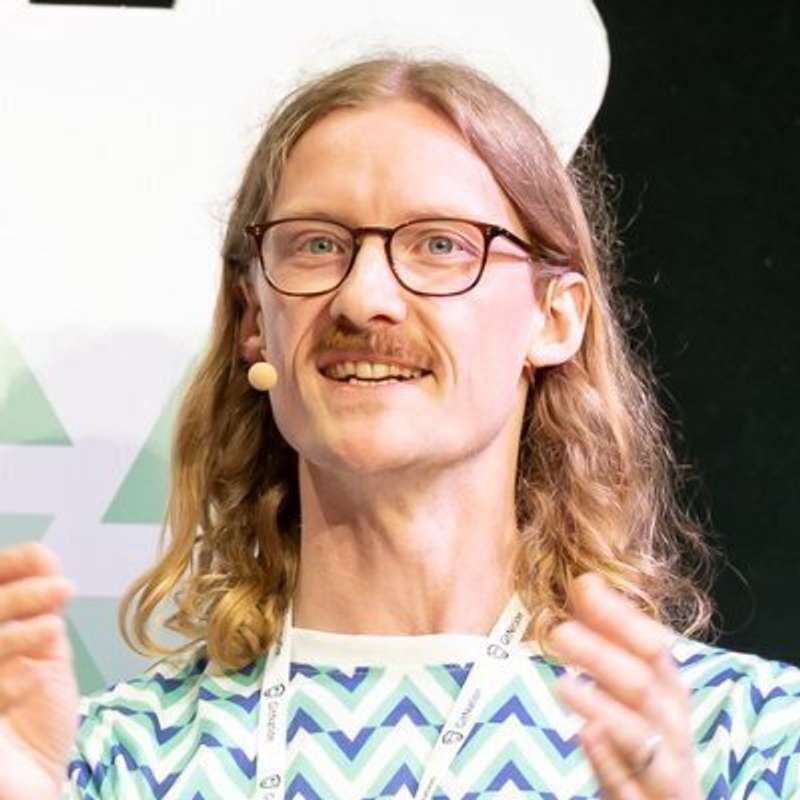 Michael Thiessen
It's your favorite Vue podcast. You just don't know it yet.
Alexander LichterExactly. And on the microphones, as, almost all the time here, I'm with my wonderful co host, Michael Thiesen. Michael, how are you today?
Michael ThiessenI'm doing pretty good. How about you?
Alexander LichterYeah. I'm, I'm fine too. Can't complain. And, well, we always say, okay, we're Michael and Alex and talk about our names, maybe sometimes roughly what we're doing, but we were wondering, okay. The audience out there, maybe especially people who don't follow us for a long time or maybe especially those people, they don't know what we're necessarily doing day to day and, well, not that much about us.
¶ Concept of this episode
So we thought why not introducing ourselves in one episode each and going a bit deeper of, like, hey. How does our daily life look like? Why did we choose Vue? Why was it still around? And why did we create a podcast in the end? And all these things. So, yeah, why not getting into that, Michael? Right?
Michael ThiessenYeah. Yeah. Exactly. We're gonna take couple episodes to indulge in talking about ourselves, and, hopefully, it's interesting.
Alexander LichterOh, more than sure. I I
Michael ThiessenI'm interested to hear more about about you because I feel like we've been, you know, chatting every week, and I know, like, some snippets of of what you've done, but, like, not really a whole lot. And, I recall at VueConf Toronto, you were talking with someone about how you got into this, and I was overhearing part of the conversation. I was thinking, you know, this is interesting. I don't I don't know that much about you, and it feels weird that I don't. So I think this is a a good chance to fix that.
Alexander Lichter100%. I mean, it's also like that vice versa. Right? Like, we have some tiny tidbits here and there throughout the episodes, but now we're just, like, put all the puzzle pieces together and get, all of that in that. And, of course, as usual, if you have any questions, then drop them in the comments on social media.
And, of course, we answer them all except our Social Security number PIN and so on so on. No mother's maiden names given here. Of course. So yeah. And, of course, today, we we start with, the one only Michael Thiessen.
¶ What are you doing for a living?
So maybe for just for the for the general, audience out there, just can you describe what are you doing right now for a living?
Michael ThiessenYeah. So right now, for the past almost three years now, I've been self employed. I've been doing content creation and stuff in the Vue and Nuxt ecosystem during that time. I guess the correct term might be influencer, although I hate that term. But I do all those sorts of things.
I'm on social media everywhere and creating podcasts and courses and talks and books and all that good stuff. So, yeah, I spend all my time thinking about how to teach Vue and Nuxt and how learning all the latest features and figuring all that stuff out and then, giving that all out too. So that's what I've been doing the last few years.
¶ Why did you start writing content about Vue.js?
Alexander LichterInteresting. I mean yeah. Lots of people probably knew you from all the amazing said blog post out there in general, the content. And you focused a lot on written content, of course, besides podcast and some streams and, of course, some recorded talks from conferences or online conferences. So why did you decide to use the writing medium like a blog post, first of all, and didn't go, like, I don't know, full into into video at first place or some kind of kind of forms of content?
Michael ThiessenYeah. It's a really interesting question. And I started in at the end of twenty eighteen writing on a blog in, about Vue. And the reason I chose to write is because I was just more comfortable writing and being in front of the camera
Alexander LichterMhmm.
Michael ThiessenWas very difficult for me. And even just talking, maybe it sounds weird, although I'm I'm sure there are some of you that can relate in that conversation as a skill is something that's took me a while to figure out, and I'm still getting better at it. But also, like, not a conversation with friends and family. That's like a more natural setting where it's easy to, you know, chatting with people at a conference one on one. But, like, as soon as you get in front of the camera and you're like, okay.
I gotta go from point to point to point, and I've gotta make it sound interesting, and I can't just be, like, monotone and boring. And, you know, some of my first videos that I recorded were bad.
Alexander LichterI mean, that's how you learn. Right? It's like in practice. No nobody, like Exactly. Nobody was born of, like, hey. I stand in front of a camera. I can just do everything straight away. That's all, like, sure. Here here there is a bit of talent, but practice is outnumbering it anyway. I also think one one important part as someone who is creating videos regularly, right, is that a blog post, I I also did it around 2018, finally, as well, about, a bit of Vue and Nuxt still.
I found them way quicker, of course, to create. I was like, okay. I'm, I don't know, sitting on a train, riding a train. I ride a little bit, and I continue that maybe at home. Or like, oh, I have a thought. I'll, bring that on. And then you can work on it from time to time. You can have, like, lots of drafts. You can just start, doing that again. And all you need is, well, something to write, basically. It can even be, like, on physical paper.
¶ From a blank page to a blog post
So so I wonder, how is how is your process usually look like? Do we have, like, tons of drafts out there? Like, hey. I have a hundred blog posts that I wanna release at some point, but they're they're still not there yet, or do you usually have, like, one at a time? How's this usually going?
Michael ThiessenYeah. I feel like I've I've been very bad at my whole writing and, like, contact creation process, which is something I'm trying to get better at, like, putting more stuff out more consistently, which is something that I've I've liked with this podcast that we have, like, a week weekly time where we get together and we hit record, and so then it's, like, we're always putting stuff out. But, generally, I have, like, a bunch of ideas. I kind of keep track of ideas, but oftentimes, I just sit down and I think of something. And I think lots of people struggle with, like, this whole blank page thing where you're like, where do you even start?
And I found that to get past that, it's really helpful to start with an outline. And so the outline can be literally, like, three bullet points, or it could be even more fleshed out of, like, okay. I wanna say these five things. And then for each of those, you could have sub bullet points and maybe, like, you can flush it out as much as you want or as little as you want. But really it's like, once you have all these points, then it's pretty easy to go back and say, okay.
You've got this bullet point that says coming up with some random example, like, computed refs and a basic example of them. So that's your, like, first bullet point. It's pretty easy to write a couple sentences or a couple paragraphs and have a little code snippet for just that one point, and then you just move on to the next point. Mhmm. And if you take it, like, piece by piece by piece like that, it's actually not too difficult to get through, but you really have to break it down into these, like, really small chunks.
If you just, like, look at, okay. Now it's time to write an article. That's, like, basically an impossible task.
Alexander LichterI also think it's really helpful to just imagine, okay, what's what do I actually wanna write about. Right? Like, just even if you scratch half of the bullet points afterwards or 99% just have one left, like, write down what you what comes to your mind, and then, in a way, see what sticks, see what how you connect things in a way. Mhmm. So you you had that blog as you said in 2018, and now you are, for a couple years, as you said already, basically full time freelance content creator, educator, influencer.
I know, like, lots of people out there have, like, have difficult times with either of the names. I think, like, educator is the thing that fits the most. But Mhmm. I also reference to me, like, content creator. It it doesn't matter much in the end. We we all know that.
¶ How Michael became a full-time educator
But how did you make the step from saying, k. I write some blog posts on my blog to being a full time content creator? Because, obviously, before you had a day job, now this is your day job. So you made your your, let's say, hobby, as a day job, which also comes with other struggles and problems probably. But, yeah, how did you bridge that gap?
Michael ThiessenYeah. It's a really difficult process. And I think for most people, the stories that I've heard at least, it it can be challenging to make that jump unless you are someone who has, like you know, you start working on a YouTube channel and it, like, blows up, then it's like, okay. You're raking in the money over here. It's easier to switch.
But most people, that's not the case. And so I started out writing a blog, and the first step really was, can I even get people to view this thing that I've made to read the blog post? And so I remember distinctly going to the, VueConf Toronto in 2018, which I think was the first one that they had.
Alexander LichterWas where where Adam Wathan was there. Right? He was also there?
Michael ThiessenYeah. It's 2019. I'm not sure if he's at 2018. Bunch of people were at that one. And I remember looking at the Google Analytics app on my phone and being like, woah. I had 30 people come to my website today, like
Alexander LichterNice.
Michael ThiessenJust out of nothing, out of nowhere, 30 people came, and it was just like, that's insane. And so every month, I just I was focused on publishing an article every week, and that's all that I was doing. Just an hour before work, I would work on writing. Not every day I was able to do that.
Maybe some days it was twenty minutes, but I would just put out blog posts and sharing the things that I had learned and trying to answer questions. What I did and this is a strategy that maybe doesn't work as well anymore, but I went to Stack Overflow, and I looked at all the questions that were tagged with Vue, and I sorted or I looked through you can't really sort by views exactly on Stack Overflow, but I found a list of questions that had, like, the highest number of views. And I basically went through, and there's usually, like, the article that still to this day gets the most page views from Google is how to force a component to update.
Alexander LichterOkay. Yeah.
Michael ThiessenAnd so that's that's the one that a fifth of all my Google traffic, which is kinda wild. And I wrote it, like, seven years ago. Anyway, you have a question like that, and there's, like, five different answers. One of them is the most correct answer, but then there are four things that are, like, sort of correct or useful in some other ways. Maybe some people have comments on there that are like, oh, yeah.
That's also a good thing to know. And so I basically took all of those things, then combine that with my own experience and understanding of of the problem, and basically turned it into, like, a single answer that incorporated everything.
Alexander LichterSo, like, a more holistic view on a problem. So, like, hey. Here's the general way to do it, but there's some edge cases. And keep in mind that, oh, in this case, maybe you should try that first and yeah.
Michael ThiessenYeah. Exactly. And, like, explaining why it works. And so it's just, like, basically a better version of the Stack Overflow thing. So that's Mhmm. I mean, some of the articles I wrote were other things that I just came up with, but that's the main thing. So, eventually, I got lots of traffic by doing this, and then I decided, well, okay. I've kinda figured this thing out. Now I need to start building an email list. So then I started to do that.
And because I had limited time, wasn't able to focus on the blog rating thing as much. So that kind of started to slowly dwindle, but my email list started to grow. And then at some point, I decided, okay. I've got, like, enough people on my email list that maybe I should try seeing if I can, like, sell a course or something like that. Because I had sort of started this with the idea in the back of my head that, you know, if it works, then I could maybe do this.
But Mhmm. Not knowing will it work, there's many points along the way at which it could have failed. And eventually, I did get to that point where about a year a year and a bit after I started writing on the blog, I launched the very first course ebook that I created. And, yeah, then from there, I just continued doing all of that, trying to, like, write blog posts and also grow my email list and also work on products in my spare time, which was, like, very difficult to do all of those things consistently. And so I would, like, say, oh, no.
I've I haven't written very much in a long long time, so I would, like, go back to writing and then, oh, but I need to try and make some money with some courses, so I'd go back to that and, you know, put the top of the ground.
Alexander LichterDifficult Balance, yeah. Yeah. And you did all that while still having a day job as a developer. Yeah. Then okay. Is that, like, roughly one one one and a half years after starting to write, then you thought, okay. We'll do the course.
¶ What was the fist course you created and why that one?
What was the course or, like, the ebook about that's the first first ever one you did?
Michael ThiessenThe the course I created was called Clean Components. I asked my my email list. I gave I did a little survey to ask them, like, what kind of topic would you be interested in, and I came up with a few options that I was interested in myself. And this one was the most popular one, so I went with that. And it was sort of, like, inspired by the Clean Code book, which recently has gotten a bit more, a lot of hot takes on this one, lots of opinions on whether it's good or not.
But the idea was, like, kind of the same of okay. So, like, once you know how to write Vue, how do you do it really well? And so I wanted to share some of the patterns and things that I had learned. And the hardest part in the beginning is this, like, weird psychological, like, mind games that your brain plays with you. And I remember I would be working on this an hour a day or so, and I would say, okay, today I'm gonna work on creating this course.
And almost every single time, the first, like, thirty minutes, I had to spend just convincing myself that it was worth spending the time to work on this thing.
Alexander LichterI see.
Michael ThiessenOkay. Because my brain was, like, the whole time I'd be working on it, and and I was thinking, you know what? No one actually cares. Why would anyone ever want this? What am I like, who am I to say anything about this?
Alexander LichterSo classic imposter syndrome, basically. Yeah.
Michael ThiessenYes. But, like, so intense that that it was like, I had to give myself, like, a full therapy session before I could get, like, even twenty minutes of work done on this thing, which is it's kind of crazy. And, you know, thankfully, I've you know, through doing this over and over again and seeing that people actually do enjoy what I put out, they do get value from it. That has gone away, and I don't feel that in the same in the same way anymore.
Alexander LichterYeah. Because you I mean, it also got the validation. People bought your courses more and more people. I mean, you have, like, I don't know, more than 10 k newsletter subscribers at the moment. I think even, like, at the moment. I think even, like, 11 or 12 or so. Don't know the exact number.
Michael ThiessenYeah. Almost 14,000.
Alexander LichterAlmost 14. Yeah. See. That was a little bit outdated there. And and, I mean, people appreciate what what you do. Right? Be it, the the podcast, be it, all the pieces of information you share, be it paid courses or or free blog posts. So I think in a way that's, let's say, quote, unquote, easiest way to, like, let's say, defeat imposter syndrome that people are like, okay. Look. You get all these nice things, like, people coming up at conferences telling you, hey.
Amazing. Thanks to you. I could I don't know. I learned the job or understand things or, hey. We migrated a big thing. Thanks to your course, whatsoever. So, like, all these moments of impact that, of course, you wouldn't really know. No. I mean, you have a feeling they're there. They're probably there.
People bought your course and said, hey. It was good. But having these real life stories of people coming to it and, like, hey. This really made an impact to me and, like, actually seeing, okay. That's That's another real person, not just a stranger on the Internet, let's say. That must be super rewarding.
Michael ThiessenYeah. It is.
¶ Give Feedback!
And definitely go give feedback to people, like, positive feedback because we don't get enough of it, and it it is really difficult from just like a psychological perspective to constantly put stuff out there, and then inevitably you make mistakes, and Sure. Someone on Twitter points it out. And they're not trying to beat you down.
They're just saying, oh, you this part is kind of is, like, slightly wrong. You're mostly right, but it's slightly wrong. But then if you're in that space where you don't have that confidence yet, the I've experienced this a lot. And occasionally, if I'm having a rough day, it's it's easier to fall into this trap where you read that and you read it with this like negative sentiment around it. Yeah.
When they're just trying to like say, oh, you here, I'm trying to be helpful and you're just you're interpreting it as you suck and this this thing is horrible. And I've had emails where someone was like mostly positive feedback. And then like the last sentence was, but there was this thing that was kind of wrong. And the first time reading it, I literally only read that last sentence. And then I when I went back, like, the next day to reread this email because I couldn't deal with it at that point because I was just like, I can't I can't handle this.
And I, like, leave. I come back and I reread it, and I'm like, oh, wait. There's all this stuff beforehand that somehow my brain like, it's not like I read it and then ignored it. It's like, I didn't even realize that they had written this thing. My my brain just like
Alexander LichterFocused on a negative thing.
Michael ThiessenSkipped it somehow and just went to that last it's like the wildest thing. So
Alexander LichterWhich is also, like, in a way, it's confirmation bias of, like, if you have the imposter syndrome, people saying a lot of good things, it's something negative. Like, hey. Then something negative confirms my opinion that
Michael ThiessenYeah. Exactly.
Alexander LichterYeah. Yeah. But I I think, yeah, it's it's super important to give feedback on all kinds of as long as it's constructive or positive. Ideally, like, if you have constructive criticism, I think it's super important to to grow from that. So please keep that coming, especially, I think, in a state where two of us are right now.
Like, I'm super thankful for everybody saying, hey. It's amazing. And, really, as Michael has just said, keep it coming. But, of course, if you, like, want to improve, then you also need people saying, hey. But I don't know. This isn't explained very well because this and this ideally, because this and this missing out or, like, hey. I don't understand that because so, like, have some kind of pointers, not just like, oh, yeah. Actually, I had a comment earlier. It's like useless. Like, okay.
What is useless? I literally wrote it as I was like, what is useless? Because if someone's like, hey. This video didn't help because you didn't point out the the solution to it and the problem, or this blog post is great. But the main point was I came here for something totally different. So, like, my expectations weren't met. This is all super helpful. Right? Because and you could just say, hey. I create another blog post, like, focusing on exactly that problem.
Or I also just added a little bit and saying, hey. Let's, let's update. Same with with mistakes. I remember, like, once I I wrote you DM of, like, I was a code example, something like, hey. Like, maybe that's better idiomatically And, of course, it's also not because I want, like, hey. You suck, obviously. It's Smart, like, okay. I saw that. And I think that the tip was super helpful, but then, like, another example would have highlighted it better, and that's it.
I think that, like, feedback is super crucial, but I also understand it's a lot of, like, it's a lot of day form, and sometimes it's easier to take, and sometimes it's just like, okay. You know what? Whatever. I'll I'll get back to this tomorrow.
Michael ThiessenAnd I did hear some, there's some, like, psychological research that if you're a beginner at something, feedback is actually not helpful. It's only once you're, like, more experienced that feedback is actually helpful because you can actually incorporate it. And in the beginning, feedback can only hurt you, and I think that's probably true that, like, at the beginning, just like don't need to have comments on your website. You don't need to No. Do any of that.
You can just get good at, like, putting the stuff out. And once you've gotten a bunch of stuff out, then you can look for feedback and turn your comments on and deal with that.
¶ The key part of creating content
Alexander LichterI I think the key part of the beginning is what you already mentioned earlier on is consistency. And it doesn't mean you have to do it every week of the year. But if you miss out a week, nothing will happen. Yeah. Like, if you don't, like, push out some kind of content once in a week, nobody will think, oh my god, whatever, or, like, we'll forget you.
Then the week after, maybe they're, like let's say, the big fans will be like, oh, wait. The Deja View podcast this week didn't really arrive, and it's Thursday evening. And then maybe it comes on Friday because, I don't know, someone was sick or it just took longer to edit whatnot or any kind like that. Then people are more like, okay. I want to specifically see that piece of content from my favorite creator, and I'm waiting for that, which is in a way positive.
And not people like, oh, yeah. Well, I'll forget it. But if you say, hey. I'll do a blog post. And then a year later, you do another blog post. People will not remember your name or, like, reference you as some kind of authoritative figure in a certain space just because you you don't really show it. Right? Given that's the only way of content, of course. If you say you I don't know. If you do a video once a year, it's probably fine because your main focus is written content.
Michael ThiessenYeah. A few years ago, I specifically took a few months. I forget how long it was. Maybe one or two months or three months where I just didn't send anything on my newsletter because I kinda wanted to prove to myself that I didn't need to send stuff every week, and I did that and nothing happened. And it's like, no one said, oh, where where is your emails?
And, like, engagement didn't drop. I didn't lose all of these subscriber. Like, nothing nothing happened. Like, I'm sure a couple people would have probably been like, oh, I haven't heard from that guy in a while.
Alexander LichterYeah. Like, oh, I missed him.
Michael ThiessenMoved on with their lives. Yeah. Yeah. Yeah. Exactly. People have so much else going on in their lives. Like, it's it. That's true. So
Alexander LichterNo. And it's it's very funny. I also heard it in another podcast funny where someone, was basically saying, like, oh, yeah. Always doing over hours. And he he basically did the same what you did with, like, a policy. He said, like, okay. You know what? For a month, I'll just leave the office always at six no matter what. 6PM, and I'm gone or five or whatever. And nothing happened.
As in, like, it didn't get worse or anything. It was same as before. And, of course, you never knew, oh, what does that have, like, skyrocketed your, I don't know, your your output? Probably not, though. So this is also something, as you'd mentioned, like, sometimes it's just, okay. I'm I'm trying that. Like, why not trying that? In worst case, I can still go back to before if things don't work out. So for everyone out there doing over hours, try to leave the office earlier.
In in terms of over hours, though, like, as we are both, like, let's say, self employed, I mean, we are, how much do you work on average a day?
¶ How many hours do you work?
And do you work, like, on the weekends? Do you have, like, a certain process there? Or is it, like, yeah, wake up whenever I write that that doesn't work anymore? But how does it Yeah.
Michael ThiessenThat's a that's also I think I I approach work and my working hours maybe differently than some people do. A number of years ago, I read the book Deep Work by Cal Newport. And maybe it wasn't that book specifically, but there's some ideas around there of, like, okay. Like, their studies, how good they are, I don't know, but of people in office. And if you look at how much time they actually spend being productive, it's, like, two to three hours a day out of, like, their eight hour time at the office.
And then you you look at, like, something I've been very interested in since I was in university is, like, productivity and how do you get more done and all that kind of stuff. Eventually ended up on this idea of, like, okay. It's better to be focused for a longer period of time, and most people end up having, like, very fractured time. And so I started this new job, and I forget what what triggered this, but I decided to, like, keep a log just for, like, a couple weeks, every fifteen minutes or so of, like, what I was doing with my time. And I realized that in the course of a whole eight hour day, I spent, like, two hours, maybe three hours doing actual productive work.
But that time was, like, fifteen minutes here, five minutes there, twenty minutes here, forty minutes there because it was like this open office. We had, like, the culture at this company was very people hanging out, lots of socializing Mhmm. And very, like, good team spirit, I guess, is is a good way of putting it. And so, like, you have people you go get your coffee or your tea and you chat with some coworkers for a few minutes, and then, you know, someone would find some meme online and people would crowd around their desk and, like, check it out or, you know, stuff like that. And then you go for lunch and then you come back and then you you know, all this stuff, you just get to work, then you've got meetings, and then you you sit down to write some code, and then you get distracted with some article that you see online, and then you get back to your code, and then you someone texts you, and then you you know, and, like, all of this stuff, it's exhausting to even, like, describe a hypothetical timeline of this.
Yes. But then I sort of realized, like, oh, I'm not actually working that much. At least, like, deep
Alexander Lichterwork wise. Yeah. Like, meetings are still work, but, of course, you don't get, like, actual features features shipped there.
Michael ThiessenYeah. Exactly. And, yeah, of course, like, meetings and communicating with your teammates and, like, having good relationships with them, that's all important stuff. And so, basically, I started to think more about my work in terms of, like, the actual focused time I spend doing stuff. And I got to a point where I could do, like, maybe three or four in a day on top of, like, meetings and, you know, all the other stuff with yeah.
That you have to do at a job. And maybe that doesn't sound like a lot. What I found, it's more about the quality and the focus within the time period than it is the the amount of time that you spend. And so for a long time, that's what I really focused on was like, okay. If I can spend three hours a day where I'm, like, laser focused, I'm not going down rabbit holes of, like, oh, well, I think that kind of that code in this file looks kinda weird.
Maybe I should, like, spend some time tweaking that or refactoring that, but, like, okay. And I'll actually, this is what I need to be doing. Do that. Do that. Do that.
And just, like yeah. Just focusing on the quality of the of the time rather than the quantity, and that seems to have served me well so far. And so then what's interesting about working for myself now is that I don't have teammates to talk with. I don't really have meetings. And so all of that, like, overhead is cut out, but the amount of time that my brain can handle doing, like, really intense focused work like that is still, like, roughly the same.
And now I have a a baby, and so who knows how much sleep I'm gonna get in any night. And so then that that makes a big difference. And, so that's what I would say. That's my long winded answer to how many hours I work in a day.
¶ What does an average day look like?
Alexander LichterInteresting. But then, like, your let's say what does, like, an average day look like? If you said, like, you have these, like, three, four core focus hyper laser focus hours of, like, okay. I'll I'll do proper qualitative work there. No phone, no social media, no, I don't know, emails and whatnot.
But, like, yeah, how does it start? Like, do you get up at, I don't know, eight, six, depending, I guess, also on your baby? And then then you're like, how do you fit in everything else, like, spending time with family, food Yeah. Unnecessary things like sleep as you just said.
Michael ThiessenYeah. Yeah. So these days, the schedule's roughly, like, wake up around seven ish. And then right now, we have it set up that I'm doing breakfast with my daughter. So I'll get that ready for her and breakfast for myself. And then try to fit in time to also take my dog for a walk in the morning because she needs that.
Alexander LichterOne more thing. Yeah.
Michael ThiessenAnd and also I need, like, to get outside and a little bit of sunlight in the morning and stuff like that. So then maybe I get to work around 08:30 or nine depending on how smoothly things go. And then from 08:30 to noon is basically my time to get work done. And then on Tuesdays, me and you will record our podcast from, like, 10:10 to noon. I definitely consider that part of, like, the focus time because, you know, I'm not checking things or getting distracted.
I'm just, like, focused on our conversation and what we're doing. So that's definitely definitely, like, a focused work thing, and it's also, like, high quality time, I would say, versus, like, scrolling on Twitter, which is, all too easy to get sucked into. Then from, like, noon till, like, one or two is lunch, my wife and daughter, and then I, will take my daughter for a an afternoon nap. And we've got, like, this this carrier. She fit in, like, in the front.
I have a standing desk here, and so I I can have her for a nap while I can get a little bit of work done. And so another thing that I've figured out over time is, like, figuring out my energy levels throughout the day. So, like, depending on if you're, like, a morning person or an evening person. I'm definitely a morning person, so that's why I try and, like, front load my day as much as I can. But for me, like, that early to mid afternoon time is harder to focus.
And also when I'm, you know, I've got a baby strapped to my chest, it's harder to to focus on things.
Alexander LichterThat's true.
Michael ThiessenSo I usually I usually do, like, email and, you know, if I gotta do some customer support or do some taxes or, like, other, like, random little tasks that don't require, like, a lot of concentration but still needs to get done, Those are the things that I'll do in the afternoon then.
Alexander LichterInteresting. Yeah. But it sounds I mean, kind of like a normal, quote, unquote, work day of, like, okay. You have you have your focus hours. You have things to do. Obviously, you fill your afternoon with, like, more, let's say, casual, quote, unquote tasks, which are also still important. I mean,
Michael Thiessenyou have
Alexander Lichterto run a business after all. Now Yeah. One one thing that just came to my mind about the the previous part where we talked about your transition. I mean, it kinda goes into that now when you're like, okay. How is your day looking as a full time content creator?
¶ The point to switch to being an full-time educator
Did you, if you wanna share this, of course, with our dear DejaVue listeners, did you have, like, a breaking point where you said, okay. Look. If my side business that was back then, if that's, like, reaches a certain amount of money per month, like, classic, like, MMR or AR artist, like, okay. This is the time where I wanna switch, or was it more like a a feeling? Like, how did you approach that that switch there?
Michael ThiessenYeah. So it's, it's difficult. I'll just say that again because it's I spent probably, I don't know, like, two or three years leading up to that. Just always constantly thinking about, okay. How could I make this jump?
Like, what would I need to get there? What would my business have to look like in order to make that happen? And, like, trying to think, okay. If I spend an hour a day on this now, if I went full time, that would be more time. Do I factor that in, or do I just, like, not factor that in?
I don't think it was as much a certain amount of money per month because the business doesn't make it's not like a consistent cash flow Yeah. Because of, like, course launches and things like that. So it was more about I'm just trying to trying to remember what we what we did. It was like, I had earned a bunch of money slowly over previous number of years with the business, and I kept it in the business bank account because I wanted to build up, like, a cash buffer so that when I did go full time, I would have, like, this buffer that, you know, if things went poorly or if it took a while to ramp things up, we would still be okay.
Alexander LichterMhmm. Yeah. For a reason.
Michael ThiessenSo building that up and also building up my email list and seeing, like, okay. My course launches and things like that are doing better. And I think that if I continue to do this, then there's a good chance that I'll be able to make it work. And then there's, you know, backup plans like, oh, I could do freelancing or writing articles for other blogs or, you know, stuff like
Alexander Lichterthat. Nice. So, yeah, basically, okay, having some savings and then at a feeling where, like, okay, there's enough people on the list is just like let's say projection rule of thumb wise that could work out, basically.
Michael ThiessenIt was really like a feelings based kind of thing. I think I was really trying to figure out, like, is there a way that I can know that this is gonna work? And maybe maybe that's part of my personality as well of, like, you know, I
I like to have some certainty in things, but with business, especially, I've learned that there is never any certainty. You can have confidence in things, but it's always, like, some amount of uncertainty of, like you know, even this podcast, you know, we just put in a bunch of work. Who knows if people would like it?
And now it's like, okay. People seem to like it, but, like, where is it going in the future? Is it you know, we're you may not know this, but we don't make any money from this, but it costs us money to
Alexander LichterWe lose money.
Michael ThiessenProduce and and do this. And so it's like, okay. Is this worth all the time and money that we're putting into it beyond just, like, talking to cool people? And so we have to kind of just go with our gut at some point and hope that it works and and and go from there. And that's part of why we needed the the cash because it's like, if you have if you have some money in the bank account, then it's okay.
And I was pretty confident that if I needed to, I could find a job as a software developer somewhere else if, you know, things went bad.
Alexander LichterYeah. Like, in a couple months or so. It's like one, two months, like, okay. Then at least the Yeah. The cash flow is is going again. Yeah. No. It makes sense. Yeah. But, yeah, as you mentioned, like, you have always uncertainty.
Of course, there's also likelihood to say, like, okay. I don't know if this course sale will go that well, and I can, like, create something that is similar and so on and so on. But, yeah, you never have full certainty. Of course, then it's also about and that that kind of brings me to the podcast as well of, like, figuring out, okay, how to monetize things. You found your way, for example, for courses to say, hey.
I put so much content out for free and, for, like, let's say premium material with, like, screencast, with exercises, with q and a sessions, then sure, you can, you can have all that. Basically, a lot of knowledge on top of what you have out there right now, but also in a, like, in a structured and compact form. So that's also, I think, a big value there. And there are a lot of ways to do that. Right?
Like, other people try this through advertisements, through, like, sponsorships, and so on so on. I mean, same same for a podcast in the end, but it's also something where we see, I hope, a few changes this year in Deja View. Oh, that's probably for another episode.
¶ How did you get into programming?
I think it's a good point to maybe take a look at what you did before you started your blog in 2018, mainly because nobody starts as a freelancer necessarily. I mean, sure, you can have, like, a side business on on the side as the name says, but, obviously, like, okay.
You know what? I finished whatever high school, and I start out there as a freelance developer because, well, you have to learn development. Like, you have to learn programming. You you have to get into all of that. So how was that for you? How was your way of, like, learning the skills, getting into web dev, getting to Vue.js, and, yeah, sticking with it?
Michael ThiessenYeah. It it took me a while to find my way into software development. So I think there's, like, a lot of stories of people who are, like, coding at age of three and, you know, maybe not that young, but, like, it was like, okay. Okay. It's pretty obvious that this is what you're gonna do with your life.
But for me, it was, like, I had, one of my older cousins who was, like, graduated high school in during the dot com boom, and so he, like, launched his programming career. And he he showed me when I was, like, I don't know, eight years old or something that you could just, like, open up a text editor and save this file as a dot HTML file. You could open it in your web browser. And I was like, woah. This is that's pretty neat.
But then, like, through most of my younger years, I was actually just focused on music, and that was what really defined me and my life. And in high school, I was in a rock band with some of my friends, and we, like, recorded and produced our own music. And then I went on and and did some EDM production. And so, like, I was mostly, like, I'm doing music, and programming was not in the picture at all. And so then after high school, I forget exactly how it happened, but, like, I wasn't planning on going to university at all.
But, like, a week before, I somehow found myself at the university because my friend was going to, I don't know, check out where their classes were gonna be or something like that. And I ended up applying and getting in, like, a week beforehand.
Alexander LichterOh.
Michael ThiessenSo this is like this is like a local university, so it's not, like, you know, ultra competitive or anything.
Alexander LichterIt's not Harvard. Sure. But still, I mean, they probably had some open slots, but, I don't know how it works in in Canada. Like, in Germany, for example, you had to, like, have at least a certain, result in your final exams and all that. So it's, it's depending on what you wanna study, you know, not that's not that easy as well.
Michael ThiessenYeah. So I was lucky my grades were good enough. The whole process is kind of hazy because it just happened so fast, I think.
Alexander LichterIt's also been a little bit. It wasn't like last year, so yeah.
Michael ThiessenYeah. True. And so I started in business. When I was in grade 12, I got super excited about business and like, I'm gonna start a business. I'm gonna the next startup, that's gonna be me. And so then I started this and like two weeks in, I was like, okay, Business is not for me. I hate this. And I don't know how other universities do this, obviously, but so I had to take, like, economics, and I also had to take I think it was calculus, but it was calculus for business.
Alexander LichterMhmm.
Michael ThiessenSo it was like a different version of calculus. It was they had a couple other math courses that were, like, for business. And there was something about it that I just I didn't like. Some of the other courses I had to take were just I don't know. It just didn't work for me.
So very quickly, I figured this out, and I was like, okay. The other two options then are mathematics that I could go into or computer science because I had sort of been interested in programming. I did a little bit, like, throughout my year, so I kinda had, like I knew what an if statement was. I knew what a loop was, but hadn't really made anything interesting. So that was that those are my two options.
And so yeah, I ended up going into computer science, and that's basically how I got into the whole world of software through a very meandering process.
Alexander LichterI mean, it you got in touch with it very early and somehow like a boomerang and came back.
Michael ThiessenYeah. Yeah. Exactly.
Alexander LichterI'm still curious if if you have some links for your produced recorded music, be it rock or EDM also for listeners.
Michael ThiessenIf this is I could probably find some stuff.
Alexander LichterYeah. Put it on. We have we put it in the show notes. I I I will not forget about it about it. I'll ping you. So okay. Then you you started a computer science degree, and I guess you learned what's in university, Java?
Michael ThiessenYeah. So it's, like, part computer science, part software engineering because there weren't enough people to do, like, two separate degrees. So they were they're kinda, like, combined.
¶ Computer Science vs Software Engineering in university
Alexander LichterWhat what are the difference will, like, be in between computer science and software engineering in in your university?
Michael ThiessenSo for some context, where I live now is in Waterloo, and the University of Waterloo has two separate degrees. One is computer science, which is a subdiscipline in mathematics, and then there's software engineering, which is a sub, I think of engineering. Yeah. So software engineering is, like, focused on, okay, how do you actually build stuff with software? Let's talk about databases and, you know, web development and all this sort of stuff.
I don't know exactly what they end up teaching there, but computer science is I mean, for many of you who aren't familiar with computer science, it's basically math and has nothing to do with science. I don't know how it got called science, but
Alexander LichterI'm off of science too. So
Michael ThiessenYeah. It doesn't it doesn't feel like a science.
Alexander LichterDiscussion for another time,
Michael ThiessenI guess. It's it's mathematics. And what took me a few years to realize is that it's not actually so much about as it is about information. So I would describe computer science more as, like, the mathematics of information. So you can talk about cryptography, and you can say mathematically, how much information is in this string or this this sequence of bits and bytes.
Alexander LichterLike, the entropy of information yeah.
Michael ThiessenExactly. And so then you can say, oh, well, if we encrypt it, we can do things. We can play with this entropy to, like, make it secure or less secure. And then other things like analyzing algorithms and sorting and stuff like that, which if you learn some computer science, you realize that sorting algorithms work outside of computers. You can sort anything with these algorithms and, like, one thing
Alexander LichterThere's this video of a dance for a sorting algorithm. Not sure if you've seen it, like Oh. When I went to university with host, like, yeah. They shown that sorting algorithm as a as, like, a more, like, traditional dance. It was a lot of fun.
Michael ThiessenThe bubble sort dance.
Alexander LichterI think it wasn't bubble sort. That would be fun, though, but I'll link it. I'll I'll finally link it.
Michael ThiessenYeah. That's interesting. There are a lot of things that I think about, like one thing I remember learning about was, like, this trade off with algorithms where we trade off between time and space. And so one example I often tell people about is, like, oh, when you go to a parking lot, if the parking lot is, like, basically full, so they've, like, minimized the amount of space you need, then that one spot that's left, it's gonna take you a really long time to find it. So you're optimizing for space at the expense of time.
But if on the other hand, your parking lot was, like, 10 times bigger than it ever needed to be, well, then finding a spot is really easy, but you're using way more space than you need. And so there's, like, a lot of areas in life where you can find, like, these computer science y things that kind of work their way in there.
Alexander LichterThat's nice analogy. Yeah. I like that. And then you did your computer science slash software engineering degree then?
¶ Other learnings from university
Michael ThiessenYeah.
Alexander LichterSo you have both, or how the how did that work?
Michael ThiessenWell, it's officially a computer science degree, but they threw in, like, some software engineering stuff. So, like, I learned some programming different programming languages and, like, databases Mhmm. And other object oriented programming with Ruby, stuff like that.
Alexander LichterOh, you had Ruby in university? That's nice. That's great. Yeah. And, which other languages did you touch on? Do you had, like, Haskell or, like, Lisp or any
Michael ThiessenSo we did c
Alexander LichterMhmm.
Michael ThiessenSo we could learn about pointers and that kind of stuff. We did one class that was focused more on, like, the CPU and how that works. So then we did some assembly for that. And then we did Ruby for object oriented programming, and most of the other coursework was Java. So we could, like, learn how to build stuff with databases and things like that.
Alexander LichterYeah.
Michael ThiessenI did one course on programming languages, which covered lisp. And Yeah. I forget there was there were a few different other, like, weird kind of obscure things.
Alexander LichterLike, prolog where, like, it's like a reasoning based or, like
Michael ThiessenWe did yeah. I did prolog in an AI course. Really? Interesting. Yeah. It was very interesting. So yeah. I mean, we're gonna link to all these things in the show notes. Thank you. There's so many interesting programming languages out there that are, like, challenged the way that you think about how to how to solve problems and stuff. But, yeah, very interesting.
Alexander LichterLisp, for example, of, like, putting Haskell in there, like, the functional programming, like, true functional programming Yeah. It's it really blew my mind when I did the first time. Definitely. Yeah. So okay. You you learned different languages, and you always had, like, in a way, it was more about the mathematical, like, say, academic part as well besides the soft engineering bits and pieces. And then, I guess, you graduated at some point.
Michael ThiessenYeah. So in in the university I went to, we had this, they call it a co op program, which is, basically, you do in the second half, you do a couple internships at different companies. So you by the time you graduate, you've had, I don't know, it is, like, about a year of actual experience. What happened to me is that on my first one, I ended up moving from Winnipeg, which is or near Winnipeg, which is, like, the dead center of Canada, and I moved out to Waterloo, which is right near Toronto. And Waterloo is, like, the tech hub of Canada, mostly because Research in Motion or BlackBerry was here first, and then they, you know, laid off a bunch of people who went to start other startups, etcetera.
And so it's got, like, a big history of of start ups and start up culture and all that kind of stuff. So I ended up coming out here for that first internship, and then I met the woman who is now my wife. And so suddenly, I no longer wanted to be in Winnipeg anymore and found my way back to Waterloo to finish my degree, and the rest is, history. You know? I'm here now.
¶ How did you find a job after university?
Alexander LichterSo that's a good point. Like, what happened between what is that sad history you mentioned? Like, you you probably got a job somewhere. Did, like, one of the the co ops out there? Or they were just like, okay. Hey. I'm done. Have some experience. Give me work. How did that work?
Michael ThiessenYeah. So I went around trying to find a job. Once I graduated, I didn't attend my, like, final ceremony because I would have to fly back and forth. So I didn't actually get my degree until, like, a year later. So I was always just like, I think I graduated, but I'm not, like, a % sure.
Alexander LichterI don't have a paper saying it. So yeah. Yeah. Mhmm.
Michael ThiessenYeah. So something got messed up in the mail. So eventually, I I got it. But, yeah, I I remember going to a networking session for, like, startups and stuff like that. And as I was walking in, this one guy was like, oh, hey, Michael.
And I was like, I don't know who this guy is. And it turns out it was the guy who interviewed me for that very first internship somehow recognized me, like, like, a year later and was like, hey. I'll introduce you to some people. So then he introduced me to some people, and then I ended up getting a job at, the cybersecurity company called eSentire.
Alexander LichterFun. Yeah. So you didn't And cybersecurity then.
Michael ThiessenWell, my job was effectively taking spreadsheets and turning them into web apps with, like, authentication on them.
Alexander LichterI see. Okay. So you basically made the groundwork so the cybersecurity researchers could do that work even more efficient.
Michael ThiessenYeah. Basically. Nice.
¶ Why Web Development?
Alexander LichterOkay. And so you basically stayed with web development the whole time. Yep. Yep. How did that come? Like, why did you decide to go for web development? Was that, like, also related to what you were shown when you were eight years old with, like, hey. You can just, like, put the HTML thing out there and go for it, or, like, it just enjoy Rails so much.
Michael ThiessenYeah. I don't I don't actually know. I started, yeah, with that HTML file, and I remember in high school trying to check out this, like, new jQuery thing. I didn't get very far with it, but I I do remember look going to their website and and looking around. I don't know why JavaScript. I don't know. I just that's that's where I ended up.
Alexander LichterA fair point. Okay. And then you I guess you continued using well, of course, technologies and then still Ruby on Rails, like Ruby or
Michael ThiessenYeah. So my first job was in it was twenty fifteen, ten years ago, and React had just come out. And so we were we were starting to use React for that. And I remember the very first apps that we made were, like, three React components, and they were just giant, messy things because we hadn't yet figured out. I think even, like, the community hadn't yet figured out how to do it in a good way.
It wasn't really, like, common knowledge yet. So, yeah, I do remember that. And, slowly figuring out how to make it better, how to use Redux, and, you know, all that kind of stuff.
¶ From React to Vue
Alexander LichterSo you you got in touch with React then, but, obviously, you're not using React anymore. So what what made the switch from React to you? When did you get in touch with Vue? And
Michael ThiessenYeah. So I wanted to work in a company where instead of building, like, internal tools where, you know, let's face it, for an internal tool, the UI doesn't really matter. As long as it's usable, that's what what counts. And I wanted to do something a bit more than that. So I ended up getting a job at a startup that was a product company where the UI really matters.
So I started that job in, I think, 2017. Yeah. And they decided that they were like, right before I joined, they had decided, oh, we're gonna rewrite everything, like, from our jQuery thing into view. And so I arrived right as they were making that transition, and so I started to use Vue. Somehow became the person most knowledgeable about Vue in the company.
And so then people started asking me questions, and then I started blogging about it. Eventually, people started to independently discover my blog posts that and they're like, wait. Is this you? What? And then so that was that was kinda fun. So
Alexander Lichterlike, cabling the same problems and then, like, hey. This guy's the solution. Oh, wait.
Michael ThiessenYeah. And then they look at the top and be like, wait. And that's you. So Yeah. That's that was fun.
¶ How did you start with public speaking?
Alexander LichterSweet. And, yeah, then as you said, for real, the rest is is history, so to say. Yeah. Amazing. And I wonder maybe, like, in in a very, like, short, summary, how did you come up with public speaking, like, to do that?
Michael ThiessenSo I started in 2018. I gave a lightning talk at VueConf Toronto.
Alexander LichterAt the very first.
Michael ThiessenYeah. It was this weird thing on writing components, but only using slots and scope slots and, like, not using the script tag
Alexander LichterOh, I see.
Michael ThiessenAs much as possible. So it was like this weird, like, experimental kind of I don't know where I got the idea for this, but I just started to try it. Yeah. Anyways, I I gave that talk, and people loved it. I enjoyed doing it. And then the next year, I was able to give, like, a full length talk at the at the conference, and then I've been giving a talk there almost every year since when they've had the in person ones.
Alexander LichterSweet. Yeah. I mean, it's also, like, great to have a a conference that's right in your in your backyard as, as you said previously.
Michael ThiessenFor sure.
Alexander LichterSo that's really helpful. Nice.
¶ Quickfire Questions
I think we're almost about to wrap up here. I would do a little quick fire with you if you want to. Just, like, some
Michael ThiessenSure.
Alexander LichterSome very quick questions.
¶ If not a developer, what would you be?
So if you weren't a developer at all, what's what kind of career would you possibly pursue?
Michael ThiessenOh, man. If I switch now, I think I might start a bakery and do, like, sourdough. Like yeah. That's what I would do.
Alexander LichterThat's cool. One day, I wanna try a sourdough bread or some kind of pastry, of of you. I I wanna I would love that.
¶ Your favorite non-tech hobby?
What do you say is your, like, favorite nontechnical hobby? Like, still music?
Michael ThiessenI don't do as much music now. I sort of like, I have an acoustic guitar in the living room. I kind of pick it up every once in a while and just kind of mess around with that. But I would say I don't know. I like to read mostly, like, nonfiction, all sorts of different things like that. And lately, I've I haven't had that much time for hobbies between work and, and family stuff, but, yeah, baking and reading.
Alexander LichterThat's good. That's nice. Yeah. I I haven't I haven't read a proper book in a while, like, also that time and so many things around.
¶ If you could choose any dev, who would you want to collaborate with and on what?
If you could choose one developer out there to, like, collaborate in any way, who would it be, and what would you collaborate on?
Michael ThiessenOh, wow.
Alexander LichterYeah. It's a tough one.
Michael ThiessenThis isn't a quick fire one.
Alexander LichterIt's not. It is not. Maybe it's a slower quick fire. Yep.
Michael ThiessenI'm gonna say maybe because it's trending, maybe maybe not. But I've been very interested in AI for the last, you know, two and a bit years since, Chat GPT. So maybe what I would wanna work on is something AI related. I think it would be fun. I know Daniel Roe has also been doing some AI stuff. Mhmm. So maybe some sort of, like, something at the intersection of Nuxt and AI. I think that might be interesting.
Alexander LichterCool. Yeah. That's a nice pick. Fun. Who knows? Maybe there's there's something happening. I know, like, the one project, I think it was called Unsight where he's, like, classifying, all the issues. That's at least open source. And I think he uses doesn't use AI. He uses, I think, some kind of a clustering algorithm, but, yeah, maybe something like that. Could be fun.
¶ Where can people follow you?
Michael ThiessenMhmm.
Alexander LichterAnd then the last last thing, Michael, where can people follow you?
Michael ThiessenOh, you can follow me on x on Blue Sky. I have my website, michael n thiessen dot com, and you can Google Michael Vue, and I think you'll probably find me. There's also Michael Hoffman. So
Alexander LichterShout out. Yeah.
Michael ThiessenShout out shout out to you, Michael. And, yeah, that's that's it, I think. You can sign up for my newsletter. I send out weekly things, weekly tips and, like, articles and other stuff. And one thing we didn't mention in this is that I'm also the instructor for Mastering Nuxt
Alexander LichterThat's true.
Michael ThiessenIs getting a big refresh and overhaul. Like, as we speak, it's gonna be I'm working on it right now. So don't know yet the timeline for that, but, yeah, sometime soon.
Alexander LichterMastering Muxt for you. Looking forward to that.
¶ Wrapping Up
Michael, thank you so much for coming on the show. It's not like you are here every time anyway, but this time as a Yeah. What is more guests role, so
Michael ThiessenYeah, it's nice to just answer questions and not have to, like, think about the next question to ask and That's that's true.
Alexander LichterAnd I mean, I hope we'll have you back on, obviously.
Michael ThiessenI hope to come back sometime soon. Yeah.
Alexander LichterWe'll we'll make it happen. If you have any questions left, Michael will answer all of them in the comments or on social media, except as we said, no matter what's made names, no no pins or anything. But, yeah, we all know what's your favorite free framework is, so that's not a question there. And, I would say if you haven't seen the last episodes, like, before that, definitely check it out. Really good ones out there about, like, predictions, 2024, '20 '20 '5, even better ones out there before.
And if this isn't the latest episode, then quick. Jump over. Until next time. See you soon, folks.