



 Adam Larson
Hey, guys. Look where we're at here at Sweet World, '20 twenty five in Las Vegas. We are excited to share some new episodes with you that we recorded here live in Sweet World in Las Vegas talking about AI and innovation and what CFOs can do to be better leaders in this organization. So we're so excited to have you here, so stay tuned for some great episodes. I was looking at you have a very impressive career path.
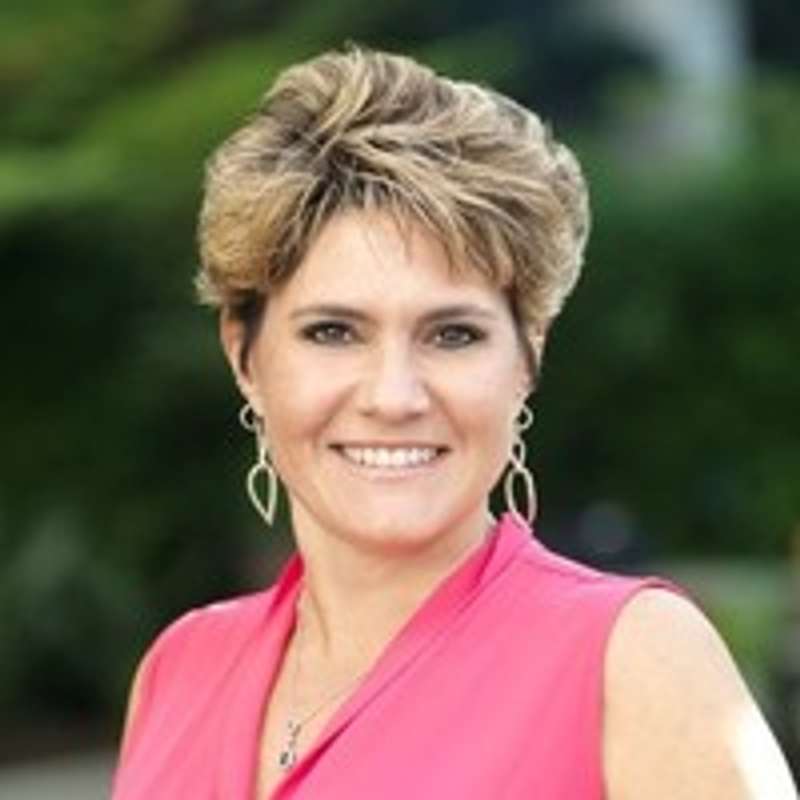 Kimberlee Duval
Oh, thank you.
Adam LarsonAnd I was wondering if you could share a little bit about what got you into accounting, and what what's your passion about?
Kimberlee DuvalSo oddly enough, I started off thinking I was gonna go to law school. But I grew up very poor. I was emancipated at 16, so paying for and dedicating that many years just really weren't gonna be in the cards. So I took my first accounting and finance class back when you used to be able to do that without declaring it as your life mission, and I fell in love. It was it was something for me that just clicked, but it wasn't the numbers that clicked for me.
It was that I saw how strategic it could be. Yeah. That I could build and and really create something. And I made the decision to not go into at the time, it was a big eight. Yep.
Adam LarsonThat's the four or the three.
Yeah. Exactly. It
Kimberlee Duvalwas a big 10 when I started. Yeah. I I wanted to work for a smaller firm. I wanted to learn more. And so I had that great opportunity. So I got to learn everything from, you know, your basic financials all the way through to tax, sales tax, all these things. And I just thought, wow. Like, this is bitching. I love this. Yeah.
With that, you know, I got my CPA and all that good stuff and really wanted to figure out how I was gonna make that into a career. Mhmm. And I found my first startup. Wow. And that changed the trajectory of my life in a in a moment because I really got to be a part of a growth story from the beginning.
Okay. It was a medical device company. We ended up scaling quickly, taking the product to market. We bought another company, so I got to be part of that process. We started, down the path of going public.
And so I got to do all of that, like, amazingly hard work, but really understood the value of the day to day compliance and considerations you have to have to enable you. Yeah. So that that role, I think more than anything else, really taught me the value of my mantra, measure twice, cut once. Yeah. Right? Be thoughtful as you make plans, as you do things, and not be about just today. Mhmm. It's gotta be about the future as well because otherwise, you're just gonna rework it.
Adam LarsonThat's right. Right? Yeah.
Kimberlee DuvalMore expensive, more time, like, all those sorts of things. But if you take a moment and think strategically in the onset, even if you don't know everything that's gonna happen, so it's impossible, at least you build in for those potentials, those possibilities. Because I think that that's what happens for a lot of people is they get very pigeoned because they don't take the time to really strategically think about it.
Adam LarsonDid you have any mentors as you were coming up and to help help guide you toward the leader that you are today?
Kimberlee DuvalI was brought up in from a career perspective at a time where there were very few women, and the women that were tended to either be the barracuda or the pushover. And I so I learned from them of what I didn't wanna do. But I ultimately have had a a number of really great mentors. All have oddly enough been men, as opposed to, which is a little sad, but it's also what ignites me to be a mentor for others. Mentors for me were very different.
Right? And and as I was saying, these men really created opportunities for me because I went after them. I wanted to know what doing business development was. How do I get more involved in that? How do I bring my strategic finance capabilities into that part of the world?
And so I had a head of BD that worked, you know, and he welcomed me in, and I got to start looking at deals and figuring out why we were a very large medical device company. And so we had a lot of opportunities for people wanting to sell us their stuff. But we were also looking at sometimes and proactive versus reactive. And he was the first one that really was just like showed me how much more being an accountant could really be. Yeah.
And I think then that drove to the next, you know, opportunity. And then I had an incredible CEO who had been a CFO for most of his career that, again, showed me what was possible Mhmm. And that the the standard expectations were just that, and that doesn't mean it needs to be me. Yeah. And he was who gave me my first CFO role.
I took the job director of finance for three months, and at the end of the three months, they said, you're the CFO. You we don't need to look for anybody else. You've got the job. That's amazing. And it was it was really great. Yeah.
Adam LarsonSo what's what is your
because I as I've talked
Adam Larsonto different accounting leaders, everybody has their own kind of, like, leadership philosophy. You already said cut once, you know, cut cut once, measure twice. But how would you describe your leadership philosophy, especially in the accounting world?
Kimberlee DuvalI really think about it really from a team perspective. Yeah. Culture fit. I want to pay it forward, and I want if everyone loved their job just 50% the way I love mine, imagine how great the world would be. And so I want them to have that passion Mhmm.
To find it, but more importantly, to be willing I have to be willing to work to help them find it. I can't do it for them, but I can certainly help them figure that out. And I think a lot of times leaders tend to get caught up in this path is what you're supposed to take. Right? You're you're in accounts payable. Therefore, you should you're in certain accounts receivable. No. The my path was not a straight line. Mhmm. You know?
I did lots of zigs and zags of different roles and opportunities and industries and full time consulting. So why should they have to stick to a certain path? Let's figure out what's interesting to you. Mhmm. What does excite you?
What is it about your current role or different things that maybe we are not doing today that we should be doing? And then how do I help them not just move toward to reach those goals, but give them time to spend to learn. Right? It's it's about great. It's a new skill set.
You're not gonna just know it. You've gotta learn it. Right? And whether that's me supporting them and teaching them, whether that's going to classes, whether that's, you know, doing something that's going to help them, and they have to have the time to be able to do that. Yeah.
Right? It's we have to have some balance. And, yes, this is part of your career, and I'm not suggesting, well, you only work eight hours a day every day. No. So, yes, maybe you're taking two hours out of this day, but they need to know that they've got permission, that they're empowered to do
it. Yeah.
Kimberlee DuvalThat it's an expectation to help them grow. It helps them. It helps me. It helps our team. It helps the organization.
Adam LarsonSo what's it like building that type of a culture? Because it's not easy to have that type of a culture because corporate America is very much like, you have to do all these things and no matter what, bottom line, that's it. And so, like, how is it how is it building that type of a culture?
Kimberlee DuvalIt really starts at the top. And and it sounds very cliche, but, you know, cliche is that for a reason. The the reality is is that when I go into an organization, that is an expectation I set right off with my CEO. Okay. This is what's important to me.
This is how we're gonna build a great team, a great organization, right, and and to be able to do all the things that you want us to do. Yeah. I need to be allowed to do my job, which means I need to be able to empower my team to be allowed to do theirs. And so it's gotta work. Alright?
They have to respect that they are being given this time, this effort, you know, money to cover classes or whatever the thing may be. They have to want it more than me for themselves. And if we can do that and then you show the value of that, it becomes very obvious. And then next thing you know, other leaders are looking around going, that back office team, they've got their stuff together. Right?
They they're really making a difference. And you see it by promotions, by career development opportunities. Those team members then are more willing to reach across to other parts of the organization to educate, to work with, to support. And now you've got a collaboration, And then that becomes really a foundation across the entire organization. Yeah.
Over time, obviously, it's not gonna be quick, but I've seen it, you know, and and I've been able to really help establish that expectation. I only hire in. If you're gonna meet you gotta be hungry. I don't want you to want a job. I want you to want a career.
Adam LarsonYeah.
Kimberlee DuvalAnd I'm gonna do everything I can to help you get there as long as you're doing everything you can to help you get there.
Okay. I like that. I like that philosophy because it's a lot
Adam Larsonof times you go into a team and you're struggling to, oh, I I have to, like, find this little time to upskill myself, and there's not that culture of growing and be to be able to establish that. That's that's I that's I commend you for that.
Kimberlee DuvalWell, yeah. I appreciate that, but I it it I don't understand why it's commendable. It should just be the way it is.
I agree with you, Garrett.
Kimberlee DuvalRight? It's like this sweet world. Right? I've got there's 11 of us here this week. Wow. And it's a big investment. But you know what? They're really worth it. And if I invest in them, they're in turn gonna invest in me, invest in the organization. Everybody wins.
Everybody gets something out of it. And I I don't think enough companies, especially in the back office, because we are the frugal ones and having to be conscientious of the spend, we don't give ourselves that budget and that opportunity. And we need it just like any other part of the organization does. And I think, you know, it's like, don't be a martyr. Like Mhmm. Well, we've never been on a, you know, whatever. No. That's a shame. Yeah. Invest in your people.
There's a lot of ways that you can do it inexpensively over time. Right? They earn it. Give it. Share it. Right? And and I think ultimately, there's just not enough people, in senior leadership positions. When these young kids, you know, these days are asking about balance. Well, that is a big part of how you help them achieve that balance.
Adam LarsonYeah.
Kimberlee DuvalBecause if they see that they're getting something personal out of it, they don't think of it as work the same way. Right? And if they're happy at work Yeah. The number of hours they are working no longer becomes a competition about the number of hours they're not working because they love it. They enjoy it. They're getting something out of it. So it naturally makes them, you know, in a better mind space altogether. Mhmm. Therefore balance is in fact achieved.
Adam LarsonYeah. Well, I I I think it was, yesterday or to this morning, I was flipping through, LinkedIn and Simon Sinek posted, we won't feel safe we won't grow as people unless we feel safe at home and safe at work.
Kimberlee DuvalYes. I actually just finished reading that book.
Adam LarsonBut, like, that's a that's a philosophy. If you don't feel safe at work, that culture you're describing, that creates a safe environment to say, yeah. I'm I can grow. I can fail here and grow from that as opposed to, oh, no. If I fail, I'm gonna get fired.
Kimberlee DuvalYou know what? That is a great point, and and I've actually had this conversation very explicitly Yeah. A couple of times over the last kind of few months, especially because I really am pressing my team to fail. I want you to reach. I want you to be challenged, and it's okay to say I don't know.
Adam LarsonYeah.
Kimberlee DuvalIt's okay to not have all the answers at the moment that you're being asked, Whether it's my NetSuite administrator who's got somebody banging on his door, tell I need you to do this for me right now. I will get to it. I need to think about it before I can just give you an answer. I'm, you know, asking people to do tasks and have ownership over responsibilities that the company's really never had to have before. Yeah.
As we've gone into retail now, you know, the complexity of our business is so different than it was really even six months ago that, you know, it's it's different skills. It's different work, you know, product that's being asked. And I've got this incredible team who's just like, bring it on. That's awesome. Let me I'm I wanna learn it.
I wanna do it. I wanna do what it takes. And and I've been so impressed with them. And, you know, they are going to be part of my legacy of future CFOs of the world one day, you know, and, oh, I got to help them do that. That's pretty awesome.
That is pretty awesome. I love that.
Adam LarsonSo we can't have this conversation without talking about technology. You know, here
Kimberlee DuvalOne our favorite topics.
Adam LarsonOne of our favorite topics. You were just in the keynote yesterday talking about, you know, how the AI and everything is changing as you're working with Nestle. So maybe you can talk a little bit about how is AI changing, how your team is how it's being formed because I it can't look like it did six months ago just like you said.
Kimberlee DuvalNo. It can't. And and that's the interesting part. And I think I was mentioning this, even in the keynote, which is, you know, with this many team members, we came with goals. While you're here, you need to go look at this, and I want you to figure out that, and we then come together and road map and that.
And after that first keynote, I thought, oh, well, that's out the window. We're gonna have to rethink this entirely different way. And and I think that it's it's great. It's exciting. I've got a little nervous. There hadn't been a whole lot of news coming out of anything really big and new from NetSuite for a while. So I was like, oh, this is game changing.
Adam LarsonOkay.
Kimberlee DuvalAnd it really goes to my philosophy, is I don't want task people. Mhmm. I want critical thinkers. Yeah. By utilizing AI, by having some of these workflows processes and other things that can help spend less time keying Mhmm.
And more time thinking and then doing something with the data, with the information, less time building the data, more time actioning the data. So for my team in particular, the timing is excellent because this is the team we're building. And we've been building this team for about a year and a half that I've been with them. And we've moved people into different roles. We've got some great, you know, promotions for people.
We've added a couple of, folks in with the goal that we are doing that. We are bringing in AI. We are putting in sweet apps. We are putting bill capture. We're doing things that make it so that there's integrations to do the key punch. There's not value in the key punch just to get it in the system. There's tools that can help you do that now. So great. Let's invest in those tools. And then now I want you to take that information, and what are you gonna do with it?
How is it valuable? What does it tell us? Right? And I think that's also the expectation of today's, you know, young people coming out of that first job, that second job. They they want to think. They really want to add value. And hopefully it makes accounting sexy again.
Yeah. I hope it does. I really hope it does. And I like
Adam Larsonthat idea of like, wanna take you're you're taking them. You're giving them this tool kit so that they can be strategic thinkers. Because there was a study out of MIT saying that the AI is killing our our strategic thinking because we're using it so much. Instead of using it as a tool, we're using it as something else. So that philosophy that you have, it's really gonna change the way it looks because as a CFO, you've been a CFO different number of times.
The way your team looks now is completely different than it's looked in the past.
Kimberlee DuvalOh, one yeah. It's a complete one eighty. Right? You you had to have that lifelong AP person. Yeah. Yeah. You had to have that lifelong AR person. And, you know, your FP and A manager had to have certain types of skill sets that were very different than what we need them to be today. Yeah. You know? And it so it's not just a role that changed. It's the entire team. Mhmm. It's the construct of them. How they work together and how they work across to the other parts of the organization.
Mhmm. Because with AI especially, you can't be siloed. It it forces you to break down those siloed walls. Yeah. Because what somebody's doing in marketing has a direct effect on and if you're not building your AI tools to be across your organization, you're gonna end up with bad information, bad data. You're gonna not make full fully aware choices and and decisions because you're you're too siloed. You it has to be across.
Adam LarsonSo what would what advice would you give to CFOs who are listening to this conversation and saying, I want my team to be where your team is. What what should that first step be to walk in this direction?
Kimberlee DuvalMean what you say and say what you mean. I think that's the biggest thing. It's it's great to throw out ideas and, oh, I'd love it if, and it'd be great. Why don't you? You you have to action it. You have to show it. You have to be willing to not just have the conversations and tell them that they should do something or put a goal on a piece of paper at the review time. You gotta check-in with them. Are you doing this? How are you doing this?
How you know, what are the classes? What are the training? What what do you need in order to do that? And then you need to make sure that they it has to be a priority for both of you. Yeah. It is really easy to put something on the paper at the review Six months later, a year later, well, did you do it? Oh, nope. Right? And I think accountants, back office team members tend to also Yeah. Like, oh, well, I I there's so many other things that I should have done.
I didn't really wanna put the time and take the time away. No. It's it's required. Yeah. And and and if you if you mean it Mhmm. Right, then they will, and then you you naturally start to just build that culture just by meaning what you say and saying what you mean.
Adam LarsonThat's awesome. I really appreciate that. Well, Kimberly, thank you so much for coming on the Count Me In podcast. I really appreciate you sharing your insights with our audience.
Kimberlee DuvalAbsolutely. It was great. Thank you.
This has been Count Me In, IMA's podcast providing you with the latest perspectives of thought leaders from the accounting and finance profession. If you like what you heard and you'd like to be counted in for more relevant accounting and finance education, visit IMA's website at www.imanet.org.