



¶ Introduction
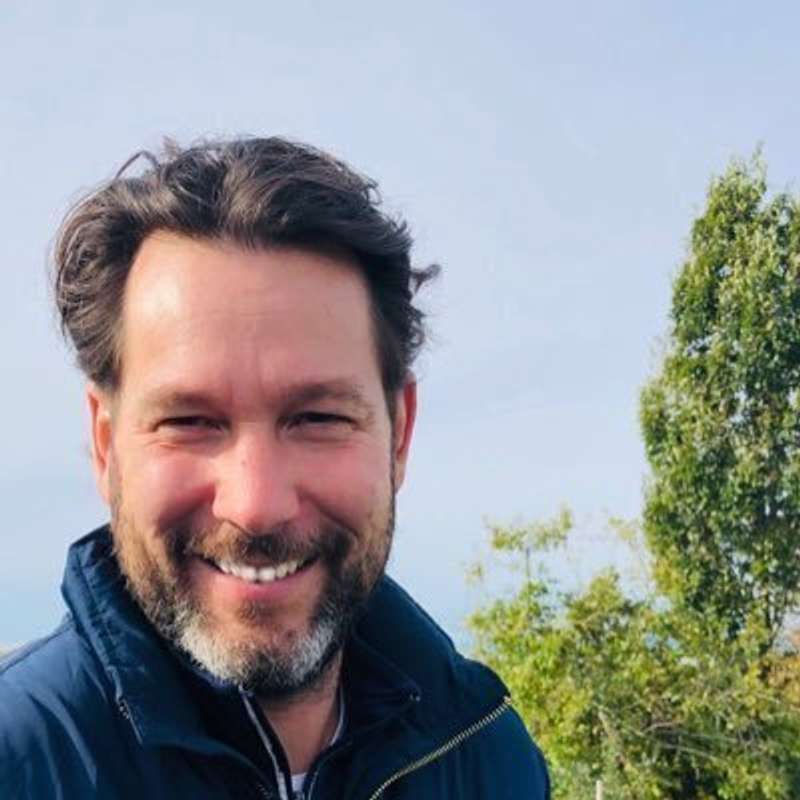 Neil McPhedran
Happy 50th, Jen. Jennifer-Lee: I know. What kind of present do I get? I feel like we've been together for 50 episodes now. What is that in anniversary terms? I don't know. That's a good question. Jennifer-Lee: Is it wood? Is it gold? I don't know. All I can say is I'm really happy to have gotten to episode 50 with you, Jen. Jennifer-Lee: What did the older people say? A hundred more with you? That's great. We've learned so much from so many incredible higher education podcasters along the way.
Jennifer-Lee: Yeah. I've learned so much from you and our podcast guests, and I can't wait for more episodes. Cheers. We need some bubbly. We'll get on that. Welcome to Continuing Studies, a podcast for higher education podcasters to learn and get inspired. I'm Neil McPhedran, founder of Podium Podcast Company. Jennifer-Lee: And I'm Jennifer-Lee, founder of JPod Creations, podcasting is broadcasting. We want you to know you're not alone.
In fact, there are many of you higher ed podcasters out there, and we can all learn from each other. That's right Jen, and a good place to learn and find other higher education podcasters is HigherEdPods.com, where there is over a thousand other higher education podcasts now in the directory. Jennifer-Lee: That's exciting. One of those is the podcast that we're talking about today, Normal Curves.
Yes, you're right, Jen. Normal Curves is definitely one of the podcasts that you can find in Higher Ed Pods and actually Normal Curves is a newish podcast. So they launched, I think they've got seven episodes out there, and it's from two professors, Kristin Sainani, who is a professor at Stanford University and Regina Nuzzo who is a professor at Gallaudet University, and she's actually a part-time lecturer at Stanford as well.
I really love their podcast, Jen, and I know you've enjoyed listening to a few of their episodes too. Jennifer-Lee: I love it, and I love the fact that it's called Normal Curves: Sexy Science and Serious Statistics. Because sometimes I feel like with science we take ourself too serious. So I really love the fact that they are bubbly personalities. They're women, they're scientific journalists, and they're professors as well.
So I'm excited to talk to 'em about some of these topics, like the one which, you know, I was just listening to, Hookworms: Can Parasites Improve Your Health? Which sounds kind of gross, but I'm excited. Yeah, so we wanted to chat with them because we really wanted to get into their journey around launching a podcast and how that's gone now that they're fresh into that. So let's just get into our conversation. Jennifer-Lee: Let's get started. Welcome, Kristin and Regina.
Thanks for joining us here on Continuing Studies. It's so nice to have you here today.
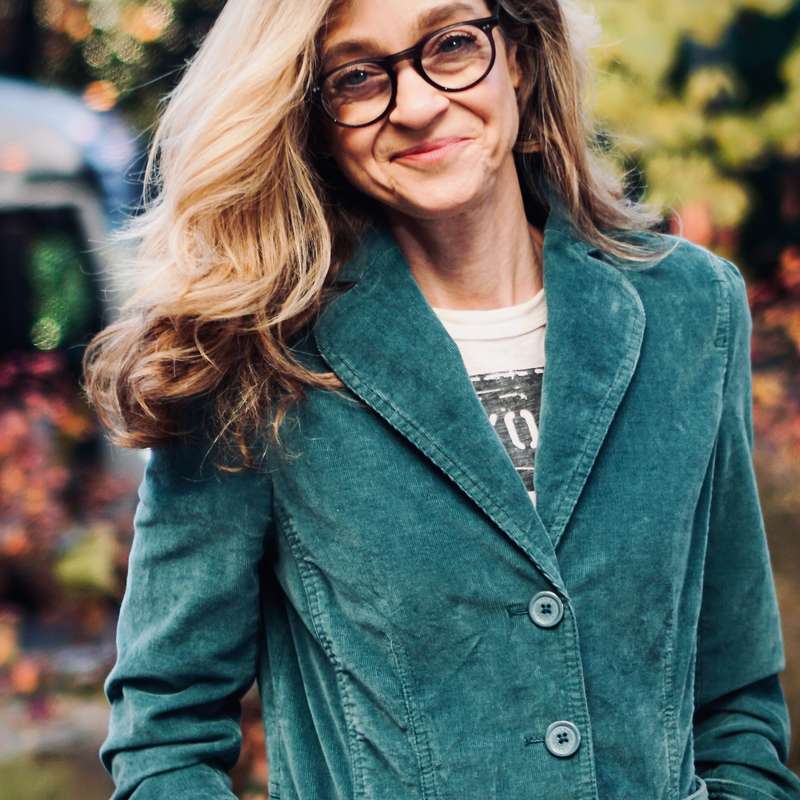 Regina Nuzzo
Good to be here.
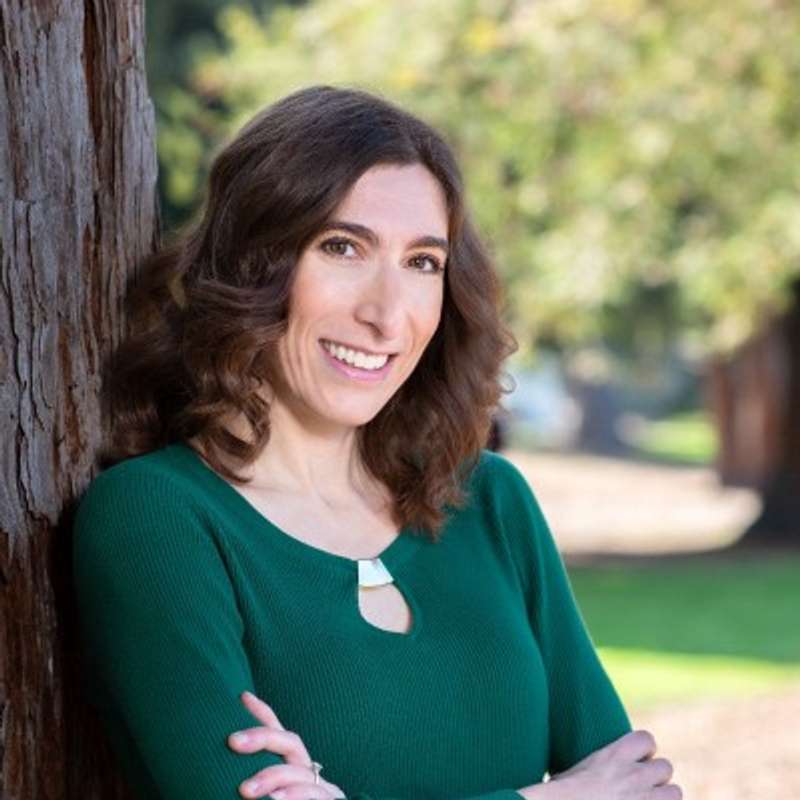 Kristin Sainani
Great to be here Neil. Thanks for having us.
Neil McPhedranSo first off, you two are longtime friends, if I understand that correctly. And you were actually students together at Stanford, is that correct?
Regina NuzzoYeah, a couple years ago.
Kristin SainaniJust a few.
Regina NuzzoBack in the day. Yes. We were grad students at the same time, and we were friends because our boyfriends were friends.
Kristin SainaniYeah, they introduced us. The boyfriend's long gone though.
Neil McPhedranThe boyfriends are long gone. But you two and your friendship is longstanding and now you're podcast hosts together.
Kristin SainaniYes.
Neil McPhedranExcellent.
Regina NuzzoI don't, I think if you had asked us back in the day, will you be podcasting together, first of all, we would say, what is a podcast? But yes. Second of all, no. You don't think of these things in grad school, how lasting they are, but it's really the basis for a good collegial relationship and a friendship.
Neil McPhedranYeah, I like that.
¶ From Teaching to Podcasting
Jennifer-Lee: Yeah. And you have a podcast called Normal Curves, and I was listening to an episode today on Hookworms. I wasn't sure at first, I had to tell Neil. I looked at some of your other episodes 'cause I was scared to listen to that one because when I saw worms, I didn't realize they were worms for good. I thought, I thought it was like, what happens if you contract a worm? And I was like, terrified. And he is like, no, no, you gotta like listen to it.
So I still don't think I would try it, but it sounds really interesting like back in the day when you watch those shows about the kings and queens and they're like using leeches. Anyways, tell us a little bit more about your podcast. How did you guys end up, you're friends, and you both work at Stanford, but like, how were you like, oh, let's create a podcast together and talk about weird things?
Kristin SainaniSo I invited Regina to come co-teach a course with me at Stanford. So she actually flies out from Gallaudet a couple weekends in the summer to teach this course with me. And we do it, uh, flipped classroom. So we pre-taped the lectures and when we taped the lectures, we decided to do them video podcast style. So we have a conversation, we talk about case studies. And our students the first year said, hey, we're watching these on Friday night instead of Netflix.
Um, possibly just buttering us up, but we think it was genuine and they asked us if we had a podcast. So that's, the seed was planted.
Regina NuzzoBut then the second cohort and the third cohort did the same thing. So we thought, oh, maybe, maybe we should check this out and actually do it. They wanted to keep on learning statistics, which was really exciting, and I think shows the power of podcasting. And learning through conversation.
¶ Purpose & Audience
Neil McPhedranIs that ultimately sort of what you were hoping to achieve from the podcast then, is just to continue that learning? Or what did you hope to achieve, or what do you hope to achieve from this podcast?
Regina NuzzoDefinitely teaching. Kristin and I feel very strongly about understanding evidence, understanding statistics, and being able to apply this in your everyday life. And so we choose the fun subject like hookworms as a way to investigate the science behind that.
Also, other things that we have planned, but along the way you learn statistics and evidence and epidemiology and research methods, and we delight in that because Kristin and I are also science journalist, the ability to teach and entertain at the same time, it's a very heady combination. Jennifer-Lee: Do you ever incorporate then your podcast into any of the lectures that you guys do, or use it as reference or get the students to use it as a way to get more information on a topic?
Do you ever put it into tests? And I'm only asking 'cause some of the people, Neil and I have talked to have actually done this stuff with their podcasts in the past.
Kristin SainaniWe are planning to, so we are not far enough along yet that we've had the opportunity to drop it in our classes. But that is the plan. And actually we do envision this as a teaching tool that others could use. And I, a friend of mine recommended it to her kids high school AP statistics teacher. So we're hoping, you know, that'll set it in motion and people will start using it as a teaching tool. Yes.
¶ Making Science Approachable
Neil McPhedranSo then from an audience perspective, it is a bit more of a focused audience. Then I know we've been joking about the topics here so far, but it really is meant to be a more learning cerebral, you are digging into real statistical components and isn't necessarily for the wider audience. There is a more, a smaller sort of focused audience for this show then.
Regina NuzzoI might disagree with that.
Neil McPhedranOkay, great.
Regina NuzzoKristin might agree, but we can have a little conflict on this. It'll be fun. I like the idea of people tuning in, I think there are a lot of people, just general listeners out in the world that miss school and they want to continue learning, but they don't want to take classes and listen to lectures. They want to learn through stories and fun things and people having good conversations with each other. So I think in the back of our minds, yeah, maybe kind of targeted, oh, learn.
But it's combined with this idea of ambient learning, entertainment. You get something along the way. Jennifer-Lee: I agree with you, because there was a stat out a few years ago, and they said the majority of people listen to podcasts to learn something new. And that's not necessarily students, that's anybody. And that's why we listen to podcasts. So I totally agree with you. I also have to say, I just love the tagline for your podcast.
So it's like Normal Curves: Sexy Science, But Serious Statistics. And I totally think that sums up exactly what you guys do.
Kristin SainaniYeah. We might have like a primary audience in mind that's a little bit of grad students and people, young scientists trying to learn some statistics. But I think we also keep in mind that we have lots of people listening to it that are not studying statistics. My kids like it. My kids have been listening, and they just feel like it's fun to listen to.
Neil McPhedranI think that's great what you're saying. You get into the weeds enough in the statistics stuff for it to work for your grad students, but at the same time it's, Regina, as you said, it's approachable for a wider audience.
Kristin SainaniWe both are advocates for making science approachable and making scientists better communicators. I have a whole course on Coursera where I'm trying to get scientists to write more clearly for everyone. So I think it's a part of our vibe as well.
¶ Being an Independent Podcast
Neil McPhedranThat's great. So as our audience is other higher education podcasters, maybe we can just sort of get into some of the minutiae here about producing and how you launched and so on and so forth. A lot of the podcasters we've interviewed to date are more tightly aligned with their universities. You've launched and you are producing Normal Curves with, from what I understand, without much support from Stanford or from Gallaudet University. That's correct, right?
Regina NuzzoZero support.
Neil McPhedranOkay. Because we hear a lot and just in our day-to-day work, it's like, you know, working with comms departments within schools. It's like professors approach them, I wanna start a podcast. So did you approach either of your schools for support off the bat or you just gone out on your own on this?
Kristin SainaniThis was more of a pet project, so we didn't even think to approach anybody for support. It's not that they didn't support us, it's just that we just started this sort of while we're both on sabbatical and had some time for a pet project. Jennifer-Lee: Your podcast, though, is really highly produced. Do you guys do all of that? Yes.
Regina NuzzoKristin is our amazing editor. Who does not like technology. So I think it makes it all the more amazing that she is doing all of that. Yes.
Kristin SainaniWell, I'm a reluctant adopter of technology, but then when I get it, I like it. But it's the bar of getting over learning something new because it's supposed to just do what you want it to do and often it doesn't. And that drives me crazy. We do have, I do send it to, I'll put a plugin for East Coast podcasting. They do the final polish on the sound. I am doing the editing out of the, you know, when we mess up and rearranging and stuff though, that was quite a learning curve.
Regina NuzzoI think that we have certain freedom though, Neil, getting back to your question about institutional support. It's nice to be independent. You can be a iconoclastic, you can talk about your dating life, your love life, and not worry. You don't need to represent the institution. So I think it comes with certain disadvantages, but advantages as well.
Neil McPhedranYou do have the disclaimer in your intro that this is separate from your day jobs, which I think is a smart thing to have in there, but that's an interesting insight that it gives you the freedom. I also think, Kristin, it's interesting that you never even thought about that. As I said, we hear this all the time, especially from the folks we work with in the comms department, that a prof sort of, here, we wanna do this, help us do this, make this happen kind of a thing.
So I love that you guys kind of branched out on your own. But that said, have you heard from any of your colleagues or the universities that anyone,
Kristin SainaniNeil, I also think it's our journalistic background. So we didn't feel the need to go through the communications because we already had that training. I did reach out to somebody in communications and say, hey, can you write about it? They haven't yet, but I'm hoping. Jennifer-Lee: But the school's obviously are aware that you guys are doing it and they haven't told you to stop, so that's awesome.
Regina NuzzoThere you go. Exactly.
¶ Pre-Launch Journey
Neil McPhedranSo let's dig into a little bit about your pre-launch process, your journey. So you got this push from some students and the two of you went, hey, let's do this. So how long from, we're gonna start a podcast to actually launching was it, and maybe just sort of tell us a little bit about that pre-launch journey. What did you learn along the way?
Regina NuzzoThat was a long journey. Kristin, 2022? Is that the first time we actually started talking about this, I think? Three years?
Kristin SainaniYeah. We started talking about this as a book first. And then we kind of went back and forth, but we decided on podcast. We didn't really start working on it till the end of 2023. I had a little cancer in the middle, so that also, yeah, we, we had a little break in, we got kind of going on it and rolling. And then I had a stage one breast cancer. So that derailed it for a bit and then we got back on it.
Regina NuzzoAlso, we had no idea what we were doing. So it takes a little while. You're finding your way yourself.
Kristin SainaniThe first episode, I think, well, didn't end up being the first episode, but the first one we taped probably took us a long time to get through the whole thing.
Neil McPhedranDid you sort of, from there, you gotta record it and listen to it. Is there stuff you can share with others out there that are at this, we wanna do a podcast, what do we need to think about before we actually launch?
Kristin SainaniI think Vitamin D might've been the first one we taped, we worked on. That was like the first one I wanted to tackle. Or was it Red Dress? One of those two. But I can tell you that it took a very long time, a ridiculously long time to get to a final product. Because we didn't really know how we were framing it or the organization, the narrative. And alcohol as well. Yeah, we did many iterations, yeah.
Regina NuzzoKristin I think had a good insight that I resisted at first, but I will call it out. She said, we just need to start. We have no idea what we're doing, so let's just go into the booth, turn it on, record and just start talking because the only way to climb a mountain is just to start. So there were a lot of iterations in there.
Kristin SainaniYes. And I also like to research a lot. So some of those, I did quite a bit of reading of papers to prep, but then we just went in and talked about like, oh, I found this. I found that.
¶ The Research Process
Jennifer-Lee: That's so important though, because I was gonna say, you've gotta get in there and start sometimes, but it's always important to be prepped for your podcast. Which brings me to, how much research do you guys do for these topics? Because obviously you're giving statistics. You have to give out information that is proper. And a lot of people don't realize, like to do a statistics podcast. It's not like an easy feat. So how much research goes into each episode?
Regina NuzzoA lot.
Kristin SainaniBut this is where Regina's got it down a little better than me because I tend to fall down a rabbit hole and I'm like, I'm going to research all of vitamin D and like, you know, five weekends later. Whereas Regina has been more disciplined and been able to stick to a few papers. And we can really dig into those.
Regina NuzzoI think you can see the two sides of us come out with this because we're both professor and science journalists. So professors say, ooh, these are great facts. I wanna put this in here because I learned so much about it. And surely it's important. And surely everyone else wants to know all of the details and all of the great story.
And then the science journalist in us say, wait a minute, just because you think it's interesting and you've learned it does not mean that everyone else needs to learn it or should learn it if it doesn't help the story, the narrative. So I think you see a swinging wildly back and forth between those two personas when we prepare.
Jennifer-Lee: And I think you're doing a really good job because even though this is directed, like you were mentioning earlier, to students and people would understand these topics, what you guys are talking about, but like Neil said, you're not limiting your audience because you're not putting it in such a high category that I was actually able to understand everything. Like, I love the Red Dress episode. I almost kind of want to go buy a red dress.
You kind of do the thing like The Magic School Bus does for kids. It's like you are putting it in layman's terms that I understand, but it's a fun atmosphere. Like you've got The Magic School Bus effect going on. I love that so much. Thank you. I'm stealing that.
Neil McPhedranThe Magic School Bus. I like that, Jen. Jennifer-Lee: Magic School Bus effect. Yep. There you go.
Kristin SainaniWe're gonna use that in marketing.
¶ Recording Across Time Zones
Neil McPhedranJen did ask you a little bit about your process. You're on two different ends of the country, three times zones away, and you're doing a lot of the editing and production yourselves. So maybe just, um, could you just share a little bit more about your process and how you guys collaborate together in two different time zones?
Regina NuzzoSo the recording process does present some challenges. At first, we tried me flying out to California, where we would sit next to each other in the booth. I'm glad actually we started that way because I feel like there's a certain synergy that happens when you get two people to together. We have now switched to, time zones are still a problem. So I end up working a little later, but me in my closet, in my apartment, where I am now, and Kristin has a nice booth to work in.
Kristin SainaniYes, I have access to a booth and Regina is in her closet.
¶ Dual Roles & Production Flow
Neil McPhedranSo each of you picks a, a topic or a focus, and then you research up front, and then you come together and you start recording? And then Kristin, you're doing the sort of first cut of the editing and you get some outside help for the final post production?
Kristin SainaniSo we're switching off leading the topics. And what we do is one person goes off and researches, and then we get together and do sort of a first take of talking it through. And basically it's one of us asking a lot of questions and also us identifying what are the statistical topics that we wanna bring out because we can't talk about all of them. So we have to pick a few per episode. And then we refine it from there.
And hopefully get two good takes, so that in editing, if I need a backup, we have a backup take that I can grab from if something goes wrong with the microphone or we talk over each other or whatever. And yeah, I'm doing most of the, the editing, because Regina has a cochlear implant, it's a little bit harder for her to hear the subtleties, but she's helping me with, I'm going back and saying, okay, what can we cut? Because sometimes, especially my episodes, are too long.
Regina NuzzoI think it's helpful the format that we've set up where one person is responsible for most of the research on the topic, and the other person comes in relatively fresh because they are the audience proxy. So it's very helpful to have that other person asking questions because it brings an arc for the story that it wouldn't occur to you. So I like how we have this back and forth, switching things off.
I know in other podcasts, both people come in super prepared and I feel like you get a lot of cursive knowledge that way because you don't have that fresh outside perspective.
Neil McPhedranI really like that approach. And you can actually, when you listen to your episodes, you could probably make that assumption. You could sort of tell who brought the topic to the table? I think actually you even addressed that in a couple of the episodes. It probably helps as well from a prep perspective, that each of you is responsible for every second episode to go deep as well too. So that's probably a good takeaway for the audience.
I'd also like to circle back though, the way you did it is great, where the first few episodes you sat together. I do think there is something in there and agree with you that to find your voice and to find your comfort even though you guys have been friends for years and you're very familiar with each other and comfortable with each other, it's a different thing to put a mic in front of your face and to start recording and to record a podcast.
So I think that's another really good insight for us all of thinking about it. And so you do two takes, or more. And then you're taking them and you're putting them together as one episode. I think that's a really interesting approach too.
Kristin SainaniWe, we do an initial take that's just for the laughs and the asking all the questions, but then we do two takes because I've found in the editing that sometimes I need a second take to grab from, I have a backup in case the mic is reverberating or whatever. Or just we talked over each other or somebody said the wrong number, you know? So I have a backup.
Regina NuzzoYeah, we've also learned that working in chunks helps. So we go in that first take just exploring together, but then we have an idea of the backbone of how it's going to go, and then we have a rough script. And we've realized that taking things in chunks just makes it a little easier to edit and a little easier to say over and over. It took us a while to figure that out because sometimes we were just doing take after take. And it got a little unwieldy.
Kristin SainaniWe have about 25 chunks per episode, so we tape the chunk once and then we tape it again. So sometimes that second take is a little cleaner.
¶ Topic Inspiration
Jennifer-Lee: I would never know though. It seems so natural. It seems like you guys, um, turned on the mic and you're doing it. But again, the more prepped and stuff you are the more natural you come off. So how do you find the topics? I'm curious because like how do you find the topics that you talk about because they're so good.
Regina NuzzoSome of it is what Kristin and I had covered when we were doing a lot of science journalism. So Kristen wrote a health column for a beauty magazine, Allure magazine for a decade, and she covered health studies there. For a little while I was writing for the Los Angeles Times and doing a column on sex, kind of mating, dating sex. But Along the way, we covered studies that were, uh, questionable quality.
And so some of what we are doing now is an opportunity to go back and recover what we did before and kind of do our, our penance for that.
Kristin SainaniYeah. I had 150 words per study, so you couldn't get a lot in, so there was a lot more I had to say. And I think Regina similarly. There's just a, we felt like there was a lot more to cover, but when you're writing for magazine or newspaper, it's very short.
Regina NuzzoI think we're also picking things that are in the popular imagination that are in headlines. And you always wonder, hmm, what is the evidence behind that? Because other journalists are covering it too, and they don't have room. But we have the opportunity to go a little deeper. I am tending to pick things that have to do with dating or relationships or sex or gross science. And Kristin is doing a lot with health. So we're also gravitating towards things that we enjoy ourselves.
And I think that's key because we spend a lot of time doing this.
Kristin SainaniAnd these are topics I've been following for years and I often use in my own teaching at Stanford. So some of the bad papers or good papers I've already used in teaching before and that's, they're in my bucket.
¶ Launch Strategy & Title Origins
Neil McPhedranSo how did you launch Normal Curves? Did you have a network to lean into? What was your first initial push to get it out there? I think a lot of podcasters, this is something that they'd probably love to hear from you guys about how you kind of approached your launch.
Kristin SainaniWe didn't really know what we were doing. I do have some following through, I have a writing course I teach on Coursera, which again is trying to get scientists to write better. And so I had somewhat of a following on that. So I had an audience, and I think in developing the podcast, we were thinking a little bit about that audience, young scientists, grad students.
Regina NuzzoKristen is very goal oriented, so I love it. She said, okay, here's the date. We just have to pick a date and we have to launch. We're not going to be ready. We have no idea what we're doing, but we just need to do it anyway. And if it were me, I would keep delaying until we were, you know, 200% ready. And there is something to be said for having a Kristin on your team that's like, nope, we're just doing it anyway. And then find yourself along the way.
And Neil, of course, you and your team were super helpful, like honestly. We had no idea what we were doing technically, or marketing or any of that. And you guys were amazing in helping with that.
Neil McPhedranThank you.
Regina NuzzoYes, yes.
Neil McPhedranI wasn't looking for that from the question I asked.
Regina NuzzoIt's okay.
Kristin SainaniI don't know if we should admit there was a shift in title.
Regina NuzzoOh, that's right.
Neil McPhedranWhat? What was the original title?
Kristin SainaniAre we giving that away, Regina?
Regina NuzzoYes. I think we should give it away.
Kristin SainaniYes. it was originally gonna be Sex, Beauty, and Statistics, and that was recognizing that Regina had written about sex for general audiences, science of, again, and I had written about beauty for general audiences. Actually it was about health, but it was for a beauty magazine. So it incorporated those tracks as well as the statistics.
Regina NuzzoAnd Neil, you and your team helped us explore and helped us come up with the Normal Curves, which we love. And the fun logo and tagline.
Kristin SainaniWell, Regina, the fun logo is all you. That was a stroke of, of genius. I think another reason we didn't go to our, ask for institutional support, it was because originally there was sex in the title.
Regina NuzzoI do think it's helpful, so much of this requires inside knowledge, I think already. How do you even choose a platform? Where do you go? Where do the files go? You have files, what do you do with them? How do you do all of this? What is an RSS feed, right? All of these things, it's helpful if you have a friend or if you have, you know, someone like you, Neil, to come in and break it down step by step because it seems obvious to you, but not to two professors starting out.
Kristin SainaniRight. We knew nothing.
¶ Advice for New Podcasters
Regina NuzzoI guess then that is a perfect way to lead into, for anyone thinking of starting a podcast, what is some advice you can give?
Kristin SainaniJust do it. We didn't think too hard about it. We just got in the booth and started taping.
Regina NuzzoAre most of the podcasters that you work with, are they doing it solo or do they have co-hosts together? Jennifer-Lee: Most of mine are interview style podcasts. So there'd be one host, interview.
Neil McPhedranYeah. We work with a lot of single hosts that's not co-hosts.
Kristin SainaniSo that, that's good advice. If you wanna start a podcast, get a co-host because that has made it doable. I wouldn't have been able to do this on my own. Jennifer-Lee: But I will say when I worked back in radio, I learnt, you don't always have great rapport with everybody as a co-host. I've been lucky. I co-host this podcast with Neil, so we're lucky that we have the rapport that we have. But not everyone has it.
And you guys being friends, you can really tell that it's genuinely really great because not everybody clicks. So that would be my advice if people are co-hosts, just don't find a warm body to be your co-host. But your friendship, I think is really why you guys feed off of each other so well.
Regina NuzzoI think that it's also helpful, right? Rapport, respect, all of that, but finding someone who has complimentary skills and personality, bringing this, because two of me would be too many, two of Kristin would be too many. So bringing that together because you get different strengths that way, different perspectives.
And I think it's also helpful to have a co-host because when you start to lose, you know, faith in yourself, luckily Kristin and I, throughout this process, at least one of us was always a hundred percent on board, even if the other person wasn't. So that creates a certain momentum, I think.
Neil McPhedranThat's great. I like that. I met Jen, I had been thinking about doing this. I was thinking there was an opportunity to, you know, this would be a good way to meet more higher education podcasters and to really lean in and to learn more about it. When I met Jen, I was like, hey, you wanna do this with me? And I agree, that's been a great part of the journey is doing it with someone else and, and Jen came with more of a background into interviewing and the space and whatnot too.
So pairing up or teaming up and finding a colleague or a friend to tag team it with, I think that's some good advice there too.
Regina NuzzoI think it's helpful also to think in terms of story and not lecture because a lot of your audience are coming from this academic background, and it's a different experience to lecture. You come in, you need to deliver content, you have a captive audience. It's very different than podcasting.
And the podcasting, thinking about being friends with your audience and telling stories that they will be interested in is a little bit of a switch, so I would advise professors who don't have that sort of background to maybe try to think like a journalist that way.
¶ Storytelling vs. Lecturing
Neil McPhedranI think that's some really good advice 'cause I think that especially for professors to think that way differently. And obviously as science writers and journalists, you brought a different perspective to the table where you had experience doing that. It wasn't just, here's the facts, you had to weave a story into your articles and into your writing. And it comes out too in the way you approach things.
And I think that's what makes it more approachable and to a wider audience where there's something more to it.
Kristin SainaniWe'd actually spend a lot of time thinking about the narrative arc. So when we do that first take in the booth, after that, we then start to say, oh, when this goes here, this goes here. And we often move around based, not what the natural conversation was, but where can we build a better narrative arc.
Neil McPhedranSo you're now seven episodes in, I would assume you're starting to hear from your audience, any feedback that you've received that's surprised you. Anything that sort of made you rethink something or just, I guess it must be interesting to start to hear feedback just in general from an audience.
Regina NuzzoYeah, it's qualitative instead of quantitative. We can look at the download the numbers. But it's much more interesting to see the comment, the stories from actual people. We've gotten some fantastic comments that really I think help keep us going when we think about how much work this is. Jennifer-Lee: Any comments from the students?
One of the nice things we started to hear from young graduate students, postdocs, which we were expecting, but we heard from female grad students, for example, saying it's so nice to have a sciencey podcast with two women instead of, you know, these bro casts and that you are women and you don't mind coming in and being human and fun and sexy and smart and strong at the same time. And for Kristin and me, that's just, oh, that's, that's just so exciting.
We didn't have role models like that when we were coming up through grad school.
Neil McPhedranThat is great. You guys are the anecdote to the bro cast. Jennifer-Lee: I love it. I'm stealing that one. So, well, I think that was great. Thank you so much for joining us today. I think it's been great to hear about your journey, and we've learned a lot. I think there's some really good, tangible insights for those out there thinking about planning to launch a podcast. Really appreciate your time and your, uh, candor today.
Regina NuzzoIt's has been fun. Thanks for having us.
¶ Conclusion
Neil McPhedranWell, that was a fun conversation, wasn't it, Jen? Jennifer-Lee: I feel like I could talk to 'em forever. I felt like we were like at a bar gabbing together with a bottle of wine. I think that's what's great about their podcast is to a certain extent they're achieving that you feel like you're part of this conversation that they're having, but also it's part lecture as well too.
I think they've really done a good job of figuring out both those sides and as we talked about the importance of storytelling and as they talked about, there's a story arc and the way that they approach their episodes. They're not trying to give a lecture, they're trying to weave it into a story and to make it more interesting for the listener. Jennifer-Lee: It's definitely not like the lectures that I used to go to a university where you fell asleep during half the lecture.
I like the fact that they're making it fun for us regular people that aren't going into science. I really enjoyed it because they were able to talk to me like I was on par with them. It's like watching The Magic School Bus. Fun but informative. I think there's a lot of really interesting learnings there for us as podcasters too.
One of the things that struck me was how they do multiple takes and how they work it down into chunks, and then they'll do a couple of versions of that, and then Kristin has so much to choose from when she goes into, put that edit together. You wouldn't know that they were actually recording it that way.
And I think, as you said when we were chatting with them, it really goes to show that that prep and practice and multiple takes actually leads to this more casual, almost approachable conversation that you wouldn't know how much has actually gone into it when you listen to the final product. Jennifer-Lee: You know that saying practice makes perfect. It's the same thing. And if you're not prepared, you're gonna fumble and you're going to not sound great. Be prepared, and you'll sound casual.
There you go. Jennifer-Lee: You feel confident and you're not gonna care if you screw up, but if you don't prep, you're gonna be nervous because you don't know what you're saying. Anyways, thank you for tuning into the Continuing Studies podcast, a podcast for higher education podcasters. We hope you found this episode informative and inspiring. If you enjoyed the show, we encourage you to follow and subscribe to our podcast on your preferred platform so you'll never miss an episode.
But if you found this episode particularly valuable. Please consider sharing it with friends and colleagues who also might be interested in higher education podcasts. We also invite you to join your peers on HigherEdPods.com, where you can connect to other podcasters in higher education and learn from others in the field. Thank you so much for being part of our community. We look forward to continuing to bring your valuable insights and conversations around higher education podcasts.
See you in the next episode.