



¶ Introduction
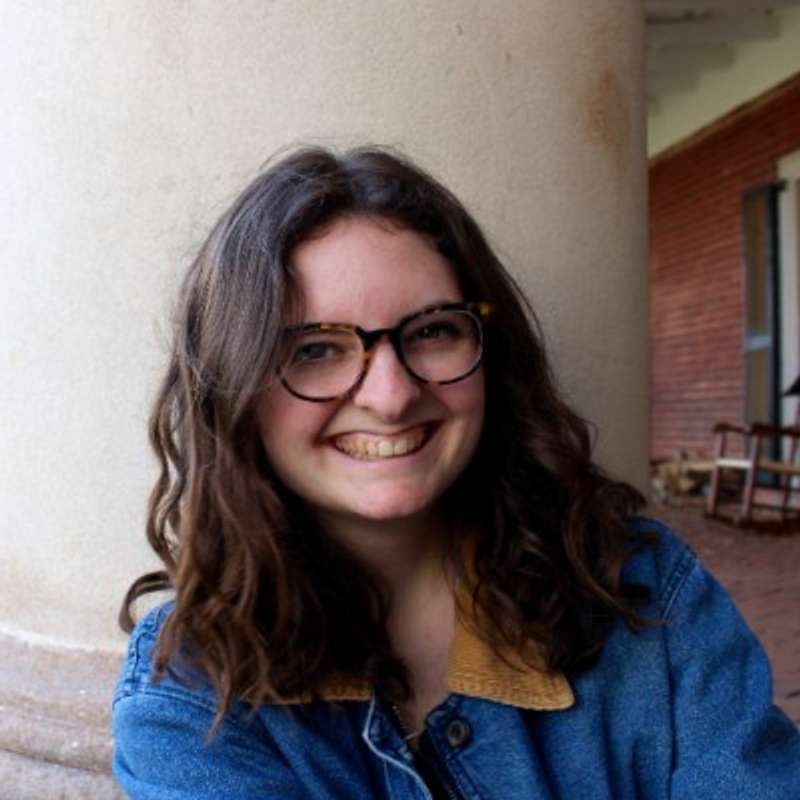 Mary Garner McGehee
When we think about, like, what is radio? Often we're thinking about, like, how can we take that FM signal and, all the people that listen and the community around that and translate it into more, in person things and, like, more points of connection.
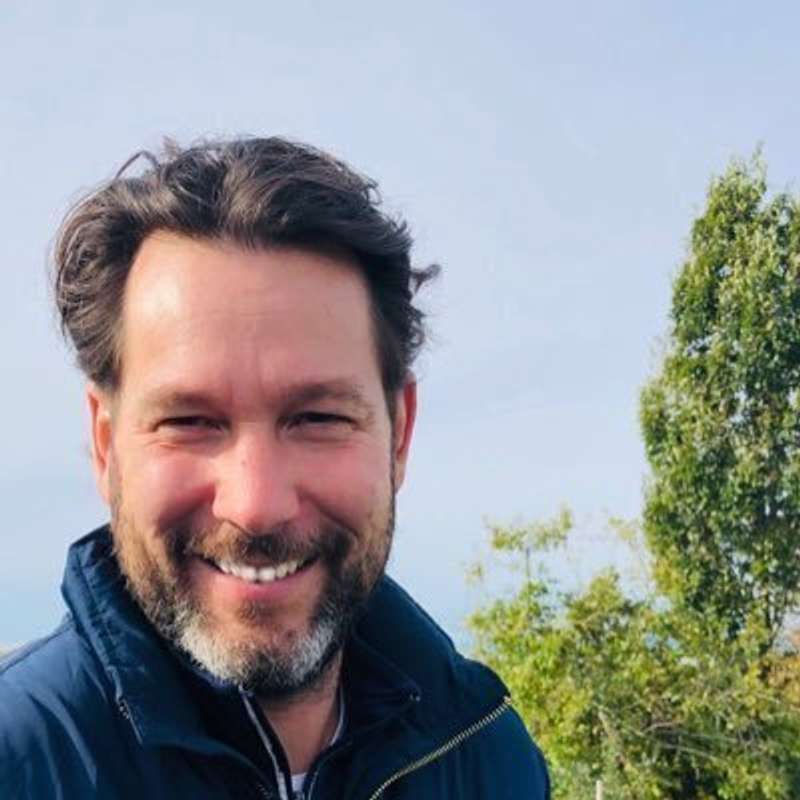 Neil McPhedran
Welcome to Continuing Studies, a podcast for higher education podcasters to learn and get inspired. I'm Neil McPhedran, founder of Podium Podcasts, an agency for higher education podcasters. Jennifer-Lee: And I'm Jennifer-Lee, the founder of Jpod Creations, podcasting is broadcasting.
¶ The Future of University Radio
We want you to know you're not alone. In fact, there are many of you higher ed podcasters out there and we can all learn from each other. Please also join our community at HigherEdPods.com. Jen, in this episode, we speak with Mary Garner, Mary likes to go by MG, and her colleague Sage. They are from the University of Virginia. Also from WTJU 91.1 FM and the Virginia Audio Collective. We're going to dig into all of that and actually this is episode one of two episodes.
Jennifer-Lee: Yeah, because guess what happens when you get cool radio people in with Jen and Neil, we talk way, way, way too long. And that is why we're going to be going with two episodes. So get ready for it. Yeah. And there was a natural break where we really did go deep in the beginning talking about the radio station, which is, this is a college radio station with decades and decades of history.
And how the radio station has really been a central place for an incredibly vibrant podcasting scene at the University of Virginia and how those two things have come together. Jennifer-Lee: I also thought it was interesting that these people are so into radio and then it's transferred into podcasting, like the fact that they want to go into a radio station. And we discussed that it's changing the idea of radio to a lot of kids is podcasting or other types of content.
So radio isn't, you know, somebody with like the turntables back in the day, and they're like, I'm on CK and W 980, like I'm rocking it at ten o'clock. They're not, that's not what their thought of radio is. So it's really interesting that we dive into what is radio.
Yeah. I think this is a great conversation because you and I have chatted about it a bunch before and we've talked about it internally, but for most universities and colleges, there is, or at least was, a radio station attached to the university. And it just feels so ripe for supporting podcasting like, you know, the obvious thing is the equipment, you know, that's the obvious part.
But more, I think what we really get into and what's exciting is that's just the table stakes, but what they've built around that from process and people and just, you know, that's kind of the first place people call up to, like, I'm looking to do this, right. So super interesting. And I think there's a ton of learnings for the rest of us, higher education podcasters that are at a university that has a radio station there.
And how we can think about it and approach it and, and use it in the mix for podcasting. Jennifer-Lee: Yeah. Well, I always say that radio, or podcasting is a rebirth of radio, because there's so many facets of it together. So let's get into the conversation right now. Let's do it. Welcome. It's so great to have you here with us for the Continuing Studies podcast.
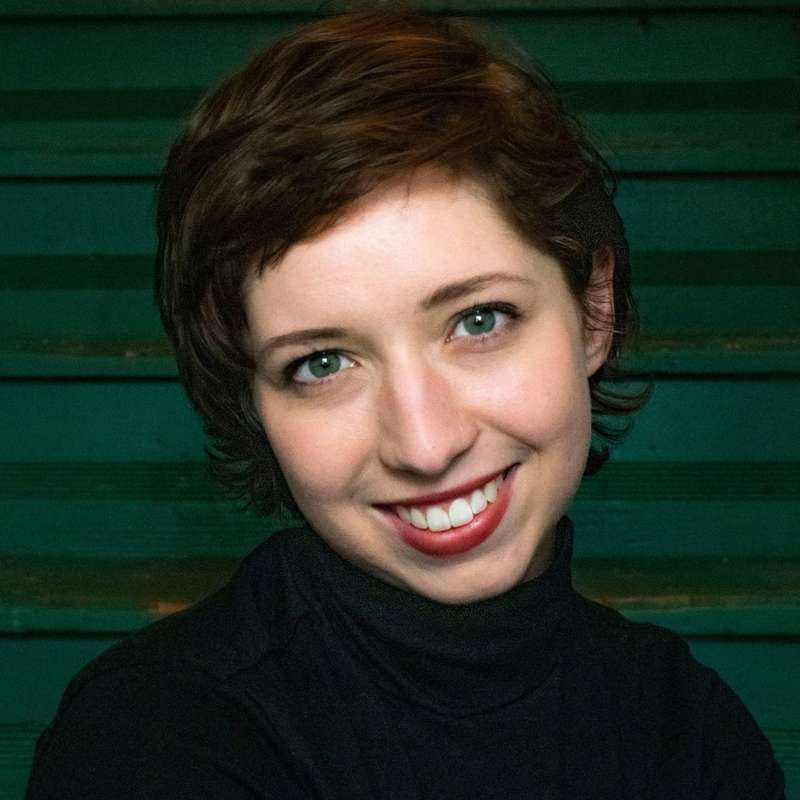 Sage Tanguay
Thank you for having us.
Mary Garner McGeheeYeah, we're excited.
Neil McPhedranMaybe we can just kick off with, you guys play a couple of roles both with the public radio station WTJU as well as the Virginia Audio Collective which is a podcast network. Maybe describe your roles a role you play with each
Mary Garner McGeheeYeah, I can start by talking a little bit about WTJU. So WTJU is a community radio station that is owned by the University of Virginia. So we're not an NPR affiliate. We are a primarily music station over the air. And we're almost seventy years old. Was started by students almost seventy years ago here at UVA. And it's been, over its history it's really cool. It's had a lot of different phases. It's adapted a bunch. In the nineties, it was pretty big into the punk rock scene.
A lot of the members of the band Pavement were WTJU DJs, which we're very proud of.
Sage TanguayAnd talk about all the time.
Mary Garner McGeheeAll the time. Yeah. So these days, you know, WTJU has a couple different areas of work. Primary one is the FM radio signal, which has about three hundred volunteer DJs from the Charlottesville community. We also have an all student run station, WXTJ. And it's a low power FM, so it has a smaller broadcasting area. And that station's really cool because the students totally run it. They pick all the DJs, it's totally freeform, they can play whatever they want.
I love turning it on, like you just never know what you're gonna hear. It's like very classically, like, college radio. It's really, really fun. And then we also have this podcast collective. You know, about ten, fifteen years ago when podcasting was like really starting to boom and people who weren't, you know, professionals were starting to get really interested in podcasting, the radio station was kind of thinking about how they might move into this space.
And at the same time, there were a bunch of folks at UVA, students and some faculty too, who started coming to WTJU and saying, hey, you know, you've got microphones, you've got a studio, like, would you maybe be able to help us make our podcast? So it was just kind of this like very cool, organic, um, way that it started. And so now we have a podcast collective with over two dozen active podcasts and a whole bunch more of shows that were always meant to be limited run or shows in our archive.
They're made by a huge variety of producers from across the whole state of Virginia, not just here at UVA. We have some UVA students, some community members, some folks who live in other parts of the state, and we also work with departments at UVA to help them produce their podcasts.
My role is managing producer of the Audio Collective, so while I love coming in and hearing all the stuff on air at the radio station, primarily I work with the podcasters that come in and record in the studio, or those departments that we work with, and community members who have ideas. Jennifer-Lee: I'm just curious, MG, because you guys are young and probably a lot of the students around the same age. Do people still love radio?
Because I feel like podcasting is now, I always say it's the rebirth of radio. I come from a traditional broadcasting background. I'm now involved in podcasting. But, you know, I talked to everyone, like I don't think anyone aspires to be a radio DJ now. Do you think people still love radio? Or do you guys see it kind of petering out and just be solely podcasting?
Well, you know what's funny is, for a while, when I had graduated from being a student and was a young person working here, the new students would always be like, oh my gosh, is it like the movie Pitch Perfect? And I think, Jennifer-Lee: Oh yeah, that's true. The sad thing is, I think the students now are like, even too young for Pitch Perfect. Like, they were like in elementary school when that movie came out. What would you say to that, Sage?
Sage TanguayYeah, well, it's funny, I have a background in other community radio beyond the station in a very rural area of Virginia and West Virginia where community radio is like the lifeblood, you know, like it's how people get information about anything that's going on in town.
Mary Garner McGeheeShout it out. What's it called?
Sage TanguayAlleghany Mountain Radio. Jennifer-Lee: While you're on that, I have a quick question because I love small town community radio. I had to do vacation relief for someone up in a very, very tiny town of five thousand, up north. And they still do it to this day. They do kind of like a yard sale thing where people will phone in and be like, Jake has a tractor for sale. Do you guys do that type of stuff? Yeah. So Alleghany Mountain Radio definitely does.
WTJU not so much, but Alleghany Mountain Radio does what we call swap shop where people call and list things that then the DJs read off. They do birthday announcements. They do obituary readings every single day. It's a massive geographic area that station covers or it's a network, but it's like the least populous counties in both. It's the two least populous counties in Virginia. And I'm pretty sure one of the smaller counties in West Virginia, I don't know where.
Pocahontas is on the rankings, but very, very rural. A lot of lost dog notices and stuff like that, or like, hey, your emu is out running on the road. Please come get it. Stuff like that. Jennifer-Lee: I love that but people don't believe me when I talk about this, but it's a real thing. It's very real. So that's my background in, well, okay, let me go back a little bit. So I also was a student here at UVA.
I did student radio and I was an intern at WTJU for some of our public interest programming at the time. And I got into podcasting that way. I did some student podcasts. Did a blind dating podcast. Jennifer-Lee: Oh, that sounds awesome. Yeah, it was actually very similar to Love is Blind, long before Love is Blind was a thing. But we would record their first interaction, and then reveal, and then send them out on a date.
Mary Garner McGeheeWe're going to write the cease and desist after this podcast episode.
Sage TanguayBut it didn't last very long. It was just, you know, students kind of experimenting with stuff. So but then I left school and I went and worked for my hometown radio station, Alleghany Mountain Radio. I think there are a lot of ways in which podcasting is bringing people back to seeing audio as a really powerful format.
But I don't know if it's necessarily going to replace, I think it's just because I come from a place where radio is so essential, it's like an essential public service, that there's no way a podcast can kind of really address that same niche.
Jennifer-Lee: Do you think though it's gonna, maybe not in the small towns, because I totally, I get that it's something that's really important, especially with a lot of the weather phenomenons that we've been having lately, it is a source of information for people. But do you think, in the university and college, that we're not going to see radio stations anymore. It's just going to be podcast networks. I, I think we're already seeing a lot of that.
We just recently had the Virginia College Radio Conference here at WTJU. So we had, I think, five other university groups of students who, who run their stations come here to chat and kind of just exchange best tips and practices. And at least two of those stations are currently online only. So they're still running what I would consider to be like a traditional broadcast where a DJ comes in, they sit down, they play their music, maybe they talk a little bit and then the next show happens.
Um, and it's a constant stream, but it is online only, so they do not have a terrestrial signal. They're not dealing with the, the same FCC kind of regulations. Some of them are always going to be that way, and that's just what they're setting out to do. I would say they still consider themselves radio. What's interesting to me is that those weren't the same college radio stations that were producing podcasts.
The terrestrial stations were producing a little bit more online content than the completely online stations. To me, it makes sense, because I'm a radio and podcast person. But I think there's actually a really different thing that brings some people into the fold of either of those, those medias. Um, young people who I work with at the university right now, I'm thirty. So ten years younger than me, the students, some of them don't listen to podcasts at all. It's really curious.
Like, they're like, why would I listen to podcasts? I think it comes from, they have like, really specific ideas about what a podcast is. Jennifer-Lee: It's interesting though, because most of the stats say it's the younger generation that listens to it. It's more just that, I often come across students who have no connection with podcasting, which is always wild to me, because when I was a student, everyone listened to podcasts.
Mary Garner McGeheeI think lot of people our age, though, got into it in college.
Sage TanguayYeah, no, that's definitely true.
Mary Garner McGeheeLike, they didn't listen a bunch in high school.
Sage TanguayYeah.
Mary Garner McGeheeBut then, you know, you have more time when you're walking around and stuff. And I mean, also, I think a lot of students, you know, they go to college and they start swapping book recommendations. And podcast recommendations more. I'd say two things I've want to highlight on the question of, like, are young people listening to the radio. Like one, our student station gets like way more applications to DJ every year than there are slots. It's honestly very competitive.
I think the reason for that is that when I talk to the students and they say like, I do radio, they are defining radio so broadly. They're talking about their show that they host on an FM airwaves. I think they also think of podcasting under that umbrella. And specific to like our student station, they throw like a ton of live house shows in like people's basements and they also like write a lot about music.
So I think, you know, if you were to ask a UVA student, oh, what are the things you're involved in? And they'd like list off a couple of clubs and they'd say, I do radio. Like what they're really talking about is like, I'm tapped into this, like, music and art scene that's happening around the radio station. And I think WTJU also, like, when we think about, like, what do we mean by, what is radio?
You know, like, often we're thinking about, like, how can we take that FM signal and, like, all the people that listen and the community around that and translate it into more, like, in person things and, like, more points of connection.
Sage TanguayYeah. I would agree with that. Jennifer-Lee: There's a lot of similarities to radio and podcasting. And I tell people this, like, it's so funny because scripted podcasts have become such a big deal. And I was talking to someone in radio and I was like, yeah, they've got sound effects and they carry the story and everything. And they're like, what? You mean like a radio play? And I said, exactly. It is a radio play. A lot of these things are getting turned into a new thing.
But at the end of the day, people can argue with me, but they're all rooted in radio. But the difference is like you were saying earlier was the terrestrial station, terrestrial station really lets you make it local. Podcasting because you're kind of everywhere. You kind of have a more wider audience, but then you lose that personal touch of like the community that you have.
So you really got to figure out, do you want to be a tiny podcast that really hits into like one area or do you want to be wider?
¶ YouTube’s Role in Podcasting
Neil McPhedranI think what's interesting is that it, it feels like when you're talking about that new college age, their definition is really mixed up. And so it sounds like what you guys are saying is when you say radio, they're not necessarily differentiating between listening terrestrially or listening on their phone with their air pods in. To them it's kind of the same thing. And I'm curious then what about YouTube?
Because I think that's where maybe back, Sage, when you were saying how you come across these students and they say, I don't listen to podcasts. Do you think that's because they watch, quote unquote, and sometimes listen to YouTube podcasts, YouTube shows?
Sage TanguayYeah, I think a lot of those students are consuming either things that are actually podcasts, like have an RSS feed, but they're just consuming it on YouTube. Or they're consuming what I still consider to be podcasting, because it's the exact same thing. Like, most YouTube channels are just very similar. It's vlogging, right? The video essay is really popular these days, where it's like a heavily researched rant podcast. That's, that's all that it is.
I think a lot of students are consuming media like that and don't necessarily connect it. And part of me wonders if like, do I think of all of these things connected because I make them and I know how similar they are. Um, so I think it might be something that like, if you're just consuming, you might see more stratification between some of these things. But once you start making it, it's like, oh, it's all, it's all the same.
Jennifer-Lee: I also think podcasting is such a broad term, because Neil and I deal with this a lot when we're working with different people. And it's like, oh, let's take a look at what platforms you're on and we're going to upgrade your podcast. And they're like, oh, I'm only on Twitch. And technically Twitch is not a podcasting platform, but people think that is a podcast. Or some podcasts are strictly on YouTube and people think that's just a podcast.
So I think media, broadcasting media, either you're on YouTube, TikTok, you could argue if you're broadcasting or not. All these things are getting muddled and everything is a podcast. Because like, to me, I'm so old school, even in podcasting, it's newer, it's like, I don't know if I feel that Twitch is a podcasting platform, but people would argue with me, like it is.
Mary Garner McGeheeYeah, we both get asked to come like guest lecture and undergrad classes a lot, which by the way, is like so fun. It's one of the best things about working at a university. Every time I roll up to a class, like the first thing, I'm like, okay, we're gonna take the first five minutes and I'm just gonna like survey you. And I'm always like, everyone wants to know what the young people think is cool.
So I'm like, I'm gonna, and they're on YouTube, they're on TikTok, they don't listen to radio, they do listen to streaming, that kind of stuff. So when I saw some of this data that was saying like, you know, eighteen to twenty-five year olds are listening to more podcasts than like anyone before. Or I don't remember if it's like number of podcasts or if it's number of people, but they're listening to a lot.
I was really surprised because I was like, that doesn't totally match up with what I'm like hearing anecdotally in these classrooms. But then when you scroll down and you're like, what platforms are you watching it on?
Neil McPhedranRight.
Mary Garner McGeheeExactly like you're saying. That's when I first started thinking like, oh my gosh, podcasts are on YouTube. You know, like that's not how I got into podcasts, but if the people who are listening are defining them that way, I think that's great.
Sage TanguayYeah. And I, maybe this is just, you know, my own generational experience, but I do feel like I listened to some podcasts when I was a student, but really like once you're an adult, living on your own, commuting places, trying to fill time in a way that you don't when you're a student because you're just surrounded by so much stimulus all the time. Like, that's really where my podcast listening just took off, and I was constantly listening to audiobooks or podcasts.
Mary Garner McGeheeYeah, when you're in charge of your own education.
Sage TanguayYeah, when you're in charge of your own education, for sure. Jennifer-Lee: And that dives into a whole different thing, too. Like, they just had, it was on one of the news shows. They said, is reading classified as a reading if you're using it as an audio book or an audio podcast. And I said, yes, it is. And then people were disagreeing with them, but I think it is, it's that you're gaining knowledge.
¶ Audio vs. Video in Podcasting
Neil McPhedranI think the insight here is a really interesting one. And you know, we're like the four of us are in the podcast world. So we probably consume a lot of podcast news and read a lot of, you know, industry things or whatever. And there's this, there's a few things going on here. There's this whole battle around video. And if you have a podcast, you have to have video.
And if you don't have it, that didn't come up at all within the last ten, fifteen minutes for conversation, except for when I mentioned YouTube. So I think that's in just, you know, the last four conferences I've been to, it's video, video, video, video, video. And like everything we're saying here, there was nothing there, right? It was, but it's more about the platforms. And I think the other thing that is, I'm on this WhatsApp channel with podcast hosting owners and it's international.
It's really interesting. And probably the average age is in their forties. And it's long time veterans who are very fully immersed in the podcast space. And there's a lot of preciousness right now that's going on in this channel about what is called a pod, I called a podcast that I work on a show the other day. And I had this guy like jump on me and say, that's the problem. You're calling it a show. You have to call it a podcast.
If we don't call it a podcast, like buddy, like this conversation just exemplifies that. Is like, the kids, call them that, they're not going a podcast versus a show. And like, to your point, Jen, it's not Twitch versus YouTube or whatever. It's just like, this is what it is. And it's really interesting when you have a seventy year old radio station, that's like key to this whole thing.
And I, anyway, takeaway for me here is that our audience is university podcasters and this just opens up this conversation we have to have about, let's not be precious about what a podcast is and it has to be an RSS feed or it doesn't have to be an RSS feed. And YouTube is wrecking the industry or whatever, I just think we got to embrace it all. We just need to be open minded to it all.
Jennifer-Lee: Well, I'm going to jump on what you just said and add to that, Neil, is the fact that I really believe, and you and I talk about this a lot, is where your audience lives too. Every audience is different and every subject is different. And we're very lucky that we live in a time where we have all these different platforms to go to our audience. So why waste your time if your audience isn't on YouTube?
Or if your audience is strictly on YouTube, why bother doing it on Spotify or Apple or all that? And then that's why a lot of them don't grow too, because we're not playing to our particular audience. And Neil and I did talk to someone on one of our episodes that is really known for YouTube and he teaches at NYU. And he actually said, which I loved it. He said, just because you're on YouTube does not mean you need to have video. And I said, you're preaching to the choir.
Because he said the point is for searchability. And that's when I talked to people. I said, yes, you have to be on YouTube for the search. But do you have to have a video? No, because you guys probably know too, like I'm actually around the same age as you guys, but I just feel like an old lady, but I always tell people like when I was in radio and they were like, I was used to do like a, a music show, I was midday host and an afternoon host for a rock and a pop station at one point.
And they were like, oh, you know, social media is here. Film yourself. And I was like, you know what? I'm so boring in the radio booth. Who wants to look at me in a radio booth on a microphone? And now everybody's got it. And I was like, to me, that's not the most interesting thing. I'm going to listen to them. But am I going to sit there and be like, unless they have a celebrity, I'm going to watch Joe sit there in front of a microphone and talk to me. That's not why I'm watching on YouTube.
Anyways, that's a pet peeve of mine. It's like, I don't really think people are that interesting in front of a microphone in a room.
Mary Garner McGeheeI think a challenge that we're seeing with it, and I will say it's been awesome that YouTube added the ability to add shows by RSS. I mean, that's great. Like, now you don't have to make, yeah, fantastic. Um, you know, every time somebody comes in with a new podcast idea, they ask about video, right? But we're also working with a lot of people who are very time constrained, who are very resource constrained. And like, our goal is to help them make something, right?
Like, they came in with a great idea, and we know they have very limited time to work on it. So we're like, how can we make this fit into your life? And I mean, it just takes a lot more time to do video. So often what we will advise people to do is start with audio, right? Like, start by just focusing on the audio. And once you've got that workflow kind of under your belt, that's when you can think about adding, like, the video component into it.
And I think, you know, if there's a downside to video becoming so popular in the podcasting space, it's that I think one of the coolest things about podcasting is that the barrier to entry is so low. Like a lot of people who historically wouldn't have had access to audience, you know, are now able to do it pretty easily. And I think video is kind of raising that barrier, but I mean, there's a lot of, you know, bad podcasts out there. So maybe it's not.
¶ Celebrity Podcasts and Industry Impact
Sage TanguayI think that like, for me, it's really hard to extricate video's role in podcasting from celebrity podcasting. I think that, like when I think of video podcasts, I think of chat celebrity video podcasts that are largely unedited or under edited. And they are serving like a really different purpose and kind of occupying a very different space in the layout of the podcasting market than a lot of what we work on at a university.
Not that there aren't, like, we have one comedy chat show and he does record his video and stuff like that, but that's like one out of forty shows that are in the collective What I tell a lot of students and people who come in hoping to use the resources is just, you have to understand that a celebrity podcast, like, even if there are edits, they're not the ones editing it. Like, they're not hosting and editing. Maybe years ago they were, but like now they're not.
They have the money to hire producers to do all of that work with them and for them. I also don't think it's like useful to be upset about celebrity podcasting, because again, I think the perspectives that we're, now, granted, I know there are some celebrity podcasts that you take a listen and you're like, man, they just did this for trying to grab anything that they can. There's not a lot of substance here.
But there's also a lot of really good ones that, like, literally no one else could host those podcasts because they're talking about the television shows that they starred in ten years ago. They're sharing these stories that people really do want to hear. I don't think it's a use, in a similar way of like quibbling over like, what is a podcast?
I also don't think it's helpful to have a lot of angst towards celebrity podcasts coming in and kind of eating the lion's share of ad revenue and all of this stuff that I think is going on. It just requires a different approach. Jennifer-Lee: And that's the thing. It's an industry at the end of the day. It's no different than any other industry out there. Same thing with books. There are celebrities that write books. There's still enough piece of the pie for everybody. They're very different.
There is the business category. There's the education category that Neil and I work in. There is the celebrity. They're all different and they're all run differently. People are going to listen. That's the difference between podcasting is, there have been these unknown people, either it be true crime or any other genre that have become household names.
It's because people get access to the regular people, and at the end of the day, most people, unless they're in the entertainment space are thinking about how is a podcast going to solve my problem. And again, that's where I put celebrities is there in the entertainment category.
And to your point, Sage, there have been, I won't mention them on this podcast because I don't want to get a letter, but there have been celebrities that have had these big deals, that were probably maybe weren't even interested in podcasting, that people have signed and said, we want to use your name and your brand. And they have failed, and now they're not doing them.
So I think the people that come to the table of smart ideas like the SmartLess guys, those are great podcasts, but they're not doing it probably for the notary, like they just want to start it up. It's not like Spotify or Sirius coming to you and be like, let's create a podcast.
¶ Educational Mission and Media Training
Mary Garner McGeheeI have one more thought on the video thing. So, you know, a big part of what we do is education, right? And you mentioned this being in the educational space, like being owned by university, a big part of our mission is like educating students in media technology, preparing them for jobs in that space. And I do increasingly feel like the students who come through our internship program or come to us for training need access to that video experience.
I'm curious to know what other people who work in the academic space who also have this educational mission, how they're kind of approaching that. I feel like we're increasingly trying to create more opportunities for the students that we work with to learn those tools and have some stuff in their portfolios.
¶ Conclusion
Neil McPhedranOkay, Jen, that's part one of our conversation. We have cut that there and we're going to turn the second part of our conversation where we jumped more into the podcast collective, the network, for a separate episode. But wow, that was great. Just even, you know, we spent a bunch of time even figuring out like what, what is a podcast? I love that question.
It's a super popular thing that just is continuing getting bantied around, I think, within our space of talking to fellow podcasters and whatnot and how video is changing it. And I you know, like there's just too much, it's almost too much people are talking about like trying to define what a podcast is. Jennifer-Lee: And does video matter? Yeah does video matter Yeah, I think that's a really good point. So really good conversation there I thought with MG and Sage.
Jennifer-Lee: And that's why there is gonna be a part two. So you're gonna have to wait and listen to that because there's so many good things. Yes, so many good things Jennifer-Lee: Thank you for tuning into the Continuing Studies Podcast, a podcast for higher education podcasters. We hope you found this episode informative and inspiring. If you enjoyed the show, we encourage you to follow and subscribe to our podcast on your preferred platform so you'll never miss an episode.
But if you found this episode particularly valuable, please consider sharing it with your friends and colleagues who also might be interested in higher education podcasts. We also invite you to join your peers on HigherEdPods.com where you can connect with other podcasters in higher education and learn from others in the field. Thank you for being part of our community. We look forward to continue to bring you valuable insights and conversations around higher education podcasts.
See you in the next episode.