



¶ Introduction
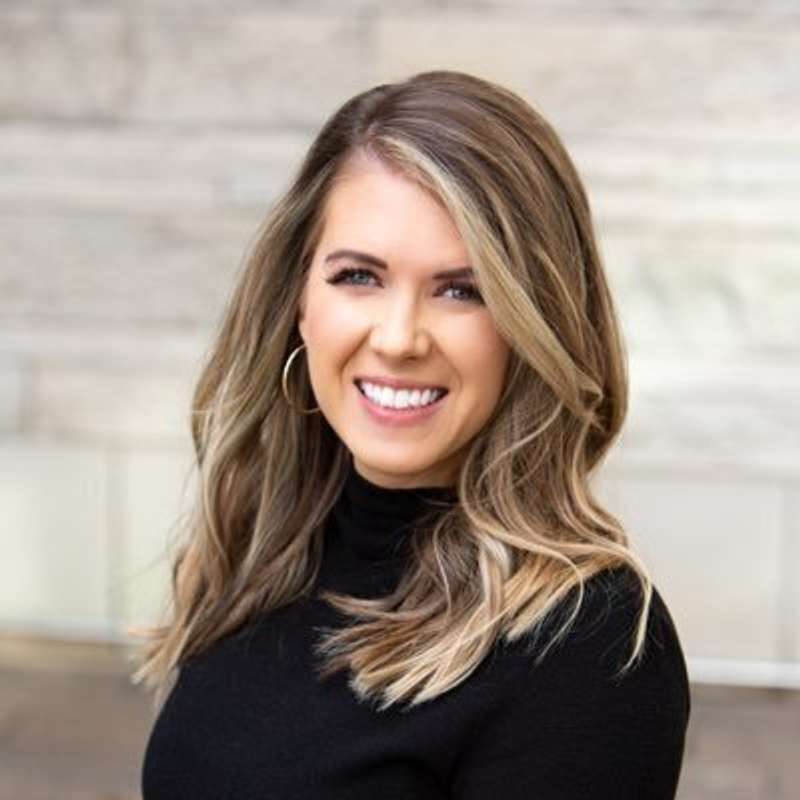 Kate Young
I think my main takeaway was this conversation between audio versus video, or audio and video, however you would like to think of it. It was the main focus, almost every session talked about it. You know, a lot of sessions are still saying you don't need to have video. Then you have people directly from YouTube podcasting, presenting, like, get your podcast on YouTube people. And that's definitely changed in the last, you know, two years since I've been on with you both.
 Neil McPhedran
Welcome to Continuing Studies, a podcast for higher education podcasters to learn and get inspired. I'm Neil McPhedran, founder of Podium Podcast Company. Jennifer-Lee: And I'm Jennifer-Lee, founder of JPod Creations, podcasting is broadcasting. We want you to know you're not alone. In fact, there are many of you higher ed podcasters out there, and we can all learn from each other. That is right Jen. And before we jump into this episode, we want to remind you again about HigherEdPods.com.
As you mentioned, I think on one of our previous episodes, we're up over a thousand higher ed podcasts in there right now. It's really cool. When you go in there, it's super interesting. There's like over a hundred business school podcasts. There's like sixty law faculty podcasts. So it's really turning into an interesting place and directory for all the cool work that's being done in higher education, podcasting. And of course, we're two months away as we record this in early May.
We're two months away from July 12th in Chicago for the first Higher Ed PodCon, which we're gonna be at. And our guest today, Kate Young, is going to be one of our speakers. Jennifer-Lee: Yeah, I'm really excited. We met Kate a long time ago in Dallas. Well, a long time for podcasting world. Jennifer-Lee: Well, a long different podcasting world. Yes. In Dallas, four, it'll be four years ago in August and then back in Denver.
And then we've had her on the podcast as you mentioned, and it's been really neat to just see how she has grown and how she has taken the podcast from like zero to like thousands of listeners. Because you're gotta remember this position that she does, she's the first person to do this position. They hired her specifically to create a podcast for Purdue. She is Purdue alumni as well, so it's a perfect fit, and she had some previous broadcasting experience as well.
So she's been really able to take the podcast, like I said, from zero to where it is now in the thousands. So I think we learn a lot from her every time we chat. I'm excited to get to see if she has any more tips and tricks for us. Yeah, that's right. I'm looking forward to this conversation with Kate. And I can't believe it's two years, we've been going at this for two years, Jen. But yeah, I was excited to get Kate back on. She was one of our original guests.
We had her on back in episode two, and we're gonna chat with her about how things have evolved in the last couple of years with the, This Is Purdue podcast, so let's get into it. Kate, it's so lovely to have you back here on Continuing Studies. I can't believe it's been two years.
Kate YoungIt feels like. You know, yesterday and forever ago at the same time. Thank you for having me back though. Jennifer-Lee: I also feel like Neil and I just saw you in Denver, but I realize that's like two years ago now. Doesn't it feel like it was very recent? It's crazy. Jennifer-Lee: And I love the fact that we were staying in this hotel that was massive. There was like four different wings and Kate and I did not know that we had the same room right beside each other.
We're like walking, we're in the elevator. Then we're walking down the hall and we're both opening our rooms up and we're like, we're right next door to each other. So funny.
¶ Lessons From Podcast Movement Evolutions
Neil McPhedranWell, Kate, we wanted to have you back because two years is a long time and you are still with the, This Is Purdue podcast and so much has changed in the world of podcasting since we last chatted. So we wanted to catch up with you and hear about how things have evolved with the show, your role, how you're using different technologies or not using different technologies now and so on and so forth. So we really wanted to get into that.
But you were, speaking of Podcast Movements, you were at the most recent one. What were a couple of your big takeaways versus two years ago when we were all in Denver together?
Kate YoungYeah, so Podcast Movement Evolutions as the smaller of the two conferences that PM puts on. I definitely missed the, there's definitely more like energy and vibrancy and variety in that bigger one that they have in the summer. This was held in Chicago and I liked the kind of intimate feel, but like I said, I definitely missed that energy. It was just smaller overall. But I think my main takeaway was this conversation between audio versus video.
Or audio and video, however you would like to think of it. It was the main focus, almost every session talked about it. You know, a lot of sessions are still saying you don't need to have video. Then you have people directly from YouTube podcasting, presenting, like, get your podcast on YouTube people. And that's definitely changed in the last, you know, two years since I've been on with you both. So there was a lot of talk of video versus audio and YouTube for sure.
There's also a lot of discussion around seeing like clips on social media and that being the new gateway, instead of like hearing about a podcast from a friend and word of mouth, you're seeing more clips on social. So like Giggly Squad is an example that I'm thinking of with two kind of reality TV stars or former reality TV stars. People will say, I listen to Giggly Squad and then they'll be like, wait, actually I just see their clips on Instagram and TikTok.
So I don't really, you know, I'm listening to a minute of their podcast, but I'm not listening to it on Apple or Spotify. So that was very interesting. And I think, again, it was stated that social media has overtaken that recommendations from friends and family as the most popular way to discover shows.
Neil McPhedranAren't those the same thing? Like, aren't you following I, I guess that's where the algorithm versus your friends and family you're following on social media.
Kate YoungRight? And it's popping up on your For You page. You know, maybe I got into certain podcasts recently from friends who listen and so that might show up on your timeline now even if you don't follow them on Instagram. So that was all very interesting and enlightening. Jennifer-Lee: But I love that you're saying too, people are watching these shorts, but they're not necessarily going over to the longer form content.
So that is like showing that podcasting might be going in a bit of a different direction. And how do you marry the two together? Because people like the idea of the soundbites and the clips. Then it's interesting because I'm going to the London Podcast conference in a few weeks and their whole thing is video. I wonder if they'll talk about that gap there.
Because it's not concerning, but it's like, why are we then going to the whole trouble of doing a full podcast if people are only gonna watch it on TikTok? Right? Absolutely. And I think, you know, they're thinking, oh well if we put ten different one minute clips out, then technically some people are listening to, I don't know, half of our show or a tenth of our show, whatever the case may be.
But it was definitely that, that video and audio coming to a head here and how the popularity has grown, what YouTube has done with, you know, YouTube for podcasting. And it really reiterated for me and, and my role, how glad I was to get Purdue onto YouTube when I did back in 2021. I was like, I did it right. I am so glad I listened to industry experts and did that early on.
¶ Evolving a Video Strategy at Purdue
Neil McPhedranKate, you guys have been doing social media assets, like we talked about that two years ago, you were creating social media assets for every episode already. I think that was one of the things that we really liked when we chatted with you, you had a whole team. So are you then already creating shorts and clips for Spotify and so on and so forth?
Kate YoungYes. I think out of everything with the podcast in the past two years, the video strategy has just completely evolved. You know, we started off on Purdue's main YouTube channel, posting our whole episode. Then as we started to get into the social distribution and having the incredible help of our social team, one of our social team members is essentially like an onsite producer. I look to her as a right hand woman for me.
She is there leading these social efforts, keeping the clips under a minute, knowing that that's what we want for our YouTube shorts and Instagram reels. We're able to add so much extra content and pull these bites from episodes because we actually separated out from the main Purdue channel and started our own, This Is Purdue YouTube channel. And so we're at ten thousand subscribers on there.
We're super proud, super proud of that, and that way we weren't oversaturating the main Purdue channel with just podcast content, right? We have an awesome video team and all this different storytelling that deserves its own space. And then like the podcast deserved its own space, so we're putting, you know, maybe ten YouTube shorts to twelve a month on the channel.
We're kind of thinking ahead and like almost banking content to align with timing and relevancy, which I'll get into with you both too. But you know, we had a episode recently with a Cubs head groundskeeper, so he did our College of Agriculture, he went through that. And then works for the Cubs and literally manages Wrigley Field. And so we have certain snippets from that episode that we did in March, going out in June and July.
Because it's baseball season and like the Cubs are in the news, probably, you know, that's such a beloved sports team. So we are really focusing on that strategy of knowing we have this awesome interview that's really popular and in the Midwest, the Cubs are incredible and knowing we have a lot of alums in the Chicago area focusing on being able to pull really interesting content and then like share it out later.
So yes, our social strategy, our distribution, and our YouTube strategy has really evolved and we're really proud of that as a team.
¶ Full Time Podcasting at Purdue
Neil McPhedranThat's great. Jennifer-Lee: And I just wanna mention Kate, because you are a bit different than the other people that we talked to. This is actually a position at the school. Like you, this is actually your job. Can you tell us a little bit about your role?
Kate YoungYes. So I am the only full-time podcast position. The other people on our team share our responsibilities on other teams, but I am part of Purdue's central marketing and communications team. And recently, you know, kind of think of ourselves as a agency. So we've recently rebranded to Purdue Brand Studio, so I am part of Purdue Brand Studio. Really the goal is having this special storytelling angle told via the podcast. We have an incredible storytelling website.
We have a video team that's putting out videos on our main YouTube channel. But with the consistency and the focusing on some of these relevant and timely topics, the podcast is able to put out episodes every other week and really share that, that, you know, essence of what it means to be a boilermaker, boilermakers in the news. You know, our basketball team does quite well, so that's always a trending topic when it comes to March Madness.
But yeah, so I have team members on the podcast team, but they are not full-time working on the podcast.
¶ Expanding Beyond Alumni: New Audience Strategy
Neil McPhedranThat's smart. I think that's a really clever structure for sure, to sort of use the other team members on your central comms team there and to think about it that way. I really like what you've done here, I'm just looking at the YouTube shadow, how you've separated it out. It's a show. Also, we really talked about it being, this is Purdue being an alumni podcast when we last chatted with you. I don't see alumni any, I don't see alumni anywhere here.
This is obviously for alumni as well, but really this is the official university podcast of Purdue. Which is I think really cool. Did I just misunderstand previously or has that been a purposeful sort of mandate change?
Kate YoungSo, yeah, there's been a bit of a strategy change. You know, we still feature a lot of alumni, like I said, that the Cubs head groundskeeper, who's an alum, but we're also focusing on what are people Googling? For example, AI. Everyone's talking about AI. People are scared of AI, right? Some people love it. Some people are using it when maybe they shouldn't be, right? But we had a professor who's using AI to help make decisions at food banks throughout Indiana.
So, when people are Googling AI, we're hoping that our episode comes up. And if you don't know anything about Purdue, or you don't really care about a Purdue professor, I wanna see how AI is used for good. What is this guy doing that, you know, is helping feed people in, in Indiana? That's like a crazy cool story. So we're really leaning into appealing to an outside audience from, from just those people who know about Purdue and its brand and its relevancy in Indiana.
We want anyone to hear an episode and think it's interesting, you know, think it's cool and they don't maybe know anything about Purdue. So that, that's kind of been a strategy shift. And also really, again, leaning into that timing. So one of our professors was on Jeopardy. She had quite a run. She was a Jeopardy super champion, Adriana Harmeyer. And so usually we kind of have content banked, like, I'm sure you all do. Like you kind of have to have your content calendar.
This was an exception where like, we gotta fit Adriana into our content calendar because everyone's talking about her. She was, you know, on Jeopardy everyone's excited about, on social media. So we did an episode with her and kind of, I don't wanna say broke the rules, but we had a really quick turn with that one because it was so relevant in, in the news. So we really capitalized off people Googling her or Googling Jeopardy, and that was a really fun episode.
We did one around the holidays with one of our, he, he's not an alum, so that's to your point too, Neil, but he's been at Purdue for 25 years and he works in our president's house, and so he does all of the events. He knows everyone on campus. He teaches an etiquette course to students. And so we released that around the holidays because when are you going to parties? And when are you making all this small talk? It's, you know, Thanksgiving, Christmas, and New Year's.
So that one was super popular and the timing just hit perfectly. And again, saving content from that November episode to drip out New Year's. Like what are good small talk tips at parties. And you know, people Google that stuff and they find our show. So we've had a lot of fun figuring out the SEO strategy and like what people are interested in. Jennifer-Lee: I love it because you're taking the steps to really like dig into how to grow your show, and that's what a lot of people think.
Obviously you had a base for a long time, but you're thinking about timing and that's something that I've been working with someone recently. It's like you wanna always make sure that your episodes are going around certain times if they relate to it. So, the fact that you were like, oh, etiquette Christmas, like sports season, people don't think about that. And you're also opening up the podcast out to a wider audience.
¶ Leveraging SEO from Planning to Publishing
Neil McPhedranI commend you for spinning off as a separate YouTube channel. I think it's a good idea and it gives you the opportunity to, as you sort of were explaining, to put a different lens on what you're doing. You're not just creating a podcast episode, and then with that podcast episode, you're gonna create some assets out of it. You're creating content for a show overall, and you're thinking about, well, the show is gonna have a long form audio version.
It's gonna have a long form video version, and it's gonna have a bunch of shorts. You know, some of those other examples you gave are gonna have separate more straight up YouTube videos so it's probably really opened up the aperture of sort of how you think about content creation versus just, I'm creating a podcast.
Kate YoungYeah, exactly. And our team and our distribution evolution and all of the thought that goes into it has been really refined. Another great point is before the episode happens and is recorded, the prep that goes into it is very robust. We're looking into SEO. We're looking what people are Googling. We had a really successful football player, he plays for the Kansas City Chiefs. He was going up for his third consecutive Super Bowl win.
Obviously that didn't happen, but we were honored to have him on the show. George Karlaftis and some of our writers were like, Hey, people are wondering like, what does a defensive end do? And like, I don't know, I'm not a huge sports girly, so we ask that and then sure enough, when you Google, what does a defensive end do? George's short, it's like on the main page in Google.
So just kind of thinking through how in that prep work we can attract like that SEO attention and that again, random people who might not have ties to Purdue, to come across our show, I think the prep is key in all of that. And we're organizing that ahead of the interview so that I know later like, Hey, here's what we're clipping.
We had an interview yesterday and the woman was talking about Purdue basketball, and I'm like, I already know I'm pulling that clip and it's gonna be like, what's special about Purdue basketball? And it's her saying, you know, coach Matt Painter's, the culture and the fit. And like, if it's not a fit, it's just simply not a fit, like, and it's gonna do well. So now I've kind of trained my own brain to be in an interview and know when I'm gonna clip something, which helps on the backend.
¶ Shorts, Reels, and Spotify Clips
Neil McPhedranYeah. Are you using the shorts you're creating, are you putting them up into Spotify for clips as well?
Kate YoungNo. So that's something we've been talking about for a couple years now. We have our full video interview posted on YouTube. And then as, I mean, not everyone listening to this know that construct our audio only version differently. I kind of give more context, more background. You know, we have our ending credits shouting out our team, all that post-production magic, the music.
And so I have been putting that as our audio version on Apple and Spotify, because at the end of the day, I do think there's a certain magic to This Is Purdue because of that scripting. And so I should play around with putting the shorter clips on there. But right now I do like having that audio version better than having that full video interview of the guest and myself.
Neil McPhedranYou can still put those clips up. You can use your shorts, so basically the Spotify version of a reel or a short is a clip, and so you can actually add those to your audio episodes. So like you go into your Spotify For Creators and you hit the little button there and you just add the little clip in. So outside of whether or not you're gonna use the full video version, those clips.
And then Spotify is starting to, if you're in the Spotify app, there's a bar of what looks like those vertical videos. If you hit one of those, it goes full screen and you're in a scrolling mode, like you're in reels.
Kate YoungReally?
Neil McPhedranSo they're really pushing that. And what you can do is you can attach the, so the clip is attached to the episode, so then the Spotify algorithm knows that as well. So just like someone's gonna find a short while they're doing shorts on YouTube and one of the, This Is Purdue shorts might pop up and so Spotify's really trying to do the same thing. So you're already producing them. It's the same vertical, it's 90 seconds limit.
Literally you can pop one in, in for every single one of your a audio episodes, so.
Kate YoungWell, I will take this away and run with that. Because again, and for everyone listening out there, like, you know, we're using the same reel on YouTube and then on LinkedIn. We're playing around with vertical videos on Facebook you can post them. Like just, I know there's so much work that goes into the post-production, but if you have that clip made, like put it everywhere you can. So thank you Neil.
Neil McPhedranYeah. Because the, what YouTube calls a short is a reel on Instagram. It's a reel on Facebook feed video is what they call it on LinkedIn. And it's a clip on Spotify. And to your point, you can use, if you're creating them, you can use them in all those places. The difference with YouTube and Spotify is you actually can associate. The short or the clip with the specific episode.
So then the YouTube and the Spotify algorithm is knowing that those are associated because that shorts audience is different from,
Kate YoungThe long form.
Neil McPhedranYeah. So you're getting this different audience that's gonna be seeing those, and the algorithm's gonna be feeding them to them as you're talking about SEO and opportunities there too. So,
Kate YoungIncredible. So yeah, thank you for that tip.
¶ Why the Podcast Has Both Audio and Video Feeds
Neil McPhedranOn the audio versus video in the This Is Purdue YouTube, under the podcast, you actually have two feeds. You've got the audio one and the video one.
Kate YoungSo the thought there is originally I'm like, I'm creating this episode, I'm doing all this work, scripting it. Why not again, with the repurposing, why not put that onto YouTube? And that is for people who are like working on their computer, but have the YouTube, you know, pulled up in a tab and can just listen if they prefer that route.
And then of course, we have this wonderful video team that produces this final video interview, that's very much the question and answer kind of show, if you will. If you wanna see our new studio, if you wanna see the guest, obviously some of the more popular boiler maker guests that are, you know, the, for example, sports coaches, et cetera, people love watching the video.
So we have that, and then our YouTube shorts, and then we also do 60 second trailers that show the top highlights, you know, clips from the guests that are hopefully going to make you wanna listen to the whole thing.
Neil McPhedranYeah. I like it. It's two different things and you're right. I mean, we always forget, or I always gotta remind myself, there's two YouTube apps actually, right? There's the main YouTube app, and then there's YouTube music. And YouTube music has billions of people using it, and people use YouTube music for podcasts and music mostly. Yes, they watch video there, but predominantly that's the use case is for headphones in pocket with phone and you're listening to it.
So that is clever what you guys have done. I like the idea. I'm gonna, I'm gonna steal that.
Kate YoungPlease be my guest. But yeah, it's funny because a lot of people that I see out and about on campus or in the community will be like, I watched your podcast. I watch it. And I'm like, interesting, okay. And I'm like, oh, where are you accessing it? And they'll say, YouTube. But I get called out more by people, we'll say it's like an older audience actually, will, say I watch your show and I'm like, oh, like, have you checked out the audio?
You know, do you access things on Apple Podcast or Spotify? 'Cause you can listen to it while you're in the car running errands or doing laundry. But I do have, whenever people approach me, that is always kind of the consistent theme that they're accessing on YouTube, so.
Neil McPhedranThat's great. Jennifer-Lee: And your content is so good because you put a lot of effort into it, Kate, and I think that's something that people forget when it comes to podcasting is make your content good, specifically if you're using it for a brand like Purdue. Because this is stuff that they can go back in years and still cut up and use.
Kate YoungEvergreen.
¶ Using AI for Content Calendar and Brainstorming
Yep. Jennifer-Lee: Evergreen content. And you use it for marketing purposes, so, it's so important. When it comes to AI though, I know we mentioned a little bit, are you guys starting to implement it a little bit more in your process? So I think the main place that we, the main part of the process that we're using AI is that research and prep work. Our writers are brilliant. They don't need to use AI, but kind of digging into, you know, what has this guest done?
It's really good for maybe spitting out a couple links where the guests that we're about to interview were on other podcasts, so I can listen and get more context there. We're really blessed and lucky because we have a robust video team that does the editing, so we haven't played around with anything as far as AI and editing. But it's really good for some of our concepting or building out strategy or our content calendar. I was using AI the other day as we map out our fall content.
What are big events in the fall? And it was like Halloween. I'm like, oh duh. That's great. Can we tell ghost stories about Purdue for Halloween. Jennifer-Lee: Is Purdue haunted is what I wanna know.
Neil McPhedranThere's an episode.
Kate YoungExactly. So you know, there was like October Fest and there's a Purdue branded beer. I'm like, is that an episode that we can sell? Jennifer-Lee: Yeah. How do you make a Purdue branded beer? I wanna know. So that's another example of how I've used AI.
Neil McPhedranSo you're using AI more as part of your brainstorming and research and prep and sort of like even organization of your content calendar and not so much for editing and writing and show notes and stuff like that.
Kate YoungYeah, and I think that's great that people do that. We have a robust team and I'm really lucky for that. So we haven't, but I think if you have a lean team or you're a single creator, absolutely use AI to shorten things up. I've used it before. I'm always like very, I use probably way too many words to describe what I mean, and so for that case, I think it's great too.
¶ What to Expect at Higher Ed PodCon
Jennifer-Lee: AI is great. That's good. Just learn to use it properly. Curiosity though, you're gonna be part of our Higher Ed PodCon. And you're talking, yes. Can you tell us a little bit about what you're gonna be talking about? Because I actually don't know, but tell me more and everyone else. Yes. Super excited. It's been a goal of mine for a long time to speak at a conference on a bigger level, a bigger platform. So I'm really excited to be speaking at Higher Ed Pod Con.
My social media producer, who I mentioned earlier, she is going to be joining me because again, I look to her as this onsite producer. She has everything set up and tailored to specific social clips with her expertise as a social media strategist for us. So our session is called Podcasting, Social Media, and Video, Oh My. Jennifer-Lee: Love it.
Neil McPhedranThat's good.
Kate YoungI did not use AI. I have to take credit. Jennifer-Lee: Oh, that was you. Yeah. Yeah, that was me. I did use it a little bit to help condense the, Jennifer-Lee: It's a helper. So we're gonna go behind the scenes on some of the stuff we talked about today. But like, you know, how the team works, the process. Again, even if you don't have a ton of budget or a huge team.
Practical things that you can take from it, like industry tools that we use that are like $30 a month, you don't need a big budget for. Storyboarding, and like I touched on all of that prep when it comes to SEO and getting that done before the actual interview happens to help better set you up for success in the post-production. So lots of social media reels. We'll share a couple examples of our most popular videos that we've produced and yeah, super excited to meet people and be there.
Neil McPhedranYeah, I think first and foremost, that's really what the genesis and sort of the reason behind it is to build some community and for the higher ed podcasting world to be able to share because it's different. The reason for being is different than a monetized podcast. There's a very different reason for This Is Purdue and what you're trying to achieve and your goals are.
So I think that it'd be nice, I'm looking forward to getting sort of a, a larger cohort of those people together and to create some community. But I love, basically what you're saying is you're gonna talk about the importance of prep, and we didn't really get into the nitty gritty, but you're gonna go into more of the nitty gritty. We talked about, you know, how you're using clips and we talked about your YouTube channel and your strategy there.
But you're gonna talk a little bit more about behind the scenes, like making this happen. I love it. I love it.
Kate YoungAnd the different processes of, you know, now we incorporate a brainstorming meeting. ahead of time to get our ducks in a row and to sit on a call and all think about again, what are people searching for, why is this relevant? So we'll get into that. Inexpensive tools. Just stuff that you can really, you know, take and run with no matter the size of your team.
¶ LinkedIn Strategy Tip
Neil McPhedranLove it. Well, this has been a really good conversation. I've got one sort of thing I wanna drop in here though, is I love what you guys have done with the YouTube and you've created a, This Is Purdue YouTube channel. I think the next thing you should explore is creating a LinkedIn page for This Is Purdue as well. So then people can follow, in the same vein of having it separate, you can then populate your LinkedIn, the presence all around, This Is Purdue, the header and everything.
And then it's an actual entity in LinkedIn, just like it's an actual entity in YouTube. And I think for university, I don't, you know, not every brand should do this or every product should do this on, um, LinkedIn, but for universities it's, it's huge because we all put, I think almost all college university grads have a LinkedIn presence and they put where they're from, from a school perspective. And so I think this is a really good thing to do.
So that's your next thing that, I looked it up, I didn't see it, so that's why.
Kate YoungNope, we do not have that. Thank you, Neil.
Neil McPhedranAnd you've seen the success with YouTube, so,
Kate YoungYeah.
Neil McPhedranYou've got a case study and just sort of for everyone out there, you actually don't need to create a separate one. It's a subset of the Purdue presence, but from a LinkedIn user, you don't know that there's this tiered structure behind the scenes. So you don't actually have to create a whole new account and a whole bunch of new admins. Everyone that's already part of the Purdue LinkedIn team can control who has access to this. But it's created out of it.
So you're not creating a whole new thing for your social media team. 'Cause I know, you know, universities can be difficult with who controls these things or whatever. So that's a nice thing about LinkedIn. It's called the spotlight. But from the outside as a LinkedIn user, it just is like a regular page, like a regular business page kind of a thing too.
Kate YoungLove it. Smart tip. All right. Beware social team. I'm coming at you with.
Neil McPhedranYeah. I love it. Well, Kate, amazing. It's been so good to catch up with you. I love that every time I talk to you, I learn something as well. I'm going to steal your idea of the separate podcast feeds in YouTube, the audio and the video one. It's a good one.
Kate YoungI love it. What is that saying about copying? It's flattery? Imitation is the sincerest form of.
Neil McPhedranYeah. I think that's it. Nice.
Kate YoungYou can copy me anytime. Jennifer-Lee: And we're excited to see you in Chicago. Yeah.
Neil McPhedranGreat. Thanks.
Kate YoungThank you.
¶ Conclusion
Neil McPhedranWell, that was awesome, Jen. We learned a ton from Kate. I really enjoyed that. I think there was some really interesting things that came out of there. One is, to me, I think sort of one of the big ones that struck me was how the perspective of This Is Purdue, the podcast, when we originally chatted with Kate, it was really squarely an alumni podcast.
And as we discussed with her, it's not that it's not an alumni podcast anymore, they've just really opened up that aperture though, and they're just looking at it as the main show for Purdue. So, obviously alumni are very interested in it, but it hits a wider swath of an audience from students, prospective students, parents of prospective students, faculty, and just a wider community that is interested in all of the amazing stuff that happens at Purdue.
Jennifer-Lee: And I think the thing is too, like it's something that she does and her team does so well that everyone talks about, but not everyone does it well, is using a lot of short clips to drive traffic to the podcast. And the fact that she does reels and YouTube shorts and things like that. Long form content's great. Podcasts are great, but really using those clips give you ways to drive more traffic.
But not only that, use more content and that's what you wanna do if you're to go to all this trouble of putting together a podcast, you wanna be able to utilize your content as much as you can. Yeah, and it's not just about having a podcast, and then we're gonna spin off some content from that podcast. But really, sort of, as I was saying, it's a show. It's their overarching show, which they call it, and it is about all of the content.
And that case in point is what they've done with their YouTube channel, where they've spun it out from, This Is Purdue being the podcast in the Purdue YouTube channel, and now This Is Purdue is its own YouTube channel, and it gives them the elbow room to fill it with content, the clips and other behind the scenes video and so on and so forth. And it gives you this opportunity to really open it up and to look at it as a bigger content play for the university.
And I really like how they've got this video and audio strategy they've been doing now for a few years. The audio is more high production. It's a little bit more scripted. But they've created two separate podcasts in YouTube so you can listen to the audio if you're tuning in on YouTube music app, the video is there too. And I think that was a really good idea that I'm gonna steal.
Jennifer-Lee: Yeah, I know you could, uh, picked more from Kate because I just felt like there was so much, and even when you guys were talking about Spotify and everything, it got me thinking about all the things we can do. But that's for another time, and you should be going to Kate's talk. She's gonna mention a lot of those things in her talk at Higher Ed PodCon, so, until next time. Thank you for tuning into the continued Studies podcast, a podcast for higher education podcasters.
We hope you found this episode informative and inspiring. If you enjoyed the show, we encourage you to follow, subscribe to our podcast on your preferred platform so you'll never miss an episode. But if you found this episode particularly valuable, please consider sharing it with your friends and colleagues who also might be interested in higher education podcasts.
We also invite you to join your peers on HigherEdPods.com, where you can connect with other podcasters in higher education and learn from others in the field. Thank you for being part of our community. We look forward to continuing to bring you valuable insights and conversations around higher education podcasts. See you in the next episode.