



Well, good morning. I'm so excited to be here today. I'm Stacy Nation. I'm a licensed clinical social worker. I am embarking on a series of interviews with humans that I know who are just amazing, and I'm doing some chitty chats with people in the trenches. And I'm so excited for my guest today. Her name is Amy Cota and I have known her for a very long period of time, it feels like. And so, uh, I'm gonna just let her introduce all the greatness about her.
And so welcome Amy. Thanks for being on my show today. I appreciate it. Thank
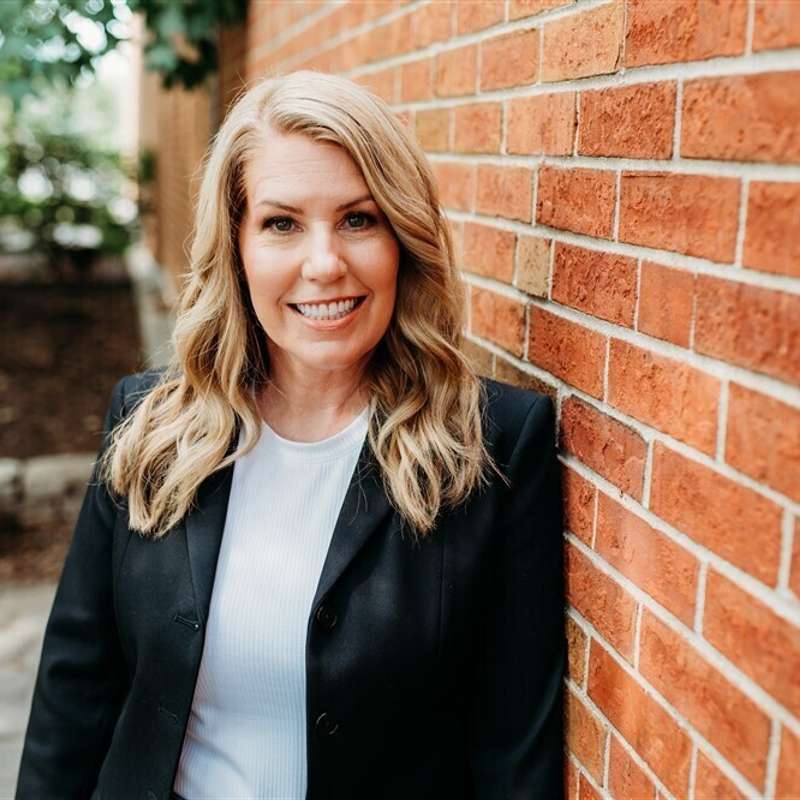 Amy Kotha
you so much, Stacy. I love seeing you and talking with you, so thanks for having me. Yeah. I
am excited to just get into who you are and what you do and um, you and I have known each other, I would say almost a
Amy Kothadecade probably. I. Wow. Yeah, definitely. I know when I think back to how, how long my journey has been going, like it doesn't feel that long, but then put a number to it. Yeah. Wow.
Yeah, so Amy is one of the amazing adopted parents that I have in my life, and when I moved to Colorado, I landed in this journey of working with parents who have all sorts of adopted children. And you, or one of my. First clients in Colorado and I have just fallen in love with your whole family and I appreciate that honor and privilege. So tell me about you. I know a lot about you, but tell me, tell my audience about you and what you want them to know.
Amy KothaOkay. Wow. So I am a life and parent coach now, and, um, my journey to this new career has come from my journey through parenthood with my two kiddos. So I have. Two adopted daughters who, um, we were, we adopted from Calcutta, India. And, uh, both of them have, they're both neurodivergent and they both have some kind of special, complex physical needs as well. But, um, you know, they're awesome lives of my life and Absolutely, absolutely. And it has been such a journey though. And, um.
How I've gotten to where I am. So through theirs, they've had some struggles, of course, you know, and that's how we met you because. They've had some traumas from the adoption and the orphanage and you know, just all of the early childhood experiences that they had.
And through my journey of parenting them, um, you know, we work in this western society with western medicine and there's this concept, right, of, um, everything should be comfortable and there shouldn't be suffering, and what can we do to alleviate it? And when it starts happening with your kiddos, it is terrifying.
And when my kiddos started to struggle, I was terrified because I had absolutely no background in mental health and I. Just had no idea what was going on, and things started happening to me. I started becoming very anxious and they were struggling and the doctors that I would take them to would just put them on medication after medication and.
That is actually how my journey took me into coaching and how my career has progressed, because about, gosh, six or seven years ago, I just couldn't take it anymore. You know? I just kept hearing how complex my kids were and nothing was helping them, and I just decided that I. Well, part of my issue is probably I was a little too enmeshed with my parenting, but I decided I was gonna do more. There's always more, right?
Yeah. Um, so I went to grad school and decided I was going to study nutrition and try to help my kiddos from more of a holistic. Full body way instead of looking for someone to come in and give them a pill or a strategy because those things weren't working. And so went to grad school and while I was there, um, I. I found myself being pulled more and more towards the psychology and the behavioral aspects.
I was finding myself doing all of my research papers on, uh, you know, nutrition and the brain and talking about brain chemicals and the gut brain connection and all of that, and it just kept pushing me more and more towards the psychology piece. I just found it so interesting and ended up shifting completely from that into. Coaching because coaching is all about human behavior and helping to support people making changes.
And, um, what I found when I, I took a coaching program and, uh, became board certified through the M-B-H-W-C, which is this national board of, uh, health and wellness coaching. And I got to the point where I started using the coaching with my kids.
And it was incredible because I found all of a sudden that just changing things like, uh, my communication and my mindset about what was happening in my family, suddenly things started to change and they changed way more than any medication, for instance, ever did in my family. So. Um, that just kind of propelled me along my health coaching, uh, career and changed, morphed into parent coaching. And now my client base is parents who basically are kind of on a journey that was like mine.
They have kiddos who, um, are often neuro divergent and they're struggling with either mental health or nervous system challenges. And they need help. They need help not just with their parenting, but, um. With themselves. You know, we, we lose ourselves and we get so stressed and so caught up and it just takes over, uh, our entire lives when our kiddo is suffering. And those are the people, uh, that I work with now to help out.
I love this because there's such an arc to your story, right? And so what I often talk to parents about, well first of all, adoptive parents are some of my favorite humans on the planet. Because you are choosing this journey in a way that some parents don't choose it, right? And you are also in this, like, I chose this and my kid's not well. And I'm committed to figuring out wellness and you are addressing so many components.
Well, first of all, our mental health system is really hard and there's lots of barriers, right? So hard and the medical practice model is very much. We have an identified patient, there's something wrong with that patient. We're gonna do everything we can to fix the patient.
Amy KothaExactly. It's all about fixing.
Yeah. And it just doesn't work in adoptive, especially in adoptive families. Right. It doesn't work because you're very much like it's a systems sort of
Amy Kothaissue. Exactly. And
everyone in the system has to adjust and you are adjusting to these wonderful creatures. Were born into really tragic situations or very hard, difficult circumstances, orphanages, trauma, all that kind of stuff. And their whole wiring system is complex and complicated and usually totally different than what yours may have been or your husband's may have been, or, oh, exactly. It's such a learning process, right. It
Amy Kothais because you figure out, well, you have, you start thinking back to how was I brought up? And you know, that's, that's how we parent. We just expect to parent in the way that we were parented and you know, it's, it's not really even conscious, right? It's subconscious. And we start doing that with these kiddos who, their brains are very different than ours. And they were molded so differently and it just doesn't work.
Yeah. There's a couple questions I wanna ask you because I think it's really important part of your story. One of the reasons I adore you and your family is because you are massive information seeker, right? And I wanna know what it's like to be a parent who has more knowledge than the doctors that are treating your children. About what's happening with your children. I think that's a really common experience for parents. Mm-Hmm. And I just am cur, I have some guesses, but I wanna hear what your
Amy Kothaanswer to that. Well, that's interesting because I, I was talking to a client about that the other day because we feel like, um, I think when we start this journey, we have a perception of the doctors, the health professionals that we're working with, that they're kind of a knight and shining armor for us, or that's what we want. Right. I mean, that would be great, right? Yeah. That would be, I would love for somebody to, to do that.
Um, but then we find out through our journey, like we, we are our own knight in shining armor. So when we, you know, we start out thinking they have all the answers and then we find out they don't. And then, you know, I talk about it like, you kinda have to get to this point where, uh, you have to accept that, which is very difficult. You have that. Piece of expectations versus acceptance is just at the base of so much of what we struggle with.
And I think about it like building a house like we are the, we're the primary contractor of a house build and whether we like it or not. We are in charge and all of these people are like coming in and building parts of the house, and we have to put it all together to make it a structure. And that's like life, right?
But you know, every, you have to understand that everybody has their own perspective and their own specialty, and we have to pull from that, what we need and what we can use and leave the rest. And that is just, it's such a learning to get to that point. It's pretty
wild. So I've been in this field for a very long time and people will say, Cece, you're an expert. And I always say, I am not an expert of your kid. You as a parent are the expert of your kid. I am along the path with you to add information to help guide on the journey to give you some additional insight. Yeah, you are the expert. And I don't think the medical model is really built for parents to be the expert of their children. Right now.
So I would imagine that, that, I'm gonna ask you a lot of these questions, Amy, and then we're gonna talk about like what you do at the end. Sure. But I wanna know in this journey, I mean, what was this, what has this been like for your, your marriage, your family? How much stress of navigating all these components, of getting your children help has it put on you as an individual and you and your husband?
Amy KothaOh, that's, that's so huge. I, over the last 10 years and. It is astounding how much our lives have changed and you know, what we've morphed in and out of. I mean, we started out when I met you in Colorado. Yep. And we lived in one town and we actually moved, uh, within Colorado to get closer to services and schools for our kiddos. And it didn't work, or, you know, it wasn't a, a great fit.
Yep. Um, and then one of our kiddos struggled more and ended up, uh, going to a residential treatment center in Montana. So we actually to try to help with that transition back into our family, we moved to Montana and again, more, more changes. And now we are living outside of Chicago in a suburb. So we've moved now like three major moves in order to. Get our family to the place where we have the most support. And these have all been very intentional moves.
Um, and now we're at a place where, you know, we have family nearby and the school system is. Fabulous. And it's a tremendous fit, but it took us a while to get here. So it's like I just, I look at life like a science experiment, and some things work and some things don't. And I don't call them failures, even though they're kind of failures sometimes. But it's more of just a learning, this worked, this didn't work, what didn't work? And what's the next best thing? What can we try next?
And so I feel like we've kind of been doing that over the last decade. And then at the same time, you know, that has, like, that has ripple effects through our family and with my marriage and. My husband and I are two different personality types, two very different people, and we deal with what is going on in our family in very different ways.
Um, and you know, he, I know he wouldn't mind me telling you, but he has had a huge struggle dealing with what's going on, not being able to fix your child. Right? Sure. 'cause you're always sure, you know, why can't you do it? And you get, all of, you hear these things externally all the time from other people from. Friends and family members, you know, what's, why doesn't your child do that? Why can't you do that? You know, and it's always a reflection of your parenting.
And that was very hard for him. And there was a time where we actually, uh, did not live in the same house for a while because. That's just where our family took us and that's what our family dynamics needed in order to become healthy again. Yeah. And interestingly, you know, you start feeling isolated, like you're the only person who's going through all this. But I have talked to so many people and all of these happen to all of us a lot, but nobody really talks about it.
Well, and that's why I'm asking the question, right? So I always say people are the best parents before they become parents. Right. You say, I would never let my child do this or this. I would never do that. And, and then I also say like, no one knows what happens in a marriage except for the two people in that marriage. Yep. And all of this is so normal, and I appreciate you just being vulnerable and talking about it.
Yeah. And, and I know your husband, I know he's been on his own journey in all of this. Right. And this happens with both biological children and adopted children happens. Oh, sure. Kids who don't have diagnoses and kids who do have diagnoses, all the things. And
Amy Kothaso, right. I just think that
it's, so when you're on a journey of health and wellness for your kid and it doesn't, and your kid doesn't fit in the box of how we're supposed to fix kids, it takes a tremendous amount of stress. To, and it, it puts a, a tremendous amount of stress on a family unit.
Amy KothaOh, so much. One of the things I love about you
and your family is the, the dig inness of like not giving up, of seeking more. And my therapist tells me, Stacy, you're always collecting data. And so when I hear you say it feel it's not a failure, I'm like, yeah, you're just collecting data that didn't work. What's our next option? That didn't work that right? Like, I love that.
Amy KothaYeah, and it just, uh, it just literally hurts my heart when I hear people, when I hear parents who, you know, I've been there who are in complete despair and they feel like they feel this horrible guilt and shame of what, about what is happening in their families and or with their child or whatever, and. That just, uh, that's the people that I love to help because it doesn't need to be like that.
Yes. And I think the more we talk about it, the more we normalize it. Yeah. I tell people all the time, I can talk parenting. Eight hours a day, seven days a week. I can tell, I can give you all sorts of advice, but if you ask me how I'm handling my teenagers, some days I'm not doing very well. Yeah. Right. Like I know why I'm not doing very well and I, the things that come outta my mouth are never what I would tell my families to do. Right. Oh, exactly. It's the human experience.
So I have, I have one more question about your situation that I think is really important to kind of talk about. Sure. I wanna know how having a biracial family has been on your journey, because I also think this is a topic not very many people are chatting it up about,
Amy Kothalike you have, you have a complex
racial dynamic and we don't talk about that. Yeah. Very often. So I'm curious what your thoughts are on that.
Amy KothaYeah. That's funny. I don't think about it very often until something like smacks me in the face. Yeah. Um, but, but yeah, both of my children are, uh, Indian and my husband is as well. So, you know, we had our two blended families even before we had kids, which was a trick all to itself. And then, you know, we have brought the kids in and.
Um, yeah, that's been interesting because I try really hard to keep that in mind and give my kids, you know, try to make sure, um, you know, that they're in touch with who they are and to help them, you know, with their search for their identity. Especially now they're both teenagers and I know that that's just a big piece. Yeah. And I, it's, it's hard to be intentional about it, but it's another thing to be intentional about because I've learned so much about, um.
Privilege and my eyes have been unbelievably opened over the years, seeing how people treat us as a family, how people treat my family members differently. And I have to always keep in mind, you know, this, I have a lot of privilege that they don't. Yeah. And one of the reasons that we moved to where we are right now is for the diversity aspect. Yep. And it's amazing what.
It creates, because I think, as you know, I've always tried to give that to our kids, but you know, sometimes you, you just can't give them everything yourself. Right. That's that enmeshed parenting issue. Sure. Um, but you want to, uh, but we are now, like, I remember we walked into the school that the kids are going to now, and it's a public high school. It's one of the top 20 in the country. It's fantastic. There are 5,000 students at this school. My kids were in Montana before this, and.
Like eighth grades or whatever. Yeah. Huge culture shock. I was terrified about how they would feel. But we walked in for the tour and we were standing there and it was class change and all of a sudden there's this like, oh, these kids are walking around us. And uh, my older daughter was standing there and she's just looking around white eye and she said, oh my gosh, mom. Look at all of these. There's so many people here who look like me. Yeah. And you know, then I was like, okay, here we are.
That is, that is something I could never give her that she found, and that was just huge for me. So, I don't know. It's, that's. That's been a journey that's, that's been cool. Yeah. I
appreciate you just talking about that. I think I have multiple families I work with who have moved for that diversity component, and one of the things we often talk about is the importance of that felt safety, the importance Exactly. Of feeling safe. Right? And yeah, when she's seeing people of diversity, people of color, people who look like her, all of a sudden that safety is just built in in a way that. We can't provide. And I think there's, so, it's so important to just mention that.
Amy KothaTalk about, I think it's too, because you could, I could just see it. I mean that's, that, that is the perfect word. Because her whole body changed. Like it wasn't an, it was not an intellectual thought. It was a body feeling. And that's just an amazing thing to see. Yeah.
And what's interesting about that is you as a parent, have spent. Decade plus some. Yeah. Trying to figure out how do I help my child feel that felt safety? How do I help my child feel connected, feel safe, and all of a sudden you're like, oh, we're in a place of diversity which terrified you and help that it's this, help them feel safe, which is this like interesting dynamic that we don't often think about. Right.
And. The medical model is not gonna say, Hey mom, she needs some more people of color around her. She needs some more. Right. Like, it's a very interesting journey. Yeah.
Amy KothaIt's like you have to step back and look at this big full holistic picture of all like, you know, the environment and all these other things and they, they play into it. Yeah. To such a degree that, you know, just, just to think back of where I was like, I guess 15 years ago now it's. It is a 180.
It's a wild ride. So let's just chat about, let's chat about what you're doing. What kind of services are you offering? Who are you, who's your ideal person you wanna serve and help and support? Uh, you have so many gifts, Amy, so I imagine this. This could be like this whole range. Well, I'm
Amy Kothabiased. I I know, I know. I, I feel the same about you everywhere I go. Um, no. I work with, so I, I do parent coaching and my. You know, my ideal client is, uh, a parent, such a who's on a journey like we are, basically. Yeah. And I work with parents of children who, uh, you know, are neurodivergent. They might be on the autism spectrum or whatever. And, um, often, uh, sometimes adoptive families and.
Uh, their kids are struggling, so usually by the time they connect with me and I think, uh, what, you know, they, they hear me talk or they read my bio on my website and they say, oh my gosh. I've been looking like, I didn't know I was looking for you, but your story sounds so familiar. Yeah. Which is awesome because, you know, that's, those are the people that, that I wanna help.
And, um, yeah, so their kids usually by the time we work together, are normally teenagers and they've been on this journey for a while and they're dealing with things like, you know, the parents are feeling. Physically ill because they've been so entrenched in this and working so hard and giving so much without caring for themselves and you know, their kids are struggling. Maybe they're in a residential treatment center or they're considering it, you know, something like that.
So these are kids with some big struggles and parents who, um, you know, just need some support along the way. Yeah.
Well, do they have to be adopted parents? Can they be bio parents too?
Amy KothaOh, absolutely. Absolutely. Love it.
Uh, what about, what kind of like, what are you offering? So your, you know who your ideal client is. Are you doing some consultation and some coaching around shift this dynamic? Do this, look at that. What are, what is a, what is a session or a time with Amy look like?
Amy KothaOh, sure. Yeah. So I offer like three different things. So either one-on-one. Programs where, you know, I work individually with someone to get a lot of attention and weekly coaching, plus some support in between. Sure. And then I do some small groups where you can get kinda that community dynamic. And then I also do just some strategy sessions. You know, just like a one hour, let's talk about this issue you're having right now.
Um, but the kind of the, the base, um, framework that I use, I've come up with a methodology that I call the safe. Methodology, it's, um, for it's parent education and coaching. And so Safe is an acronym and it stands for, uh, shift, accept, free and Empower. So with each one of those modules are pieces that, uh, are going to guide our coaching and help educate them. And especially in my groups, we use this. So it's like shifting from this traditional, um.
Parenting model of control and, you know, certain communication styles, learning about the nervous system, learning how to communicate in a different way, and then just kind of going through, working on mindset and mindfulness and uh, kind of working through boundaries and those kind of things, um, in each module all along the way. And take parents from this. Place of like fear-based parenting, which is where they normally are when I meet them.
Yeah. To the other side of a little over side of the bridge where they're feeling much more confidence and they're finding peace in their life, and then they can take these tools that I've given them and move forward with them in order to like keep building on that in the future. Love it.
One of the things that you've mentioned that has been become a huge part of my practice and my discussions with family is this piece around nutrition. Yeah. And the gut situation, right? The gut and nervous system connection, gut and brain stuff. And so I just want you to share maybe one example of a win that you've had when it comes to parents shifting nutrition and what does that look like for their kid and how nutrition can also impact behavior.
Amy KothaThat's, that is always a tough one. And in my situation, I've had to be more of, uh, what I've had to do is teach my kids more of intuitive eating and how to listen to their bodies in order to eat the right foods and. Uh, you know, what is good for them and what works well for their brain and their bodies.
And interestingly, working with my kids on that, and this has been a big piece for us because when I started health coaching, I was in it more for the, you know, it's, it's very centered on losing weight Sure. And that type of thing. And when you're doing restriction, you are not listening to your body. And my kids heard me, you know, talk about those kind of things and I. I had to fix that. Yeah. Um, in myself over time, and both of my kids, they struggle with food and they always have.
And now it's more like, um, you know, let's, let's eat and let's have a variety of foods and try it and see how it feels in your body, and then let's talk about it. And. Believe it or not, it really, it really works. I have one kid who is a foodie and I have another kid who only basically likes to eat soft white things. Right? Yeah. And, and they both have kind of met in the middle by.
Picking up this intuitive model just by having food available and just by learning what feels good, because like my younger one, uh, she has eating issues and she'll eat too much because she doesn't have those sensory fullness. Um, it, it just, those neural connections in her brain are just not functioning completely correctly. So she'll eat way too much and then she would throw up. Mm-Hmm. And I've taught her over time now just to. Feel her body as she's eating and she does.
And we don't even have that issue anymore. So it's just interesting. It, you know, it's just such a nervous system. Yeah. Related piece.
You make a good point because one of the things that I talk a lot about with parents that I'm sure you do too, is how much our kids are disconnected from their body and, and you learn early in life, right? You learn within the first year of your life how to be satiated. And if you are not in a safe environment in that first year of life where you can feel satiated, where you're getting fed, when you need to get fed where you are, you know when you're full, you can stop eating.
When you're hungry, you can eat. That impacts your ability to understand that satiated feeling forever. Until you have someone who's teaching you that. And so oftentimes I'll have parents who are like, well, they eat too much. They have an eating disorder. Right? It becomes like a disordered framework, right? Whereas you are going like, wait a minute. How is this wiring connected to their system? What do we need to teach them?
And I love how you're like, I've just learned to teach them to tune into their body and connect to their body.
Amy KothaI mean, that's act, that's absolutely right. And that's a good point because, you know, we always say, you know, infants, they, they eat when they're hungry. They know, and they stop feeding when they're not hungry. And, and when a kid didn't have that, you know, it makes big a big difference. But it's funny because that reminds me of a time I spoke to you a few years ago. I don't know a, you remember, but I was talking about a situation with my daughter.
Getting up in the middle of the night and stealing candy. Yep. I, yeah. Yeah. And, uh, I don't, you know, I, I put candy in her room, so in her closet she has a stash of food and she can access it whenever she wants. So she doesn't have to climb into the cabinets in the middle of the night hiding, thinking she's doing something wrong. She has a, I keep it in her closet where she can access it anytime she wants to, and she barely even touches it now. So it's so interesting. Yeah. Yeah. I love
how you just get curious about the natural systems of the body, and you're helping parents understand, you know, perhaps developmental stages. They've missed what is their wiring need now. Like you're really normalizing that stress response system and those nervous system components, and I think that it's so critical. The other thing that I just love about the work you're doing, Amy, is you, you've been in the trenches like you've. Done this. I've seen you at the highs.
I've seen you at the lows. I feel very honored about that, by the way. Um, and now you're in a place where you can give that to other people and say, here, this is a leave your judge Mcj outside. We're here to be in this guilt-free shame-free space, and talk about how hard this journey is.
Amy KothaExactly. People just need to open up about it. I swear that's just something I've also learned along this journey is once you start talking about it, if you are the person to just start talking about it, all of a sudden everyone around you is like, oh, I know, or this happens in my, you know, and it's, it's so normal. It'ss so normal. We just need to talk about it.
It is normal. Well, if people wanna get ahold of you, how do they reach you? What's the best way to get ahold of you? Well,
Amy Kothauh, I have a website, which is amy k coach.com, and I can also be found on social media, on Facebook or Instagram. And, uh, it's also, it's at Amy k Coach. So. Love
it. And we will put all those links at the bottom of this episode. So if you, if you wanted to leave our audience, people who are listening to this with one sort of thought that, you know, you probably a thought you've said hundreds of times to hundreds of people, uh, what would you, what would you say? Uh, you know, if it's, if
Amy KothaI am speaking to a parent, I would say, you know, you. You're doing a great job. Mm. Just pause and take a moment and let it go. You are doing a fantastic job.
Love that. What if you're speaking to a know-It-all professional like me.
Amy KothaKnow it all professional. What would, what would you say, like
how can professionals, you know, professionals, experts, how can they be supporting parents who are on this journey that you're supporting? What do they need to know?
Amy KothaSure. I think, uh, the best way to be supportive is to understand that the parents do know their kids the best. And they need, they just need to be heard and the kids need to be heard more than the parents. Even those kids need to be heard and it's, it's life changing. Once everyone has their voice and they feel heard.
Love that. Love that. Amy, I appreciate you. I love the work that you're doing. I miss you and your family. Oh. And I hope you give them a tight little squeeze for me, or high five or a, you know, an elbow bump or whatever it is they feel Yeah. Whatever
Amy Kothawe're doing these days. Yeah. Whatever, whatever
that is. Um, and I just, I just think it's so what one of the things I love about you is your vulnerability. And I know that anybody who. Is working with you knows that you're going to come at it from a frame of this is, I've been on this journey and I'm still on this journey. Like, that's one of the things I think about. Um. I had a friend tell me this week, there's no hood like parenthood, and I love that so much. I love that. I've never heard that.
Some of the people listening have heard that. I love that. I was like, I feel that so deeply. Right. So even though you're having wins and maybe you're further along in the journey, you're still on the journey. And that's one of the things I love about it is, and that's what people tell me all the time, Stacy, we love working with you because you're in it with us. I'm like, yeah, I'm a parent. I'm, I'm got my own mental health stuff. I've been through
Amy Kothatrauma. Yeah. Like
that's, to me, those are the people that's like, yeah. That are like, I'm not here to tell you how this is gonna go perfectly. It's actually not.
Amy KothaOh, it's hilarious. Yeah, I posted an Instagram the other day, a video about like this big wind that I was noticing, and then the next day, like
everything turned around, total disaster.
Amy KothaI'm gonna talk to you about the, yeah, yeah.
And so I think that's the piece of the journey. Like I am, I love knowing humans who are not presenting perfectly Yeah. But are messy and perfectly in the mess.
Amy KothaYeah. And that's where you feel. Yeah.
Yeah. So I just appreciate you taking the time to be with us today, and I'm so excited for my audience to learn about you and meet you and access you and you know, follow you and all the things that you're doing. You're doing such great work. So thanks for your
Amy Kothatime today. Thank you so much, and ditto all the way back to you. You're doing amazing things as well, and uh, thanks for the opportunity. I appreciate it, Stacy. Love you. Yes. All right. I love you too.