



¶ Introduction and Guest Welcome
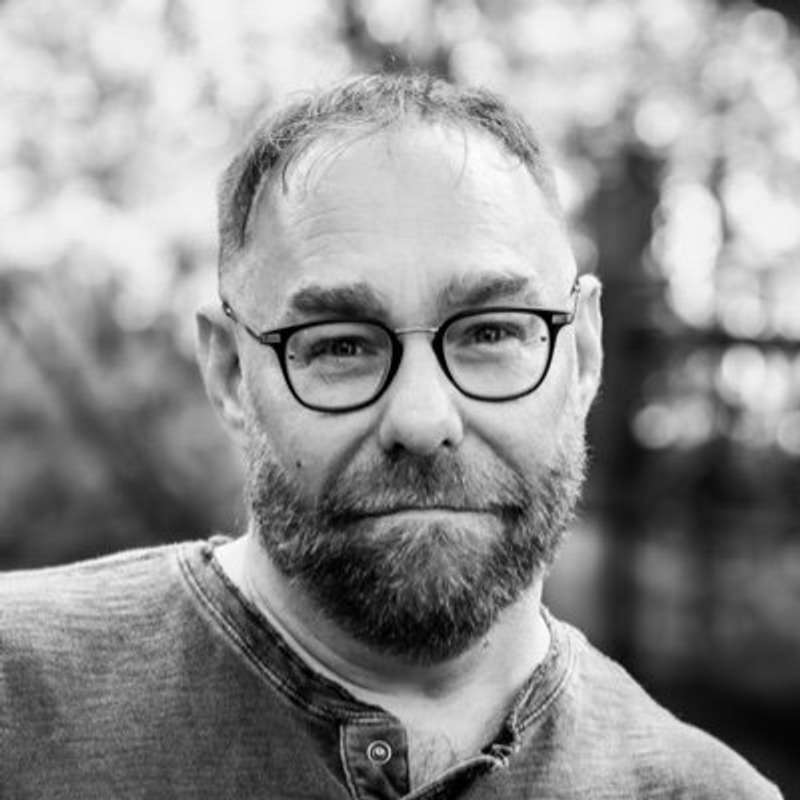 Joe Brummer
Hey friends.
Welcome back. This is Stacy. For those of you who don't know me, my name is Stacy Nation. I'm a licensed clinical social worker, a mother, a daughter, a wife. Human, all sorts of hats that I wear, and I am so, so excited to have one of my dear friends, uh, on this video series today, Mr. Joe Brummer. Hi, Joe. Welcome.
Joe BrummerGlad you're here. Hi. I'm happy to be here, so
¶ How Stacy Met Joe
I have to tell a little bit about how I know Joe. So I stalked Joe. Um, I'm just gonna be totally upfront about that. So I had an opportunity to go to the Trauma-Informed Educator Network Conference in Nashville in 2022. Uh, made a proposal to be a speaker. Got accepted as a speaker, but my real intention was I wanted to meet Joe Bremmer, uh, and it totally has worked out for the best for me, hopefully for you too. But I sat in Joe's breakout session.
Joe is an expert on restorative justice, restorative practices, and I just knew I was gonna fall in love with you anyway. I knew you were a person I needed to meet in my life. Now I'm very honored to call you a friend, and I'm so happy that you're here. I'm gonna let you introduce yourself and tell all the all the great things about you, and then we're gonna get into a few things.
Joe BrummerWow. Not that we wanna promote stalking. It's love stalking. It worked out this time.
Yeah. It wasn't I I know. I know, I know. Fair enough. I'm sorry, but I had to be
Joe Brummerhonest. Fan girl. It was. It's all right.
¶ Joe's Introduction and Mission
Uh, so I'm Joe Bremmer. I'm a consultant, uh, working in the field of trauma-informed restorative practices. Um, but I'm also a husband, uh, doggy daddy, uh, brother, child abuse, survivor hate crime survivor, trauma survivor, uh, uh, healing focused, uh, person. Uh, I don't know. That's, that's probably all I could magically say about myself today.
Um, I, I love that. And there's so many layers to you, but one of the things that always draws me to you, Joe, is really your. Your passion for trauma-informed work, uh, and it's not even the work like you are set on a mission. I don't know if you would call this your mission statement, but this is how I see you. You are set on this mission to just make the world, the world a better place for children. Humans. And I mean, would you, would you agree with that?
Joe BrummerYeah. It's funny, I was on the Attn podcast with Julia and Ginger. Mm. And they asked me some question that like, I'm not even really sure how the conversation completely evolved, but we came to this idea that like, really what I'm trying to do in the world is create a place where a kid like me would've done, okay. Mm-Hmm. And I, I listened to it back and, and they, they turned that comment that I made into a meme and put it on Facebook and I was like, that is kind of my mission.
Like let's create a world where a kid like me going through a bunch of crazy stuff that kids shouldn't go through would be okay. And so that has slowly become my sort of mission statement that I wanna make. I wanna create a world where, where a kid like me growing up in chaos and violence would've been okay. Yeah. Um, and not need.
Therapy. I love that. I love that. And, and so part of this series that I'm doing is really talking to some of my favorite humans on the planet. And I'm blessed to know quite a few amazing ones, uh, and really talking about, well, first of all, people aren't alone. Like there are, there are lots of people out there who've been through hard things, and you and I both, you know, I'm an ACEs score of seven.
I know you're a High ACEs score and not that ACEs are all encompassing, but it's a way to communicate, like we've been through some shit. Yeah. Right. And now we're holding space for adults who are also holding space for kids who are going through shit. And so when you're saying like, I am here to create a space for the, the little Joe. That's out there, out there to be okay and be all right in the world. What, what would that entail? What do adults need to know?
What kind of, how do adults need to show up for kids like
Joe BrummerJoe? Yeah. What a great question too. Um, I think I wrote a whole book about that.
¶ The Importance of Recognizing Children's Individuality
I think, I think we need to start with this notion that kids are not a blank slate. Hmm. We seem to look at kids and say we have to mold them, make them into some, they already are something. Mm-Hmm. You don't need to mold them. You don't need to like manipulate them. You don't need to twist them. You need to allow them, and, and I think, I guess that's the message I would want for people is like, that's already a little individual. You don't own them. You don't own them.
You don't get to tell them what they're gonna be in life. You don't get to tell them where they're going. Or like, we literally adultified kids right from the get go. We, we, we strip them of their identity and say that they're a blank slate and we're gonna mold them right away. You just strip their identity away from them. And, and then on top of that, we, we take kids and then we. We really legitimately think that they are strategic in being able to manipulate the world.
Right?
Joe BrummerAnd you and I both know because we're Bruce Perry fans and we've seen the upside down triangle. Yeah, yeah, yeah. That that's just not possible with an undeveloped frontal cortex. Right. This, if your neocortex isn't there, your ability to think in these really extravagant ways that would let you manipulate the adults around you, that's just simply not possible. Yeah. Yet we treat children in this way that. Tries to control how they manipulate the world.
Yeah. But the assumption of children is dark and, and sinister and, and like children are these little evil things that we have to control. And like I just, I hate that view. So I guess the first thing, I think the first step of this whole process is realize and recognize that that little human is a little human. Mm. With likes and dislikes and a personality and, and, uh, they are not your, they're not your clay. Mm. You don't get to mold them. They're not your art project. Mm-Hmm.
They are a child and they have their own likes and their own personality and their own sense of humor and their own world to find. Yeah, and so that'd be my first, the first step is you, you've gotta recognize that that thing in front of you is human. I love that and not yours to manipulate.
I love that. I, as I, as you're talking about that, I'm thinking about my daughter, of course, and we always say she spreads her sparkle everywhere. Not everybody loves her sparkle. And she even came home one day and was like, I spread my sparkle at school. I don't think Mr. So-and-So really liked that. And I was like, and then Mr. So and so reached out and was like, listen, we can't be having that. I was like, actually, that's just part of her personality and like.
You telling her, you know, there's a difference between right and wrong and how we show up in spaces and all that, but he really wanted her to turn the volume down. And I was like, that's just not who she is. She's just not gonna do that. Yeah. I'm not gonna get in the way of that. Like, you two gotta navigate that. And so I just love the idea that. You know, and, and most attuned parents know that their children are born with temperament.
They're born with personality, they're born with these things already,
¶ The Cortex Effect and Understanding Children
right? And so, uh, part of what you're talking about, I've really been sinking into this idea called the Cortex
Joe BrummerEffect. Tell me more I know is I'm coining, you know, I geek out on brain science. I know, and
I'm coining this term and it's popping up in everything. Uh, it's popping up in all the work I do, and it's really like adults have a cortex and that cortex super duper helpful, right? It helps us logic things, it helps reasons, things helps us understand things. So we use it all the time, but the cortex effect gets in the way when we're talking to children. And we add our perspective to them and we think they shouldn't be as angry as they are. They shouldn't be as sad as they are.
They shouldn't feel the way they are. They shouldn't have the right they're having because we can logic it through and we can reason it, but they don't have that. Right. It also shows up when we think they should be molded a certain way. They should be acting anytime we use the word should. The cortex is in involved. Yeah. And, and so we have bigger perspective.
We have different, like we have wisdom that they don't have, and so it sounds to me like you're really like, Hey, adults, let's see these kids as kids. Let's let them be kids. Let's let them experience and get curious and provide a safe space for them to do
Joe Brummerthat. Yeah. Let, let's let them be the little people that they are. Hmm. Play, but, but stop thinking of them as the people they will become ah, stop thinking about their future because their present is real. Yeah. And their past will become their present. And while you're busy planning out there, you know, what will they become and how will I shape them? And blah, blah, blah, blah. Realize that. How do you show up in the moment? I. Is gonna be more impactful.
And the more you can acknowledge and hold space Yeah. For a kid to be who they are. Mm. Which by the way, might not be who you want them to be, and you don't get to decide those truth bombs.
¶ Joe's Personal Journey as a Gay Man
Right. And I, I say that as the, you know, like I say that as the out proud gay man, right? Like, you don't get to decide who this child becomes. Yeah, they get to decide that. And some of that just might be who they are. Like a young gay person or an artist or a musician or something that's not part of the norm. And that might scare you. Yeah, because I want them to be happy. If you wanna be happy, love them for who they are. Yeah. Not who you want them to be. Ooh,
you just hit on so much stuff. I mean, first an out, proud gay man, right? Like it, it's a journey. Every person I know in the queer community has some sort of journey to becoming who they are, and a big piece of that journey. It sounds like, and I'm curious about this for you, is holding space for other people's fucking uncomfortable feelings about who
Joe Brummeryou are. Yeah. I don't think, I, I think holding space is an interesting term for that because it's more like tolerating people's bullshit. It's a lot more accurate. But, uh, you know, my husband and I joke often about this silly things that are said to us, like in conversations and, and just, we know people mean well. And, and, and I, I, I do recognize that, but asking us silly questions like, who.
Because there's no woman in
Joe Brummeryour relationship and women, that's it. Because that, that, you know, that's what they're really asking. Which one have used the woman? Yeah. Which, you know, it's, it's just silliness. Like we actually just share those chores. Like it's not my night to cook 'cause I'm talking to you. And so it's not my night to cook. And so actually I think it's Costco chicken night 'cause we're both too busy. But, uh.
I, I, I'm amazed at like, the questions people ask us, the, the, the space you have to hold, but also most people don't recognize Mm-Hmm. Maybe in today's world they would with, you know, governor DeSantis and, and, and, and, and other things. But I, I don't think on the day-to-Day, most people realize the struggle gay people have, um, and especially gay men. Mm-Hmm. Like, I will, I will absolutely call that, you know, gay men I think have.
A bigger challenge than I, I think other people in the, the initials. And, and that's because the ICH factor, right? Like we get, we all we're gay men. We're not oblivious to what is said about us. And, um. I think living with that in the back of your head that people constantly think you're a danger, but you're constantly perceived as a threat while at the same time you're supposed to be entertaining, be able to cut hair and decorate people's apartments.
Like yeah, that's a lot of expectations to live up to you and And most of them are just crowd. Yeah, just crowd. And like, I couldn't decorate my, like my house is like the craziest place ever. There's hardly any decorations because I'm not. Good at decorating. That's just not one of my things. It's not part of your DA as a gay man, it's not part of my DNA as a gay man. Like, and I can't do costumes. I can't dress up. I'm not fashionable.
I'm literally wearing sweatpants and a t-shirt with no shoes. Um, and this is how I show up for work. So, you know, that was not one of my, you know, so all this stereo. So you live in this bubble of stereotypes that you know. You just have to put up a, but most of those stereotypes are evil. Hmm. That you're out to indoctrinate children and, and, and hurt people.
And the term, the term groomer has become popular, but I don't think people realize how hurtful and how detrimental that stuff is to developing brains. Yeah. Yeah. Hearing that stuff at 50 is not the same as hearing that stuff at 12.
Yeah. What, before you're out, before you're fully developed and you're still exploring, you're trying to figure out like, how do I, how do I reconcile all of these things in this world that's sending these messages that I'm not an okay person
Joe Brummerbecause Right. I'm flawed and I'm broken. Yeah, yeah, yeah.
What, what would you say to the adults who are, who are in this journey with kids who are exploring these things? Like what. What does he need to know, Joe?
¶ The Impact of Rejection on Queer Youth
Joe BrummerHmm. I wish I knew God. Um, I, I think love relentlessly. Just love relentlessly because gay kids just are surrounded in a world that rejects them. So you become so sensitive to rejection. Yeah. And, and I don't know if that's true of me, like as a bullying survivor and, and a and, but a lot of that all became part of it. It all, you know, I was called the big F word as young as I could before I even know what that f word meant. I was being called that word.
And, you know, you sort of grow up in a world of rejection. And so the best thing that people could do for gay and queer people is, is. Minimize the levels of rejection, the repetitive nature of rejection wears you down. Yeah. And to constantly turn on the TV and be like, Hey, more rejection. Let's ban books about gay people. Hey, more rejection. Don't let those people in your kids more reject. Like, it's just so much rejection. Yeah. And, and I think that really wears down on people.
So the more aware we can become of that. The more we could create a society that says, you're okay, you're, you're welcome. We love you. Yeah. And that, that would be, I mean, I'm lucky that I've surrounded my life with people like you and people like Meg and, and, and, you know, our friends, you know, in, in the trauma-informed world that we've created this great circle of people. Yeah. And then I of course have a circle of people for a band that I follow and, um.
You know, when you have those circles of people to minimize rejection, that's awesome. And I think that's why queer people stick together often is because at least we won't reject each other. Of course, that's not totally true either. Um, you know, but at least you have the space. But that's, that's I think what parents on the journey need to know. Yeah. Your, your kid needs to know that no matter what they do, there's no more gonna, there's not gonna be rejection. Love that.
And, and that's very different from my own family who, you know, my parents, my parents did not kick me outta the house for being gay. Uh, my parents kicked me out because I challenged them about being abusive and, and hitting us. And, and, and so that didn't work out so well. So I ended up homeless. Um, but, uh, you know, I know a lot of gay kids, you know, come out and end up homeless. Yeah. And so it's the, the levels of rejection that people feel from society.
No wonder, you know, there's a 50%. Suicide temperate for, for young queer people. Yeah. And of, of course there is like, no one can deal with that kind of rejection in that, you know, we know rejection shows up on a brain scan in the same place as its physical pain. Mm-Hmm. And, and so like, that's one of those things that hurts us. It's humans regardless why. But for, I think queer people, it's, that's a, that rejection is everywhere you turn.
¶ Promoting Love and Belonging in Schools
I have a principal I work with and she often says, love and belong is love and belonging are the only values that live in our school. Oh, that's beautiful. Right? Every child that comes to our school will feel love and belonging. And so, you know, she's recently had this conflict with some parents who are like, ban these books, don't talk about this. Don't talk all the things that we're seeing. Yeah. And she very clearly stated, this is a space for love and belonging.
We need to have books that support love and belonging. We need to have. And I was like, it's just so simple. It really is so simple, right? Yeah. It doesn't actually have to be about all the various categories or all the various pieces of our identity. It can be love and belonging for all races. Love and belonging for all sexual identity people, right? Like all those pieces. Love and belonging for kids who are abused.
Love and yeah, love and belonging for homeless and, you know, unhoused humans like, and I just love that the through line for that for her was love and belonging is all that va the values we need here. What, how does it land for you when you hear that?
Joe BrummerI love that idea. Yeah. And I need to see it in action because I hear that, but I mean, I mean, you think about that for, for people like me, like I've heard that. Kind of stuff. Like we love everyone here, and then I see your practices and then I see you vote for politicians that would like throw me in a camp. And so like, until those words become action, I get really skeptical and cynical, which I, I honestly wish I wasn't so cynical about that, but, but I am, I don't think it's skeptical
or cynical. I think you've taken a lot of data in the world. You've collected it and the data says you're not welcome in a lot of spaces. Then when people say, wait a minute, but you are here, I think you're sort of like data and see
Joe Brummerwhat you say about that. Yeah. Yeah. I, but I love the concept and if, and if this principal can really make that work for every kid. Awesome.
A win just in, in this situation is that she has not had to hire an actual teacher for several years because they aren't leaving 'cause they love this space so much.
Joe BrummerThat's, that's when you know you're doing it Right. And in education today. Yeah. Where the, the turnover rates just like skyrocketed. Yeah. Uh, I mean, many of the schools I'm consulting with are telling me that they have, you know, they're like, how do we train the new teachers on everything you've taught us these past three years?
¶ The Impact of High Turnover in Schools
You had a 15% turnover. It's like, we haven't gotten anywhere because you keep losing everyone. Um, and, and, and that's really not the district's fault. It's, there's only so much they have the ability to do.
¶ The Importance of a Supportive Work Environment for Teachers
And I think you're really speaking to the importance of teachers feeling safe and feeling love and belonging in their work environment. You and I are both in this unique situation where we go into schools, we do a lot of consulting, and we do a lot of coaching. We're in different environments. What are the things you're seeing? What do teachers need to feel loved, belong, supported
Joe Brummersafe? I think right now, and it might, might not be what teachers think they need.
¶ The Need for More Social Workers in Schools
But what I definitely see as a need is, is there needs to be, for every SRO that we hire, we should be hiring three social workers. Like the state of mental health for children has become so toxic and traumatizing and normalized, like we've literally normalized trauma for children to a degree we think they need. Things that actually traumatized them. Mm-Hmm. And so teachers are then left with children who can't handle these big feelings. Yeah. Who can't manage the stress of the trauma.
And then in order to fix it, we add more trauma. Like punishments and rewards and incentives and, and positive behavior systems and, and other nonsense that is just harmful. Yeah. And so rather than actually taking these hurting kids and giving them support systems, we're actually normalizing the trauma to the point where the way you fix trauma is more trauma. Like that's bizarre, isn't it? But the people paying the price for this are teachers.
Educators who are then left to be parents, to be support systems, to make connections with kids who don't wanna connect. Uh, yeah. That's asking a whole lot of a group of people who didn't get trained in that. No.
No. And it's, it just stresses the system so much that it, we're seeing teachers say, Ugh, I don't wanna do that. I'm, I
Joe Brummerdon't wanna be in, and then we give them a self-care workshop. Yeah, like, like let's really like put salt on the wound and say, oh, you just need a self-care workshop. Here's some bath bombs and a and a, you know, facial, you'll be fine. You know? No, that's, that's not gonna be fine.
No.
¶ The Role of Joe Bremmer in School Transformations
You know. Will you, will you talk a little bit about the work you do in schools? What are some of the things? What, what, why in the world would a school bring Joe Bremmer in?
Joe BrummerOh God, that's, yeah, that's a fantastic question because they're nuts. Um, I think the work I do in schools is, is really around, you know, I, I prefer. To work with schools who are doing whole school transformations. Hmm. Paradigms. So I don't wanna come do the one and dones. I don't wanna come just do a, a checkbox thing where like, oh, we did trauma training. Great. Uh, I really wanna see this through. And so I wanna go into a school and I want to be able to like work with staff.
¶ The Importance of a Team in School Transformations
But first things first, we need a team. Like we need somebody that, I, I'm an outsider to your community and your school. Schools are little communities. I'm not part of that community. I'm an outsider, and so I don't believe that I can come in and make a whole bunch of change. And, and I don't think that's my place to do that. Like, I can't go around disrupting everything. Although Matthew Portell might tell us we should, um, you know, unapologetic disruptor.
But, but I, I, it's not my place, right? And so I wanna go into school, I wanna form a team. I wanna train that team as indepthly as I can. And get them going on their journey. 'cause you and I both know this is a journey. Like there's no one and done, there's no, there's no I'm trained. No, you're, you're just, you're never trained. There's just not a thing. And so I wanna work with the schools that wanna form the teams that wanna create a vision for their school.
Like what will this look like when we're trauma informed? What would this look like? One we're. Purely restorative. Like there is no punishment to be found in our schools. 'cause you
¶ The Problem with Punishment in Schools
know me well enough too. I have no use for punishment. I, I just think it is the bane of our society and it's caused us more problems than it is ever solved. Um, mass incarceration, detention, suspension, none of this has solved anything. And then if you bring in corporal punishment, my God, like that shouldn't even be a conversation in 2023. It's like flatter theory. Like, let's debate punishment. Let's not debate punishment.
'cause that's like debating whether or not the earth is round or flat. Like does, does hitting children to, you know, a problem? This is a flat earth conversation. We should stop having. Um. You know, I'm, uh, that's where I'll, I'll, I'll, I'll, I'll Pop Stacey Patton in and say, everyone should read Stacey Patton's book, spare the Kids, which is primarily written about, you know, corporal punishment and, and black children.
But, but I think the book is universal for everyone and, and has a lot to teach white families about, uh, you know, what, what hitting children does to their nervous system, um, and how we just keep supporting that and all the problems that it causes. Are, are then this revolving cycle.
But I, I, I think, you know, the messaging at this point in schools is that I wanna go in, I wanna train a team, I wanna then start implementing slowly all these processes that are gonna take us a good three years to really put in place. So, you know, borrowing a line from my friend Justin Carella, uh, it's evolution, not revolution. Mm-Hmm. And I don't want it to be a revolution. I don't. Because then I think it backfires. Yeah. Or it gets kicked to the side after a couple years.
But when we, we really intentionally make change within school systems that we change our language. We change the focus of school to be about connection first and learning second. That way the kids that came to school to get love, get love. Yeah. And they also happen to get an education. Like I think education needs to be secondary in education. Love needs to be first. Right. And, and, and I know our team would love that, right?
James Moffitt's going, you know, love, I love you, and there's nothing you can do about it. It's, it's James' is, is, is, is, is lying that I love. And, and so can we make the focus of school about a, a space to just grow and be a human. Hmm. And, and, and so that's kind of what I wanna see in schools and what I wanna help them do. But the only way we can do that is to have adults recognize the significance of trauma. Yeah. And responding to that trauma with punishment is just effing cruel.
Like, I don't even know a stronger way to say that is fucking cruel. To take a child that's already struggling at home, that's showing up as a behavior problem in class, and our response is to add suffering to their life. That that's where like the passion comes from for me on like, that is so wrong. Just wrong on so many levels that we have these struggling children. And our response to them is to make them suffer, which is what punishment is.
I've done this exercise in my workshops for, for years now, where I get people to define punishment, consequences, accountability, and discipline. Tell me what those words mean. Yeah. And now tell me how they're different. What is the difference between a consequence and a punishment? What is the difference between discipline and punishment? And across the board, we always come to the same conclusion. Punishment is inflicted on you. By somebody who has power and the goal is to make you suffer.
I have yet to have a group not come to those three conclusions. No. So lemme get this straight. A person abusing their power to get someone to change by using suffering when other options were available. Sounds pretty much like violence to me. How do we get people outta that framework?
¶ The Role of Restorative Practices in Schools
And, and I think the real answer is to make our restorative practices trauma-informed to understand how brains work. Yep. And to make sure that when we circle up that we're not doing that through a lens of behaviorism. 'cause if you still think that kid made poor choices with the little cortex they have, you're off. You're off, you're wrong. And that there's nothing restorative about this circle anymore. Like it lost its restorative quality when you didn't recognize the what, what got us here.
Yeah. And what got us here is, is a kid who's developing cortex couldn't handle big emotions. Yeah. Yeah.
It's been interesting to know you and talk to you and watch you and observe your, your, your classes and see people interact with you. And one of the things I just love about you, Joe, is your truth bombs and not very many people wanna hear what you have to say, right? Like there, it's, those are hard truths. And you just stand in it. And you stand in the truth.
And one of the things that comes up, and I know there are gonna be people listening to this who are gonna have this question, and I think it's such an important question, I wanna ask, I'm dying to ask you on record for a while. Uh. You and I have been parts of these conversations where people are like, restorative practices don't work. We have them in our school. Restorative justice doesn't work. We've been doing circles and they don't work.
And I, I know, I know they work and I know you have an answer to that and I wanna know what your response is to that. When people say restorative justice, restorative practice doesn't work. What do you, what does Joe Bremmer restorative practice experts say to them?
Joe BrummerSo there's the professional answer, and then there's my cynical answer. Oh, this is good. Okay. We
want, give us both.
Joe BrummerWe wanna hear both. So my professional answer is like, well, let's look at your implementation process and your training and, and blah, blah. And, and, and then my more cynical answer is like, most of the schools where they say, this isn't working. Either just started the process and have very little restorative going on. Like there's very little in their school that's really restorative, or they're only using circle to address problems, but they're not building a community and relationship.
And so this is relational work, right?
¶ The Importance of Relationship in Restorative Practices
You, if you just think you can circle a kid up with your power and make them, you know, amend, make amends, then, then you didn't get it. But most of these schools where people say this isn't working or the kids are running the school, or you and I both are to all of that stuff, um, you find that they're doing very little of the practices, oh, this isn't working well, that's 'cause you're not doing it. Yeah. Yeah.
This is not what, and I think you're speaking to something that's really important, both in trauma informed practice, restorative practice. Right. Both, both of those human informed practices really is that it takes relationship. Yeah. The reason behaviorism, the reason punishment, the reason, consequences, spanking the list is long. The reason those are attractive is 'cause it's one and done and it's over and we're out the door.
Like I can deliver this punishment and then I've done my job and my hands up. It's easy. Yeah. And the reason this other stuff is harder and more effective and works is because it's based in
Joe Brummerrelationship. Yeah. Do you wanna know what the difference is? I'll tell you the difference. Punitive things don't work solely because they're a transaction. Mm-Hmm. That you don't have to show up for. Nope. You just, you just do it. Oh, you got into a fight. Got suspension. See, in 10 days. Yeah. But, but restorative practices require the adults to show up as their human self and they don't get to like back out of that. 'cause it doesn't work if you don't show up.
No. And so I think one of the things that we, we don't talk about in restorative, we don't talk about it in trauma informed, you know, we see this as relational work. It means that you as a human have to show up to do it. Yeah. And sometimes we show up and we realize we don't have the capacity to show up the way we need to. And if I haven't done my own work on my own stuff, I can't show up because I'm not gonna, I can't do anything.
So that other stuff like punishment and suspension, that stuff's easy 'cause I don't have to address my own shit.
Yeah, you'll appreciate this story. So I, you know that I do this course called, how does your trauma impact your classroom?
Joe BrummerOh, I love that. I took the course that was great, and it's,
and it's been a, it's been eyeopening for me, right? I'm a therapist. I'm a therapist by trade. We talk about our shit all the time. We go down our road, we talk about our feelings, talk about our past. Like, this is just my life. It's normal. And as I got into doing a lot of this work with the educators, much like you, I was like, oh. People have to be taught about their own journey. They have to be taught how to be vulnerable. They have to be taught about looking.
And I had this woman and I do this exercise about triggers and why is a kid triggering you and these are the five questions you should ask yourself. And she was like, I never in a million years thought that I would have responsibility in why this kid is triggering me. And I'm sure you see that, right? Like what a powerful journey this is on.
When we show up as humans, when we do relational work, when we figure out how to connect and feel safe and build relationship, it really does start to shift the whole dynamic, doesn't it?
Joe BrummerI think schools start to become trauma informed and restorative when the educators in the building start owning their own stuff. Hmm. And it sounds like the name of a, of a book, right? When the Adults Change, I didn't write that book, but, uh, you know, uh, I, I think when we get the adults to really focus on their own stuff, you open up the doorway for them to hold space for kids.
Some of whom are, you know, you and I both know, I, I'm sure you've seen the CDC report on adolescent mental health right now. And, and we know that the adolescent, we, we know that children's mental health over the course of the last 15 years has just tanked. And that's meant that educators and adults and anyone who works with children, whether it's youth services or um, you know, diversion programs. 'cause I'm doing a lot with, you know, juvenile justice right now.
Yep. You know, when we show up in any kind of youth serving capacity, whether it's education or juvenile justice, we realize we have to show up. Yeah. We have to show up. It's huge. And, and if we don't, they're, they're not talking to us 'cause they know we're not real. They can te like kids have a bullshit meter that's still good that they know when you're not being authentic.
And, and, and I. Prevents us from having some of the really meaningful conversations with kids that would actually let them know we love them. Yeah.
Love that. Joe, you have so much value to add to the world, and you and I could talk for hours at a time because that's just what we do. Let me know, like, how do people get ahold of you if they need a joke bummer in their life, how does, how does
¶ How to Connect with Joe Bremmer
Joe Brummerthat happen? Go to joe bremmer.com. That's probably the easiest place to find me. Uh, my little home on the web. Okay. Uh, but you can also find me on Twitter at Joe Bremmer. Uh, you could find me on Facebook. I, I pretty much anybody that sends me a friends request, that looks pretty reasonable. I'll, I know if I see you work in education, I'm probably gonna. So you could send me friends requests on Facebook. You can find me at, uh, the Restorative Justice and Education Facebook group.
You can find me, uh, through the Trauma Informed Educators Network with Matthew Portel. I, I'm a proud member of that group. You could also find me through the Attachment and Trauma Network. Yeah, through their, um, their PD collaborative. And so I'm also a member of the PD collaborative and I, I happily do workshops and things through a TN and do things through their conference. You can always stalk me and come to the A TN conference in, in Dallas. We'll be in Dallas in February.
You, if you so choose to spend the money, you can come stalk me at, at A A TN I'm, I'm sure I'll be there doing something. I volunteer every year, uh, to, to work with that conference. I, I. A hundred percent support that conference. Um, and, and also the trauma-Informed Educators Network Conference, which happens I think in two weeks. Yeah. I'll be presenting on, on at that conference as well.
So there's lots of ways to find me, but, uh, one thing I want people to know all the time is I'm super approachable. Like, don't, yes. Like, I, yes, like, send me an email. I don't, you know, I'm, I'm super happy to chat. I'm like, I, I, I someday will, if it might not be coming already. Like it's, it finds overwhelming sometimes how many people are trying to like, talk to me. Um, but I, I wanna make space for people and I don't want people to feel like, uh, you know.
I'm just a regular guy, so like, please reach out and, and, and I'm a trauma survivor that wants other trauma survivors to to, to survive. And so I, I want people to be able to reach out and I want people to, to, so yeah. And even my email's easy. It's my name joe@joebuer.com. Love that. So you have Reach
out, look, you have a book. That's awesome. I refer to lots of people. I'll make sure we put the link to that when this goes out. You have another book coming out in, in the near future at some point We do.
Joe BrummerI actually just found out who's gonna write the forward today.
Oh, I can't wait to hear all about it. I'm gonna just hang on. And so what I wanna say, I wanna leave you with this. Yes, I stalked you. Yes, you're a hate crime survivor. I provided you a corrective experience where someone was coming to you and loving you and like, Joe, I need you in my life. And I'm so thankful that you were open to that and you were open to meeting and connecting. And I have deep respect for your story, your values.
You're seeing a lot of things that people really need to hear, and you and I both know that. When you're the delivery of the truth bomb, it's all in how it lands. And I think at the, at, at your heart, you're creating space for, for those Joes to feel safe in education with adults who are responsible for them. I just appreciate you, brother. Thank you so much.
Joe BrummerThank you. I right back. Got you. Like, I'm sure people, uh, people who've been following your work know that you, you have an ACE score, you, you. You have the history, but you're also doing exactly the same thing. We're part of this group of people that took the crap we've been through and decided we would not allow other people to go through that. Yeah. Love that.
And so, yeah, that's, there's something to be, um, this, this group of people that includes you and, and people like Meg Baldwin and, and, uh. You know, Matthew Portel, James Moffitt, ginger Healy, like this huge group of people that, you know, Dustin Springer, Lori Desel, Bruce Perry, like all these people that are literally out there trying to make other people's lives better. Yeah. When ours wasn't exactly kosher. Hmm. Like that. That's the kind of like, I have such admiration for that.
Team of people and, and I feel a hundred times, um, honored to be even part of that little group. Same what I, I see my name sometimes placed up with other people's names, who I like, like literally like I find my heroes and I'm like, really? I'm being thrown in the same conversation as as X And I'm like, yeah, that's, that's mindboggling to me. Oh, and so, but I, I love this team and I love that you're a part of it. And so thank you.
Well, I'm honored to be on it and I love that you're in it too. And the words you say today, the, the out proud gay man giving us some insight. Like everybody cooks, like we don't have to actually answer those questions. Those are important for us to hear, so I appreciate you. Love you, brother. Yeah. Right back at you. Take care. Thanks for being here today.
Joe BrummerBye. Thank you.