



¶ 08 - Chitty Chats with Stacy- Eric Nachtigal
I am Stacy. I'm back for another little sesh called Chitty Chats with Stacy, and I have with me someone that I'm excited to meet. Uh, this is Eric, and I'm gonna let you say your last name so I don't butcher it. Notal. Al. All right, so Eric is one of the wonderful members on the resilience team with SSD a C, and I'm excited to just introduce you and have you here today and just have a conversation about who you are and what you do. So tell us a little bit about who you are and what you do.
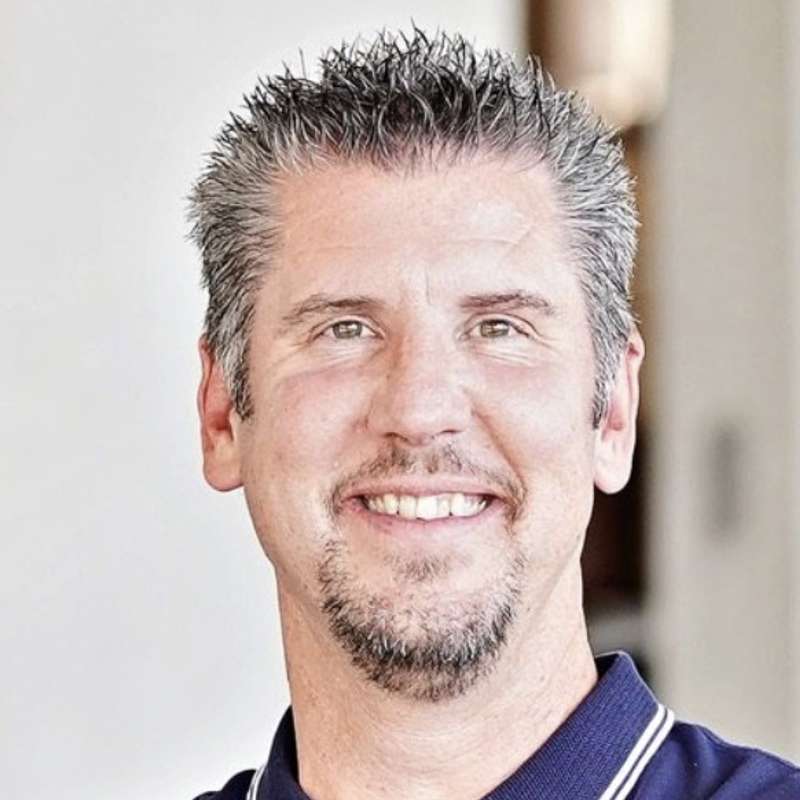 Eric Nachtigal
Oh my gosh. I'm excited to be here and I appreciate you having me, Stacy. Um, like I said, I am Eric Negal. I am the behavior intervention consultant for sda. Um, I have spent the last 29 years in public education and working with teachers and students with a large majority of those years in counseling, teaching, and now behavioral intervention and social emotional support. Um, so. My goal is just, you know, help kids, help kids who are struggling.
Some of those kids that we might say are, are tough kids or things like that, and they just need support and there is so much hope for them. So, um, my mission in life is to get in there with those kids, give them hope, give them joy, help them be resilient, build their resilience, and, and make a great impact on their life. Love
that. So one of the things we like to do on this little show is talk about.
¶ Eric's Journey in Education
Why you got into this? So you said you've been doing this for 29 years, is that what I heard you say? This is
Eric Nachtigalyear number 29? Yes, that's
correct. Wow. Decide, Hey, I'm gonna stay in the biz for 29 years. This isn't an easy business to stay in. This isn't an easy like profession, right? This is when I meet people who've been in education and educational settings for longer
¶ The Calling of Education
than a decade. Really, there's a calling in that. And so tell us a little bit about how you landed in this, in this profession.
Eric NachtigalKnow, I actually recall from a very young age helping out in daycare centers and teaching swimming lessons. And I, I remember even before high school, going into high school, even before college and you got a chick where you gotta pick a major, I was bound and determined to work with kids. I was going into education, I went to college and they said, well, what's your major gonna be elementary ed? There was no hesitation. And you know, I have not looked back since and I have. I say loved.
I really have loved every minute. Like you said, education is tough. Not to say there's not tough moments. There haven't been tough moments, sure. But what keeps me coming back day in and day out is the kids and that they need the support of loving, caring adults. You know, there's research out there and the brain research and I've heard wonderful people such as yourself talk about how one caring adult can change the trajectory of a child's life, move a child from at risk to at hope.
Um, and so, you know, that just drives me and I've done a lot of research and a lot of reading about trauma and ACEs and I think what excites me the most in working with kids the most is that trauma can be healed.
Yeah, through powerful relationships, through positivity, through supporting kids, and so when you talk about behavior and trauma and things like that with kids, you know, the drive for me to help adults who are helping kids and directly help the kids is just such a passion that I want to keep doing it for a long time because I think it can change the world.
Oh, I love that. Change the world. That's what we always say around here. We change lives, we change the world. Yeah. And so I love that you're saying that because I think it's so important to talk about the reasons people are staying in education and, and you're talking a lot about that talk. Helping the kids is huge.
¶ The Importance of Teamwork in Education
But one of the things you said that I think's really important is also helping the adults and education's a team sport. Right. Education is a team sport. Everybody has to be helping each other to succeed because I think you're all moving towards the same goal. And when you have those little buddies that are tough, the more the merrier. The more people on the team, the better the little buddy is, I think.
And so it sounds like, it sounds like there's lots of reasons that you've stayed and it also sounds like you knew just very early on what you wanted to do.
Eric NachtigalI must have admit credit to my parents. They were both educators for many years, so, okay. The foundation was, was there, the example was there, I saw the powerful of what they did with kids. Mm-Hmm. Um, so that really laid the foundation for me. But like you were talking about in schools, you know, I obviously, I had my own journey of kind of, let's go from, you know, behaviorism to more brain research and trauma informed re and trauma responsive approaches.
Um, so I had my own, but when you talk about those. Challenging those kids with ACEs, the kids with trauma, the kids that need that extra support, that their brains are wired differently. You kind of alluded to that. That theory of it takes a village and I go into schools and when I work with teachers and you know, this teacher is working with this kid and they are, they are dedicated, they are loving. There are so many wonderful teachers out there. Agreed. We really, really in schools.
We need to take an all hands on deck approach. Let's surround those kids with so much positivity, so much connection, and give them so much belonging in schools that they want to come to school, that they want to do their best because they are so connected, not only first and foremost to their teacher. But to other adults who are filling their buckets every single day.
So it really is, like you were talking about, it's an all hands on deck with, with all kids, but maybe some of those kids who have a little more struggles in their life and your heart goes out to 'em. So again and again, that goes back to kind of why I wanna do it. Those are the kids.
What's your favorite, what's your favorite age of kids to work
Eric Nachtigalwith? Um, I'm gonna have to go with second grade 'cause that's what I taught. I mean, elementary, elementary in general. I love, I love, love, love the little ones, but I taught second grade and if anybody asked me of all my roles I've ever done in education, I will always go back to that. There was something powerful about having your own little family for a year and gathering those little kids into your heart and teaching them and molding them.
And having your positive influence on them and growing. Yeah, that, that was powerful to me. So love it. Elementary in general, but second grade.
Love
¶ Applying Professional Lessons to Personal Life
it. So one of the questions I ask often on this show is all this work you do on the professional side, how much of what you learn professionally lands in your personal life? How much of this work are you using in your personal
Eric Nachtigallife? A lot. I probably should use more for full honesty, I should probably use more. Yeah. But, but a lot, you know, when you dive into that brain research, when you dive into empathy, when you dive into, you know, things like, you know, more positives than negatives, um, you know, and how your brain reacts and, and taking deep breaths and calming strategies that you teach kids and you teach adults to teach kids, it sinks in. Hmm. And maybe we.
I admit, you know, we get set in our ways as adults. Yeah. And, but slowly but surely, when you start teaching it and you see it effective with adults and kids, it's like, oh, I should start using this too. This could help me when I'm interacting, you know, with my partner, spouse, all that, or other people in public, it's like, oh, they're having a brain reaction. It's not a character issue, it's a brain and I'm going to help them. I'm gonna respond, I'm gonna take, take deep breaths.
So. You can't help but integrate it into your life. Uh, again, full, full disclosure, I should do a little better. You know, I'm, I'm a work in progress probably like everybody else.
Aren't we all? Aren't we all? I use it so much, Eric, that my family's like mom. Could you just stop, like, we know what dysregulation looks like. You're in it right now. Could you just pause? We wanna move on? I'm like, you're fair. That's fair. It's fair. So,
¶ The Impact of the Building to Resilience Conference
okay. Let's talk a little bit about this conference. So I'm coming to Kansas in November. Yeah, I'm super excited. I wanna know, A, have you been to this conference before? And B, what are you most excited about when it comes to the Building to Resilience conference?
Eric NachtigalYes, I have been. So, I worked in a public education setting for 28 years. This is literally my first year at sda. But the reason I am at SDA is because of bridging the resilience. Oh. And going there. That's great. Okay. I mean, so it influenced me amazingly, like, I feel like it changed my whole philosophy of teaching with kids and how to approach kids and, and how to help struggling kids. Bridging the resilience changed my life. So it is a wonderful conference.
So it is literally why I came to sda. Um, one of the ladies that we have working there who's amazing, Rebecca Lewis Pankratz, um, I saw her do a keynote there. I saw her sessions, saw Jim SPO leader there. I am so looking forward to hearing your keynote. Um, 'cause I've taken your course on Go bu so it's just so yeah, bridging the resilience. It's a great conference. It's a national conference. I can't wait to be there. But yeah, it changed my life.
The sessions that you go to there are brilliant. There are wonderful speakers who will give you applicable things to helping kids immediately.
Love it. Well, I'm so excited we had this time today, Eric, because I wanna make sure that my people know about the conference, but also know about the humans behind it. Right? When we dig into humans, I think that what we find is we all have a lot in common. I. And the reason that we're doing this work is very personal. There's something that's landed in our hearts that say, we gotta get out here and we gotta change lives, and we gotta work together and we gotta impact things.
And so I appreciate you taking the time with me today. I'm so excited to meet you in
Eric Nachtigalperson. Gonna be great. Thank you for having me today. It's been wonderful to talk to you. All right, I'll see you soon. Thanks Eric. Okay. Thank.