





¶ Introduction and Episode Preview
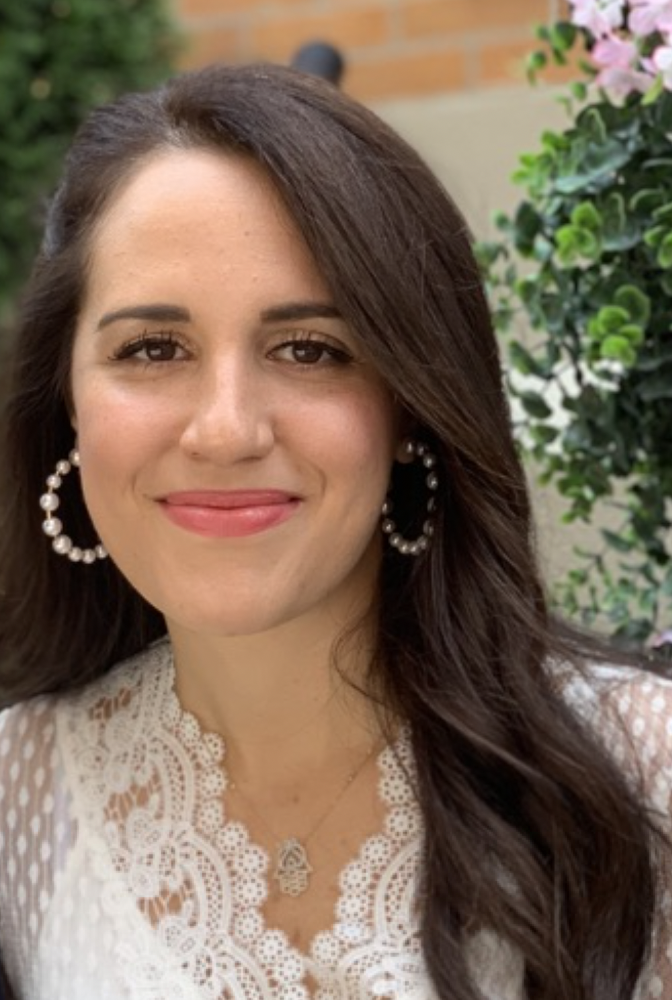
Worldwide, cardiovascular disease affects the lives of hundreds of millions. Dedicated cardio nerds everywhere are working hard to fight this global epidemic. These are their stories. Hey, cardio nerds. My name is Colin Blumenthal, and I'm a current Hopkins internal medicine resident and will be a cardiology fellow and diehard cardio nerd next year at the University of Pennsylvania. I am very excited and proud to announce that I will be the chief for House Jones in the upcoming Cardio Nerds.
Academy. I am so excited and honored to work with my co-chiefs and our 13 bright and talented Cardio Nerds Academy fellows to learn, produce, disseminate, and study digital education for everyone. So stay tuned for a bright future in nerdy asynchronous medical education. Save the date. We will be hosting a live Twitter journal club every second Tuesday at 9 p.m. Eastern time. Beginning on February 9th, 2021 with the Strength Trial.
Check out episode 91 with Dr. Aaron Mikos for the background. To join the conversation, follow at CardioNerdsJC and search the hashtag CNJC. We hope you enjoy this incredible episode.
¶ The Need for Personalized Risk
the 13th and final part of our in-depth prevention series produced in collaboration with the American Society for Preventative Cardiology. Every patient is different. And our approach has to be personalized. This is especially true for approach to the ASCVD risk stratification and prevention. Let's dive into an illuminating discussion about traditional and next generation personalization of risk.
with Dr. Amit Khera, the immediate past president for the American Society for Preventative Cardiology. Stay tuned for a bonus segment at the end of the episode as we talk to Dr. Ankur Kalra, interventionist at the Cleveland Clinic, podcast host of Parallax by Ankur Kalra and founder of the nonprofit startup MakeADent.org for a discussion about... the CHI Collaborative, an initiative that aims to identify genetic markers of heightened atherosclerosis in South Asians.
If you enjoy the show, always remember to take a moment to rate and review us on iTunes or your favorite podcast application. It takes less than a minute and it really goes a long way to help others find us and join the Cardio Nerds family. We thank you for subscribing to and supporting the CardioNerds. Just remember, this podcast is not meant to be used for medical advice. The views expressed here do not necessarily reflect the opinions or policies of our employers.
¶ Historical Context of Guidelines
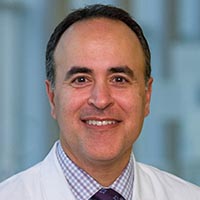
Hello, cardio nerds. I am honored to introduce my mentor and prevention master, Dr. Amit Kara. Dr. Kara is professor of medicine at the University of Texas Southwestern Medical School. He holds the Dallas Heart Ball Chair in Hypertension and Heart Disease, is a former program director of cardiology fellowship and current director of the section of preventative cardiology at UT Southwestern.
On a national scale, Dr. Cara is president of the Southwest affiliate of the AHA and president of the ASPC, with whom we are so proud to partner with our prevention series. Dr. Cara's research interests include the primary and secondary prevention of coronary artery disease.
focusing on risk assessment and risk factor modification in those with premature and familial disease. Dr. Carroll received his undergraduate degree in American history from the University of Pennsylvania and obtained his medical degree from Baylor College of Medicine. He completed an internal medicine residency at Brigham and Women's Hospital, Harvard Medical School, followed by cardiology fellowship at University of Texas Southwestern Medical Center.
where he did a one-year research fellowship in the Donald W. Reynolds Cardiovascular Clinical Research Center. He also completed his master's degree in epidemiology at the Harvard School of Public Health. For me particularly, this is such a treat. Dr. Cara is a mentor of mine. We got involved several years ago when Dr. Wendy Post, who's a local mentor of mine at Hopkins, put us together and Dr. Cara allowed me to join the...
social media team at Cirque AHA and been part of that team ever since. It has been such a amazing growth opportunity for me for so many reasons. And I remember like at the time. pitching myself for the social media campaign, telling him that I have maybe like 100 followers on Twitter that I was very proud about. And then Dr. Cara invited me on Cirque on the Run podcast. It was my first debut. I literally was so nervous.
So I am just so appreciative for you coming on the show, Dr. Cara. Dan, thanks so much for having me and for your whole group. First and foremost, I'm glad you have a lot more followers now than you used to on Twitter. And equally, I'm so impressed with the work you guys do in the Cardio Nerds podcast. So welcome and fits such a need for cardiovascular education. So congratulations on a successful podcast.
Thank you so much, Dr. Cara. And I just have to say how much of an honor it is for us to have you on the show. And really for us as a young podcast, what a privilege it is to be partnering with the ASPC to relay such an important message to our audience.
In today's episode, we'll be discussing a very important topic, personalization of risk stratification, which is the bedrock of cardiovascular prevention. For the audience, recall from our case discussion, the four steps of risk stratification. Number one,
qualitative risk approximation with identification of risk factors. Number two, quantitative risk estimation using a validated model. Here in America, we use the pooled cohort equation. And then the following two steps, three and four, are all about further personalizing risk stratification. Number three is factoring in unique risk-enhancing factors. And number four is selectively measuring the coronary artery calcium or CAC score. So Dr. Cara,
We learned about the pool court equation in the 2013 guidelines, but it wasn't until the 2018 cholesterol guidelines that risk-enhancing factors were added into our toolkit. So to start us off with a primer,
¶ Understanding Risk Enhancing Factors
Why is personalization of risk so important? What do the risk-enhancing factors add beyond qualitative and quantitative assessment? Thanks. First, great question and great way to start this segment, because as you pointed out, there's a...
Nice algorithm in the 2018 cholesterol guidelines. And really, I think the most important thing that we should all do is we forget, as I always like to tell my fellows, we take care of so many entities, but risk management and cholesterol management in specific is for all.
U.S. adults. And so that is a couple hundred million people. So we're doing it all the time and we have to have an algorithmic approach. Let me remind you just a little, as you mentioned, I was an American history major, just going back a little in history. You know, the 2013 guidelines were a big sea change. And what people don't remember is before that, cholesterol guidelines were done by the NHLBI.
And then they got out of the guideline business. And for lots of reasons, there was a delay and it pivoted to AHA, ACC. And so those guidelines were pretty streamlined and actually relatively focused. They only were focused on areas where there was clinical trial evidence. So that's where we learned about the pooled cohort equation. And then in 2018, it gave the field and the guideline writers an opportunity to...
kind of fill in the loose ends or a lot of loose ends and a lot of gaps. So let me go back to your question, you know, why is personalization so important? So first and foremost, the reason we do risk assessment goes back or when, you know, when we think about prevention.
A guy named Jeffrey Rose had a great sort of paper that seminal paper just talking about, you know, types of prevention. There's the population approach where we try to move the average of, let's say, BMI or blood pressure in the U.S. population. But what you and I are doing in our office is actually what we call the high-risk approach. And they're not either or. It's complementary. The population approach is more sort of public health measures.
But in our office, we're focusing on the high-risk approach, meaning we're finding those who are at highest risk of disease, and we're targeting our therapies intensively to them. One is because...
they'll get the most benefit. And two is that they're the ones where the risks are probably worth it. So that's the point about this risk stratification. And it's all focused on short-term risk. And we're certainly going to talk about that today. But the risk stratification is based on short-term risk.
to maximize the risk-benefit ratio, and that's sort of our high-risk approach. Now, your question was about risk-enhancing factors. The guidelines, if you read the 2018 guidelines, what happened in those five years, we realized the pooled cohort equation is a great start. It definitely does what it's supposed to do. It helps define risk. But we also realized there were a lot of inaccuracies in it. It seemed to overestimate risk.
by as much as maybe even 50% in some groups and other groups looking at socioeconomic status that may not work quite as well. So that was important, realizing some inaccuracies. The second thing. is that other factors do come into play, and we'll kind of list out these risk-enhancing factors, but things that have come up, such as lipoprotein A or lipid measures. We're going to talk about pregnancy factors and race and ethnicity.
And we all know that these matter, but it's hard to know how much they matter exactly how to fit them into the algorithm. And that's because... One is sometimes we don't have the right data sets to do our metrics to say that they improve upon risk. And other times they more have to do with long-term risk over someone's lifetime rather than the short 10-year window.
So they matter and they show up in a lot of our research sets, but there's just not an easy way to integrate them. So rather than an integrated calculator, it ends up being stepwise, as you mentioned, as you started off this podcast. Great. Thank you.
Thanks, Dr. Kara. Those are some great points. You highlighted something really interesting, which is that preventive cardiology is really the... perfect marriage of epidemiology and sort of looking at things from a bird's eye population health while at the same time integrating. personalized and individualized approach. So I think that's something that's really cool. So to see this put into practice, I'd love to review some cases we saw recently in the CardioNerds Prevention Clinic.
¶ Clinical Cases for Discussion
Our first patient is Belana Gravidaria. She's a 45-year-old G2P1 African-American woman with a history of lupus, second trimester miscarriage, preeclampsia. dyslipidemia with a predicted 10-year ASCVD risk by the pooled cohort equation of 1.3%. Our second patient, Mr. Kanak Amin, is a 50-year-old gentleman from India with a history of diabetes, hypertension, and hyperlipidemia.
His family history is notable for premature coronary disease with his father and two brothers affected by the age of 52 to 55 years old. He has never smoked tobacco. Dr. Kara, we reviewed the risk-enhancing factors in our case discussion episode. Those include family history, hypercholesterolemia, metabolic syndrome, CKD, chronic inflammatory disease, adverse pregnancy outcomes, premature menopause, high risk ethnicity, in addition to some others. But we only got so far as...
to use risk enhancing factors as a binary variable, i.e. are they present or absent? Is there guidance on going beyond that? Do some provide more net reclassification benefit than others? And what about the severity of an individual factor like the dose of family history or severity of comorbid lupus? What's your practice with regards to this?
¶ Nuances in Family History Assessment
Yeah, great question. And I'll step back for a second and just to, you know, emphasize the point that you talked about and what we said about risk enhancing factors, how they're listed in the guidelines. is to calculate your 10-year ASCBD risk if you're 7.5 to 20% or even maybe even 5 to 7.5%.
and you're debating about whether to be on a statin or not, that's where these come in as a toggle factor. So that's what the guidelines said that, you know, based on the risk enhancing factor, you may lean one way or the other if you're on the fence about statin use.
Now, to your point, when we say leaning, we can lean based on yes, no, you have it or not. But as you bring up, it's probably more complicated than that. And that's important as we talk about shared decision-making. So our job is...
physicians and cardiologists and preventive cardiologists is to, in my view, when there's uncertainty, when we're on the fence, there's no right or wrong answer, is to lay down the information to the patients in a way that they can understand it and help them make a decision. We call that shared decision making. And that's why it's important what you described.
about these risk enhancing factors, it's incumbent upon us to understand how to discern these a bit better. So let's take family history for an example. You know, if you look in research, almost all the papers use family history as a binary variable. Yes, no. And that's because... It's a little harder to quantify extended relatives and put that into some way that you can create a score or something like that, although it's been done just not well. It does matter. So several studies have shown.
If you have a first degree relative that has coronary heart disease, your risk is increased. You know, interestingly, people don't know this, but the MESA study, they really use any family history, not premature, and it definitely associates with risk. So any family history, not premature, we definitely see an increased risk, let's say in the 1.5 to two-fold range.
But several studies have shown that if you have multiple family members that are first-degree relatives, your risk goes up. And the younger they are, there's some great old twin studies looking at the age of when people were affected and how that really starts to skyrocket. So maybe if you have... multiple family members under 55, kind of like your second case.
Your risk is not twofold, but it's probably as high as even four to fivefold. So it is important in our preventive clinic, we take an extended family history. I start with the parent's mother. I take their full history. I go to the parent's mother, the maternal grandparents and maternal.
siblings. Then I go on the father's side, do the same. And then I look at the patient siblings and their children. And although we don't have a great way to integrate that, I think a lot of it's intuitive. The more there are in the younger, as the point in your case, the higher the risk.
Other ones are more intuitive, like LPA or other risk factors. People certainly get it that the higher your LPA, and it's maybe even exponential, et cetera. You know, ones that are a little bit more categorical and we don't think about, let's take South Asian ethnicity for a second. In Europe and England, you know, the QRISC2 calculator actually incorporates South Asian ethnicity, but it actually has a different score if you're Pakistani versus Indian.
because the risk is a little bit higher amongst people of Pakistani origin. So these are not binary, although it simplistically helps us, but we should also know these nuances. For example, we talked about family history and some others where we can help her find the risk for the patient in front of us.
You really highlight a theme that we discuss as we go through this prevention series, that individualized risk assessment and shared decision making actually go hand in hand on so many levels. And also the idea that nuances really matter. And that's... Kind of the whole gist of the CardioNerd show is to really get into the nitty gritty of specifics, whether it's aortic stenosis or hypertrophic cardiomyopathy. The nuances really matter. And to practice binary medicine.
while it's a good way to start, is definitely, I wouldn't say lazy, but will definitely miss out on making that extra step of personalizing medicine. We do have another case from the CardioNerds Clinic that we will discuss with you today.
¶ Biomarkers in Risk Stratification
A.G. Amin is a 58-year-old man who was referred after his LP little a level was noted to be elevated at 75 milligrams per deciliter. He has a history of CKD, psoriasis, hypertension, and hyperlipidemia, and he has never used tobacco. His father had an MI that was treated with cabbage. when his dad was around 51. And his ASCVD score by pooled court equation is 6.9%.
He's usually sedentary, but recently started an exercise program after an ABI performed for leg cramping on his right leg came back low at 0.75. So, you know, can you walk us through the biomarkers included with a list of risk-enhancing factors like high-sensitive CRP, LP little a, APOB, and ABIs? Like, how do we put all these together to basically address the patient in front of us?
connect with that patient and go over his particular individualized risk. Well, thanks, Dan. Let me pick up on something you also said about subtleties and nuance. You've got so many great experts on here. And I think that's the point is...
There's guidelines, and then there's how to apply those in our practices, whether it's prevention or, as you mentioned, hypertrophic cardiomyopathy, aortic stenosis. And that's why it's so wonderful to have these discussions that you all have. So let's talk about this case. Let me first start with what you know. So first, he's South Asian. He's 58 years old. And as everyone should do, you start with calculating your 10-year ASCVD risk is 6.9%. So he'd be considered borderline or 5 to 7.5.
It's reasonable then to think about risk enhancers. And, you know, which ones do you go after now? Some don't require testing, right? So let's step back. He already has an inflammatory condition in psoriasis. He has chronic kidney disease. Let's leave aside. hypertension and hyperlipidemia roll into his ASCBD risk score. So that's what we built in, if you will, in that 6.9% calculation. But now you have a gentleman, so he's kind of borderline risk already. He's South Asian.
He has an inflammatory condition. He has chronic kidney disease. He has a family history of premature coronary disease. If I was counseling him already, I don't know that I need to add any tests, right? You could already, it's already a 2B indication to think about statins. For him in the old guidelines, there's actually 2A at this range. So I don't know that you need any additional tests, frankly, because the writing in many ways is on the wall. He already hits that mic.
You know, the ones that are harder are the ones that have no risk factors because they're the ones that sometimes have occult disease due to genetics, which I think we'll end up talking about. Those are the ones that scare you more and it's harder to make a case for preventive therapies to them.
But in this gentleman, he already has risk factors. So you already know you have to treat his hypertension. The reason we do these whole algorithms is to talk about should he be on statin therapy? It's not the only thing, but should he be on statin therapy? The answer is probably yes, based on all these risk enhancing factors. Now, I will tell you about some other tests that could and have been done as described in this patient.
¶ ABI and Lp(a) Clinical Utility
Clearly, if he's having claudication-type symptoms, an ABI is indicated. I don't necessarily do one for screening in general, and most of the guidelines will not advocate that without certain risk indicators.
But he's symptomatic. And so that was definitely an important and appropriate reason to do it. And because it was abnormal, now he just bought likely vascular disease with an ABI less than 0.9. So if you already needed some ammunition to have this conversation with him, you're well ahead at that point.
Let's get on to some blood tests. Again, I'm not sure in this patient it was as necessary because, boy, there's so much writing on the wall for him. But I do think LPA is interesting. I order it quite frequently in my patients with strong family histories. And we can talk about this certainly some more, but it's been a controversial biomarker only because people have known about it forever. It's highly heritable, meaning 90% of the level is heredity. The reason that's important...
is it's not about what patients eat or exercise in terms of what determines that. It's really just genetic. And they seem to be additive, by the way. We have a paper in press showing that It's additive to family history. If you have one, the other, or both, you actually do worse with both compared to one or the other. So they stack, if you will. The reason to order it, in my mind, if you already talked to the patient and you were...
Already planned to be on therapy is determining intensity of therapy. Now, I don't know what a starting LDL is, but figure out what's your goal and then how much statin or other added agents would be necessary to achieve that goal. So to me, it's helpful in calibrating how aggressive we need to be. We already know he should be on, in my opinion, very reasonable for him to be on a statin even without any other additional blood tests. But that's where it can be helpful. CRP is helpful, again.
It's a blood marker that can be measured when you're on the fence about what to do if you needed a risk enhancing factor. Again, back to the algorithm. In this case, I think it's less useful as a predictor. The increased risk is pretty modest after adjustment, maybe 1.4 fold or something like that. It may be a target of therapy as we'll maybe talk about as we go on.
There's been a lot of drugs in development around anti-inflammatory therapy, so maybe a good target of therapy, although none of those are currently FDA shovel ready. To boil it down, this gentleman's writing was on the fence. When he already had risk factors, he has CKD, inflammatory disease, and most importantly, his family history. And my guess is that's why an LPA was drawn because someone noticed that and began to be concerned about it.
¶ Lifetime Risk and Early Opportunities
That was great, Dr. Cara. Thank you. It's really helpful for us to hear somebody with your experience go through these specific cases. And definitely the guidelines as they are give us a lot of mileage for most patients in most situations, but it still feels like we... as a field, have a lot to learn about personalization and risk stratification. So let's just consider the case of Mr. Kanakamin, right? So let's talk about his course. When he presented in 2004,
As a 46-year-old man, he had no symptoms or comorbidities. His only red flag at that time was a strong family history with multiple family members affected at an early age. By traditional risk stratification, he was just fine. In 2015, he was diagnosed with diabetes, hypertension, and an unhealthy weight, but he was apt to address this effectively with a 30-pound weight loss and medical therapy.
But in 2018, despite optimized diabetes, hypertension, and weight control, he still presented with an inferoposterior STEMI and was found to have triple vessel coronary artery disease. Wouldn't have been incredible... To have been able to gauge his true risk back in 2004 when we had seen him in the clinic in the first place, it seems like his family history was one of his prevailing risk factors.
If there was a way to quantify familial risk, we might have had the opportunity to more aggressively manage his risk and alter his trajectory in that decade that we had of lead time. So Dr. Cara, would you mind reviewing with us the concept and utility of measuring genetic risk using...
polygenic risk scores? Yeah, I certainly will. And boy, there's so much to unpack with that case. And I hope you don't mind if I back up for one second on that case. You know, the guidelines as I started was really focused on predominantly short-term risk, 10-year risk, because that's where you can do cost-effective analysis and risk-benefit ratios easier. Let's not forget that there's a lot of commentary in the guidelines about lifetime risk. So let's put on that.
the window of a preventive cardiologist. If we go back to that patient's course, and again, just going on the information given without calculating scores, let's say way back when, as you mentioned, his ASCBD risk would have been low. And you and I both know. The reason for that, and this is the Achilles heel with the risk score as it is, is it dominates by age, right? So when you're young, you have to work pretty hard to get a high ASVD risk score. So his would have likely been pretty low.
¶ Polygenic Risk Scores Explained
But remember, that's again focused on short-term risk. One thing that is for certain is he has a very high, he has a high lifetime risk. Okay. So in the calculator, We also can assess lifetime risk. And that's a really important concept. And that's if you say, where's the world of prevention going? And we're going to talk about this a little bit more is not focusing on what happens.
now, but really the opportunity over your lifetime. And I know I'm going to talk about this more later, but how can we compound interest over time to really separate the curves and lower your risk? And I'd say a couple of things. You knew he had a family history, number one.
Number two is when he was diagnosed with diabetes in 2015, we all know that he was insulin resistant pre-diabetic for probably a decade before that, which unfortunately goes along with South Asian ethnicity. And I have to say in my own practice, I can't tell you how many times people have told their blood sugar is normal when they actually have impaired fasting glucose. So really something I hope people look for. It's not to say your risk of cardiovascular disease is only modestly increased.
with IFG, impaired fasting glucose, but your risk of diabetes is several fold higher. And then that resultant after that is the increased risk of cardiovascular disease events. So I'm certain he had a family history. Certainly he had impaired fasting glucose. At some point, he had hyperlipidemia and hypertension. Those would have had seeds. They would have had borderline risk factors again.
I never let my patients tell me that their doctor said their labs were okay. I always want to see them because an LDL of 129 is not technically elevated, but the average in the US population is 110. So that's not a good LDL either, especially with that family history.
So when you look over his lifetime, I bet you there were tons of opportunities early. And let's not forget, one could have considered a coronary calcium scan at that time too, if we wanted intensity of therapy. So there were other tests that could have been considered way back when.
Now, let me pivot to your question about genetic risk and polygenic risk scores, because that's really an emerging area that's very exciting. I will say that my namesake, Amit V. Kara at Mass General, has done a lot of this work with Sikatharacin, and it's really important work.
The way you think about it is another tool for us to determine risk. And in a minute, we'll get into sort of how do you know you have so many tools, which do you use and when? And that's where the field is evolving. So the idea here is. How can we use genetics? And in the old ways, people were largely looking at monogenetic traits or really looking at traits, understanding biology and trying to come down with these large GWASs of traits very specifically associated with coronary disease.
the appropriate threshold of significance, and coming up with very few numbers. And, you know, most of these, one of the earliest ones was the 9P21, the corner of the CAD gene, partly discovered with one of the groups at UT Southwestern, my colleague, Helen Hobbs. The good news is it does associate robustly with coronary disease. The bad news is by itself, incremental risk is small, you know, hazard ratio about 1.3 or so. So it really doesn't move the needle quite that much.
when we try to combine it with other risk factors. So what Amit V. Karim, St. Catharations, and others have done is they've taken much larger numbers of variants. The most recent one was over 6 million polymorphisms, and they essentially came up with an agnostic score, meaning it...
It doesn't matter what those SNPs are and what they do. It's just the risk markers. And when you bundle them, you can essentially create a continuous variable and you can create a threshold of that score. So everyone has zero, one, or two copies of each one of these, and you can sum them up.
and know what the risk ratio is for each and come up with this score and essentially can come up with a threshold. So if you're at the highest quantile, let's say the top 5%, in some of their work, your risk may be, or top 2.5%, your risk may be.
comparable to familial hypercholesterolemia, which we'll talk about a little bit later. So that's the good news is that it's a new way to determine risk. What's really exciting about polygenic risk scores is, unlike a lot of the other tests we're talking about, such as calcium scan or otherwise,
You can do it from birth, right? So your genes don't change. So that's the neat part is it takes out the element of time and allows us really to move the clock earlier, which is what we want to do in preventive cardiology. Start way earlier, not wait till people are in their 50s or 60s.
So that's the upside. The downside is it does seem to overlap a bit with other risk factors. It does overlap a little bit with lipids. It does overlap a little bit with family history. So it is some redundancy to things that we know. And there were two papers in JAMA recently.
at least looking at polygenic risk scores using a lot of our metrics, did these enhance risk assessment based on many of the metrics we used to test this and did not seem to add more to our usual risk factors in terms of assessing risk. Having said that, though, I think that's a very narrow view when we look at it just on these metrics of C-statistics or net reclassification improvement or kind of epi-hat metrics. But when we, again, look at the potential for over a lifetime...
Starting early in life, I think there's a great potential utility, but that's where the field is. This is not commercial ready just yet, but it's getting close. And I think what we need to figure out is where are the best applications for these. And this gentleman...
I think, you know, once you had that family history, to me, that was the cheapest test you had. I would say family history is the cheapest test you have. When it's premature and a first-crew relative, you have to start digging deeper. And he had enough writing on the wall where this score probably wouldn't have helped that much.
Great. Thanks for going over that, Dr. Cara. I think it's such an exciting area. Clearly, we have so much more to learn. And while applying current polygenic risk scores may not provide a lot of net reclassification in the way they've been studied, I think what... You mentioned about being able to...
test people at birth can be very useful, right? Because at birth or at young age, there is no upfront classification to begin with in the way we do it currently. So I think that can be a really useful way to get a head start for people in the beginning of their life.
¶ Managing Patient Concerns and Tests
Yeah, thanks. I have a different question, but I have to just ask this one first. There are certain cases where we are trying to individualize risk, but there are some potent, potent, potent risk factors that will bump somebody up into higher risk. When you have somebody like our last patient who you're already bumping them up into a high risk, writing on the wall, et cetera.
How do you respond to patients that come in kind of asking for more and more and more data on their risk, like asking for more testing when you already know that their risk is high and you already have a treatment algorithm strategy for them?
How do you deal with those type of things that come up in clinic if you do see them at all? Yeah, Dan, that's a great question. And I think that's a very practical one. And I think first and foremost, I think what's really fun as a preventive cardiologist is, since we think a lot about all these different tests.
Just sitting down with a patient because on many provider levels, they don't order a lot of these tests. And of course, on a patient level, it's very confusing to navigate this. There's so much on the internet. And I think first, what I do is we sit down. Let me first say, and I'm remiss that we didn't even start here.
It doesn't matter who the patient is. Everybody can do better with lifestyle, right? All the patients were your cases all have some risk factors and all of them can do better with lifestyle. So every single one of them first start, we're talking about, we do take a detailed history. We'll talk about.
quantifying the risk and how we talk through these tests. But every single one of them we talk about, no matter where they're starting, they can do better. Every one of them we talk about exercise. Every new patient sees my nutritionist for free as part of our visit. We really enhance risk factor and lifestyle modification because it matters.
In terms of tests, what I like to do is do it systematically. I calculate the ASCVD risk on every patient and I show it to them. I say, here's what it says your risk is. And if the risk is already higher,
Then we'll talk about that and I'll say, you know, this already tells us your risk is higher. Additional tests probably won't change that. But then we talk through the different tests and what their value is. And I think we'll talk a little bit more about this. We kind of talk about what's the value of each one.
One test that I find pretty helpful, I know you're going to cover this in a future podcast, so we won't delve too far, is a coronary calcium scan. That is helpful, one, when people are on the fence about what the risk is and whether or not they...
Often what we're talking about with these patients, one is do they need pharmacologic treatment? Do they have to take a pill for the rest of their life? The second thing is that test can be helpful because it's been shown in at least one randomized trial and some other observational studies that... It'll enhance patient's adherence. Maybe because they believe you, because they saw it, they're more likely to take the therapy. So that can be helpful. You know, I don't...
I'm always careful. I'm careful trying not to talk people out of a test or into a test. I just want them to understand what we already know, what is already known, what is obvious and clear. And then what are some of the unknowns and whether exploring those unknowns would change anything we would do.
And I will tell you that when we have a long discussion through that, here's the one thing I always tell fellows at Shadow Main Clinic, we do a lot of talking in preventive cardiology. You know, our clinic is a lot of talking. And at the end of that, often we're at a place where...
We're in agreement that an additional test could help us either for on the fence or calibrate how aggressive we need to be. Or at other times, people realize it's not going to be that helpful. And we just give them a plan about what they need to do. And that's reassuring.
I hope that answers your question. Not necessarily straightforward, but I think it's walking it through linearly. Like you've started this podcast, calculating the risk score, putting on the table what their enhancing factors are, occasionally doing other tests like a calcium scan and helping them understand what those tests.
do and what they don't do and what we know and what we don't know already. Yeah, that linear progression is kind of the way I practice. First of all, it helps me get the patient in frame, but I also find that it's very calming instead of the patient thinking that there's a million arrows coming to kill them.
Starting very linearly and build up what is the disease that we're worried about and then building up their particular risk of how they fall into categories and buckets that we can help try to prevent those diseases from occurring. So it must be also really calming.
I would love to be a patient of yours. I'm going to take us on a little detour by asking a really controversial question about the coronary artery calcium score, Dr. Kara, that's come up a few times in our cardiovascular prevention series. What is your preferred acronym for coronary artery calcium? Is it CAC or CSE, or do you just prefer to say it out every time? People have strong feelings about this. We have to get an answer.
Well, we should put a Twitter poll on that. I'm not sure there is one. But I'd probably say CAC amongst friends because it's easiest to say. But I guess I'm in the CAC camp. All right. Well, you're definitely among friends here. Thank you. Yeah, we had a whole debate of how we're doing it for the case discussion. We went back and forth and we all agreed. Sounds a little weird, but we're just going to use it. And then we had multiple speakers go either way. So thanks for weighing in on that.
¶ Familial Hypercholesterolemia Causes
You know, it's exciting to consider polygenic risk scores as an adjunct to risk stratification in the future. But let's talk about a monogenic disorder we all know well and have a tremendous impact on risk for ASCVD, and that's genetic predisposition to...
familial hypercholesterolemia, something that we are tested and tested a lot about in medical school and we see all the time in our practice of cardiology. So Dr. Cara, what are the causes of familial hypercholesterolemia and when should we consider that diagnosis so that we don't miss it in patients that really needed to be identified. Yeah, Dan, I'm really glad that you guys wanted to cover FH because to me, one of the best things about it is there's so many lessons learned.
from a preventive cardiology perspective. And it covers so many of the aspects of preventive cardiology that we hope your listeners can learn about. So first is FHA. The genetics were worked out by Brown and Goldstein at my institution. They won the Nobel Prize in 1985. And, you know, in classic FH, it's a monogenic genetic disorder where, in their view, they found an LDL receptor mutation where people have...
In the heterozygous form, which is pretty common, we'll talk about that in a second, people have LDLs usually in the 200 to 400 range. And then they have obviously premature cardiovascular disease about 10 to 15 years earlier and a significantly increased risk depending on the study, 5 to 15. fold higher risk of developing particularly coronary heart disease. Now, there are other genes involved, PCSK9, ApoB, and others.
There's a little bit of controversy in the field because there's a genotype and there's a phenotype. So FH is diagnosed clinically. If you're in your office, it's mainly done by clinical criteria. There's something called Simon Broom, Dutch Lipid Clinic, and MedPed.
Bottom line is if you have a high LDL above 190, you should start thinking about FH. It does not mean you have it, and actually a small proportion do. But the higher your LDL, 220, 240, 250, the more probable you have genetic FH if we did genotyping. And then you add to that a family history of dyslipidemia and a family history of premature cardiovascular disease, and those all go into the scoring systems, and it makes it more probable.
And finally, physical exam findings like xanthomas. Now, why do we care about FH? The first is it's common. One in 250 people. And so that is a lot of individuals that have FH, heterozygous FH. And we'll talk about homozygous, which is much more rare.
¶ Importance of FH Cascade Screening
about one in every 500,000 or so. So we'll focus on heterozygous. So one in 250 is one of the more common genetic disorders. Now you said, you know, when we see this and so forth, but I got to tell you how many people miss FH and it's not. Something that I say that's known that only about 10% of the people are actually diagnosed or given that word FH. So let me dig into that. I want to share with you some, since you're talking about cases, some cool cases and one that I saw.
of a family that I see together just last week. So, you know, in secondary prevention, you have so many cardiology fellows that listen to this. If you have an ACS, out of all patients that come in with ACS, two to 5% have FH. That means you'll easily see 20 to 50 patients in your training. I know you see a lot more than that with ACS that come in, you know, for every 20 to 50 patients, one has FH. Now, why does that matter?
One is the risk is going to be younger. So when you get a younger patient with ACS, you should be thinking about it. Now, here's a little trick I use my fellows in clinic all the time. They'll present like a 45 year old that had an MI and they'll talk about they're on a tour of 80 and their LDL is X.
Everything's fine. I'll say, well, why did they have an MI at 45? And, you know, then they'll pause and they'll kind of think about it. And I'll say, I know you told me your LDL is 100, but if they're on a tour of 80, what do you think their LDL was off of the statin, right? Because it's about a 50% reduction. Their LDL would have been about 200.
We always forget to back calculate because that tells you where it would have been. Now, why does it matter for that patient? One is we should be more aggressive in their management. There's some evolving data that we can't kind of wait iteratively. Start your stat and check again in a couple of months that maybe we should be more aggressive up front, but that's evolving data. But here's the crux. If anybody remembers anything from this podcast about FH, it's this. Screen their family members.
You have to screen their family number because that's where prevention actually starts because that person already is very high risk. We're going to do a lot to help them. But we have such an opportunity to help their family members lead a normal life. So I'll tell you a story. I have this family that I see. I love seeing families. So I see this father, I won't give you too much HIPAA details, but who's younger in the 50s that had an ACS event and that I manage and work on his lipids.
And sure enough, diagnosed with FH. But I see his two children that are adult children. And here's the thing. They had not been diagnosed previously, and we diagnosed them with FH because there's a 50-50 chance each one would have it. And it turns out that once we got them both on a statin, if we get them to normal levels, there's now good long-term follow-up data.
20-year data from statin in children that they essentially are normalized. They're almost normal as a general population, as if they didn't have FH. And that is the most rewarding thing as a preventive cardiologist. It's that we can track down family members, start treatment early.
and they will lead a normal life. That's what we do, and that's why we do it. So the purpose of finding FH is certainly to treat the individual, but far more importantly, it's to do cascade screening, find family members, and start treatment early. Remember, statins are FDA approved at the age of 8 or 10, so you can start them really early if you find a kid with FH. Wow, that was so packed with pearls there, Dr. Kara. I'm really glad that we added FH to the script in retrospect.
And I'm just thinking right now how many patients with FH I must have treated without realizing they may have underlying predisposition and underlying FH. And I also like the... bit about back calculating their LDL levels. I hadn't done that in the past, but I certainly will now. You know, in this discussion, we're talking about family history, genetic risk.
¶ Empowering Patients with Genetic Risk
monogenic disorders. You know, I'm wondering in your discussion with patients with this kind of background, have you found some patients feeling helpless about their future health? I mean, these are all non-modifiable risk factors. How do you and your practice counsel patients to not become deterministic about their outlook based on their familial predispositions, but rather to stay motivated about maintaining a healthy lifestyle and about risk factor modification?
Yeah, thanks. That's such an important point, taking the patient's perspective. And I got to tell you, because I see all different types in preventive cardiology, but the one common one I see is people with a strong family history, even if they don't have a lot of risk factors.
When they come in, the first thing I tell them, I say, thank you for coming in. I'm so glad you did. I can't tell you how many patients have a strong family history, the writing's on the wall, and they don't come to see us. And we could have prevented this, or we could have largely...
done a lot to reduce your chances of having an event. So I agree with that. And let me go back to some work done. Back to, since we talked about polygenic risk scores, Amit Vikera published a few years ago in the New England Journal of Medicine, a paper showing with polygenic risk scores, if your risk is high. If we're doing good lifestyle things, you know, exercise, diet, et cetera, your risk was 50% lower, right? And that was observational study. It wasn't randomized or anything like that.
But it's not deterministic in that there's always, wherever your risk is, we can cut it. So it is fair to say, once you have a family history, your risk is higher, but we can cut that dramatically. Now I always tell people. Everything we do in cardiology is probability. So as a prefrontal cardiologist, all I can do is lower your probabilities and I'm going to try to lower it as much as I can. Now you may be starting at a higher place, but I know I can lower it.
Lifestyle factors, tremendously important, being very aggressive. And those matter more with the longer the ramp you have over a lifetime. Even slight changes can compound over time. The second thing is starting statins early if needed, more aggressive blood pressure control. The one thing that's evolving in preventive cardiology, and I use this word compounding interest, there's been a lot of Mendelian randomization studies.
When we used to try to study stuff for 50 years, you couldn't because the investigators would be dead by the time the study was over. But we can mock that by using genetic studies that if you've had this. from birth, what would happen? What's been pretty clear, if you just modestly lower LDL a little bit from birth, again, my colleague Helen Hobbs has shown this. They've shown this in multiple papers now since then. If you lower it just a little bit from birth,
you get a marked reduction over your lifetime. So 85% reduction. If you get a 20% LDL from birth, you get an 85% reduction in cardiovascular disease over the long term. Remember, if you use a statin at the age of 60,
you'll get a 30% reduction, right? So I really love the idea of compounding interest. And that's why when they come in early, and especially a strong film history, I do walk through the cholesterol guidelines algorithm, but we come off the playbook a little bit and really think about long-term risk.
I try to empower them. There's a lot you can do to change your fate. And the most important thing they did, the most important thing is they recognized that they were at risk and they sought attention for that.
¶ Future of Precision Medicine: Omics
Dr. Kira, this has been a really great overview of the genomic determinants and predictors of cardiovascular health. But of course there's more. DNA undergoes epigenetic modifications and eventually exert their effects via transcription into RNA. Some of that RNA is translated into proteins which interact with metabolites and nutrients that make up. the metabolic milieu of atherogenesis.
And if that's not complicated enough, there's a whole microbiome which interacts with our food and bodies to add several layers of additional complexity with things like trimethylamine N-oxide or TMAO and more. So we have the genome, transcriptome, proteome, metabolome, and the microbiome. With the advent of high-throughput technologies, there's been a lot of interest in harnessing the information of various omics.
to predict risk and learn about underlying pathophysiology. What's your take on the future of precision medicine in the quote omics era? Will patients like conic amine benefit from these exciting advances anytime soon? Well, thank you. I think, you know, you stated it nicely about this explosion of different technologies and different markers. And as we use the word omics for this.
As you know, we could have a whole podcast on this, but what would be more helpful would be just to lay out a framework that maybe is helpful to your listeners in my mind is how to think about this. I think about risk markers in two ways. One is...
Is it something that you're using to tell you about risk? Meaning I say, would your life insurance agent use this? Can we use it to predict your risk? Is it a prediction tool? Alternatively, are these markers that tell us about the biology of your disease? And also that maybe are titratable targets to help us titrate therapies. Let me give you a tangible example. We wrote a piece on this a few years ago. So coronary calcium scanning is a great test for risk. It's one of the best risk markers.
Back to the life insurance approach, it's one of the best to sort of tell you where your risk is quantitatively. but it is not a titratable target. You can't increase the statin dose and keep looking at your calcium score over and over again. You can do it, but it doesn't work that well. So it's not a great sort of biology. It doesn't tell you the biology of your disease much about how you got it, nor does it tell you.
about are you, is your treatment working very well? That's a little bit controversial, but in my mind, it's not very good for that. Let's take CRP on the other hand. CRP tells you about the biology, tells you about... your inflammation level, which is causative or, you know, in the pathway, it tells you a little bit about your risk, but it's not great. It doesn't move your statistic much, et cetera.
But as we've seen in the Contos trial with kinikinumab, which was not being used clinically, but there may be other things that are coming. We're going to learn about colchicine in an upcoming trial, but maybe it's a titratable target that we can track and modify.
So I'd say the same with omics. I think they can be helpful. One is to help understand the biology of this person's disease better. So the case you gave, maybe we can understand what is it in this family? What's running in this family? What is it they have? What's the biology?
Second, maybe the things for the precision standpoint that we can titrate, what we didn't get into is, you know, there's lipids, there's so many drugs and treatments. There's the inflammasome, if you will, and there's some evolving treatments we talked about. There's the diabetes access with many novel therapies and even in lipid triglycerides. And what we struggle with in prevention is which is first. With so many different drugs in the wrong momentarium, can we target it better?
I think omics may help target this better. They may help us understand the biology better. I think they won't be as helpful in my mind for risk prediction, except for, as we talked about genetics and polygenic risk, perhaps a little bit more over the lifespan. rather than the magnitude of risk, which can be helpful. This is really a fantastic discussion.
¶ Secondary and Tertiary Prevention
Dr. Cara, as cardiology fellows, we do have some opportunities to follow patients longitudinally. And, you know, something that we talk about on the show all the time is we can get... very creative with how we describe certain things like hemodynamics and pathophys and how we organize disease processes in our minds. But we knew very early from the show's inception that we needed to bring on people with clinical expertise and clinical acumen that has developed over
time because following patients longitudinally just gives so much perspective on how disease progresses. And we actually present the case of Kanak Amin in our case discussion episode, which is the kickoff for our prevention series. And we start off with his course pre any disease and then follow him through many years and decades of his life and kind of walk through some of the struggles that he had medically speaking.
So he ends up having an inferior posterior STEMI and was found to have multivestinal disease later on. Dr. Carroll, what's your approach for secondary and tertiary prevention? And how do you further stratify risk after somebody already manifests as ASCVD? And how does that guide your management once they now manifest disease, even though you've been following them and have categorized them many years beforehand for a particular risk?
Yeah. You know, listen, we focus much of this conversation on primary prevention and it is important to at least touch on secondary prevention a bit more. And back to the guidelines again, one of the things the guidelines did, which was helpful to many things, but one of the things, and this is not on the U.S. guidelines there.
ESC guidelines, European guidelines do the same, which is we have heterogeneity of risk in primary prevention. So we talked about calculating the risk score and treating people differently depending on that. Well, not all patients that have had ASCVD events are the same. And I think that's become more clear in recent years. And the reason that's important is now we go, we used to say, you know, high dose statin and then we're done. And we realized we have a lot more opportunities.
There were more opportunities before, but that's how people viewed it. But now we have, you know, tangibly more drugs and they have expense and side effects. And so we're debating on who would most benefit. So in secondary prevention, there also is risk stratification. They're all not the same. So the guidelines talk about people that are at very high risk and those that are not at very high risk. Those are the U.S. guidelines.
And essentially those are very high risk. Some of this is intuitive, but they have multiple major ASCVD events. That's very high risk. The other is if they have one major, but then multiple other conditions like. a major plus diabetes, hypertension, chronic kidney disease, et cetera. I think our patient would be pretty close to meeting that very high risk component.
The way that comes up in my clinic, I have one patient I always remind myself of that drives down from far away to see me every six months. And his PCI was done in the late 90s. And nothing has happened in 20 years. Nothing. Thank goodness. We must be doing good work or he must be doing good work. And the reason I say that is, you know, he's not at very high risk. So when PCSK9 inhibitors come out, even if his LDL is 78, you know.
It's okay. If you ask me, not will it help him to be more intensive, it will, but quantitatively, how much will it help him? The absolute risk reduction for him is going to be pretty small because his baseline risk isn't quite as high as some others. So I think that's important, not because will additional therapies help or not, it's how much will it help? Is it worth him to take one more medicine for the rest of his life, especially if there's cost incurred? And a very stable patient with CAD.
Not a very high risk. It probably isn't worth it as much. But the flip is we probably under-trade people who are super high risk. So people that have multiple recurrent events. We always forget about people with polyvascular disease. People with polyvascular disease, recurrent events, we need to throw the book. at them. We need to really get aggressive. I remind you, our US guidelines keep this number of LDL above or below 70.
ESC has 55 and even has a 2B indication for LDL of 40 based on PCFK9 trial. So there's a lot more we can do and be super aggressive. And now that we have additional therapies. We really need to stratify our patients with secondary prevention. Those that are stable, doing fine, and just checking in to make sure they continue to do so. And others that have recurrent events, multiple high-risk features. I would put this patient in that bucket. He's diabetic. has a major vast disease.
multi-vessel disease, family history, hypertension, multiple other factors, and also really bothers me that he's developing heart disease so early in his life. If you think about this in terms of curves, he's on a steep curve over his lifetime, and we really need to bend that more aggressively.
So he requires more intensive therapy. And I hope we all do that in our practices, you know, try to splay out these amongst all the patients with coronary disease or vascular disease, how they're actually different. Great. Thank you, Dr. Cara. It's been interesting to see how our sense of normal cholesterol levels has sort of changed over the years as we went from using population averages to being able to treat cholesterol with better therapies and understand what's actually a healthy level.
This whole discussion has been so incredible. I've learned so much that I can take away and just start. using my Friday clinic to begin with. And in general, the series with all the episodes that we're doing, the discussions we're having with our experts is really beginning to shed light on the complexities and nuances of cardiovascular prevention. And we're just so thankful to have people like yourself.
and the other pulse check experts, the ASPC Congress speakers, and so many more for dedicating yourselves to preventing cardiovascular disease, the number one killer globally.
¶ Career in Preventive Cardiology
Dr. Cara, as a former program director of UT Southwestern Cardiology Fellowship, president of the American Society for Preventive Cardiology, and one of the foremost physician scientists in preventive cardiology, We would love to hear your perspectives on a career in prevention. I myself hadn't thought of this as a specific career option until fairly recently, I'm embarrassed to say.
Well, thank you. And you're not alone in that. And I really appreciate the opportunity to discuss that because, you know, one of the greatest parts of my job. to date has been working with our fellows in my role as a program director and even just working with them in general. It's invigorating. It's so exciting to see all the different career options and the exciting things people do.
We always boil it down to subspecialty, but there's so many things within a subspecialty and ways to have a meaningful, fulfilling career. And so I love working with fellows and I'm glad to have the opportunity to talk a little bit about prevention as a career. You know, many fellows train in places where they're...
There are strong prevention groups and people who can role model and also mentor. But we know that unlike other specialties, there's probably fewer places. It's not ubiquitous. And so at first I'll put a plug that... the American Society for Preventive Cardiology. We are strongly interested in mentoring people who are interested in preventive cardiology. So reach out to me, any one of our board members.
take people under our wing and teach them more about the field. It is a tough field in some ways. So first, it's a very rewarding and exciting field. By the way, everyone does prevention. And no matter what you do, everyone should learn the principles, which are important.
For those that want to focus their careers more heavily on this, there are many ways to be a preventive cardiologist, meaning people's interpretation of how they practice. Some people have more of a cardiac rehab wellness angle to it. Many people are more concentrated on sort of lipids and those types.
practices. Others have a more of an imaging type component to what they do. And so there's a Venn diagram about it. I think as a field, we're trying to better define what the training means. There have been some co-cat statements.
I send your readers to a statement by Michael Shapiro and several of us from ASPC were on this statement in Jack about a year ago, talking about defining training in preventive cardiology better and what that means for subspecialty. But if you were to boil it down, I would just say this.
A preventive cardiologist is someone who just has a different lens on life. It's just, we're all looking at the same patient. We're just looking at it from a different angle. Everyone cares to prevent disease, but really our focus are.
Our eyes, our lens, our view is all focused on how to keep them from having a problem and all the tools that are available to do that and have those risk discussions and focus on that more intensively. And also to be able to counsel those with more complex issues that.
require very sophisticated knowledge or understanding or experience in these areas. Generally, we all are predominantly general cardiologists. Many have imaging backgrounds or otherwise. Some focus solely just on a clinic practice like I do, as well as I do generally.
cardiology in the inpatient setting. So there are many ways to be a preventive cardiologist, but there are organizations like ASPC. I should say there are others as well, too, that could help mentor in that area and the AHA and ACC and others. But if someone is looking for mentorship and understanding. please reach out to one of us. I know we're all excited about the field and there's so much to learn and do. And we always welcome young people to join us.
Thank you so much, Dr. Karen. I think definitely we all appreciate that, even though Dan and Ahmed are interested in intervention and I'm interested in advanced heart failure. Actually, a lot of my research has been in heart failure. risks and prevention. So I definitely hope to incorporate a lot of prevention in my career and research in the future.
¶ Passion for Cardiovascular Prevention
So we'd like to end the episode with something that we often ask our experts across the series. We'd love to know what makes your heart flutter about cardiovascular prevention. That's a great question. And I think, you know, for me, it's partnering with an individual early in life and to do a few simple things to help them lead a normal life, healthy and free of disease and avoid a problem that
maybe their family member had or afflicted many others in their family. That is incredibly rewarding. I can't tell you how much I love to see people make progress in their own health. Per your discussion earlier, change a deterministic point to an activist one and really own and impact their own health. It's what gets me up in the morning. You know, I love going to my clinic every day. I love to see what's coming in and I love partnering with my patients.
discuss the long longitudinal relationships are most rewarding. So the fluttering is working with people to improve their health, especially those at highest risk to ensure they don't have problems down the road. It is fantastic. And this has really just been a absolutely fabulous discussion.
We are just so delighted that you're on the show and your mentorship in so many different facets. For me personally, with your role as a digital strategies editor and associate editor for Circulation, and I actually just wanted to take this opportunity to shout out to my most
amazing colleagues and wonderful cardiologists, Dr. Janie Salva and Jeff Su, who work with me together under your mentorship. We are just so appreciative of everything you have done for us. And they have been phenomenal fans of the show and they have been just so much part of the show's inception and giving us feedback along the way. So a shout out to them and a shout out to you for everything and coming on the show today was just absolutely a treat for us all.
Well, thanks, Dan. And certainly we have an awesome team at Circulation, but equally you guys have an incredible team at CardioNerds. And it's amazing to see how fast this took off. Not surprisingly, because... what a need area it was and what an outstanding professional job you all do. So congratulations again. It's really been a privilege to be on here today and spend time with you.
¶ Bonus Segment: Dr. Ankur Kalra
Folks, thanks for tuning in. That was a terrific discussion about personalized risk assessment. Now we'd like to continue that discussion with a brief note about the CHI initiative, a terrific program aimed at studying risk in South Asians. I'm very excited to have with us Dr. Ankur Kalra, Interventional Cardiologist at the Cleveland Clinic. Dr. Kalra wears so many hats, it's impossible to fully describe the depths of his career.
He's on the editorial boards of Jack Case Reports and Radcliffe. He's host of a phenomenal podcast, Parallax, and I encourage you all to check it out. He's been prolific with peer-reviewed publications on a variety of topics and so much more. Specific to this discussion, Dr. Kalra has founded the Make a Dent nonprofit organization, which oversees a number of incredible initiatives. And today we'll talk about the CHI initiative. Dr. Kalra, it's so great to be with you today.
Hey, Ahmed, thanks for having me. I've been an avid listener of Cardio Nerds, and I've seen the trajectory of your podcast. what you and Dan have done to democratize medical education. I think what's been really enlightening for me too, as someone who's a podcaster, is the ease and effectiveness with which...
You've collaborated with national organizations, whether it is in the form of peer-reviewed publications. That's not a small achievement. And then just your collaboration with American Society of Preventive Cardiology, ASPC, which is what this episode was about.
many other collaborations. So congratulations to you, both you and Dan. And, you know, I mean, cardiovascular disease fellowship is a very busy time in our lives. And I know how clinically busy the Cleveland Clinic Fellowship is. So kudos to you. And besides that, I mean, you have a family. You've recently had twins and you're juggling many hats yourself. So the compliment goes right back to you, my friend. You've done just an incredible job in the very many roles that you fulfill.
Well, thank you so much, Dr. Kalra. Like with many things, it's certainly a team effort. We've got a growing family who's really put their hearts and souls into this. And your comments just mean so much to us because, as I've told you, we've looked to you since the very beginning as a role model to be an educator in the space.
¶ The CHAI Collaborative Mission
and the support and encouragement you've given us over these months has been very much affirming. Dr. Keller, before we get to the CHI initiative itself, can you tell us about the void you're trying to fill, the problem you're trying to solve? Why? Did you create the Chai Collaborative? Excellent question. So the acronym Chai is a Hindi word for tea. And Chai is very commonly used even in English language.
You'll have cafes and chai houses serving you chai, which basically is a staple drink in India and South Asia for the most part. So I think Jai was, I wouldn't say the obvious choice, but fairly intuitive choice. And I'm sort of, I would take the credit for coming up with the eponym.
It stands for cardiovascular health in Asian Indians. The initiative is important to me as someone from the same heritage and descent, South Asian descent. You know, I was born and raised in Delhi. My family still lives in India. You know, it was something which I wanted to pursue for a very long time. Being of South Asian ancestry, as you pointed out, is a risk factor in and of itself. I mean, right now.
If you look at the overall burden of cardiovascular disease, South Asians carry the highest burden of cardiovascular disease in the entire planet. So as a practicing cardiologist, you may be of any descent. You will see patients of South Asian descent with very aggressive form of cardiovascular disease or atherosclerotic vascular disease, as we call it. And unfortunately...
A lot of this disease burden is in people who are very young, so 33% in people less than 45 years of age. And that has a significant economic impact not only on cities or countries where these people reside, but also... for the healthcare systems and for families that these people are earning bread for. So that sort of hits home and it's something which I've been wanting to do for the longest time that I can remember.
I thought that I was at a stage in my career where I had finished training and I had the critical mass, the right amount of people that I knew that would help me in fostering an initiative like Chai and sort of find out why.
¶ CHAI's Genetic Focus on South Asians
do we have this kind of burden for heart disease in South Asians? Thank you, Dr. Kalra. And I love the name chai. It's very apt. And I think for most South Asians, like in my family, no social gathering begins truly without serving chai. So the problem you're trying to fill, all jokes aside, is very important. South Asian ancestry is a potent risk-enhancing factor, and it has tremendous impact both globally at the population level, but then also personally.
I think one of the scariest moments for my family was when my own dad had an event and wound up with a left-hand bifurcation and thankfully did very well and had done well over the subsequent few years. And this also goes back to...
our patient who started off this series, Mr. Kanakameen, who also continues to do well. But the doing well requires understanding the risk and doing something about it. So I'd like to ask you, what... is the Chai Collaborative and what do you want our listeners to know about it? Sure. So, Amit, thanks again for this opportunity. And I really wanted to thank both you and Dan for being so collaborative and helping me provide the stage for disseminating information and Chai.
The idea is to bring together people from various backgrounds, epidemiologists, statisticians, and also cardiologists, and sort of understand why... The disease burden is that rampant in South Asians. And I think the answer is going to be in genetics. And that's a big, big missing link. I mean, you know, the Masala cohort, for example, led by Alka Kanaya, has done a phenomenal job in assimilating over a thousand South Asians.
and sort of following them serially over the years and better characterizing their disease state, their risk factors. And I think this sort of moves that kind of work a step ahead with regard to moving into the genetic aspect of why, to begin with, is the risk so heightened? Is it our diets? Is it the bad genes that, you know, we have inherited?
Or is it a combination of both environmental risk factors, which are very modifiable, and the genetic makeup, which we may or may not be able to do something about, although there are data which have shown that... If you invest enough in lifestyle modification that you can alter...
some of the genetic makeup. Really incredible work done by Amit Kera is a namesake. Not the Amit Kera you interviewed, but the other Amit Kera at MGH, which was published in the New England Journal, which has shown that this may happen. Chai is sort of the umbrella that brings this all together. And the effort is to do polygenic risk scoring and come up with a set of genes which we may identify are responsible for heightened atherosclerosis in South Asians.
That's where we want to take this work forward. And we need the help of people like yourself in helping us gather enough funds so that we can continue this work. So the efforts are being pioneered at the Cleveland Clinic. I've had the fortune to lead this with Dr. Kapadia, who is our department chairman, as you know. And we have collaborations from Baylor and from UCLA. So it's Dr. Matt Budoff from UCLA and Dr. Salim Varani from Baylor.
And Dr. Puli Charam, Rhea Puli Charam, she's now with Harmonize Health and she's helping me raise a lot of funds for Chai. She's actually been the leading force for this. I should also mention my colleague and friend, Dr. Nasser, who is at Methodist DeBakey Heart and Vascular Center. That's my alma mater. That's where I did my structural heart training. He's also involved and he's going to help us out with some of the imaging analysis from CHI.
You've got a great team doing really important work and that combination is bound to succeed. And I really hope it does because this brings us back full circle with a conversation we just had with Dr. Amit Khera. about next generation personalization of risk. And I think the work that you guys are all going to be promoting with the Chai Collaborative, it'll be important for better understanding risk in South Asians. And I can only imagine.
will even more broadly help us unlock the mysteries of the risk that we don't understand, that the risk that our traditional risk factors don't get at. So congratulations on this incredible work and I wish you guys all the best.
¶ Balancing Career and Passion Projects
Glad that we could be a small part in helping to spread the word. One last question, Dr. Kellera. Dan and I often talk about... how we could possibly balance careers in interventional cardiology with everything else. You know, like yourself, we both have young children. And like yourself with Make a Dent, we also have a project that we live and breathe for, CardioNerds. As you know, I'm sure with Make a Dent, this is something that requires all your free time, but we do it because we love it.
It's not work. In fact, it's sort of a reprieve from everything else and it's mission guided, right? And so it's turned into such an incredible source of excitement and energy and passion. So we talk about you as a role model, as an example of... just how to balance everything. And I'd like to ask you how you do it. And do you think we'll be able to do it?
Yeah. So again, thank you for the generous comments. I'm not sure if I deserve to be a role model, but if you've put me on the pedestal, I'll share with you what I have done and how I've navigated through wearing different hats. I can tell you that it's tiring. And there are occasions where you just want to close your laptop and close your eyes and just relax and sit on the couch, watch a movie. And that's fine. I think when you...
When you want to do those kinds of things, you must definitely do. When you want to spend time with kids and play with them and just have an evening with them, then you should allow yourself to do that because that's what we live for. But I think it's, look, the fact that I can do it, anyone can do it. And I'm saying this with a lot of sincerity.
And with a lot of honesty, you just need to identify what your passions are. And I completely agree with you that when you have a project like CardioNerds or when you have a project like Make a Dent, it's passion into purpose, right? I mean, you certainly have a passion for medical education on it.
and for democratizing medical education. So your passion for medical education is translated into a purpose with CardioNerds. And what you've done is you've provided a platform to so many trainees in cardiovascular medicine. a platform that they otherwise would never have. And there's something to be said about that. Who knows, you know, CardioNerds is breeding ground for the next big collaboration that can change the face of cardiovascular medicine. And if that happens...
That's your good karma, right? That's going to go to your karma basket. So I think just the fact that you're enhancing so many careers and you're providing opportunity and a platform for talent to shine through your platform. is something to aspire for, is something to applaud. And kudos to you and Dan for doing that. Likewise for me, MakerNet for me is purpose. It's the overarching mission in my life.
Yes, I am grateful that I am in a profession where I get to change people's lives on a daily basis. As an interventionalist, I get to spend time with people when they're at their most vulnerable. And I have the blessing. that I have the skill that I can save their lives. And my colleagues sort of share similar passion and fervor for interventions. You know, one of the most gratifying procedures we do as interventionists is taking care of a STEMI patient.
And I think unanimously across the board, you would hear that from all other interventionalists, because it's a very trying time in anyone's life. So, you know, I compare that kind of passion to Make a Dent because the purpose for forming Make a Dent was to spread love through inspiration, through events that occurred in my life and what inspired me.
And I sort of wanted to translate that into effort so that my life is sine qua non with Make-A-Dent. So that if someone thinks of Ankur Kalra, someone thinks of Make-A-Dent. That's how I want Make-A-Dent or my life to be, I'm sure.
Actually, you've done that with cardio nerds already. So you and Dan, you think of Amit, the first thing that comes to mind is cardio nerds. There's something to be said about that, right? To answer your question, if there's something that drives you, the passion that drives you... It'll keep you awake at night. And for good things, you want to delve more into it. You want to deepen your art of your passion and you sort of want to keep pursuing it.
and generate more opportunities for others and to do great things in the world. And I think for me, that's what Make a Dent is all about. Thank you for that, Dr. Kalren. I totally agree with you. It's having an overarching mission. that drives you, that unifies your passion, your purpose, and it makes it easy to keep the candle burning at night. I love what you said about passion and purpose, and I'll certainly raise a toast to that. So cheers, Dr. Kelra. Thanks again for having me.