



¶ Why DFW Real Estate Will Boom for the Next 10 Years
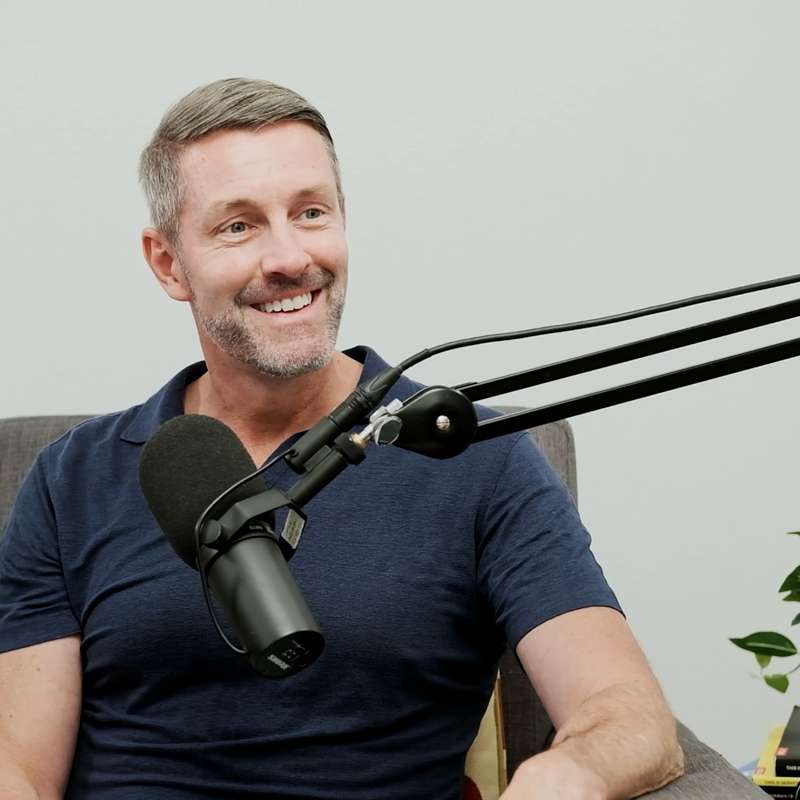 Chad West
There's a finite amount of real estate. I trust the real estate market a lot more than I trust the stock market here. I mean, here's the question. Like we will add 5 million people to the DFW region in the next 10 years. Like, do we just have a highway going over downtown? Do we have a highway going over West Dallas? Like we would just bury everything in the highways. Just go above us. You're listening to Building Dallas by Arrington Roofing.
When I was working on my lease with them, and he said, um, as a lawyer, he's like, you're gonna do fine. You'll, you'll make money. You might be happy, you might not. Uh, he said, but I will tell you, um, the people I know that are the happiest, um, they don't work that hard and they're not as stressed. They're in commercial real estate
from sunrise commutes. To Stormy nights from tough builds to big ideas.
¶ Meet Chad West: Army Vet, Lawyer, Developer, Councilman
We're shaping the future of North Texas. One story at a time. Welcome to
 Reese Arrington
Building Dallas. Hello. Welcome to building Dallas. My name's Reese Arrington. Today I have Chad West. He's been an oak cliff for, uh, how long now, Chad, I've lived in Oak Cliff for about 16 years. Okay. 16 years. He's from Southern Illinois. Attended Washington University in St. Louis. Became an army officer. Uh, went to Texas Tech. Go Red Raiders. Red Raider family. Oh yeah. And then started a boutique law firm in Dallas and then now is doing. Express car wash businesses.
And you've been city council membership member in In district one for, it's been six years. Going
Chad Weston six years. That's
Reese Arringtonright. Six years, yeah. So, wow, man, you have, uh, quite the resume. Yeah. I tell people I'm
Chad Westa recovering lawyer now, so I always recovering. I practice law for most of the time. I've lived in Oak Cliff actually a little bit before that and realized after that I started getting into commercial real estate. And on the development side, on the car washes, and then also owner operating side of it. So we two arms, you know. Okay. And, uh, and it's, it quickly consumed all my free time that the city and, and my kids don't consume.
¶ How a Bad Landlord Experience Led to Real Estate Success
Reese ArringtonGotcha. For the most part. So, so you were, so it kind of happened not. On a quick trade off. You were doing the law thing and then you just had an opportunity to sneak into the car wash business. That's, yeah.
Chad WestIt, it, it really started off with, um, some adaptive reuse projects in our neighborhood in North Oak Cliff. Uh, I, uh, kind of fell into it. My, uh, guy was renting from was a real big real estate developer named Mark Miranda, who passed away. Business partners with Craig Shingle, uh, who lives in the neighborhood or is has a office in the neighborhood.
And when I, uh, started my law firm to hang out with my shingle, you know, I was a baby lawyer, I found these guys and, uh, and wanted to rent from Mark and he sat down and talked to me when I was working on my lease with them, and he said. Um, as a lawyer, he's like, you're gonna do fine. You'll, you'll make money. You might be happy, you might not. Uh, he said, but I will tell you, um, the people I know that are the happiest, um, they don't work that hard and they're not as stressed.
They're in commercial real estate, and, and he said, I'll teach you about triple net and how that works. If you ever wanna like. Sit down with me and do it. And I was kind of scared at the time because all I had were two residential rental properties and I had horrendous tenants. I had, it was partly my fault 'cause I didn't screen 'em right. And mm-hmm. Uh, it was constantly just drama all the time and they, and I would. One was in Lubbock.
I left my old house in Lubbock when I lived there for law school, and the other was back in my hometown in Illinois. And I was losing money on both properties, having handyman out there all the time. And I'm like, you know, I don't wanna be in the real estate business. It's, it's, it sounds awful. Yeah. And he said. He's like, just talk to me when you're ready to talk to me.
And over the next year we, we talked, and the first building I bought in Oak Cliff was the 900 West Davis Building, which is now, uh, it was my law firm for many years. Okay. And, uh, we, we went through an adaptive reuse of it. It was all boarded up, you know, you know what it is?
¶ Inside Chad’s First Adaptive Reuse Project in Oak Cliff
It's, uh, just down from Bebe Bop on that triangle by Starkey's Garage. Oh yeah. Yeah. Oh wow. One story. It's like a, an old, um, I think originally it was a gas station at Texaco. Wait,
yeah, yeah,
Chad Westyeah, yeah, yeah, yeah. That was my first building. We took off the side panels not knowing what was underneath them. Oh my gosh. And we found that gorgeous brick that we didn't really have to do anything with. It had been protected all these years. There was brick inside that we did do some restoration on. And, uh, and then, you know, fix it up. And we were all kinds of problems, you know, when you dig into these old buildings. Mm-hmm.
But, um, that was my first building and then I had several after that. Eventually I got into a car wash deal. It was much more complicated financing, bigger deal. So, uh. We ended up, I ended up having to kind of focus on that. So I sold most of those, uh, smaller buildings.
Reese ArringtonOkay. So is it true what you, what your mentor said about commercial real estate and are you as happy as you've ever been
Chad Westowning property? Well, he was in his sixties when he said that, so I think he kind of worked out all the kinks. Sure, sure. You know, I'm still in the, uh, the, the baby phase uhhuh of getting into the business. I will say that. I trust the real estate market a lot more than I trust the stock market. Okay. Or the economy. And how, you know, soft money is, you know, like in banks. Mm-hmm. I see real estate as an asset.
Another phrase I had heard is that, uh, there's a finite amount of real estate. No one's. Creating more. It's what you've got is what you got. Mm-hmm. So the value over time is always gonna go up. Mm-hmm. And I just never had that kind of trust in the market. So I feel safer putting my investments in real estate.
Reese ArringtonSo we have, you know, times when we have these bubbles and they burst. Yeah. Right. I mean, so do you think that. Your, your position is that just over time it's all gonna level out and it's gonna keep increasing, um, and you're gonna stick through any type of, you know, fallout that there might be. Um, is that kind of what, what you're saying? I mean, um, or is it just that the market in Dallas is just so good and
¶ Why Commercial Real Estate Beats Stocks in Dallas
so uh, so much, so high in demand that you just don't see it going south?
Chad WestUh, I would. Say like just the model I feel comfortable with. Mm-hmm. As a, you know, when I was an entry level investor who hardly had any money, and I was just trying to get into it, is to buy cheap in an area that you believe you bet on is gonna in increase. Right. And you put the work into it to, to fix it up. Um, so the adaptive reuse concept restoration, and then find the right tenant to go in there.
It worked for me initially in my first building was, I think I owned it two and a half years before I tried to do a second one. Okay. And, uh, it worked for me 'cause I was the owner occupant. I was already paying, you know, like 3,500 a month or something in rent and utilities and all that to mark, uh. I could shift most of that cost over to my, uh, mortgage to pay for my building.
So the numbers really worked for me to, to be a owner occupant and to, to put value into that asset as opposed to paying rent to somebody else. Yeah. So you mentioned
Reese Arringtonsomething net, net three earlier. Is that what you said? Triple net. Triple net, yeah. Alright. I'm not. I'm not in real estate. So for everyone, you know, watching out there, that's not, you know, can you describe what that, what that is?
¶ Triple Net Leases Explained: How Commercial Real Estate Works
Chad WestYeah. No, it's, um, it's a, it's used in a lot of commercial real estate deals. So if you're a residential homeowner and you're renting out. Your property, right? Then you just give the tenant one amount. Like, all right, tenant, you're gonna pay me $2,500 a month. The tenant goes and deals with their electrical and all that stuff on their own. But if the roof leaks, if something breaks, a pipe breaks, like the landlord's gotta come in and fix it, or his handyman, right? Mm-hmm.
Um. Commercial property. What's different about that is most leases are written where the, uh, the insurance is paid for. The building is pa. The cost is passed along to the tenant uhhuh. The, um, the, uh, repairs and maintenance except for the roof, interestingly enough mm-hmm. Is passed along to the tenant. Landlords typically under most leases, maintain. The responsibility for the roof. But everything else, if a pipe burst, if a window breaks, somebody shoots it out. Mm-hmm.
Um, if there's flooding, a lot of times that falls on the tenant. And then the third thing is real estate taxes. If real estate taxes goes up on, on the house, you're renting to somebody. You gotta eat that cost, right? Or raise the rent on your tenant. However your lease is tracked. So if your real estate taxes go up $500 in the year, the tenant's gotta absorb. That kind of sucks to be a tenant in a lot of cases. Um, but if you've got the right building, they're willing to pay it.
'cause they're making so much more, you know, on, on, uh, their product or whatever they're selling, right? Mm-hmm. Right. But the beauty of that is. You're insulated as a landlord from a lot of the maintenance, uh, a lot of the cost escalations. Um, it's, it's riskier for tenants in the commercial world versus it's also easier to evict a commercial tenant. They don't have as many protections. Yeah. If they're a bad tenant, you know, as like a residential one has. Mm-hmm.
And, and for good reason.
¶ Are Commercial Property Owners Really Happier?
That's where someone lives, you know? Right. No, of course. Yeah. Someone
Reese Arringtonjust works there. Well, then that makes me. Kinda understand why that guy said that being a commercial, uh, owner is a lot more, uh, less stressful, at least happier than lawyers. Yeah, he was, oh, he was talking about the lawyers.
Chad WestHe was kinda talking about all, all professions. But he was specifically talking to me about a lawyer. He was like, yeah, my lawyer, all of the lawyers I know, uh, are, uh. You know, they're, they're, uh, miserable. They're kind of miserable. Yeah. And I, at that point, when he was talking to me, I was a baby lawyer. I was really happy. And most of my career I've been very happy as a lawyer, but mm-hmm. I didn't wanna do it.
You know, you have to be a very special kind of person to wanna do it your whole Yeah. Career. You gotta just kind of love the fight if you're litigator. Mm-hmm.
Reese ArringtonSo, okay, so now you've got the car washes, you've kind of moved on from all the, the small residences, everything, the commercial properties you have. Mm-hmm. So where, what's your kind of, you know. We like to talk about what's next in Dallas. You know what area we're in, west Dallas.
¶ Is West Dallas Already the Next Hotspot?
There's a lot of development going on over here. You know, is this the next big spot in
Chad WestDallas, do you think? I, I feel like it's already here. Yeah. I mean, it's already here. I was just driving over to your, your studio and I, there's, there's always something new that's coming up. Mm-hmm. You know, I was coming along Commerce and I'm like, I don't remember that building being there before. Yeah. You know, it's, and it's, and then there's one that was kind of decrepit and not taken care of, and now it's beautiful with new windows and there's a mural on the side. Mm-hmm.
Just down commerce a little bit. Um. I, I feel like it's already here. I think like what's after West Dallas? I mean, I'm looking at Oak Cliff of course. Yeah. You know, you know it well. And um, we did as part of my role on city council. Yeah. Uh, the West Oak Cliff area plan. It took me three years, uh, to go through it. And we started during Covid, so that. It's part of the challenge, right? Yeah. Trying to get community engagement during Covid mm-hmm. Is pretty tough.
And, um, we found a lot of little areas that have, um, uh, that they're like little neighborhood centers that used to be really alive back in the, uh, days of the streetcar back Oh. When Dallas had street cars back until they were ripped out in the forties. And, uh, those areas, some are still alive. Um, some are completely dead. And I think over time those little areas. Could come back really? You know, downtown Elmwood I see is really happening right now. There's property trading there.
There's money in the bond too. Mm-hmm. To fix up their streets and make it a complete street. I'm excited for them.
And we just did a study, um, on what I'm calling for now, far West Oak Cliff, which is the area of Pinnacle Park with the Walmart over there off 30 Cockrell Hill. Yeah, yeah, yeah. There's a 200 acre city owned park that no one's touched. That's over there. Um, and then. Hundreds and hundreds of acres that need infrastructure, and they've just been neglected, you know, for, since the fifties. I mean, so we're gonna work on that. I, I take 30 to get to Cocke Hill.
Reese ArringtonI don't, I don't go through a cliff, you know, like through, uh, down Davis or anything because
Chad Westit takes forever. The roads are messed up. The roads are, yeah. You're absolutely, you're gonna, you're gonna bust a tire, you know? Mm-hmm. I mean, there's, it's down 30.
Reese ArringtonNo, there's neighborhoods. Um, you know, over by Tom Thumb, right. That are, you know, really nice neighborhoods, you know, down Hampton, uh uh, or down Jefferson past fourth Avenue if you're going west Beautiful neighborhoods. That's right. You know, and it just seems like there's not, there's not enough retailers. Not enough. You know, we have some food deserts kind of here in the area in Oak Cliff.
It seems like, you know, I grew up having to drive all the way down to Tom Thumb, you know, um, so, you know, when we're developing this area, like, what, you know, what, what do you see as someone on city council? Like what, what are the plans to kind of solve those type of problems?
Chad WestWell, um, the, for anybody who voted for the 2024 bond, thank you for that. Mm-hmm. Okay. Uh, the bond was, uh, so if you voted in November, 2024, it was on there at the very end, after all the other. National and state stuff. Uh, very important thing that has helped us as a city to bring in retailers has been, uh, the economic development piece. So we have sprouts coming to, uh, yeah, that's right. That's right. Yeah. It's gonna open in June, supposedly.
Okay. You know how construction delays work? Yeah. Uh, but it's at the corner of Fort Worth Avenue and, uh, Hampton and that project would not have happened if we hadn't had economic development dollars. Really, uh, thanks to, um. Well, partially the 2024 bond. I mean, we pretty much used most of it to close that gap on the, uh, financing for Sprouts because construction costs went up over time and it just wasn't gonna meet the, meet the threshold. Yeah. Neighbors tell me overwhelmingly.
Um, and it doesn't matter where they live in Oak, cliff, rich, poor, brown, black, white, um, they tell me they want more grocery store options. Yeah. And so we're working on it. What I'm hearing from the real estate professionals who do.
¶ New Sprouts in West Dallas? Here’s How It Happened
Site selection for Central Market, HEB and some of these higher end grocers. And then the small places like, uh, trader Joe's mm-hmm. Is that we, we just don't have the density and the demographics yet. Okay. So, um, you know, there's, there's pros and cons with, uh, bringing in more like, you know, higher income demographics, the gentrification that comes along with that. And it's, it's a real issue in our neighborhood. It's a real challenge.
Um. But on the density, that is something we can control. And it's something that is welcome if you do it in the right places. And so along 35, that whole corridor over there, um, 35, uh, uh, west of 35, south of 30. Mm-hmm. So if you think of Jefferson and Colorado, the Oak Farms development. Um, what's over there that everybody would probably think of? There's a dart service station for trucks over there. Hmm. Um, basically where the zoo is that area? North? Yes. Yeah, yeah, yeah.
Where the zoo is north along the highway. Mm-hmm. There's no residences on the west side there. It's, it's all like parking lots and car dealerships. That's a perfect area for density. Yeah. Um, to bring in the hundreds and hundreds and. Maybe thousands of new neighbors.
¶ Why Oak Cliff Still Lacks Enough Grocery Stores
We need to bring in more retail.
Reese ArringtonAnd what about, what about all the big apartment complexes they've put up, down, you know, Beckley Avenue, like just, just over here? I mean, is it, it's just not substantial enough to, to support,
Chad Westit's, it's, it's not raising the amount of, um, numbers we need to justify a larger grocery store. I mean, HEB. Owns, uh, at least that's what I'm being told. Mm-hmm. Uh, HEB owns the lot over by novel Bishop Arts, which is, uh, Zang and Davis. Mm-hmm. You know what I'm talking about, where the CVS is. The streetcar ends there. Yep, yep. Yeah, yeah, yeah. So if you think about where the streetcar ends, it's the north. East corner.
There's that large apartment complex that's got coffee shop in it, it's called Novel. On the other side of that, just east of that down, Davis is a big vacant lot and HEB actually owns that. Um, we've met with them. We've tried to get them to do something with it. It's not on any plans right now to do construction there. At one point it was, they had told me we would be after the rebuild on the, on the McKinney site that they own. Mm-hmm. You know, they own the, the former Albertsons there.
Okay. Excuse me. Okay. On McKinney, uh. In West Village. Yep. And after that's built, we were supposedly next, but we're not on any construction planes now. Okay. Um, but there's an opportunity, I mean, you have the ho the Oak Farms development, which is over the right there looking at downtown, at the north northeast part of the district. Uh, there's a lot of land over by Methodist Hospital, um, just east of Beckley.
Um. And then, uh, there's, there's a couple of larger lots along Davis, just down by Encina. You know, Rick Garza owns a, a great piece of property there. Yeah. I would
Reese Arringtonsee Rick at the Veranda. Yeah. No, Rick, Rick is, uh, I saw him this morning actually at the, uh, Davis Street Coffee or whatever. Oh, Ty Typo. Is that what it's called? I, I forget.
Chad WestDavid Typo. Is that Typo is the, is the building. Is the building and then it's Davis
Reese ArringtonStreet Espresso.
Chad WestYeah. He goes That's his place. Yeah. He's there every morning. I see him there all the time.
¶ What’s Blocking Trader Joe’s and HEB from Moving to Oak Cliff?
Reese ArringtonYeah, I know. Hey Rick, if you're watching. That's so funny. Yeah, I, that place is always
Chad Westso busy. I can't, I mean, I'm happy for the owners. I can't get a seat when I go in there. No, no. I had, it's packed and yeah,
Reese ArringtonI met a buddy there this morning and it was, it was definitely packed. And I don't think they have wifi, which is like really kinda Oh, it's interesting. They
Chad Westdon't want you hanging out, but, but people still hanging out there. Yeah. You can't, they can't get rid of, you can help it. Yeah.
Reese ArringtonYeah. No, that's really cool. Um, well, so that's the one thing that, you know, if Dallas residents ask, Hey, where are my tax? Million dollars going. It's like, Hey, we're trying to bring in these, you know, grocery stores, et cetera, so that we can have, you know, easier access to food. Right. That's like one, that's one thing that. You know, we're doing, is that kinda how, how it works? No, that's,
Chad Westthat's a fair statement. Um, yeah. Uh, so it's, it's a little bit different, um, pot of money when you talk about economic development incentives, in this case at least. Mm-hmm. It's bond dollar. So a bond's kind of like a responsible way to use a credit card, I guess, if there is a responsible way, it's like a responsible version of a credit card. We, we, uh, we, we, uh, we put a bond out. We raise most large cities, do this.
Raise, you know, in this case, $1.25 billion, that money spent across the city on different things and then increase in, um, value, the value of land over time. Pays that back versus your, your average property tax dollar right now, um, goes to mostly pay for police and fire. You know, our largest bill in the city is, is public safety. Uh, sure. And, and. And it should be, it's a priority for our residents. Uh, pays for road repairs, stuff like that.
Mm-hmm. Mm-hmm.
Reese ArringtonOkay. Yeah. Road repairs, infrastructure. I mean, those are the things that we care about. You know, every maintaining safety. Yes. Every
Chad Westsingle. Year, um, for, for six years now. I've heard from our residents, and it's always been either public safety or streets and roads have been one and two in their priority. Oh, wow. And again, it does not matter what your race is. Right. Uh, what your income level is. Uh, people. All value. Uh, right now it's actually infrastructure is their number one priority.
¶ How Road Infrastructure Impacts Home Value in Dallas
It's mm-hmm. Streets, sidewalks, and alleys, and then public safety. And then I believe it's parks after that.
Reese ArringtonYeah. I mean, and, and really, I mean, we do have a lot of parks here in Oak Cliff.
Chad WestOh, that's
Reese Arringtongreat. I mean, it's awesome. I love it. And so that probably it's like. You know, sometimes there's just trade-offs, you know, if we wanna have density mm-hmm. We can't have the density we need if we have parks. But then who, who wants to get rid of all the parks that we have? I mean, I, I found out it's like, is it lit Cliff or there's a park up here that has a DISC golf course, it's called Founder's Park Founder. It's, yeah, founder's Park. And I had no idea it was there.
And all of a sudden I'm like, I love this place. This is awesome. You know, I still haven't played, uh,
Chad Westdisc golf there. I need to do that. Yeah, it's, and it's right there in our neighborhood. It's crazy. Yeah, it's right there. We're actually going through a visioning statement right now. Our visioning. Uh, uh, like in a collection of input right now for Lake Cliff and Founders Park. Mm-hmm. We haven't put much money into it as a city in, in a long time.
It's a, they're beautiful parks, but as we look 10, 15, 20 years down the road, um, we have to, um, we have to think about what's in the future. Yeah. It needs to be dredged. That lake hasn't been dredged from all the silt and stuff in it for, I don't know when it's been a long time. There's some historical elements that need to be fixed up.
And so, yeah, no, I mean, I would just say, you know, if I can put a plugin for people who, uh, do care about the park to come to the city's website, um, come to my page as a, as their city council person, you can follow my, um, my biweekly newsletter. We send out survey things through that and, uh, request and so people can actually provide input, uh, for us that we can take, take back and use it.
Reese ArringtonYeah. Very cool. Very cool. So I wanna go back to kind of, you know. You left, you left the law firm, you got into the car wash business. Mm-hmm. And you joined city, you know, ran for city council. I mean, what, what got you there? You know, what did you see in the current city council at the time that you thought, you know what I need to be on, I need to be a part of this?
Chad WestYeah. No, I mean, I think service has always been. Just a core value of mine, service to community.
¶ Why Chad West Chose Public Service Over Private Wealth
That's what drew me to the military. You know, I did military for four years, but I
Reese Arringtonhad no idea. You did?
Chad WestYeah.
Reese ArringtonSo that's awesome. Thanks for your service. Yeah,
Chad Westno, definitely. It's, uh, that was, uh, one of the best times of my life and, uh, the Army's what brought me down to Texas. If it wasn't for the Army, I would never, would never even come to the state. And, uh, it really made me the person I am today, you know, my experience in the military. So, you know, it was already, already. Kind of ingrained in me, like to, to, to just have that intrinsic, you know, desire to, to just be part of something bigger than myself, right?
Mm-hmm. And, um, when I, it was kind of a weird path, like when I, uh, when I, uh, first moved to Oak Cliff, um, I wanted to start meeting people. I wanted to, I, I also opened my law firm right after I moved to Oak Cliff. And, uh, I didn't, you know, I opened my law firm. I had no money, uh, because I'd, I'd left my big law firm job mm-hmm. And had every bit of dollars I made there. I'd paid off debt and all that stuff.
And, uh, started my law firm with, uh, $10,000 in credit card debt and one client. And, uh. And ended up like a lot of people in Oak Cliff, you know, it's a very entrepreneurial, uh, place to live. And that's one of the things I love about our neighborhood. But I got involved in the Oak Cliff Chamber, uh, of commerce. Mm-hmm. Which was a great move for me because we help each other entrepreneurs. Definitely support each other.
No, cliff, I mean, you guys used to be down at wax space for a while, right?
¶ The Origin of Dash for the Beads Race in Oak Cliff
Mm-hmm. Yeah. And uh, you just know how many startups down there support each other. Oh my gosh. Yeah. And help each other. That's very cool. Um, and then the second thing I did is I actually started the dash for the beads. You did? I started that. Oh yeah. On a 15 years ago. Uh, uh, sitting at what used to be Jack's backyard down the street from here, which is now Henry's Majestic. Yeah. Isn't it now? Yeah. It used to be chicken
Reese Arringtonscratch and foundry. Chicken scratch. Yeah, exactly. Yeah. So
Chad Westit's gone through a few, it's kind of still looks the same as when it was Jack's backyard, to be honest, really. And, uh, uh, I mean the, the setup's still the same, but I was there with a buddy of mine. It was happy hour and we'd might have had a few cocktails and uh, and decided we needed to do a 5K in Oak Cliff. 'cause there wasn't one. And it literally dash for the beads was created at that moment on the back of a napkin.
And, um, you know, fortunately now more responsible people have taken it over. It's, it's a lot more successful than it was in those early years. But, uh, it was the combination of the chamber and the dash for the beads. I met a lot of people in the neighborhood and. Ended up meeting our former council member, uh, Scott Griggs.
Yeah. And, uh, worked with him on some chamber stuff and, uh, saw through his work just how much more you could do for the community, how your, your, your ability to serve, uh, could really be expanded upon. Mm-hmm. I also love new urbanism. I, I love activating as, as you know, from what I told you a few minutes ago, I love seeing. Old spaces come back to life. Oh, yeah. And, and the preservation aspect too.
And so through good planning, uh, and through good ordinances and good zoning, um, how you can bring places back to life. And so that really was what inspired me to run early on. Yeah. I mean, I know
Reese Arringtonyou were just at, um, what Tyler Street Station LA a couple weeks ago doing, doing another podcast, right? Yeah. I was cheating on you guys with the bars. I know on the, you just talked about wax space and um.
¶ How Community Events Shape Stronger Dallas Neighborhoods
I mean, it's just, it's, it's so cool when you go to that, that area and Oak Cliff has so many of these old buildings. I mean, you've got, you know, even Gloria's is an old firehouse. Oh, that's awesome. They turned into a restaurant that's really awesome. You have all Bishop Arts and we know what, you know, Jim Lake, Dave Spence do over there. So there's so much rich history in Dallas, especially around bishop arts. People love it. They
Chad Westlove coming to see. You can't recreate something like that and make, make it feel authentic. It's got to be organic. Mm-hmm. And that's how Bishop Arts became what it is. And Jefferson, I mean, has been, um, a lot of it's been maintained really well. And, and there's, there's, it's such a vibrancy there as well. Mm-hmm. You know, both Jefferson and Bishop
Reese ArringtonArts. Yeah. And, you know, there's this blend. I mean, we have the new stuff. Yeah. Right. Bishop Bar has some new stuff, but this blend of the old and the new and people working together is really cool. I mean, um, and on top of that, I, I was at a. Chamber meeting, I may have been a little bit ago, but they were talking about bringing back some sort of train or accessibility. Did, do you know anything about that? It may have been some sort of, um, walk path or, or tram system for Oak Cliff.
Yeah, it was, it had to do with, with Oak Cliff, I think it went around. Uh, Bishop, it went to Bishop Arch, maybe around it. Well, I don't know. You may be thinking about the
Chad Westcity's streetcar master plan. You maybe. So, yeah. So, um, we currently, we have a streetcar as you, you know, that goes from the Eddie Bernice Johnson Union Station mm-hmm. Downtown, and it comes into Oak Cliff and it stops at Bishop
¶ Will Dallas Expand Its Streetcar System? Here’s the Plan
Arts at the corner of Davis. And, uh, uh, Zane. Right there. Yeah. And so it's, uh, there's a bunch of Alamo Manhattan apartments right there. Um, and you can get off and go into Bishop Arts or, you know, wherever you wanna go. Mm-hmm. Um, the streetcar master plan, uh, proposes to take the northern part around the convention center and go up through downtown. I don't know exactly where it's gonna go. Okay. I think that's up for negotiation and then make some kind of meaningful connection.
To the M line trolley, which is in on McKinney. You know that, that troll? Oh yeah, yeah. Okay. Now those two lines are, the tracks are different, the train types are different, and neither one is gonna be changed. So they're gonna have to be, there's a, a, some kind of stop. Hmm. And where people don't mind getting off and hanging out for a minute to switch trains. Right. 'cause otherwise it's gonna kind of suck if you think about it. Yeah. So they.
It'll probably be something like, you know, Clyde Warren Park, uh, like a logical place to, to have them meet up the other end. On our end. Uh, the proposal is to go down Zang till you hit Jefferson, hang a right and go to the zoo. Okay.
Reese ArringtonThat's, yeah. It's so interesting. I mean, you know, we, we look at. I saw a map on Instagram the other day. It's like the train systems in the United States versus train systems in Europe. Mm-hmm. And I mean, it's, it's incomparable, you know, we're massive and we developed so fast and it was hard. You know, it's hard to retroactively create those, connect that connectivity in a city. It's hard.
I mean, and so, and so, it's interesting to see, okay, here's the problems we're facing, which is, well, this area of town developed tracks like this and this area developed 'em this way, and now they just don't. It'll match up. So it's interesting to see what we're up against and the dreams that, you know, people, citizens might have and even the council members might have and, and what kind of gets in their way. Uh,
Chad Westyeah. No, I mean, we're a city that was, um, we had amazing public transit back until the 1940s.
¶ Can Dallas Ever Compete with European Public Transit?
Mm-hmm. It was privately run. Interestingly, our bus lines and our, our streetcar lines were privately run. I have a map in my house, um, that I. I had printed, and you can get it online and it's, it's the old streetcar map. Uh, it's, it's really awesome. Those were all ripped up. And of course, as you know, like, uh, you know, we are a very car-centric city now. Yeah. And so it's, we're designed by, by people who are engineers who wanna move cars as fast as possible. Mm-hmm.
And most of the engineers in the county and in the city, you know, they're great people. Very smart. They have that focus on moving cars as fast as possible. Right. To the detriment of cyclists, pedestrians, other kinds of people. So any win we can get with, um, with, uh, streetcar, uh, public transit, we gotta take it. You know, it's, it's, parking reform is a big thing, which we could go into that on its own podcast probably.
But yeah, it's, uh, we open, I open that actually, uh, back in August of 2019 because. The, the fact that we are such a car-centric society, um, has driven us to create all these parking spaces everywhere, which just perpetuates the problem. Yeah. The driving mentality. Yeah. And parking is so expensive to. To, to be able to, to provide that. It drives up the cost of housing, which is a problem that we're facing in the city.
Um, and it help, it prevents small businesses in a lot of cases from opening. I have, I've had two coffee shops in downtown Elmwood that couldn't open despite. Ample street parking because they didn't have the parking spaces in their 1920s houses that they wanted to open the coffee shops in. Wow. So it's, it's hurting our small businesses doing this. So, parking reform right now as we film this is at the plan commission,
¶ Why Parking Reform Matters for Small Businesses in Dallas
and it will be coming to city Council, hopefully, hopefully next month.
Reese ArringtonYeah. So if we want any type of change, there's gonna be some sort of. Growing pain's gonna come with that.
Chad WestIt's very hard. Change is hard. Yeah. We're cities are built to resist change. Mm-hmm. Which in some ways is good because you don't wanna do something fast and reckless. Right. Um, but it's also mind blowing, like how hard it is to get a micro change. So then we really
Reese Arringtonneed, we need government, you know, people in government and people in the private sector to work together on some of these things to really make this happen. 'cause I mean, you know, um. Like it's hard for someone like that wants to make coffee shop and they can't get the parking for it. Mm-hmm. Um, for them to want to make that endeavor, especially if they're starting up something and don't have just endless amounts of capital.
So it's kind of the more established business owners that need to come in to try to help make, you know, something happen. I mean. How are, are there ways for people to donate to these causes? I mean, I mean, you think this is a massive scale operations. I mean,
Chad WestI think using parking reform as an example. Mm-hmm. Um, when somebody hears of an example of a, uh, you know, I spent. $50,000 trying to open my business, um, just getting my parking
¶ How Parking Rules Hurt Entrepreneurs and Investors
worked out at the permit office. Or you hear of someone saying, I tried to open a, uh, beauty salon and I didn't have the parking, so I, I couldn't do it in Oak Cliff. I had to go to Plano. You hear those kinds of stories Okay. Which are real stories. Yeah. Uh. Then you at this point, the best thing you can do is let your city council person know, or tell that person who's complaining to you or sharing you know, their story. Mm-hmm.
To actually go share that story with the media or go to share that story with city council, like we need to hear that because a lot of decisions are made in a vacuum without talking to people, most council members and most. Commissioners that are making these decisions mm-hmm. Are not business owners, they're school teachers or, um, you know, they're, we have a, a, a cook on city council, we have lawyers and it's great people with great life experience.
Um, but on this side of it, when you're talking real estate and zoning and planning, right. Um. They need to hear these real life stories. Mm-hmm.
Reese ArringtonBecause, yeah, I mean we, you know, we have a lot of preservation, you know, conservation historic districts in Dallas and especially in Oak Cliff. And we've done roofing work on a lot of properties and you know, I. You know, some of these things like, okay, I gotta, I gotta get a permit to change my internal fireplace that nobody even sees from the street. Or, you know, yeah. What kind of material do I have to use?
So I'm sure the businesses have those same hurdles, which then deters, you know, these boutique shops that really have historically don't Cliff. Look at Bishop Bar, you know, Jefferson and places like this that have really made us unique. You know,
Chad Westit's the hardest for, and it shouldn't be. It's the hardest in the permanent office. For the adaptive reuse projects, if you think about your projects that are like the old buildings versus a new build, right? It's always easier to do the new builds, right? I mean, correct me if I'm wrong, I'm assuming like, if it's like a, a new build, it should be pretty easy, right? Yeah.
Reese ArringtonRight, right. I mean, it's, it's, it, it's keeping, keeping things looking the same, you know, that can be tough, but, but, um. I guess any, any type of going into, into the offices to get a permit can always just take time. You know, it just takes, it can always take
Chad Westtime. We need to do a better job of encouraging people to preserve what's there mm-hmm. And restore it versus rip it down and put up something new Right. When, whenever we can. Mm-hmm. So, so, so, so make it easier in the permit
Reese Arringtonoffice. Right. Right. And I think that would encourage people to do that if it was. Easier and didn't take so long to get things approved. Exactly. You know, and that's what's really been painful for us is like, oh my gosh, I, I've gotta file this permit and it's not gonna. Get back for four for, you know, four weeks, you know? Well, I need to hear
Chad Westthose kind of stories. City staff needs to hear those kinds of stories. Like it, it, you know, I did this in Mesquite or Fort Worth. Mm-hmm. And it took two weeks, exact same kind of project and it took four in Dallas. Right. If that's the case. Right. Yeah. We need to hear those stories in examples.
Reese ArringtonYeah. So another interesting thing on infrastructure that I saw is the I 3 45. Uh, from, you know, coming down 75 through Deep El. Yeah, I mean, when I heard about this idea, I thought it was just insane, but like, I'm still thinking about it. I'm like, this is interesting. I mean, you know, it seems like there's a lot of, um, could be complications. There are a lot of trade offs, but can you tell people what this. Idea would be to take, take down the highway.
Chad WestI mean, I think it's a, it's a dead issue now, really.
¶ The Big Debate: Should Dallas Remove Highways Over Downtown?
We've got the federal, state, and local. Everyone's lined up on doing the trench idea what kind of like what 75 is, so,
oh, gotcha. But I, I would
Chad Westlove to talk about it. 'cause if it could ever come back to life, it would be it. I think it's the way to go. So first of all, you've gotta decide as, as a person, do you feel like. Expanding highways more in Dallas is going to help alleviate traffic, or is it just gonna encourage more traffic? Hmm. Um, my philosophy is if you look at our highways have been expanded in in recent decades, and, um, traffic's just getting worse. Like if you drive around the city on the weekends or.
God forbid on during rush hour, uh, you're in traffic all the time. Yeah. You know, you're in traffic all the time. And expanding highways is just gonna add to more of it. I think we need to, we need to be more creative about, well, I think you be more thoughtful about expanding highways just encourages people to live further out of the city and drive in to do things versus.
Make it harder to do that and take back some of this space for our residents and build more housing and more opportunities for the people who live here. Mm-hmm. Rethink our transportation grid to focus on Dallas instead of. You know, um, far north Dallas Right. You know, uh, uh, Plano and, and Mesquite and Arlington like, you know, great. That, that is, understand that TxDOT wants to move cars around more fast. Mm-hmm.
¶ 5 Million People Are Moving to DFW — What Happens Next?
But we as a city want to also have streets that are safe for our residents. We want to have more green space. And frankly, the I 3 45, here's what, here's what it's, yeah. I 3 45 is a one mile highway mm-hmm. That connects. Mm-hmm. 45 to 75. It's, it's, it's the completion of the, the noose around downtown that strangles downtown all the time. Mm-hmm. You, if, if that went away, let's just pretend it went away.
The street grid would be reconnected and you could have a completely open highway free experience walking to Deep Ellum from downtown Dallas, completely reactivating, um, dozens of acres of land underneath the highway. Mm. That is not something supported by, Hmm, everybody I mentioned earlier. Yeah. Uh, it was proposed. There were three proposals because the highway's ending the near and ending the coming to the end of its useful life, it has something has to be done with it.
The first, uh, proposal was to rebuild it as it is elevated highway. Second proposal was the other extreme. Which is what I've supported, which is you take it out entirely and you boulevard everything.
Yeah.
Chad WestWhich would theoretically, under today's traffic count, slow people down by about eight minutes. Okay. So they'd exit the highway, they'd boulevard up and they'd get out of there.
Mm-hmm.
Chad WestUm, the third proposal, which is what we ended up on, which is what TDOT wanted, was a, um, a trench. The trench is similar to the Highway 75 experience. So instead of an elevated highway, it's below ground. Yeah. With a lot of exits and, and bridges that go across it. Um, similar situation. That's probably what we're gonna end up with. I don't think, I think we can do better. I think, um, at some point when. When is enough, highways enough,
Reese Arringtonyou know? Right. Well, I see your point. I mean, um, this, it seems like the point becomes for the city of making these highways bigger is, well, we gotta get people from Frisco down to Dallas because they work in all the skyscrapers. It's like, you know what, you know, what are we doing here?
¶ What Kind of City Do Dallas Residents Really Want?
I mean, is, is the Dallas, you know, traffic, uh, scape gonna be a hundred, a hundred miles north to south? I mean, you know, or, or, or do, or is it okay to have. Smaller communities within Dallas as a whole, you know, and, and how do we, how do we encourage that? And if, you know Dallas, you know, I guess it probably comes down to money, you know, it does. I mean, on, on, on some, some things it's like, yeah, well, you know, if we. You know, get people down here.
Then Dallas gets more money to do other things. But then what else are we doing? We're just spending more money to fix all the highways we're building and all the bottles that all this traffic is causing. So it's like this double-edged sword. I mean, this seems like how do we win
Chad Westhere? I mean, here's the question. Like we will add 5 million people to the DFW region in the next 10 years. Like, it's gonna, it's, it's 10 or 15, five million's coming, let's just say that. Yeah. 10, 15 years. And, uh. If you subscribe to the philosophy that, alright, as more people come, we need to widen our highways, where does it end? Like, do we just have a highway going over downtown? Do we have a highway going over West Dallas?
Like we would just bury everything and the highways just go above us, like mm-hmm. At some point you've gotta say, enough is enough. Right. And we are gonna reclaim some of the space for ourselves, for our city. Yeah. And. If y'all wanna come here and we want you to, like, it's gonna take a little longer, enjoy things. Mm-hmm. Just stop at this business along the way and, and pick up breakfast there or what have you.
Reese ArringtonYeah. What, what is the experience that we want to have as residents of Dallas? That's right. You know, that's what I, I mean, that's, I think what everyone watching you think about, you know, on this topic is what do you want your life to look like? And if you, and if you know we have. Guys like you that you know, people like you that are here to hear those concerns and say, Hey, you know, we have a say in this.
We have a say in what, what our community's gonna look like, especially in district one. You know, you still get to vote on things for dos and as a whole.
¶ How Residents Can Influence City Planning (and Why It’s Hard)
So, you know, this is, this is I think a discourse that needs to happen more often. And I, and so, and I know you were a proponent of having y'all's meetings, your monthly meetings still in the afternoon or still in the evening so that people can. Still hear kind of what's going on is mm-hmm. You know, when, when is that, and when can people come to those meetings to voice any of their concerns?
Chad WestMan, I think, I mean, there's so many meetings. Yeah. Like coun, being a council member is a, uh, I mean, it's, if you're doing it right, it's a 50 hour a week job. Oh, wow. In addition to your real job. And, and then there's also various commissions that deal with everything from arts to, you know, zoning and parking reform mm-hmm. And stuff like that to parks. I mean, there's so many, like you literally. And we all meet at different times and different days.
Okay. So I think the best thing a, a, a resident trying to figure out what's going on in the city could do is follow their council member for sure. Mm-hmm. On, on their official city page. Um, and then figure out what your passion is. If it's, if it's land use and uh, transportation and stuff like that, then figure out. You know what's happening by through your council member's office.
Yeah. And then you can start following, following that if your passion's parks and you follow what the parks board is doing. Um, you know, we have a ton of things going on in parks. I don't even know what's happening in all of our parks in Oak Cliff. Sure. Because. I mean, our people who are into parks, they're, they're wild about it, and I love it. Yeah. You know, my kids, my kids love going to our parks and, um, and I have to like go look it up to find out what's going on there.
I don't have all that information. Mm-hmm. So I, I think that's the best thing to do. Like the city puts out information, but usually it's very hyperlocal if you follow your council member. Um, as well. I also find like for good citywide. Big, big stuff going on, like 3 45, for example. Mm-hmm. Like I really read D Magazine a lot and I follow some of their writers, um, because they deep dive more than other publications on the big issues.
Reese ArringtonYeah. Okay. Mm-hmm. So they're kinda
Chad Westlike new urbanism, but that's my passion is new urbanism.
Reese ArringtonYeah. You know, sometimes it just feels like the, the power, you know, there's these powers that be, that are making all these decisions, you know, and it seems like then, then you know, the people. We get to really do is choose between a couple options. You know, where do these, where do these ideas trickle down from? I mean, you know, where, where does this start? Where does this i I 3 45 thing start? Where do these streetcars ideas start?
Um, I. I know, you know, we are a, you know, um, democratic republic and we, we elect people that then go make decisions for us. And it's like, okay, that, is that where, that's just where it starts? I mean, how do we feel like we have equity in the decisions that are being made and the, and the ideas that are even being brought to the table in Dallas? Is it, is it.
Too out of reach for a guy like me or, or, you know, um, is it just come down to demanding that the, our elected officials platform on something that we care about?
Chad WestWell, that's a, that's a million dollar question. I mean, there's so many issues and there's so many residents.
¶ The Truth About How Decisions Are Made in Dallas Government
Like we have in district one, 90,000 residents, and we've got, um, you know, like. Our Zo, our, our voting docket agenda is, is a hundred to 150 items any given Wednesday. Mm-hmm. And so it's impossible to like. I wish I could like lay everything out for everybody at all times and get collective feedback, but that's, that's a really hard thing to do.
So on big issues, for example, the Sprouts issue, whether we were going to approve the zoning, the zoning got denied for that even though everybody in No Cliff was, was says they want a grocery store. The zoning got denied, um, to, which would've prevented it by the plan commission because some of the commissioners did not like. The fact that we, that it was, they were gonna have to go outside the zoning overlay, um, for that issue.
I knew it was gonna be a huge community, um, uh, issue for them. Yeah. You know, it was gonna be, everybody's gonna be in an uproar like, okay, this grocery store is gonna be prevented because of some technicalities and the zoning language. However, there was some very vocal neighbors who do show up all the time and they let me know what they think and That's great. I, I appreciate that. Um. Who were truist purists to the zoning, they didn't want it changed.
Hmm. So I, I knew I needed, um, extensive neighborhood feedback on that. I did a community-wide survey that included not just my neighborhoods, but it was one mile radius around where Sprouts was gonna be. And we did a two mile and a three mile radius. And, and that included West Dallas too, even though it's not my district. Right. And so, um. I think on those, for me, the way I've tried to capture community feedback is on big issues that I know are gonna be controversial.
Um, I, I, I'll do a survey, I'll do a community meetings. Uh, I'll do more if asked. Um, but on your typical contract, like, are we gonna use vendor A or vendor B to pave this road? Like, I just assume there's, nobody's gonna have an input on that.
¶ Why Chad Believes in Preserving Oak Cliff’s Entrepreneurial Spirit
If we have a public hearing, every, everything we do is public. Mm-hmm. All of our meetings are public. Sure. And so, um. Those kinds of things. I don't hear from the public on. Yeah. I'm always, but with that all is being said, I am mm-hmm. Very open to constructive feedback on what we could be doing better. Sure. On outreach, because, you know, I know I'm not perfect. I know the city's not perfect. Mm-hmm. You know, but I think what's. What I like about is that we try to be,
Reese Arringtonyeah.
Chad WestWe try to do our best.
Reese ArringtonYeah. No, and I mean, I love the city of Dallas. I love Oak Cliff. I've had a great time meeting you. You know, I, like, I heard about you for years and this is like, I finally get to put a, a real face to the name and get to know you and, um, you know, we've been here for longer than I expected. Yeah. But, but this is good stuff and I hope this conversation continues. Um, you know, I know that. That there were some things we wanted talk about we didn't quite get to yet.
Yeah. But, but I wanna, let's pick it back up. Yeah. I want to give you an opportunity. Is there anything you want to tell anybody watching, you know, anything you wanna leave them with, um, today?
Chad WestYeah. I mean, I, I'm not sure who your audience is, but I have a feeling it's, it's, uh, it's a lot of people who, um, are interested in, in real estate and building in Dallas mm-hmm. And who may not have. Uh, reach with their, their city government, um, other than who they deal with at the permit office. And I would just say, uh, and correct me if I'm wrong on that, but I would just say you're right. You know, that's, that's good.
Yeah. Like what we're doing talking today and me just kind of answering some, some questions for you like. I'm open to do that with anybody and I have a really good relationship with the builder community. I'm the only person who develops, who is on council. I get attacked for that a lot. Yeah. Being a developer.
Uh, but I think it's good to have that skill set on council because I understand what people are going through in the permit office and having done my own GC for projects, uh, two commercial projects. Which I was complete disastrous, by the way. Uh, I would never do that again. Uh, I understand the, the difficulties. Mm-hmm. Um, you know, Oak Cliff is a, uh, just like the rest of Dallas.
Um, it's very special and we have a spirit, especially in Oak Cliff of, uh, like I said, entrepreneurism being a little different than everybody else and being cool about that. And I think our diversity makes us really special, so, yeah. Yeah. I'm, I'm happy to, happy to talk with anyone. Mm-hmm. And continue. Um. Figuring out how to make Dallas a better place to live. Yeah. Awesome.
Reese ArringtonYeah. Well, thanks Chad. Awesome. Thank you guys for tuning in. Wow. We've talked about, um, I feel like so much and that went by like a breeze. But we'll be back with more building Dallas next week. See you Allall day.
Thanks for tuning in to Building Dallas, where we bring the stories that shape North Texas. Subscribe, share, and stay connected. Until next time, keep building. Really Building Dallas is presented by Arrington Roofing, keeping North Texas covered rain or shine.