



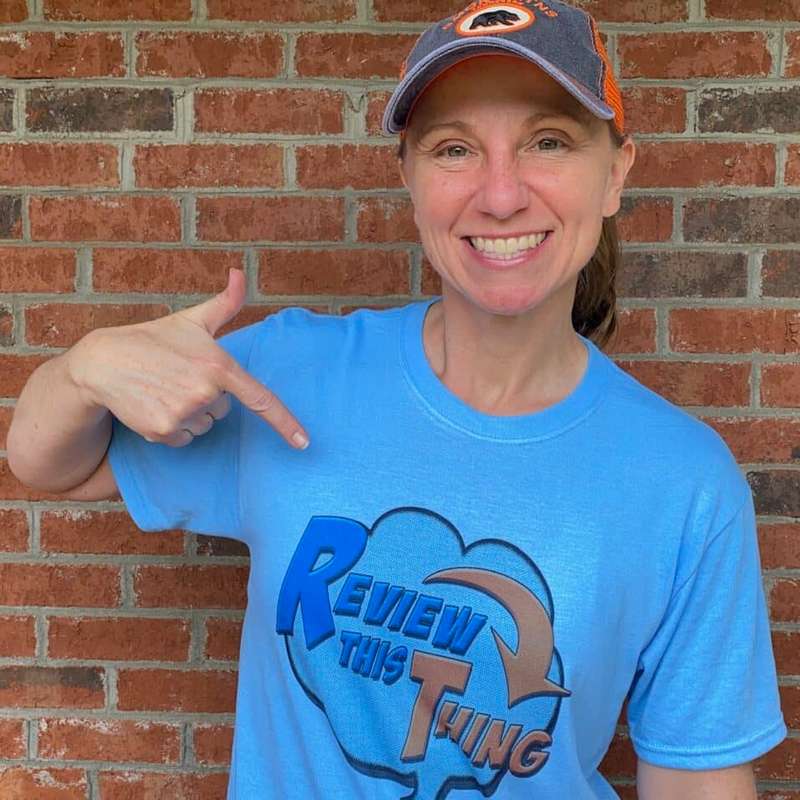
 Adrian Jessen
On today's episode, we're gonna cover all things self defense and concealed carry. We have Beth Alguazar who is one of the biggest experts that I know. This lady's legit. She knows what she's talking about. You're not gonna wanna miss it.
Welcome to the Ascend podcast, a podcast by and for women in the outdoors. Every episode delivers real stories, practical how to's, and a welcoming community to help you start, sharpen, or rediscover your passion for the outdoors. Authentic women, real stories, outdoor adventures, Ascend. Presented by Ducks Unlimited, the leader in wetlands conservation. Your next adventure starts here, the Ascend podcast.
Adrian JessenWelcome to the Ascend podcast by Ducks Unlimited. I'm Adrienne, and today, we're gonna dig into a topic that seems to be increasingly important to us ladies, and that is gonna be self defense and concealed carry. Today, I'm joined by Beth Alcazar, who is more than an expert on this topic. I'm I'm just gonna read you some of her credentials, because there are many. So she is a US Concealed Carry Association senior trainer, counselor, and instructor, an NRA training counselor, instructor, and chief RSO, Sig Sauer Academy certified pistol instructor, Draw School certified handgun instructor, Alice Training Institute certified instructor, FSI certified force science analyst, a stop the bleed certified instructor, HSI certified instructor, q p r suicide prevention gatekeeper, and she is currently the editor at large of concealed carry magazine.
So I feel very confident, Beth, that you're gonna be able to answer any of our questions today. So today, we are gonna talk about concealed carry, handguns, you know, is it the right answer for you? Beth, thank you so much. Thank you for being here with us today.
Well, thank you, Adrian. I'm honored to be able to talk with you again and to join in on this very important conversation.
Adrian JessenYes. So I've known Beth for a couple years. I followed you on Instagram. A few conversations here and there, mainly if I have questions about about things. But, last year, it was great.
I actually got to we got to put real life faces to names and and handles at the GOLDS conference. So the Gun Owners of America Leadership Summit in Knoxville, and that's, open to the public. By the way, you don't have to be in this industry to go to it, but it was great. When I knew I wanted to do an episode about this, I was like, absolutely, I gotta get Beth. I knew that you'd be the the lady for the job.
So before we just dig in, just tell everybody, Beth, who you are and how you got interested in all this.
Well, thank you again, Adrianne. As you mentioned, my title is editor at large for USCCA, but that doesn't necessarily cover much of what I do or who I am or how I got here. So I guess, yeah, to fill in the gaps a little bit, Clearly, my passion really lies in helping people just become more safe and confident and responsible with firearms and personal safety and, of course, protecting their families. And my journey into this industry wasn't really, you know, because of competition or any kind of, I guess, collection of firearms. It was really just about protection and empowerment.
I mean, specifically, I personally am just kind of as you could see by all the letters you kept reading off, I'm kind of a sucker for learning and training and education. I guess I'm just the the consummate, student, I suppose. And for me, this journey was really about education. It was about protection for myself, and I just wanted to know everything I could know about it. I I really wanted to know so that I could be, I guess, informed and articulate and safe and responsible in my own right.
But then as I kind of dug deeper and deeper, I realized, you know, that's it's probably selfish not to share that information with other people, so I got very interested in how do I share this with my friends or my family or my community or just those in my own personal circle, and that kind of grew and grew out of just just that small area. And I thought, you know, if I have had these struggles in the industry or if I have felt maybe uncomfortable about where to start or or how to get going, maybe other people are kind of going along through that same typical kind of journey. So I think that's what drew me deeper into this world. You know, it's not just about teaching someone to handle a gun or shoot. It's about mindset, and it's about skills and habits that help us just become safer and wiser parents and citizens across the board.
So, oddly enough, that's what I get to do now, so it's really exciting that all of this kind of personal seeking knowledge has has become my professional job. So I get to focus on developing resources and programs that help everyday people, not just gun enthusiasts or professionals, really have the confidence to handle firearms, to to think safely, and to be responsible so that they have ownership of their own choices with personal safety, whether or not they even choose to have firearms.
Adrian JessenRight. Right. And I I think I'm not wrong. You are also in process of getting a doctorate.
Yes. You can add a couple more letters, I guess, to the mix. My background is actually in education, so I like to joke around that about ten years ago, I basically left the traditional classroom for the shooting range, and I haven't looked back since. So in that experience, it's been really incredible to take, you know, the just the different theories and techniques from the academic world and from education and kinda transpose those into firearms and firearms training. And so now I'm trying to find a balance.
There's no balance ever in life, but I'm trying to yeah. No such thing. But I'm trying to sort of balance out the firearms training side of things and that academic world and not leave either behind. So I am ABD, all but the dissertation. Yay. And And very soon, maybe people could call me, I joke around, like doctor BA, because those are my initials. So we'll just we'll just leave it there.
Adrian JessenThat's right. That's right. That's right. Well, that's great. And it's very interesting because as, you know, people come into this space from all sorts of arenas, you know, you have the competition shooters or the hunters or the whatever, and so it's neat to see you don't have to have a certain outlook or a certain background to wanna protect yourself, to wanna be I'm
just a mom with a gun. Right? That's it.
Adrian JessenYeah. Yeah. And I think that's where why it is important for all of us. It's, you know, like, again, like you said, whether you choose the handgun route or not
Mhmm.
Adrian JessenBeing safe is number one. So how can you be more aware? And we'll we'll talk about that. We'll we'll circle back around to those those kind of adjunct thoughts. But, so let's say ladies listening, they are are they wanna get a handgun. What's the most critical thing they should think of first when they're thinking about getting a handgun?
Well, and you're already saying the word thinking. It's critical that anyone that wants to go into that world or choose a firearm for home protection or even on body carry out and about in everyday life, they have to ask a lot of really important questions. They need to address the why, and I think that's what's gonna help kinda peel back those layers and really explore what options might be open for that individual. So, you you know, maybe someone has been exposed to firearms before through hunting or or even through competitive shooting, and, you know, that's that's a really fun and exciting way to be introduced to that world. But it's also a very different mindset if you decide I want to have a gun to keep myself safe, to keep my family safe.
So that starts to kinda narrow down a lot of decisions on types of firearms that handguns that would be useful in those scenarios, and, of course, asking questions like, you know, where's this gun gonna live? You know, as far as in the home, is it going to be a gun that is going to be safely staged where it is easily accessible to those authorized users in case of an emergency or in case of that that need for protection, or is it gonna be something that's put away in a safe where it's a little more difficult to get to? And, of course, that carry idea as well. If someone wants to buy a firearm and they want that handgun to go with them in their daily lives, that's also gonna really start to narrow down the type of gun, the size of the gun, maybe magazines and and how much ammo they carry. There's there's so many different things that just the thinking process needs to to really be in-depth first.
And I think once you've answered those questions, if it is I wanna have a gun and I'm gonna carry it with me, and I want it to maybe do double duty, go with me and also stay at home for my home protection gun, well, then you gotta go out. You gotta test it. You know, do the research. You can you can look online. It can be helpful.
There's a lot of YouTube videos. There's a lot of, you know, podcasts like this one. There's a lot of resources from USCCA, but I think really going out and asking people that you trust, working with the gun itself at the range, testing it out, it's you know, a lot of us ladies in the industry like to liken it to pay buying a new pair of jeans or, you know, a pair of shoes. I I, you know, have a certain size or a certain style of jeans that I like, but I wouldn't send somebody else to go buy them, and I certainly wouldn't just buy them without trying them, especially if it's, you know, something that's slightly new or slightly different. You gotta go and put it on and and give it a shot and see if you like it.
You know, does it look good? Does it feel good? Does it fit well? And some of those things actually do carry over to the gun. You know? Does it fit? Do I understand how it works? Do I like how it works?
Adrian JessenSo you don't just go to your local gun store and buy the pink one?
Right. Exactly. Adrianne, I'm so glad you brought that up. There's, like, that pink it and shrink it mindset that unfortunately kind of flowed through the industry for a while, and luckily, I think we've moved way beyond that. Here we are in 2025, and there are so many really good choices. And they could be pink. That's fine.
Adrian JessenThey could be.
They could pink on right now. I have nothing against pink, but that shouldn't be the number one reason why you choose, especially a gun for safety. If you want to choose something for competition or for collecting or something other than self defense, then maybe you would pick it because it looks cool. Exactly.
Adrian JessenAnd I know we've, we have tested out a number of handguns, and, you know, I know there are at least two or three companies who've released female specific ones. And the funny thing is there's a couple I've handled that I don't think fit well because they're too small, even though I have tiny hands.
Yes. You have to give them credit because here we've got these companies that are, like, women are still, like, the top number of of growing segments in the industry, whether you're talking about training, whether you're talking about buying guns, whether you're talking about, you know, becoming instructors, they're still like, that's a huge growing segment is females. So at least they've paid attention, and they've done their research. But, I mean, we're so different, and it's it's it's hand size, it's strength, it's, you know, the meat that you have right here. It's also the breadth, you know, the the there's so many things, and I don't have a lot of strength in my grip or in my fingers, so that might help make a decision on the trigger.
You know? Is this one too difficult? Or if the gun is too small, am I just getting way too much of my hand wrapped around there that I'm uncomfortable? So kudos to the companies paying attention.
Mhmm.
But that doesn't solve the issue, and you've proven it. You've proven it. Yeah.
Adrian JessenAnd so let me just recap real quick. So number one, before you go even think about putting your money on a on a handgun, figure out why you want it Yes. What you want it to do, and then how you plan on using it.
Yes. A 100%.
Adrian JessenFigure out, okay, this is why I wanna do it. What are the guns? What are the calibers? What are the options that fit what I wanted this what I want this for? Around here where where I am, many of the, the ranges have rental options.
Mhmm.
Adrian JessenSo head out to your local gun range, and before you buy one, try to shoot it. If you can handle it, minimum, but try to shoot it if at all possible.
Yes. And, you know, there are a lot of really great women's organizations out there, and, again, resources that are specific to women that will kinda give you at least a starting point. And maybe that's helpful. You know? There's nothing wrong with looking at some of the more popular models that are designed for women or that are that are being purchased by women that women are just, you know, giving good reviews to.
But ultimately, like, you know, Adrian, you and I probably carry very different guns, and that's totally cool. And if anybody were to ask us, what do you carry? I mean, I can tell you, but that doesn't mean that's gonna be what you'd like. You might want a firearm that has a manual safety. You might really, in your mind, just feel like that is the best option for you, for your situation, for your lifestyle, for your family.
Where I personally don't choose to have a thumb safety or a manual safety on my handgun. I don't want to have that extra step. That's something that I've decided for myself, and I've trained very specifically to do. And, you know, there's guns that I like that other people find don't work for them at all, and that's okay. And I think it's important that we realize that.
And, again, you decide what's right for you. Why do you want the gun? Where are you gonna store the gun? Where are you gonna put it on your body if you decide to carry it? How are you intending to use that firearm?
And then, of course, test it out until you are tired of it, basically. You know, go that first day with, like, a notebook and a paper and write down what you like or what you didn't like or what was confusing, and then maybe do a little bit more research. Narrow it down. If you can start with maybe four or five and try those out, maybe you can kinda cancel out a couple right right out of the gate and then really focus on that one or two. And it's okay.
Again, those women's organizations, they would love for you to try their guns. You know? They're happy to share what they've chosen and why. Listen. Try those out, you know, and and just really soak up as much info as you can. You don't wanna make a mistake, you know, buying the wrong gun, but it's okay if you end up, you know, on your journey. Maybe that first gun isn't the one you end up with. That is also totally fine.
Adrian JessenCorrect. Absolutely. Now, so in regards to testing them out, let's so let's say it's we've got the lady that wants to get a gun and she's never shot one before. Mhmm. What would you say is the easiest way to find a good trainer?
Oh, boy. That is a very important question, and I think one of the most significant things to look for when you look for a trainer is, yeah, you gotta understand their certifications. You wanna make sure that they do their due diligence, and they are training, and they are learning. But I would try to see if they have web pages or social media that shows what are they currently doing. Are they bettering themselves by going to classes?
Are they teaching regularly? Is there an opportunity to watch a video or or see any testimonials or any reviews that that can give you insight into that trainer. I know that when I shop online, I love reviews. Now sometimes I just laugh at them. I'm like, well, that's just silliness.
I'm still gonna buy it anyway, helpful to to look and see if this person has those five stars or if this person, you know, got a bad review. You know, there's nothing wrong with reaching out. Email that person. Message that person. Call that person.
Talk to them. Ask some questions. See how they respond to you. You want someone not only certified and qualified, but you want someone you're gonna feel comfortable and confident with. It's it's so difficult to learn if you feel unwelcome or belittled or made to feel kind of stupid.
I've been to those classes, you know, where it's like maybe I was the only female. Maybe you want a female trainer and you wanna go to a women's class. Maybe that would make you feel better about asking some of those tough questions or just feeling so brand new and intimidated. That's okay. Or maybe you go with a friend.
I know that we, as women, we like to collaborate. You know, we like to build communities wherever we go. This is sometimes why I think we all wanna go to the bathroom together, you know, and you see so, you know, as you're looking for that trainer, you can ask other people, you know, where have you gone? What have you done? Or bring a friend along.
Try it out together. That way, it's an experience and a journey, and you don't feel alone, and you can kinda, you know, tag team it a little bit and decide whether or not that's a a good place to start. With that, you might find some of those shorter classes, maybe really, introductory classes, beginner level classes, maybe some that are only ninety minutes long, three hours long, where you're not sacrificing your entire day. Mhmm. And then make sure you have in your mindset, even starting out, that it's not gonna be one and done.
When you take a class, think about what's next. Always ask that question, and I encourage even in my classes and in my curriculum, that question is literally in the book, what's next? Because that's that's what you always need to be considering. So it's gonna be a personal journey and different for everybody, but at least those are some basics as far as, you know, are they qualified to do this, and am I gonna feel comfortable in their class learning with them and from them?
Adrian JessenRight. And that's great. The I like the idea of calling ahead. Yeah. You know, and and just a short conversation, you should know, yeah, this isn't gonna work or okay. Exactly. We can definitely give this a try. That's a great idea. The the next thing that leads me to is it's kind of a two part question that we've mentioned. So let's say someone's doing this because they want to carry it.
You know, they want to carry on themselves. So I guess the the couple of questions are, how much training do you recommend and or when can someone know, okay, I'm ready to actually have this on me? What are those key things that they need to look for?
Well, and, you know, again, this is gonna be someone's personal journey, and it's it's hard to say this is what you should do line by line. But as far as just some overall suggestions, the first thing you need to consider is that it's a daily commitment and a daily decision, especially if you are choosing a firearm for self defense or defense of others. It's a huge responsibility. It's an awesome responsibility, but that's something I wake up every day with. Like, today, I am going to be safe.
I'm gonna be responsible. I'm gonna make wise decisions. You know, I'm gonna do things in a way that I'm, you know, not putting myself out there as a potential victim or doing something where I'm distracted or just out of touch with reality. So I think that's the important first step is that you need to make the daily decision to at least think about it, consider it, tell yourself, you know, what you're gonna do right, what you're gonna avoid, that you're gonna have good situational awareness. You're gonna pay attention.
And along with that mindset training, as far as putting the gun in hand and doing something with it, I mean, it's just like any kind of perishable skill. I mean, it's like if you wanna learn how to play piano. It's if you wanna be a good tennis player, You know, how often would you practice either one of those skills to be good at it? So in my mind, the answer to that question, it's gonna be a little bit cerebral here, but practice not until you get it right, but until you you can't get it wrong. When you first start out learning how to shoot and you've got that handgun in your hand for the first time, there's so many different thoughts and processes going on.
Right? It's like Mhmm. Oh, what did the instructor say about standing? What did they say about the grip? What did they say about my finger?
You know, you're trying to process so many different things, and it's it can be a little it feels maybe a little overwhelming like, oh, this is a lot. Well, it really isn't. The more that you get used to those basic steps and those foundations of of shooting, those things will become more automated. You don't have to process information and really think about that. You can start thinking about the other stuff.
That's how you know that you're getting enough good practice in, where you don't have to just sit there and go, what are the steps to retrieve my gun safely from the holster and get on target? When when you've already done it and now you're processing shooting that target or you're processing the anything about transitioning to another target or follow-up and getting really good feedback. With that, I mean, if you can get out to the shooting range, by all means, do it. Go find a trainer or a buddy or, a program, even something that like an app that you can kind of use to kinda go through drills, drills of the month, drills of the week. Sure.
Go and shoot. But, also, don't forget the value of that mindset training and even going through the steps and the motions as a dry fire exercise. I know people, especially competitive shooters, just sing the praises of dry fire practice, and there's many levels to that. You can practice what it's like to reload quickly. You can practice what it's like to get that gun out of the holster.
You can use things like trainers. There's laser trainers. There's there's guns that like a cert pistol, that offer you similar kind of feeling and ability to see where that shot placement would be, and if you, you know, jerk the trigger. There's even online virtual reality kinds of experiences. Put those all to good use whenever you have a chance.
Adrian JessenThat's yeah. That makes sense. And I'm I'm just thinking about, you know, like you're saying, the the laser dry fire trainers, the VR headsets that have the trainers now, the even the the one company makes paintball guns that are like a Glock or a Sig. Like, they're they're exactly the same. It's just paintballs, so you could shoot those in your backyard.
Mhmm.
Adrian JessenSo, yeah, that's and and like you say, the transitions, you know, nothing there's a in motor learning, there's a four stage process Yes. Where you go from, I think it's called, conscious incompetence, you think a lot and you're not any good at it until you get to unconscious competence. Is what you're talking about where you don't have to think and you're just good.
Mhmm. Some people call it muscle memory, which we know muscles don't have memory, but, yeah, that's how true learning. That's how that process takes place. And when it's a skill that's a physical skill, I mean, the best thing you can do is to have frequent realistic training or at least when you go I mean, okay. Go for the to the range and have fun sometimes, obviously.
Just shoot the reactive target with the steel. Go have fun. But if you're going and you're thinking that, oh, this is gonna benefit me for, personal protection, we'll do something that is really gonna give you those results. Don't just shoot up a paper target and look at it and go close enough. You know?
It would work in real life. I mean, really think through how you can better yourself, how how you can improve whatever skill it is that you're really focused on that day or that that particular drill. But yeah. Yeah. The more that you can kinda do it and do it well and do it right, you're gonna lock that in, and it's gonna be much easier to process the other information that might be happening to you in a real life situation or otherwise.
Adrian JessenNow on that same kinda token, what I know again, I know this is gonna be a personal choice, but what are your, I guess, top two or three methods of carrying?
For me, I started carrying, and everyone's gonna go, oh, that's so bad. But I did start, off body. That was my first carry method. I was very self conscious about something on my body, and I was unfortunately not able to find anything that was really comfortable or that would conceal really well. And, I
mean, we're
talking over a decade or so ago that that started, and there weren't as many options then as there are now. And there's a lot of things like wings and wedges that might sound a little foreign if you're new, but let's just say there's a lot of little additions to your gear that can kinda help placement on your specific body type that wasn't necessarily as commonplace back then. So I started with off body carry in a concealed carry bag, and I still sing the praises of them. If you're gonna be training with one and you are making the commitment to make sure it is with you at all times and you don't, like, set it in your shopping cart or at the dinner table and walk away from it, there are definitely benefits to that off body carry. So that's still one of my preferred methods, but I have found over the years, and it's taken a lot of different holsters and practice and training and trial and error, but I have found that there are some really good appendix style or center line style.
I mean, if you're left handed, that's not really appendix carry, is it? But, anyway, there's a lot of center line or appendix type carry, holster setups now that are actually really, really great. As long as it's not the hot, humid summer in the South, that makes it a little difficult, but other than that, those are my two top favorites, off body and some kind of concealed carry purse, like a cross body that's attached to me, even better Okay. Or an appendix carry that I'm able to kind of, you know, use some different layers even like I have now. I have a shirt.
I have a little jacket. That's a perfect setup for concealment of something that would be an appendix. It just has to be accessible to you in a safe way, and it has to be something you're willing to train through so that you get it so not that you get it right, but you can't get it wrong.
Adrian JessenI really like that. I really like that a lot. Well, let's take a quick break. We have a lot more great things that we are gonna cover. So give us just a few minutes, and we'll be right back. Welcome back. Okay, Beth. So we've we've touched on this. We've mentioned the USCCA a couple times, and I know that you're very involved in that organization. Just if you don't mind, tell us a little bit about what it does, why people should take a look.
Oh, yeah. The USCCA, the United States Concealed Carry Association has been around for over two decades now, and honestly, my interaction or introduction or just collaboration all started because of the awesome education and training that is produced by the organization. So that's what that's what attracted me. That's what sucked me in. That's what caused me to want to work for this organization because of the resources.
We produce a lot of curriculum, a lot of different presentations, a lot of different resources, PDFs, you name it, that people can utilize to just help them in their journey wherever they are. If they're wanting to get started, you know, where do I pick a gun, or how do I pick a gun, or if they're wanting to do something a little bit more flashy and and tactical, maybe they're they're thinking about, how do I, protect myself in a vehicle? You know, there's a lot of really specific things about vehicle training, even accessing that gun with your seat belt, things like that. So USCCA tries to kinda cover that entire gambit with the everyday protector in mind. And, of course, along with that and it's funny how I mentioned this last because, I guess, technically, it should be at the forefront, but it just it shows you my mindset.
But USCCA also does provide self defense liability insurance. So you've gotta think that there's more to self defense than just am I physically ready or am I mentally ready or even am I emotionally or spiritually ready?
There's Yeah.
There's this financial readiness and a legal protection and so many other kinda scary details that are really involved. And if you think about just if some random person were to use any kind of implements, firearm or otherwise, to save a life or protect a life, there's somebody on the opposite end of that. There was an aggressor. There was an assailant, and they might not like what you did or their family might not like what happened, and very easily, it can turn into some kind of legal issue or lawsuit, which is unfortunate but true. So it's cool to see that USCCA is there for the before, during, and after, which is awesome.
So we're there to try to present information and resources to keep people responsible, making wise decisions, but we're also there in the in the midst and the aftermath of what what could be a very scary situation if you do have to protect yourself or protect your family. So that's kind of it in a nutshell.
Adrian JessenMhmm. And I think that's something I didn't really think about initially whenever Yeah. You know, we my husband and I were like, oh, we need to we need to do concealed carry, we need to do training, is when you go through the class, obviously, they have to go through, like, these are the laws Yes. Surrounding, you know, in your state and that sort of thing. But that there could be repercussions if even if you do everything right, then that mean and you know how things work Yes.
In any sort of lawsuit or legal thing, it could take months or years. And do you have the funds to cover that? Do
you Exactly. You know,
Adrian Jessenwhere I it seems like and there are other organizations that have them as well, but that seems like a a smart thing to think about.
Yes. And it's also great that you mentioned, you know, what what's going on in your state. I mean, even from state to state, there's so many differences. As you know, if you wanna have your concealed carry gun, you might not have that reciprocity in even a neighboring state, and that can make things very confusing and very scary. So USCCA also has a really great app that I use and a lot of people use to try to, you know, make sure we keep up with that.
If you have for example, I'm in Alabama. I have my even though we're now a constitutional carry state, so we were the twenty second constitutional carry state, no permit necessary, even though I do have my permit because I want to be able to carry my gun when I travel for work. Mhmm. And it's great to have a resource like that app on my phone to go, okay, I'm gonna have to go through these states if I'm driving, you know, what's legal, what's not, or do I have reciprocity? You know?
Mhmm. USCCA is headquartered in Wisconsin, and when I first started working for them about, I guess it's been about twelve years ago now, Alabama didn't have reciprocity with Wisconsin, and I thought, well, isn't that the darndest thing? I can protect myself at home, but I can't protect myself in the state where I where my company is located, and that that was a little daunting. So Yeah. Of course, then I got my, Utah permit, which does get have reciprocity Wisconsin, and then all of a sudden Wisconsin said, oh, Alabama's okay.
So you get if you can't keep up with it, like, can't, then use the app for sure. Use the app. Let the app do the thinking for you. Yeah.
Adrian JessenYeah. And if if those of you who are, like, brand new to this, so reciprocity just basically means, like, I live in North Carolina. So if I have a North Carolina concealed carry permit, which is still required, I I forget the number, but it's several states say, okay, well, if you have that there, then you can carry in our state as well. You still have to follow their their that state's laws, but that permit is good there as well. Now that's one of those words that and if you're not familiar with the space, then Yeah.
And it's confusing. It's confusing even in this space.
Adrian JessenYeah. Yeah. Especially when you have those the constitutional carry states, and then open carry versus concealed carry. Anyway, it's a lot. So it's very different topic. Resources.
That's a that's another topic.
Adrian JessenThat's a different day. Yeah. That's a whole different thing. So obviously too, I know you're very involved with USCCA, but that's not all that you do. And I I think I actually met you or first introduced to you when I saw the pacifiers and peacemakers Instagram page. So give us, like that I think would be great for this audience. So tell us a little bit about that.
Okay. So Pacifiers and Peacemakers, definitely has a lot of different, I guess, interpretations, and that's intentional. And I kinda created that blog and that social media presence as just a way for me to kinda capture my own journey. I feel like, you know, I've made a lot of mistakes, and I've learned a lot of lessons, and I'm I'm very open about those things, you know, what I've done wrong or what I don't like or what I'm trying to accomplish. And this was a really great way for me to share those things and just allow people to kinda come on the journey with me.
It's like, hey. We're gonna do gun cleaning. Pop online with us and watch us do it and ask all the questions and kinda like it's almost like you're part of of the action here. And so Pacifiers and Peacemakers, the name, also wanted to make sure that there's, again, there's no balance, but there is connection between life as a mom and a wife and life as a concealed carry and and to a advocate, you know, and so pacifiers, it could mean several things. It could kind of refer to being that mom who kinda has to, you know, mediate sometimes, but legitimately, it was also the pacifier, like the little implement that I would carry with me at all times because I had little babies and toddlers that would pitch a fit without it.
And then, of course, peacemakers also potentially has several different thoughts and meaning as well as far as, you know, being a peacemaker. Biblically, we see that as mentioned, and blessed are the peacemakers, but peacemakers can also refer to the actual handgun. What's interesting about that name is it doesn't necessarily get flagged as much on social media because I don't just come right out and say, like, Beth Alcazar, firearms enthusiast or two way advocate. It kind of allows me to to have that platform and maybe not get dinged as much, and it also allows me to just continue my journey parallel to USCCA, but not necessarily always related to USCCA. I still do my own training and offer classes and, you know, do podcasts or speak to people or, you know, sometimes I'm I'm a personal shopper for people.
I'll go to the the store with them and help them find the gear or the gun that that works for them. So it's fun to be able to kinda bring all that together professionally and personally, and it it just shows, though, that this is not just, like, a mission. This is not just a passion. This is this is really my life. This is something I've dedicated myself to, and it's an honor and a privilege to do it, and I'm still learning.
And if you wanna pop on the social media sites, you can learn right along with me.
Adrian JessenAnd I think there's beauty in the understanding that we will never know it all. Like, we're never gonna have it all figured out. And I think I mean, I think if you think you do, that's where you should be scared.
Yes. Oh, for sure. I mean, I'm so glad you said it that way too because, you know, when we think about mistakes or accidents or injuries or other things that are happening, a lot of times it's because people are too comfortable or complacent. And, you know, if you're always thinking and always, you know, how do I better myself? How do I improve?
Then it's harder for you to get comfortable or complacent because you're constantly aware, you know, that there's still room. There there's still miles to go on the journey, and and hopefully, you're enjoying every step as you go.
Adrian JessenAbsolutely. Yeah. The the beauty is in the journey. You know, there's not a there's not an end zone that we're trying to get to, thankfully. Then it would just get boring.
Yes.
Adrian JessenNow one thing you mentioned earlier, and I think we would be doing a disservice if we don't dig in a little bit to this because I think there's significant value in in something you mentioned earlier, and that is how do we avoid even needing any of this? Like, are the ways we can keep ourselves safe without we don't even need the gun? How do we do that?
Yes. Oh my goodness. You know, the one of the most fascinating things about firearms training or self defense is that we put so much time, effort, and energy into something that we hope and pray we never have to put to use. And that that's unusual, you know, because go back to the example of piano and tennis. You know, you put time, effort, and energy into those things.
You're playing. You're, you know, hopefully enjoying learning new music and things like that and going out and about and sharing that talent or that skill, but when you're training for self defense and you think, oh, you know, I never wanna be in a self defense incident. I never wanna be in a dynamic critical encounter with somebody. I I never want to use my gun. It is a last resort.
Adrian JessenMhmm.
In fact, I tell my students, you know, you live as if you don't have the gun. You go through everyday life as if it's not there because you want to continue to make wise decisions. You don't all of a sudden have, like, a superhero cape, and you go off and do, like, unintelligent things. So I think it's really, again, that situational awareness and that conflict avoidance and the idea that you're gonna be responsible and safe, that those are the driving factors. Whether or not you choose that gun too, those are the ways that I think we keep ourselves, our families, and our communities safer if we just pay attention.
You know, put that put that cell phone down and look, you know, what is happening around you? There are, unfortunately, lots of different video footage examples out there where you kinda you ache for the person. Like, if they had only had eyes on that whole environment and looked around or if they had taken off the the earbuds or the headphones or whatever and just really listened to maybe there was an argument starting or maybe there was gunfire somewhere. It's just it's so important that beyond the gun or beyond the range, it's all about this everyday decision to open our eyes, use our senses, and move about our lives with intent and purpose so that we can, every moment of every day, deselect ourselves from the victim pool because, you know, we don't wanna look like we're distracted or disorganized or oblivious. We wanna look like we have the confidence and the know how and the wherewithal to move through our daily lives.
And for those that do decide to carry, we have that last resort if ever necessary.
Adrian JessenRight. I like that, phrase, de deselect yourself from the victim pool. I like that phrase. Isn't that great? It I do like that very much. I'm gonna I'm gonna use that a lot now. Yes. But I think it's it's important, like you said, if you if you look like a potential victim, then you're more likely to end up a potential victim. So if you are alert, you know, in our society, I've been guilty of it, you leave the grocery store and you text it, oh, I'm leaving now, you know, looking at the phone and
Mhmm.
Adrian JessenAnd so many people I see even running with with headphones in or earbuds in and if you learn how to protect yourself before it even happens
Yes.
Adrian JessenI think. Yeah. I think that's huge, what you mentioned. Yeah. Just be protect yourself so you don't even have to protect yourself.
Yeah. And it and it's not like we're gonna live our lives just paranoid and scared and, you know, peeking around every corner and, like, giving people stink eye, You know? But but we're gonna we're gonna think, you know, what if? You know, when we go to a I don't know. You go to a restaurant, this is a common example.
Where do you sit? You know? Think about is my back turned to something or someone that that could potentially pose a danger? When you go to get those groceries or wherever you are shopping, are you watching what's happening around you? Because sometimes it's not just what is there, it's what's not there.
It might be the absence of something Mhmm. That should be there that would make you uncomfortable or aware that something's wrong. And with that, ultimately, it's about listening to that voice, listening to that intuition. It is the gift of fear. That's a great book title, but it is a gift to have that uncomfortable feeling that something's not right.
It means your brain, even unaware to you consciously, has noticed something or picked up on something, and and we need to fine tune that ability and pay attention to that. It would probably keep more people out of trouble, and with that too, that mindset of avoid, escape, deescalate, defend in that order every time, that's those are really the four tenets that are so true for me for USCCA training. Avoid, escape, deescalate, defend. That's what we, like, ideally, that's what we would want everyone to do all the time. If we can avoid it
Adrian JessenMhmm.
That's amazing. You know, you had that gut feeling. You walked away. Or if we can escape it, you see something happening. Instead of getting the camera out and filming it, you you exit or you drive off.
And then, of course, de escalation could be that using your voice or, even, moving or running or exiting or could be even, an OC spray or a flashlight or something else as a deterrent or a distraction to what could be an attack, and then finally, the defense, the mechanism that you choose to protect yourself.
Adrian JessenI think the other thing as we're talking about how to not be a victim and then even how to decide if you're gonna carry. The other question I would be interested from you training so many women is what are the common most common misconceptions that women have about self defense and or carry?
I think for a long time, the big one out there was that, you know, women can't or shouldn't have firearms. Like, it was just something that wasn't appropriate somehow or that women weren't capable somehow of being able to use, so there was this kind of almost stereotype or idea that, oh, women don't have guns because they can't. They shouldn't. Right. And I think that that is a huge not as bad nowadays, but that has been a huge misconception.
And I think trickling through that has been a continued misconception that women can't use certain types of firearms. Maybe they yeah. Okay. I get it. We don't have as much upper body strength, hand strength, or grip strength.
I'll be the first to admit that, but that doesn't mean I cannot learn how to use that semiautomatic pistol. I can, and if you have the right trainer and the right training, you can as well. You're not relegated to having a revolver or stuck with something because it's not as complicated for the little lady, you know, that that kind of stuff. So I think those were kind of really huge pieces that were out there for a long time that probably kept women out of the industry. But I also think maybe more than a misconception is just a fear of the unknown, and some of that fear might have been based in a a trauma in life or a really bad experience or any number of things that that individual could have experienced, but some of that fear is based on what the media or politicians might be trying to tell you.
Oh gosh. You know, I'm such a bad mom because I have guns in my home, and I have children. Like, how dare you? I'm like, do you understand that the reason I have guns is my children?
Adrian JessenMhmm.
Like, those are my top three reasons I have firearms, my oldest, my middle, and my youngest. So there's this this forced idea out there somewhere that if you're a genteel, nurturing female, especially a mom, then you, god forbid, you cannot have a gun. Well, excuse me, mama bears. Yes. I can.
And I have the right to choose whatever works for me, my family, and my situation to protect myself. So, you know, just continue to to bust down those terrible myths and misnomers and misinformation. You can, females, choose a firearm and train with it and work with it safely, confidently, and, you know, there's nothing to be scared of once you have the knowledge and the know how. I mean, I think I have more fear of the blender in my kitchen because I have not read the manual. I don't understand the difference between slicing, dicing, and whatever else it does.
Adrian JessenSo That's it. That's awesome. I think that's big too is you should have a healthy fear
Yes.
Adrian JessenOf of handguns or any firearms so that you do learn how to safely handle it. You follow all the you know, every class you take will have, you know, always point your gun in a safe direction. Yes. Treat it as if it's always loaded. Mhmm.
Don't put your finger on the trigger until you're ready to shoot. Don't point it at something you don't want to kill. Like, once you learn all of those things and you've handled the gun and you've, you know, you've worked the slide and you've loaded it and unloaded it. And once you've done those things, then you have the confidence that, okay, I can handle this safely. And in my hands, it's safe.
Yeah. You know, you're talking about your kids that depending on age wise, either there is training for them and or there's methods to, you know, handprint safes. Mhmm. Lock boxes by your bed. There's ways to keep it away from the hands that you don't want to have it. Yes. And so I think that's big what you're talking about is learn enough to not be afraid. Yeah.
Yeah. And, you know, that to that point, Adrienne, you know, I encourage that to everybody across the board. Again, whether or not you choose firearms, learn enough so that you're not afraid. Learn enough so that you recognize, you know, what a loaded or unloaded firearm looks like, sounds like, what a malfunction might sound like. I mean and this is a very poignant and powerful, but also very sad example.
But if we look back at one of the worst tragedies in our nation where we had the Newtown shooting that occurred with those young children that were targeted by a madman Mhmm. There's a story of a young boy from that school. His name is Jesse. You can look it up. And this young boy was able I think he was, like, in kindergarten, but when the gunman that entered his classroom had, I think it was either a malfunction or the gun stopped and he was stopping to reload, This young boy had the understanding that, okay, the situation has changed.
He was observant enough to realize the shooting had stopped, and he said one simple word. He said, run. Oh, wow. And several of his little classmates were able to exit that room and and flee to safety, and he didn't make it. And that I mean, that's just, like, unbelievably traumatic and horrendous, but on the other hand, what a hero.
You know, what a hero that he knew enough and was observant enough to be able to say run and save lives. And so whether or not people want to have guns in their home, if you have enough knowledge that you could also say run when, you know, that firearm has stopped working or the person has stopped shooting or the situation has changed, it's it's just amazing what can occur and what amazing things can come out of it with just some knowledge. Yeah. Just some basic knowledge.
Adrian JessenI wanna just make sure like, even if you go to the classes and you do the training and and you still don't feel like it's right for you Mhmm. Then by all means, do not do not do it. Right. If you're if you're not comfortable, I would hope that we would figure a different method of protection, whether it be some kind of self defense class or hands on something, but, you know, don't never feel like, well, this is the only answer. This is the option that I have.
No. I love when when women, men, anybody, young, old, come to my class, and maybe it's the concealed carry and home defense class, and we go through a lot of the legal aspects. We go through a lot of what happens to you, you know, physically and mentally in the aftermath or even during an attack. You know, the body has all these survival positives like the tunnel vision or, you know, maybe shaking hands or maybe diminished hearing. There's so many things that occur, and, you know, being able to share that with people, some of them will come up after class after knowing what could happen and how serious this is and all the legal ramifications and possibilities.
They'll say, Beth, I just don't know if I I can do this. I don't know if it's right for me at this point to carry, and I'll just clap. I'll applaud. I'll say, you know, good for you. You're thinking.
You've made a decision, and you've based it on fact or you've based it on information, but then I'll say, what can we do to go to those next steps to help you? What, is your goal? Do you want to be able to get to a point where you do feel confident, or would you like to look at alternatives for maybe less lethal or nonlethal defensive measures? So, you know, to each his own, to each her own. It's a okay.
I applaud a decision that is made with with, you know, intelligence and resources and references and thought. Critical thinking is an amazing skill. So
Adrian JessenYes. It's great to it's great to hold that one, isn't it? Yeah. Unfortunately, I think we have we have run out of our time for today. I think we talked about this before we started. I feel like this is a three, five, eight part series. There's so much to talk about and so many questions that you can dig into. But thank you so much. Thank you for being here. I know we covered, how to choose a gun, how to find a trainer, how you know you've practiced enough.
So we covered a lot of topics. Beth, I'm so grateful that you agreed to be on here with me today. If you don't mind, tell everybody where they can find you, how they can follow you.
Of course, they can go to the USCCA's website, usconcealedcarry.com. They'll find different blog posts or other training opportunities or other information. But if you're just interested in that social media side of things, you can find me at pacifiers and peacemakers with Beth Alcazar on Facebook. I try to post, you know, just different details or whatever's going on in life or encouragement or classes or events that are coming up, and I'm also on Instagram. I'll pop on there once in a while.
It's beth six nineteen. That's my birthday, so I'm sticking with it.
Adrian JessenHey, that works. That works. If you would like more information about anything that we've talked about today, we will have some links in the description, especially if you head over to the YouTube channel and watch this podcast. You can comment in the section below, and we'll, answer the question as best we can. I can always reach back out to Beth and get the right answer if, if if I don't if I don't know it.
But, make sure we really appreciate you guys tuning in to the Ascend podcast by Ducks Unlimited today. These these are just gonna keep getting better. So you definitely wanna subscribe. Make sure you comment, make sure you like, head over to Instagram, Facebook, follow us there. It's gonna be great.
Hopefully, we may have Beth back on in a in a little while when I figure out more questions that I have. She's just been a fantastic resource for me not just with this particular episode, but in the past. So if you have any questions, especially through the Instagram and such, please, I I assume it's okay, but reach out. She'll get to you when she can in this busyness of becoming a doctor.
Thanks so much, Adrianne. It's it's always a delight talking with you, and I welcome all opportunities to learn and grow.
Adrian JessenAbsolutely. So thank you guys for your time. This is Adrianne, and I encourage you to follow your story wherever it takes you.
Thank you for listening to the Ascend podcast. New every week, the conservation driven podcast one week and our adventure video series the next. Watch the Ascend adventure episodes on the Ducks Unlimited YouTube channel, and be sure to like, share, and subscribe. Opinions expressed by guests do not necessarily reflect those of Ducks Unlimited. Until next time, follow your outdoor story wherever it leads you. Ascend.