



¶ Intro & Sponsor Shoutouts
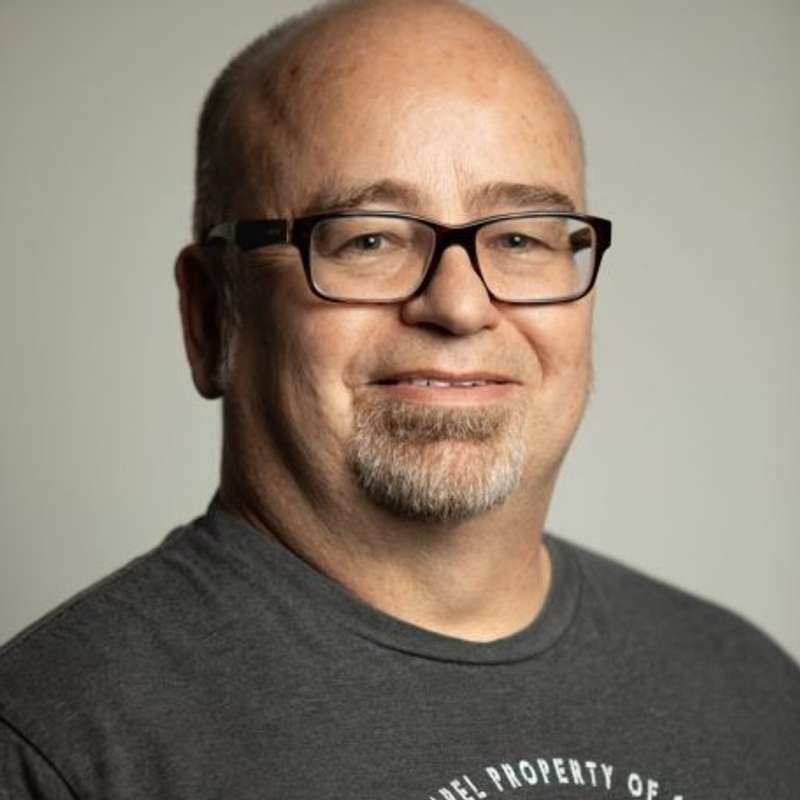 Joff Thyer
Hello, and welcome to another episode of AI security ops with Black Hills Information Security and, of course, our illustrious cohosts, miss Brumwin Acre, Derek Banks, and doctor Brian Furman, and, of course, myself, Jalf Theier. This episode was brought to you by Black Hills Information Security. If you have an AI, implementation that you're looking for some security assessment work to be done on, please feel free to reach out to us at black girls infosec dot com and fill out the contact us form, and we'll see if we can help you out. Today's episode is going to be one of these really interesting things where we try to look into the crystal ball, and we try to make predictions about what's going to happen with artificial intelligence technology in 2026. So we're gonna try to address one prediction each because I suspect this is going to turn into quite a discussion.
And I am going to throw the microphone to doctor Brian Fuhrman for the first prediction. Doctor Fuhrman.
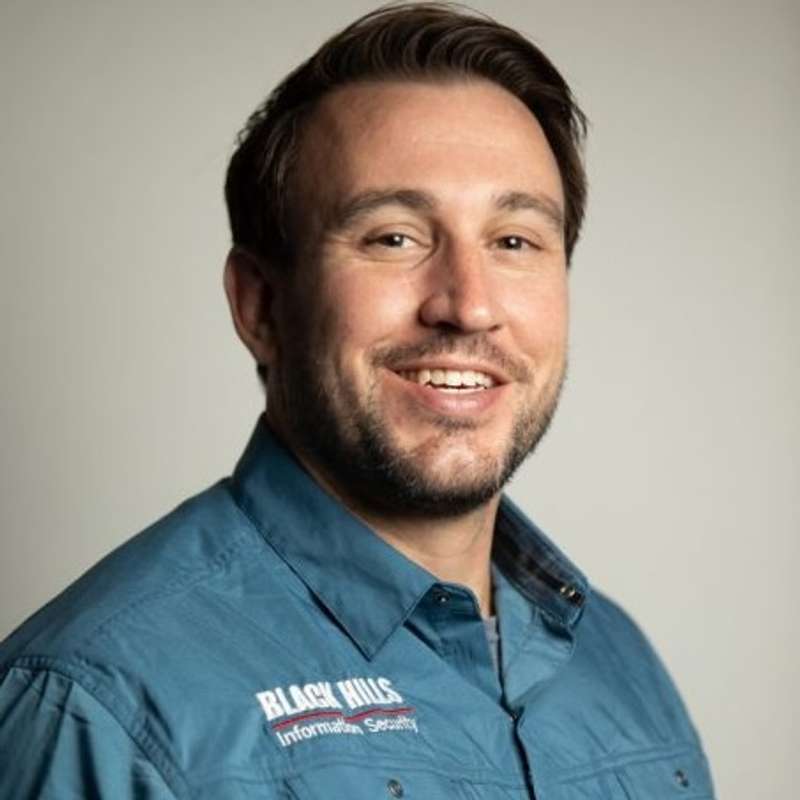 Brian Fehrman
Alright. Yeah. I'll grab this one. So prediction, which is that in 2026, grid power not GPUs becomes the binding constraint in some regions pushing at least one major cloud to introduce energy aware AI computing price or scheduled inference discounts tied to off peak electricity. So I absolutely think that that the grid is going to become I mean, it already is becoming a major constraint.
¶ Prediction: Grid Power Becomes the Bottleneck
I mean, there is, I mean, a huge uproar about the energy costs that are the increase in energy costs that are occurring to normal consumers due to these data centers that are being put into different locations and the demand that they're that they are putting on the grid. And so because that demand is going up, the supply is not changing. Of course, the cost is gonna go up. It's basic supply and demand. And this is very, very quickly becoming a real problem.
I mean, I read, recently about, these, data centers that are literally using jet engines that they're spooling up so that they can help augment their energy demand. And one of the things that I certainly foresee is that we're gonna start seeing a much bigger push for different energy sources than what we have. I think that, you know, up until this point, it's been kind of a a climate climate change argument is what has been driving a lot of these, energy sources. And, you know, I don't wanna get political here, but I I just you know, I feel that that's kind of the case. But now we're coming into the, the capitalistic standpoint of, like, hey, we're making these companies are making huge amounts of money off of these, AI systems they have out there.
They need to power them, and they don't wanna spend a fortune doing it because it cut into profit. So guess what's gonna come next? We're gonna I bet we're very quickly going to see a lot more solutions that are developed to help, with our energy demands, going going forward. And so getting to that point though, with the energy still the grid still becoming a constraint, then certainly, I think that there are gonna be some creative solutions that are put into place where you do see things like peak energy demand pricing, versus off hour pricing. I mean, we already have that in everyday, I mean, consumer I mean, most regions anyways that I've been in, usually, there's an upcharge for, you know, peak pricing depending on where you're located.
But I could absolutely see the same thing happening with a lot of these AI companies. So I I fully agree with this prediction.
Joff ThyerYeah. I was listening to a article yesterday, I think it was on on public radio, about the nuclear re renaissance that's that's happening associated with this, which is a little scary to me because there's reasons for that. I'm a very, very close family friend, has been a very anti nuke for a long time, and she's a very public figure. You know, putting that aside, what I'm actually wondering that could happen is with the advent of the development of small modular nuclear reactors, which is which is pushing forward very, very quickly, I wonder if we're gonna end up in a situation where there's gonna be some regulations that actually request the data centers power themselves instead of tapping into the grid, especially with the the small modular units coming online. So I think it's a it's a significant problem.
It's a significant constraint. And as we go into larger and larger clusters of systems, we are gonna see that constraint become very, very real. Anybody else?
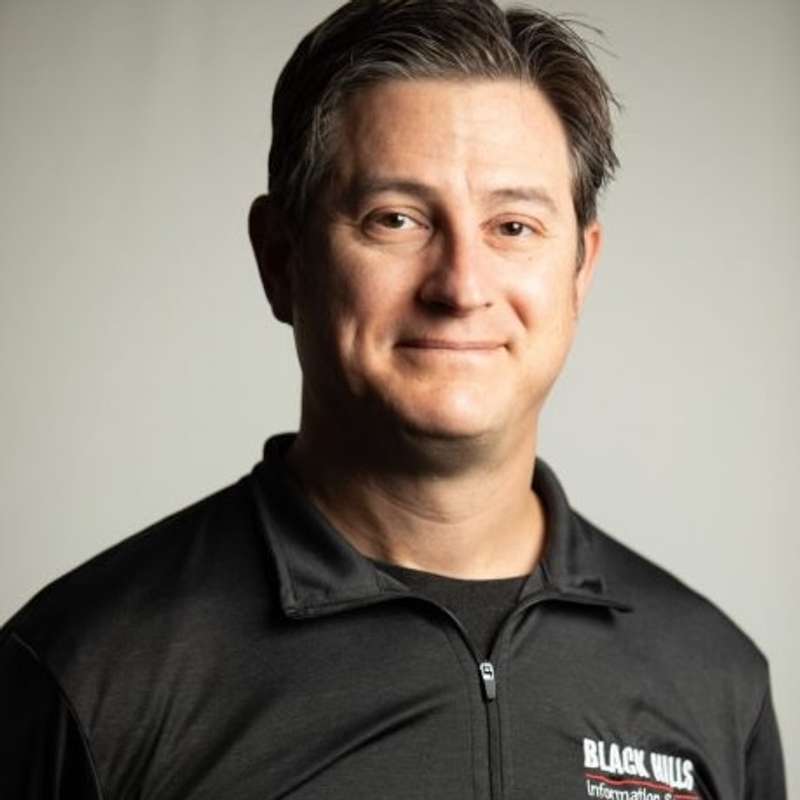 Derek Banks
Yeah. From what I read in The US or in North America, we really have two options realistically. One is nuclear, like y'all just mentioned, and the other would be hydroelectric. We have a lot of hydroelectric that we could use. When you're talking about impact to the environment, I would much rather have, you know, high end modern nuclear development than I would putting a dam on every river, because I think that has a much broader, impact.
Plus, you know, I I I I again, I don't wanna be political either, but I like, you know, being in The United States and living here. And I would like us to win this race. So if we could do it cheaply and effectively with nuclear power, it sure beats spinning up a whole bunch of coal powered plants, which what I think the competition is doing.
Joff ThyerAnd that would be a disaster. Right? Obviously, environment.
Derek BanksAnd and and so, I mean, honestly, if, you know, if I were the one making the call for direction of, you know, US energy policy, it would be all of the above. Let's do it all and then work towards, you know, short term, long term type solution. But, you know, I don't have faith that we do things that the most efficient and best way. My wife works for the government, so,
Brian Fehrmanyou know
Joff ThyerThings happen. Right? Brahmin, thoughts?
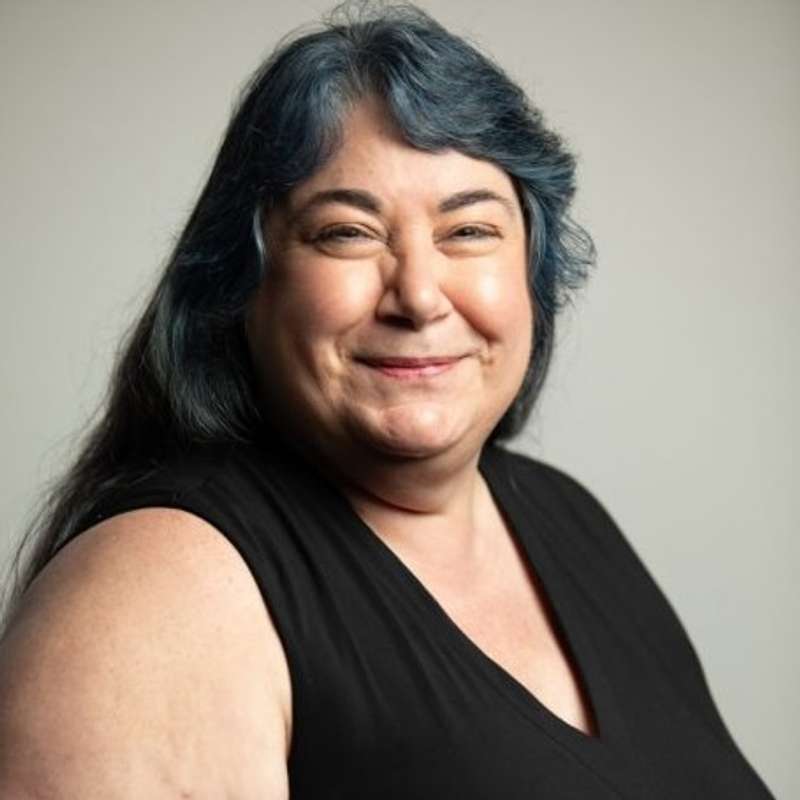 Bronwen Aker
Like you, the nuclear thing is concerning, but I kind of hope and and this is maybe Pollyanna, maybe a little too much of those colored glasses, but I really do hope that the increased energy requirements of all of these AIs will stimulate better energy solutions that will turn around and provide positive dividends for humanity. I don't have a lot of faith that that's gonna happen, but you know it would be really nice and I think that having it leveraging the computational capabilities of AI to address the energy shortcomings would be a really good application and could potentially make life better for just normal people. Like I said, don't have a lot of faith,
Joff Thyerbut I would totally welcome. Kind of a corollary thought to this whole area is in 2026, do you think we're gonna see the first orbiting data center that is solar powered?
Derek BanksI mean, that's probably what, X is gonna do.
Bronwen AkerThey're working on it.
Derek BanksI think that's what. Yeah. Well, I wanna say before we answer that, I I I wanted to say one more thing on nuclear. Like, I I definitely understand why people are antinuclear. I mean, you have really bad things that have happened. Chernobyl, the Fukushima plant, 3 Mile Island, for sure. Right? But I've lived in where I am in in Hampton Roads area for, what, twenty years now, which isn't a secret. I don't care if people know where I live. You can find it out if you really wanted to.
Right? And I'd say there's probably at least 10 nuclear reactors within a 20 mile radius of me. When you count the aircraft carriers, they I think they have anywhere between four and six depending on, you know, which one which, you know, version it is. There's the Surinuclear Power Plant. I've gotta say, I don't worry about it.
Now now if something happens, I would definitely worry about it. But at least here in The United States, I feel like that we have done pretty well in recent history in in keeping those things safe. So but yeah. I and to your point, Jaf, are we gonna see innovation? I mean, that's how we that's how we win Right. Is innovation.
Joff ThyerYeah. I I would if it's possible, an orbiting data center is a fascinating idea, but I I think there's so many logistical problems to solve to get us there.
Derek BanksSo well yeah. But, you know, life life imitates sci fi. Right? I I I I think I mentioned in the last podcast, I read a lot, or maybe it was before we started talking. I read a book called Delta v or Delta five by Daniel Suarez.
And, basically, it was about mining asteroids. And in that, you know, story, they ended up basically harnessing sunlight in space to power a really innovative, like, mining operation. So it's possible, but I think, you know, how would you go about doing and getting the materials up there? It'd be a lot better if you could mine them up there and then do
Joff ThyerAnd how would you go about shielding the materials? I mean, okay. So we're going off on our tantrum. Anyway That
Bronwen Akerthat could be radical.
Derek BanksJust Yeah.
Joff ThyerOkay. Any final thoughts before we move on to the next one? I think we we've covered that. Alright. Let's throw the next question to Brahmin. You wanna pick one of the predictions, or would you like to make one of your own predictions, Brahmin?
Bronwen AkerWe have so many options.
Derek BanksAnd it was almost like data overload. It did such a great job. So while Robin is looking, I just wanna tell everybody that before this, I thought it would be an interesting exercise to have ChatGPT auto mode give me a prompt for research mode, and then I put that research mode prompt in the research mode, and it thought for fifteen minutes. And the output that came back was way way more detailed than I expected.
Bronwen AkerIt did it did really well but I saw the prompt that you fed into that. That was a that was a very sweet prompt. So I'm I'm not surprised by the volume or quality of the output.
Joff ThyerSo get him the bumper sticker prompting hero. Yeah. Anyway, go ahead, Bramwin. Make a prediction.
¶ Prediction: FDA Qualifies AI Drug Development Tools
Bronwen AkerSo one of the predictions here is that in 2026, the FDA qualifies at least two more AI tools as drug development endpointsbiomarkers where federal data consortia expands to bypass data sharing and IP constraints. Okay. I'm not so convinced about the the the second half, but this concept of the FDA qualifying and allowing AI drug development tools and allowing big pharma to go ahead and use AI to generate and possibly even test new drugs for things. I'm already seeing a lot of stuff in the various newsletters that I follow about AI being applied to this end. And this is where the the innovations in AI that have come about in the last five years are truly exciting because the ability to potentially eliminate animal testing for different drugs, different procedures, cosmetics, Things like that are absolutely best case scenarios where AI can be applied to make life better not just for humans, but for other critters on the planet.
I mean, we've had animal testing for drugs and and stuff for how many decades, centuries? It's it would be really, really nice to see that. And there are instances where I think some of the new HIV drugs have used AI to specifically find ways to generate vaccines and even other treatments. The ability to eliminate specific diseases by leveraging AI, that's huge. I do agree with the, prediction from ChatGPC that in 2026 we're going to see more movement on that, and I think we're going to continue to see more movement on it.
And frankly I say go team because, you know, it would would be a really good thing. And I I want to have diseases like measles and HIV and cancer. Cancer be eliminated. And if we can harness AI to do that, go team.
Joff ThyerI think that's one of the most positive and amazing applications of the technology that we have. It's a very human centric, realistic thing to have AI assistance in solving some of these drug development and treatment development biological problems in a space where a lot of that research takes a tremendous amount of time. And one of the most fantastic benefits of artificial intelligence is it speeds up processes. Right? It's a task accelerator, and so that's a really nice development that I think can be a great benefit to humanity.
Any other thoughts on that one, Derek O'Brien?
Derek BanksI mean, I think it's I think it's already been happening. Right. Right? I mean, you know, anybody remembers SETI at home. I mean, folding at home.
Right? I mean, when when I was in the the master's program, there are at least two folks that I can think off the top of my head that were in, like, you know, biotech and and and, you know, far like, pharmaceutical, like, research. Right? They were already doing data science, machine learning type stuff. So it's a natural progression to start, you know, having custom research bots that help out analysts and and and researchers.
I mean, we see that in every every prediction. So I don't know. ChatGPT, I I I do like that one, but I think that that that's been a as a natural progression.
Brian FehrmanYeah. Yeah. The fold folding at home is what came to mind to me as well. I remember it. I mean, like, way back in, like, undergrad, I remember reading about it. I honestly didn't really understand it, but it was just like, hey. If you could spare some GPU cycles for the greater good of humanity, go ahead and install this program. I was like, oh, it sounds good.
Derek BanksAnd then you're like, why is my electricity bill $40 more expensive?
Joff ThyerYep. Well, all your
Derek BanksCPUs every time you're not using Well, don't worry.
Joff ThyerYou could do, like, a $40,000 solar project to solve that problem.
Bronwen AkerRight? Oh, If I remember correctly, studying at home was mainly leveraging distributed computing, not shy. Sure.
Derek BanksBut I I I was sorry. I was making the point that that, it's a natural progression from things that, you know, were being used that were technology wise and, you know, through machine learning and data science, you know, here recently up to using large language models. Like, I guess what I was saying is these companies have already been, you know, doing this kind of stuff Yeah. I think.
Joff ThyerYeah. Well, on that note, Derek, I think it's your turn to make a prediction. So
¶ Prediction: Nation-State Threat Actors Weaponize AI
Derek BanksYeah. I'm gonna off road. I I'm gonna I'm gonna pick this I'm gonna pick a cybersecurity one. And in 2026, we're gonna see nation state threat actors using AI and agents to scale patient patients' access and deniability. We already saw the first, almost autonomous, I think the 90% autonomous, use of Quad, and we're gonna see, criminals continue to scale revenue, speed and persuasion, you know, for phishing and deepfakes.
And so if you thought the Internet was an unsafe place before, I think it's going to be an ever more unsafe place when threat actors get a lot better already getting a lot better with with AI technology. Nice one. I know. Well, it is AI SecOps.
Joff ThyerThat's right.
Derek BanksThat's That's right. I I thought there'd be a security one in the list, but I couldn't find one. So I had to go back and ask again.
Joff ThyerI don't know I don't know that I have any comments on that. Anybody else got any thoughts on that that idea?
Brian FehrmanYeah. I mean, absolutely. It's it's certainly already already happening. We have lots of instances that are out there that we can see of people leveraging AI for these various campaigns. As, you know, Derek mentioned, there's, you know, one of the agentic instances we've seen of a clot that Anthropic documented.
We've also got the, you know, the different poly polymorphic malware cases that have been out there where basically it is rewriting itself on the fly using AI LLMs to do that rewriting. And so, yep, certainly, that's something that I think we'll see quite a bit of.
Joff ThyerWell, on that note, I'll go ahead and make my prediction because it's a great segue. And my prediction is that during 2026, we are going to see agentic AI applications be the dominant paradigm in all application development, and the key characteristic or key feature of agentic AI implementations is going to be autonomous actions with very little human in the loop or human control involved. And I think as we go down that road of multiple multi agent systems making autonomous decisions as part of application workflows, we are going to see some applications start to exhibit a lot of really nondeterministic behavior and all kinds of security risks, as well as quality assurance, quality control entity risks show up, if you like, in trying to test these applications. And we are going to enter a world where building these animals is going to be extremely challenging, but it's going to be happening at a very rapid pace and it will become the dominant paradigm.
¶ Prediction: Agentic AI Dominates App Development
Derek BanksSo what you're saying is that companies are going to use distilled internet knowledge on coding to write production applications. What could possibly be? Well,
Joff Thyerpartially I was saying that, you know, I think we've already seen in 2025 that the idea of AI assisted coding, otherwise known as vibe coding, has become a dominant thing in all application development.
Derek BanksNow you're saying there won't be a human vibing it, it'll just be the AI doing it doing the whole
Joff ThyerRight. Life I think we will have giant ecosystem of AI agents out there both in proprietary applications as well as even libraries, if you like, of very public agents that people will be able to use as part of an agentic AI multi agent architecture that it's going to just explode during 2026. That's my prediction.
Derek BanksYou know, that's actually funny that that you say that because the one I didn't pick for ChatGPT giving me a security related one was basically that threat actors were the the main source of AI compromise is going to be threat actors compromising agents and and building, you know, backdoors in through agentic type capabilities. It's like, that's that sounds scary. I don't wanna do
Joff Thyerthat one. Yeah. In the agentic space, of course, and I and I said this actually before we got on the show, from the perspective of security risk, we're going to see what I think of as a multiplicative effect of nondeterministic output, I. E, each of these agents will be able to make autonomous decisions based on their own usage of LLM technology to achieve their goal or objective, but you will have potentially hundreds of these agents in, you know, some sort of orchestration framework, and, you know, we could see cascading failures occur. We're gonna have to see a whole development of control technologies to, like, cut off, maybe kill, if you like, rogue agents.
We're gonna we're gonna see all kinds of risk emerge that we're going to have to manage and deal with as these things grow in size.
Derek BanksSounds like a William Gibson.
Bronwen AkerWell, concept that comes to mind with all of this and at some point when I realized the potential of small agents working collaboratively together, science fiction has had the concept of nanobots for quite a long time and I think that what pops into my head is that instead of physical nanobots, these agents are like digital nanobots. The potential for for both goodness and badness is mind blowing completely because of yeah. Enough said.
Joff ThyerYeah. The multiplicative
Derek Banksto that old TV show Chuck two point o. Sorry.
Joff ThyerYeah, and it's hard to we can't ignore the fact that, you know, as cybersecurity professionals, for all these years that we might have been doing this, we've been dealing with deterministic technology, and now the world has kind of flipped on its head, and we're suddenly in this paradigm shift and dealing with nondeterministic technology. And autonomy and nondeterminism flies in the face of good security, so we're gonna have to find this new balance, right, in order to be able to manage our world. And I think I I do think information security practitioners and professionals are going going to have to regear, of course, and we're all in the process of doing that, and we will find that we have a big role to play in consulting on risk mitigation related, especially to agentic multi agent systems.
Derek BanksYeah, indirect prompt injection is gonna be the number one type vector of 2026.
Joff ThyerThat's another way to that's another sub prediction, if you like, that goes right along with all the all that statement. Alright. Any other closing thoughts before we close out the episode leading us into 2026? Alright. I'm gonna take as yeah.
¶ Closing Thoughts: Jobs, Risk & Opportunity
I'm gonna take science as Right. Very good.
Derek BanksI'm just happy that we made it through the whole episode to talk about, you know, AI and jobs.
Joff ThyerRight. Let's not talk about AI. Beat you to death. Actually, I'm an optimist on that topic. I'll just say right now, I think AI is going to be an enormous multiplier to demand for skilled individuals in that area. So it doesn't mean you're gonna lose your job. It means that you need to reconsider what you're doing and how you're doing it. That's what the technology puts in front of us.
Derek BanksDid the personal computer take everyone's job? No. Mean, I there were predictions about that at the time. I remember I was alive, right, at the time, which makes me old. And then the same thing for the Internet.
I mean, sure, there was a bubble. There are people who did lose their jobs. There wasn't it wasn't an easy ride, But we're we're we still here, we're just doing a slightly different job. I mean, I gotta tell you what I do for a living. If you would ask me when I graduated high school in 1994, like, what I would be doing, this would not have been on my bingo card. Paid for hacker would not have been on my bingo card.
Joff ThyerThat's right. Alright. We should close it out. So thank you everybody for joining us for this episode. I wanna wish everybody happy holidays. Be safe out there. Enjoy some family time, and we will certainly be seeing you again in 2026 for more episodes of AI Security Ops. Keep on prompting. Be safe out there. We'll see you next time.